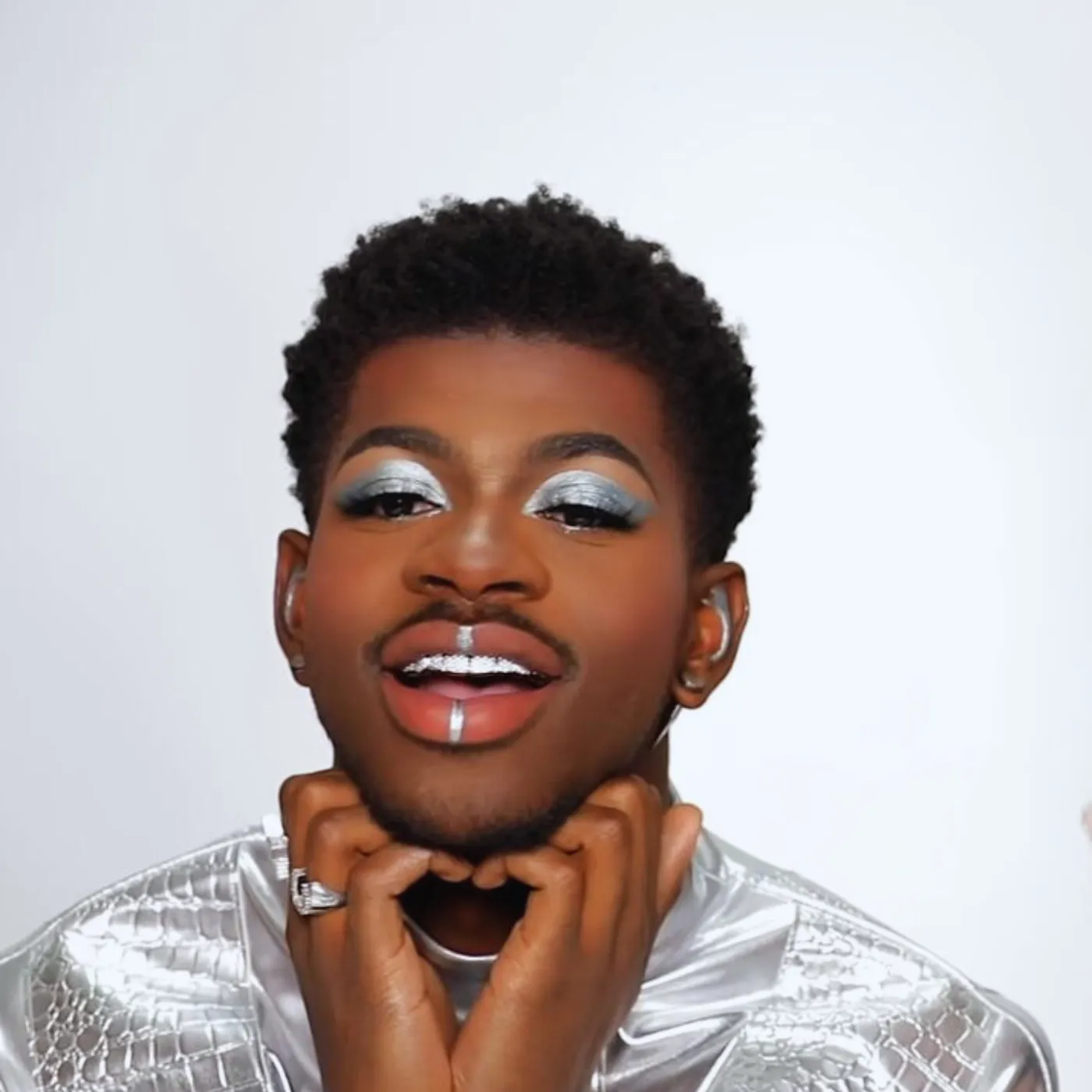
Out of Top 200?! The Internet Reacts to Lil Nas X’s Shocking Chart Drop
It’s one of those headlines that stops the scroll cold: Lil Nas X, the once-unstoppable chart machine, has officially fallen out of the Daily Top Artists Global list on Spotify as of July 19. Yet paradoxically, his monthly listener count continues to climb, now sitting at 19,149,843—a gain of over 26,000 listeners in just 24 hours.
So what gives?
In a digital music landscape ruled by algorithms, virality, and perpetual content churn, this curious contradiction has fans, critics, and music industry analysts scratching their heads. The man who once dominated timelines with every drop now seems to be playing a different game—or perhaps, no game at all.

From Dominator to Disruptor: The Curious Case of Chart Silence
Lil Nas X has never played by the rules. From the cowboy-hat defiance of “Old Town Road” to the futuristic spectacle of “Montero,” he has built an empire on unpredictability. But this week’s absence from the Top 200 is raising eyebrows—not just for what it says about him, but for what it reveals about the music ecosystem in 2025.
On the surface, the decline in visibility could be chalked up to a lack of recent releases. The artist hasn’t dropped a major single in months, and his social media presence—once electric and meme-fueled—has slowed to a simmer. But that doesn’t explain the upward trend in monthly listeners, a metric typically driven by catalog strength, playlist placements, and passive listening.
“He’s not being talked about like before, but people are still listening,” one data analyst posted on X (formerly Twitter). “That’s not death. That’s legacy.”
The Paradox of Popularity: How Can You Rise While Disappearing?
The phenomenon is known as visibility collapse—when an artist’s surface-level relevance (mentions, charts, trends) fades even as deeper engagement metrics (streams, followers, search volume) quietly grow. It’s not unique to Lil Nas X, but his case is uniquely dramatic.
He’s gained over 1.2 million monthly listeners in the past 60 days. His older songs—especially viral hits like “INDUSTRY BABY” and “THATS WHAT I ”WANT”—continue to rack up streams on playlists like Pop Rising, All Out 2010s, and Hot Hits Throwbacks. Meanwhile, his new music—or lack thereof—is the subject of growing speculation.
“Is he done?” one comment reads. “Or is he just loading something massive?”
The question echoes across fan forums and music blogs, amplified by the algorithmic mystery of why a nearly 20-million-listener artist can be invisible on the global charts.
The Spotify Algorithm: Friend or Foe?
One theory dominating fan discourse: playlist politics. Spotify’s editorial decisions and algorithmic push can make or break visibility. With no new single to anchor algorithmic interest, Lil Nas X may have been quietly de-prioritized in the recommendation engine.
But some believe it’s more calculated than that.
“This could be strategic,” says Ethan Morales, a digital music strategist. “He might be letting demand build while the back end prepares a full rollout. Going quiet right before a storm is a known play.”
Still, fans are torn.
If the plan is to lay low and strike big, it’s working—in part. But in a media cycle that punishes silence, the artist’s absence has left a vacuum filled with memes, hot takes, and wildly conflicting narratives.
“He Fell Off” vs. “He’s Loading”: The Two Internet Camps
Social media has turned Lil Nas X’s Spotify performance into a digital battleground. On one side, critics claim he’s lost his edge—the chart departure is proof of irrelevance. On the other, loyalists insist it’s all part of the brand: disappear, get people talking, and come back bigger.
The phrase “he fell off” trended on TikTok for a full 48 hours after the Global 200 update. But so did “Don’t sleep on Nas.” The result? Paradoxical virality. No single is out, but discourse is at an all-time high.
It’s the kind of attention most artists would kill for.
No New Music, No Problem?
Interestingly, even in the absence of fresh releases, Lil Nas X continues to wield immense cultural capital that many artists spend years trying to build. His legacy tracks have transcended traditional listening platforms, infiltrating spaces like AI remix communities and Fortnite-inspired fan edits, where his songs are not just heard but experienced in new, immersive ways. This continuous repackaging and reinvention feeds into a growing, diverse audience—many of whom might be discovering Lil Nas X for the very first time, long after his initial breakout.
This long-tail effect is exceptionally rare in the fast-paced world of modern pop, where viral stars usually blaze brightly only to plummet almost as quickly. Yet Lil Nas X’s catalog has demonstrated a remarkable resilience, a testament not only to his breakout era but also to the timeless appeal and adaptability of his music. It hints at a carefully curated approach to his artistry—one that keeps momentum alive even when new music isn’t immediately forthcoming.
Still, the absence of a new era has become a story in and of itself. Each day without a cryptic tweet, a viral teaser, or even a mysterious emoji only stokes the flames of curiosity among fans and industry watchers alike. In 2025, curiosity is arguably the most monetizable emotion online, driving engagement, speculation, and the kind of buzz that no marketing campaign can manufacture on its own.
What Happens Next?
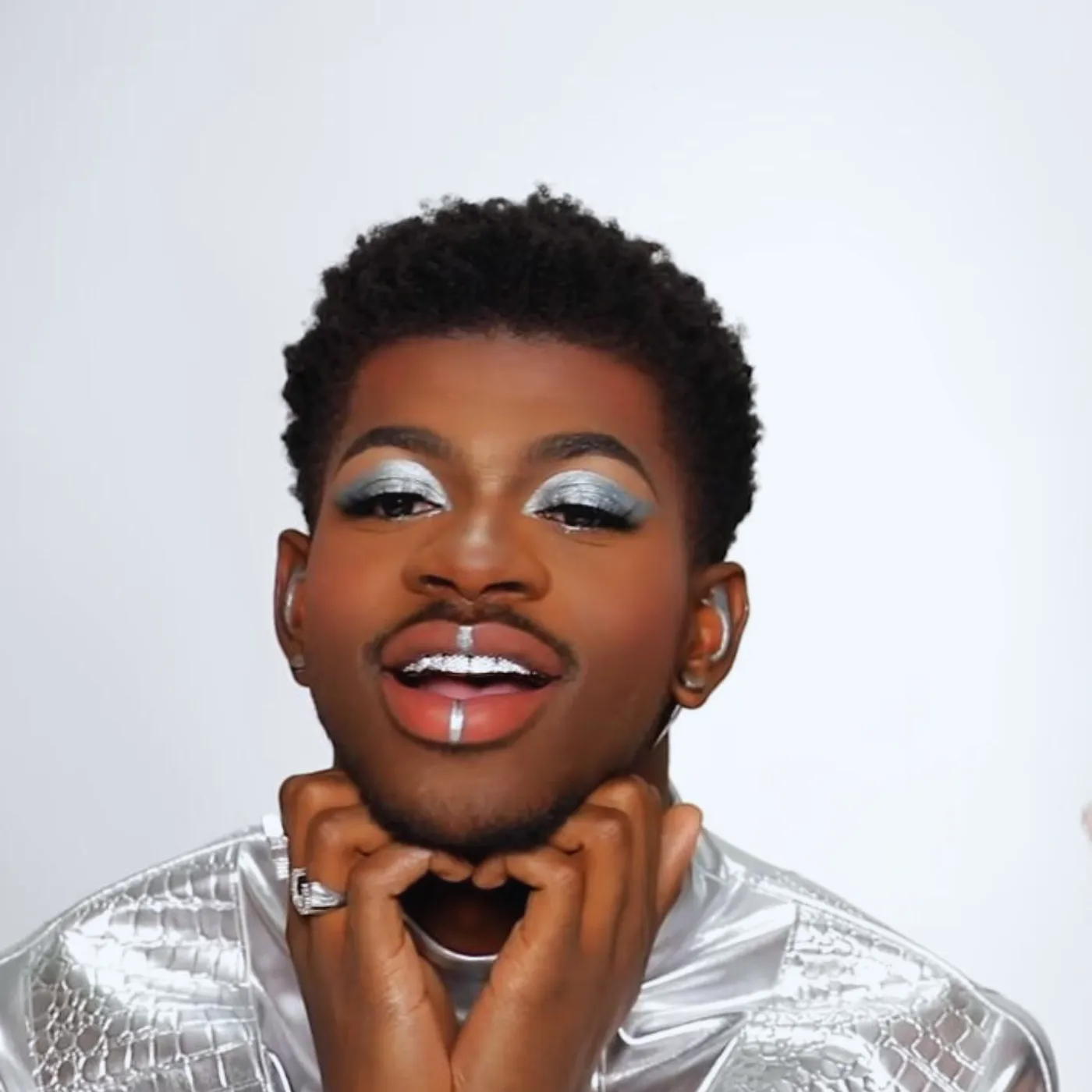
If recent history is any guide, Lil Nas X doesn’t stay silent for long. When he returns, it won’t be subtle—it will be theatrical, provocative, and engineered to break the internet.
Industry insiders are already whispering about a potential late-summer rollout—perhaps tied to a fashion collab or augmented reality experience. Whether those rumors pan out, one thing’s certain: the current Spotify anomaly has only deepened the mythos.
He might be out of the Top 200, but Lil Nas X is still very much in the conversation. And in the modern music world, conversation is currency.
Until then, we’re left with a feed full of questions, a comment section on fire, and 19 million monthly reminders that silence doesn’t always mean decline.
Sometimes, it just means the reload is coming.
Stay tuned.