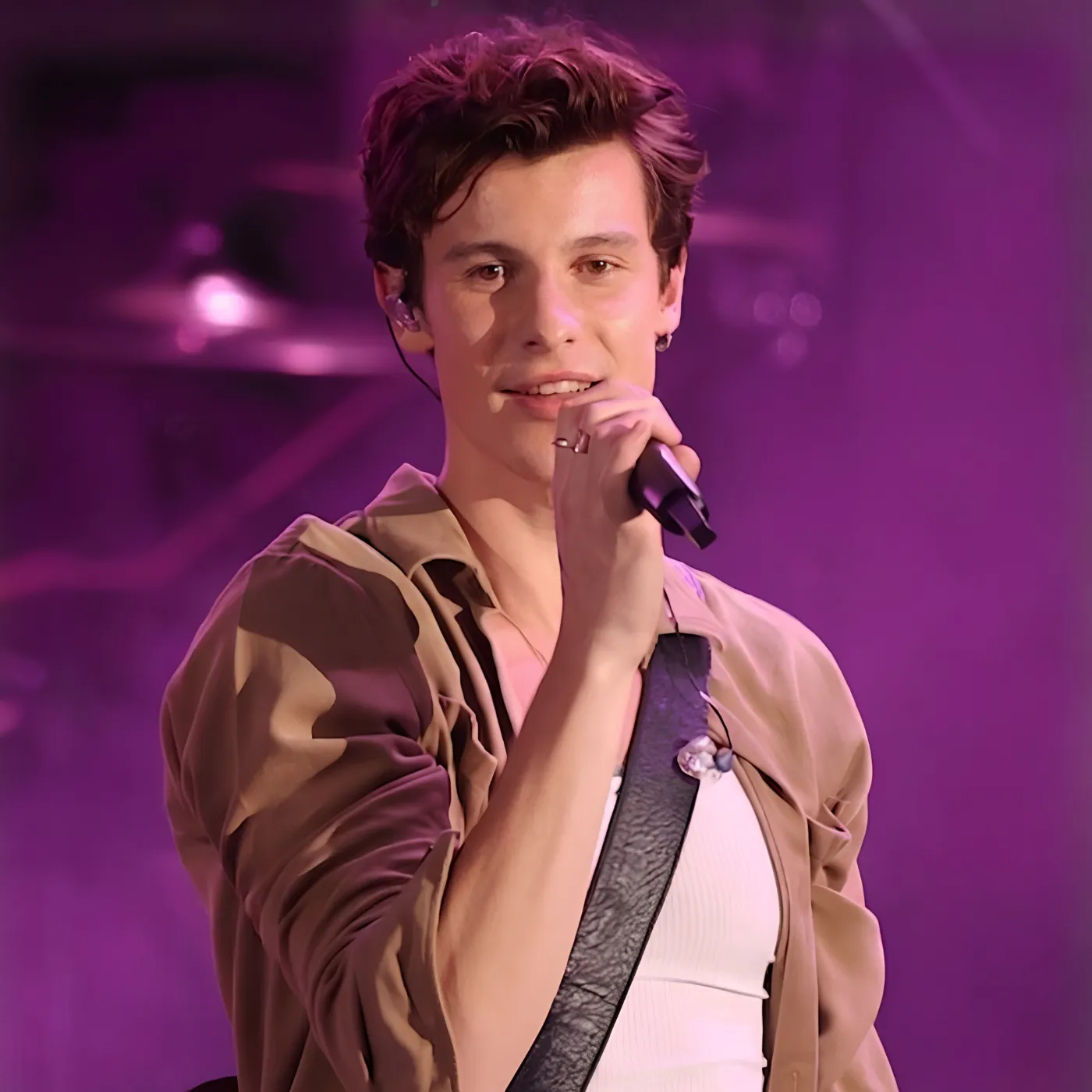
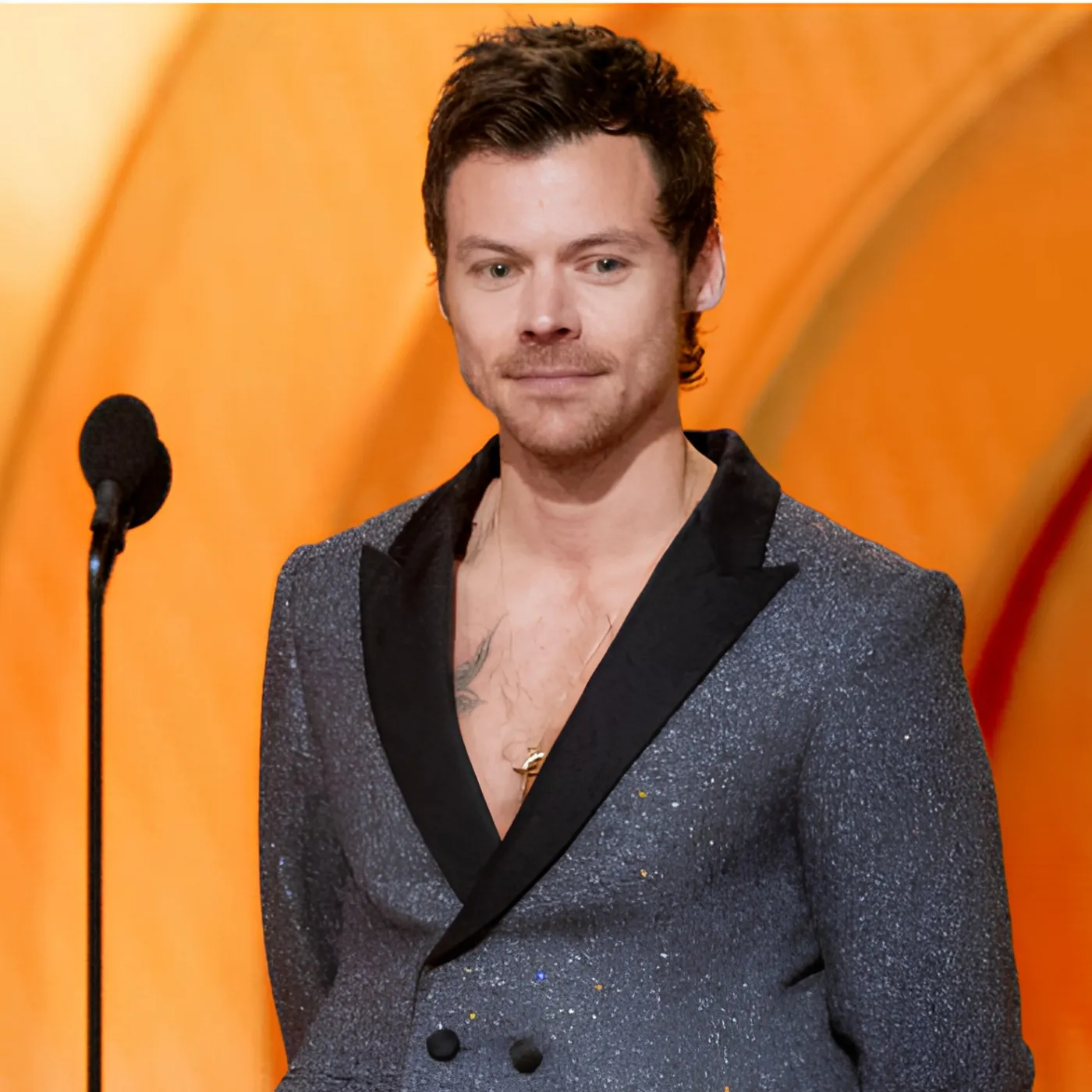
Sabrina Carpenter Steps Into Miley Cyrus’s Dream Life with Alarming Precision
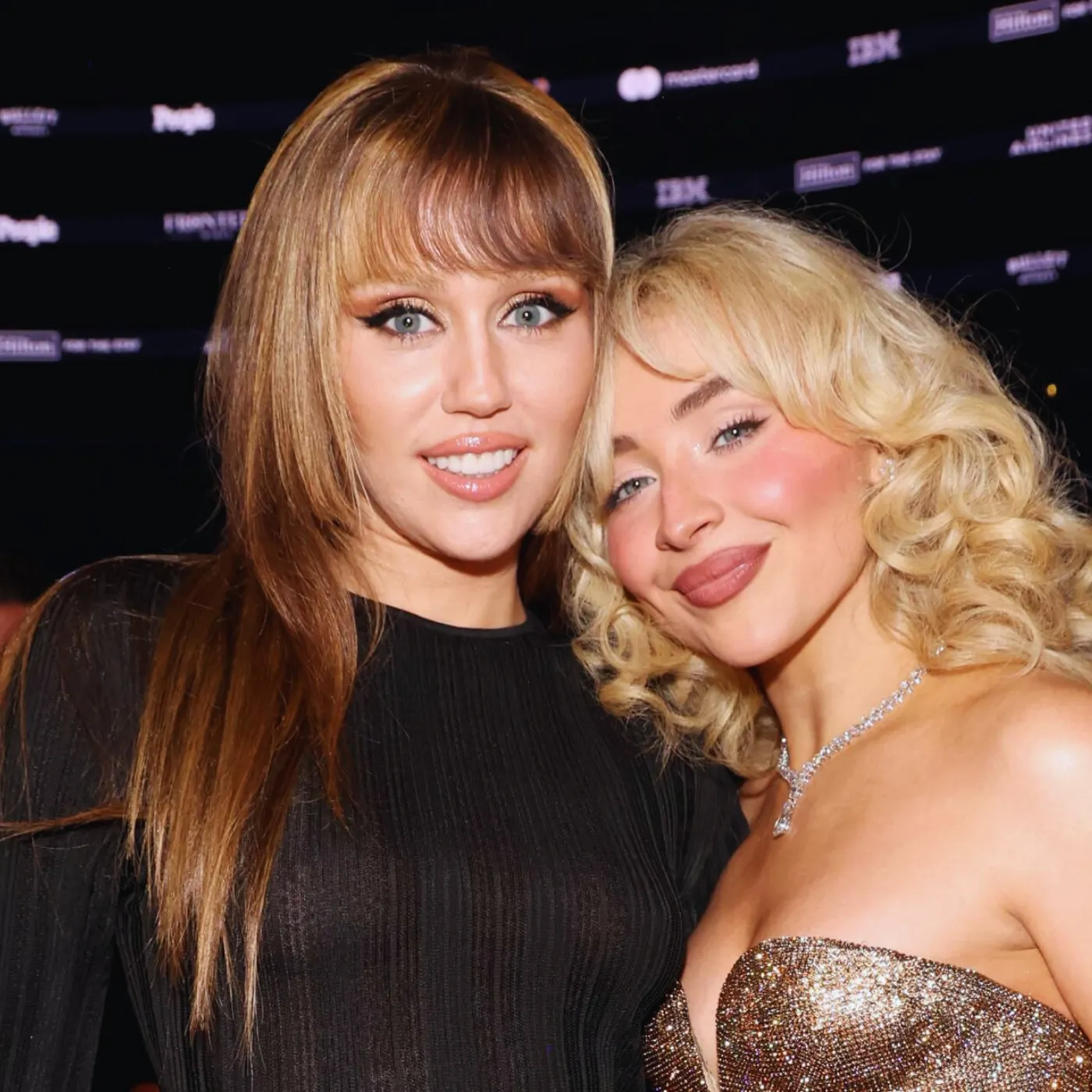
In the ever-evolving landscape of pop culture, inspiration can be both a blessing and a burden. For Sabrina Carpenter, that duality is playing out in real time. In a recent interview that’s set social media ablaze, Carpenter credited Miley Cyrus as the original spark behind her arena-sized ambitions. But for many fans watching from the sidelines, the story no longer reads like homage—it feels like a takeover.
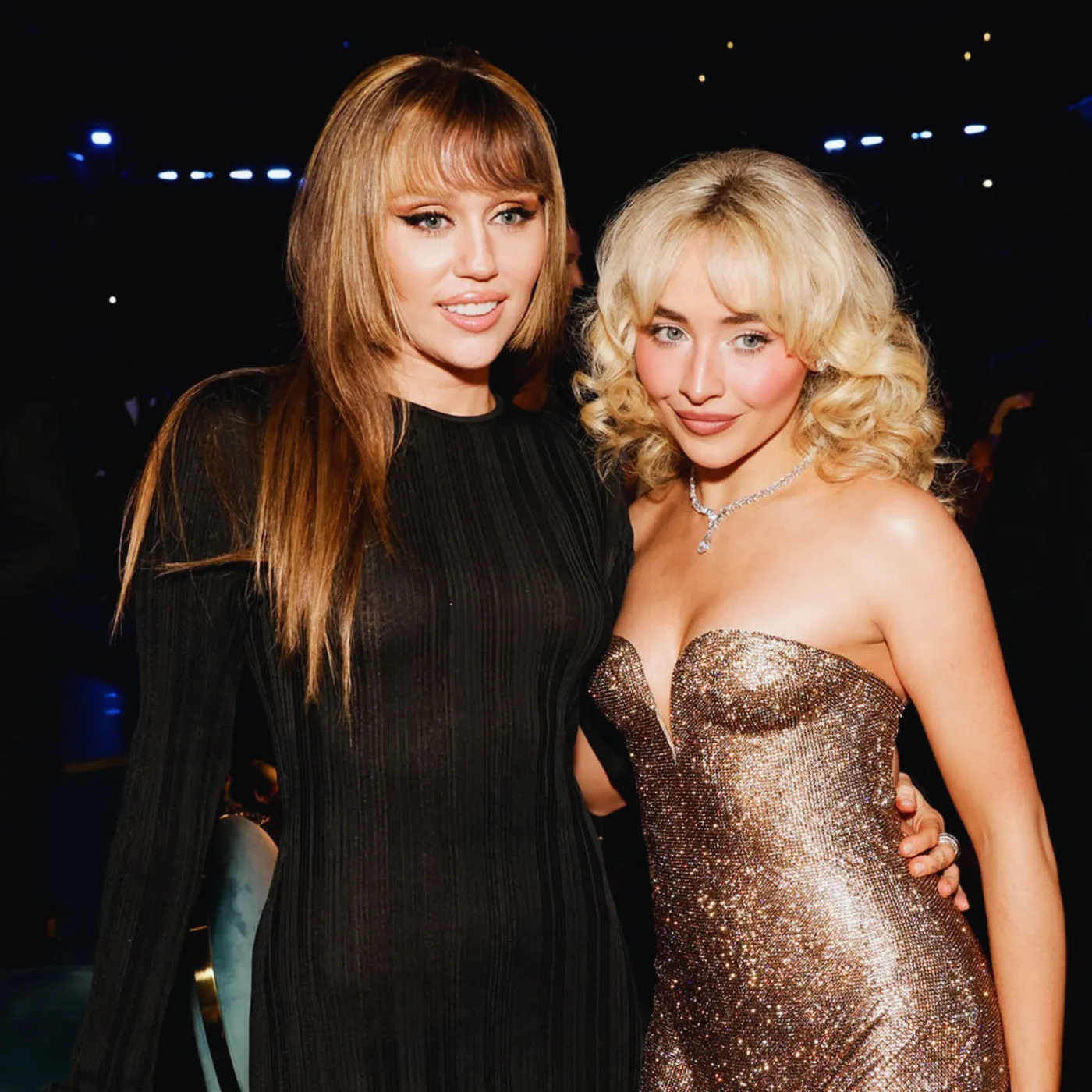
“I remember vividly when I was around 10,” Carpenter recalled, “I saw Miley play an arena. She was 16. I was like, I wanna play arenas.”
It’s a quote that might’ve passed unnoticed a few years ago. But in 2025, with Sabrina headlining festivals, selling out stadiums, and increasingly being positioned as pop’s next cultural architect, her words land differently. They don’t feel like nostalgia. They feel like warning shots.
From Fan to Force
Sabrina Carpenter, now 26, has made a clean break from her Disney origins and has transformed into one of the industry’s most formidable performers. Her recent tour shattered expectations, with multiple stops reporting record-breaking merch sales and live-stream viewerships in the millions.
Still, beneath the glittering rise is a narrative that refuses to die down: Sabrina isn’t just following in Miley’s footsteps—she might be retracing them too closely.
From the arena dreams to the vocal styling, the glamour-meets-rebellion aesthetic, and even her sudden embrace of more rock-influenced visuals, fans are pointing to what they see as a growing list of Cyrus-coded moments in Carpenter’s career.
The timeline isn’t subtle either. As Carpenter scales the charts, she’s not just dominating radio—she’s moving in on the very cultural space Miley once commanded. The comparisons, once flattering, are now turning combustible.
A Cultural Relay Race or a Strategic Takeover?
Miley Cyrus, who rose to superstardom via Hannah Montana, spent her teens and early twenties redefining what it meant to grow up in the spotlight. She tore down the good-girl image, went rogue, went viral, and ultimately carved out one of the most unpredictable pop careers of the past two decades.
Sabrina’s trajectory? Suspiciously symmetrical.
From the calculated image reinvention to the coy media soundbites, Carpenter seems to have studied Cyrus not just as a performer, but as a playbook. Critics are beginning to ask whether this is inspiration or imitation.
“I love Miley,” one longtime fan wrote under a viral TikTok comparing the two stars. “But Sabrina’s not just inspired—she’s building her empire off Miley’s blueprint.”
The most viewed clip on that thread? A side-by-side of Miley performing in her Can’t Be Tamed era and Sabrina’s recent set at Lollapalooza. The resemblance is uncanny. The internet noticed.
Industry Eyes Are Watching
Label insiders, while speaking anonymously, suggest that the comparison isn’t lost on executives either. “It’s working,” said one A&R rep. “Sabrina’s got the Miley model—controversial enough to trend, clean enough to sell.”
It’s no coincidence that major festivals have been booking her as a last-minute headliner, often replacing or following artists from the Bangerz generation. Carpenter’s appeal isn’t just in her vocals—it’s in her ability to walk that razor-thin line between edgy and algorithm-friendly.
With Espresso still dominating TikTok sounds and her recent interviews drawing massive engagement across Instagram Reels and Facebook Watch, Carpenter is now more than a pop star—she’s a brand in motion, a data-driven machine wrapped in sequins and smirks.
But at what cost?
The Fandom Fallout
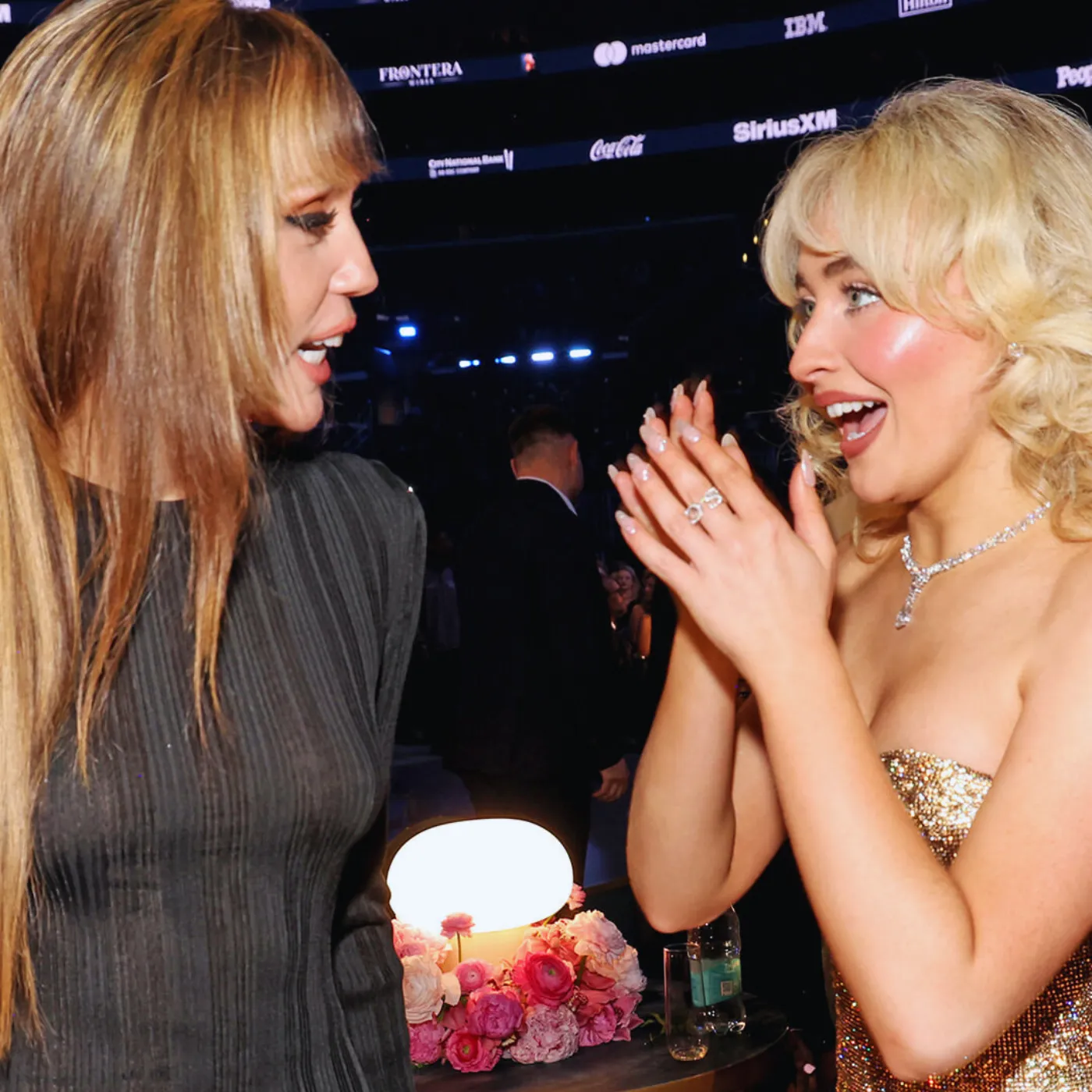
Miley Cyrus stans aren’t staying silent. Across social media platforms, fan accounts have been dissecting every move, every outfit, every note. Posts titled “Sabrina’s Miley Era?” and “Cyrus 2.0 or Copy-Paste?” are racking up views in the millions. The narrative is no longer controlled by the artist—it’s being driven by the audience.
Some argue the backlash is overblown. Others say it’s only just begun.
“Sabrina’s too polished to pull off Miley’s chaos,” one viral post read. “She’s rehearsing rebellion, not living it.”
This sentiment touches on a deeper critique: authenticity. While Miley’s career has been defined by messiness and risk, Sabrina’s critics claim her arc is too curated, too precise, too safe.
There’s an emerging consensus among fans and culture critics alike: Carpenter is playing the part Cyrus once made up—but she’s doing it without the danger.
The Danger of Doing It Too Well
Ironically, what makes Sabrina’s rise so impressive may also be what makes it so threatening to those who loved Miley’s original journey. Cyrus kicked down doors. Carpenter walks through them in heels.
There’s a cruel paradox at play. Had Sabrina failed in this endeavor—had her mimicry flopped—no one would’ve cared. But because she’s succeeding so brilliantly, because she’s drawing the crowds and clicks that used to belong to Miley, the conversation has shifted.
Now, it’s not just about who influenced who—it’s about who’s winning the cultural legacy war.
Carpenter’s not just singing in Miley’s arenas anymore. She’s rebranding them as her own.
Silent Competition
What’s perhaps most fascinating is how Miley Cyrus herself has responded—or rather, how she hasn’t.
Cyrus has remained conspicuously quiet as the comparisons explode. No tweets. No shade. No soundbites. Just the occasional Instagram post from her Malibu home, unbothered on the surface.
But behind the scenes, insiders claim Cyrus is very much aware of what’s going on.
“She’s watching,” one source close to Miley shared. “She’s seen the TikToks. She knows the press is catching on. But Miley’s not about to feed it—she’s been through that storm already.”
For now, it’s Sabrina’s moment. But in a world where virality can turn in a second, the torch she’s carrying may just burn her too.
Final Thoughts
Sabrina Carpenter may have once looked up at the stage and dreamed. But in 2025, she’s no longer in the crowd. She’s the main event.
And while she says Miley Cyrus inspired her, the question haunting pop culture is this:
Is she honoring that inspiration—or rewriting it as her own?
Either way, the arena is full, the cameras are rolling, and the comparisons aren’t going away anytime soon.
This isn’t just a career—it’s a collision course. And Sabrina Carpenter seems alarmingly ready to drive it straight through the heart of pop history.