LA Knight Outworks the Entire WWE Roster — But Why Are Cardi B and Jelly Roll Getting to SummerSlam Before Him?
The Undeniable Work Ethic of WWE’s Charismatic Enigma
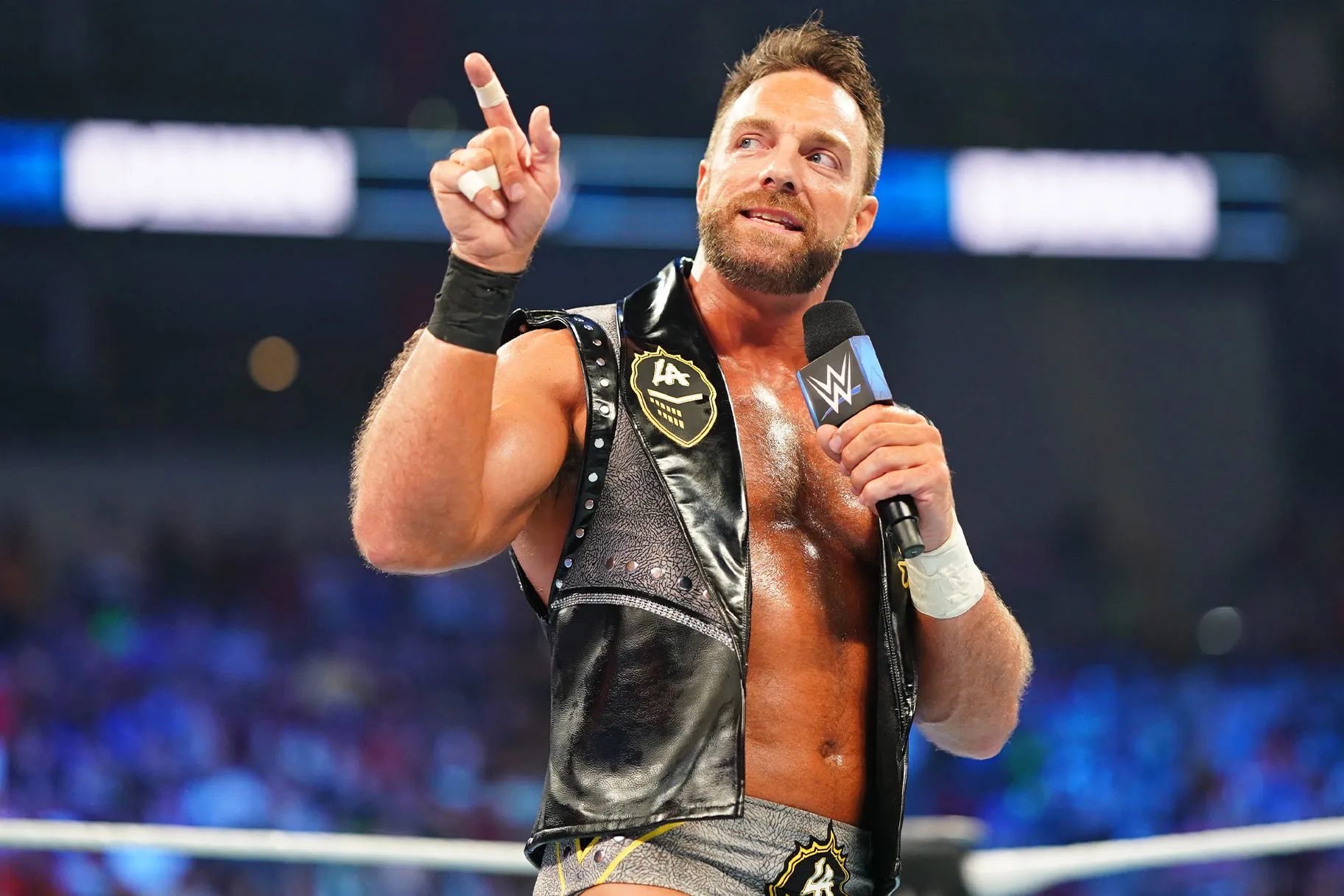
In the ever-evolving landscape of professional wrestling, few superstars have captured the essence of hard work and dedication quite like LA Knight. The charismatic performer has consistently demonstrated an unmatched work ethic that puts many of his contemporaries to shame, yet finds himself watching from the sidelines as celebrity guests take center stage at WWE’s biggest events. This stark contrast raises fundamental questions about the direction of modern sports entertainment and what truly matters in today’s WWE landscape.
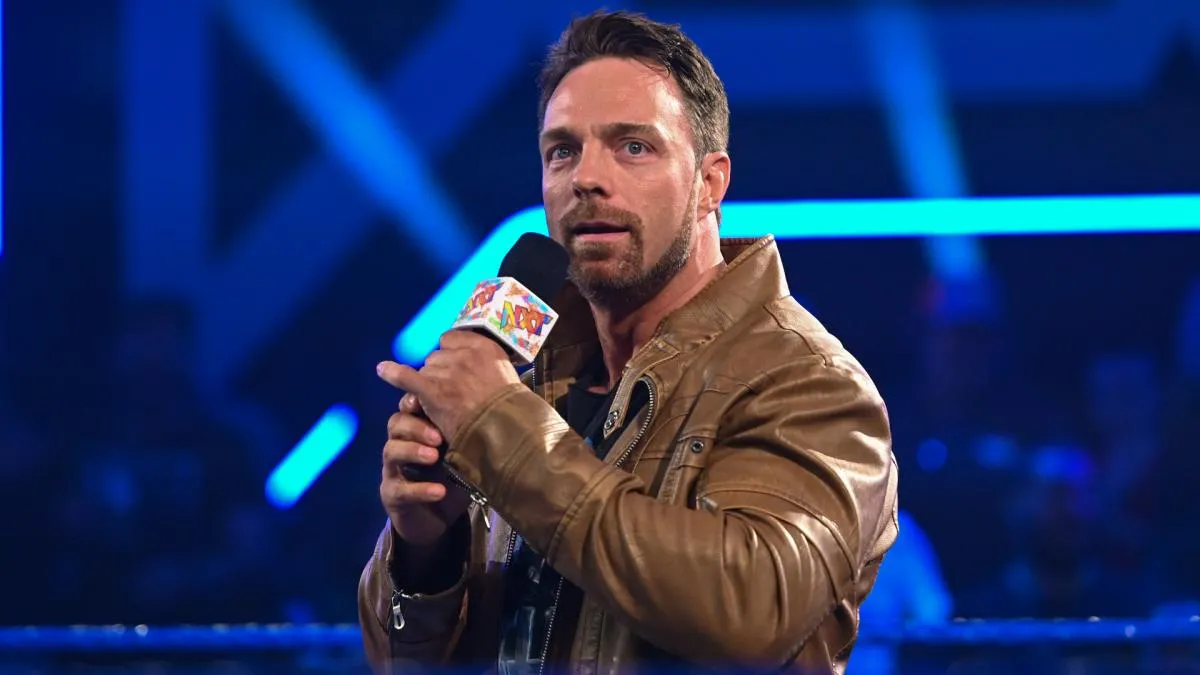
LA Knight’s journey through the wrestling industry represents everything that fans claim to want from their sports entertainers. His commitment to character development, in-ring improvement, and audience engagement has been nothing short of exemplary. Week after week, Knight delivers compelling promos that feel authentic and unscripted, a rarity in an era where many wrestlers struggle to connect with audiences on a genuine level. His ability to generate organic crowd reactions without relying on scripted catchphrases or manufactured moments speaks volumes about his natural charisma and understanding of what makes professional wrestling compelling.
The transformation from his earlier personas to the current LA Knight character showcases a wrestler who refuses to settle for mediocrity. Unlike many of his peers who coast on past success or rely heavily on creative teams to craft their narratives, Knight has actively participated in shaping his character’s evolution. His microphone skills have improved dramatically, his ring psychology has become more sophisticated, and his ability to tell stories through physical performance has reached a level that many veterans never achieve.
The Celebrity Culture Taking Over SummerSlam
While LA Knight continues to grind and perfect his craft, WWE’s biggest premium live events are increasingly dominated by celebrity appearances that overshadow the wrestlers who dedicate their lives to the industry. SummerSlam 2024 perfectly exemplifies this troubling trend, with Cardi B and Jelly Roll receiving prominent placement and extensive promotion despite having no wrestling background or long-term commitment to the industry.
Cardi B’s involvement in WWE programming represents the company’s ongoing obsession with mainstream media attention at the expense of their own talent development. While celebrity appearances can certainly bring temporary viewership spikes and social media buzz, they often come at the cost of meaningful storylines and character progression for full-time wrestlers. The Grammy-winning rapper’s presence at major events generates headlines and trending topics, but it does nothing to elevate the wrestling product or create lasting value for the audience that tunes in week after week.
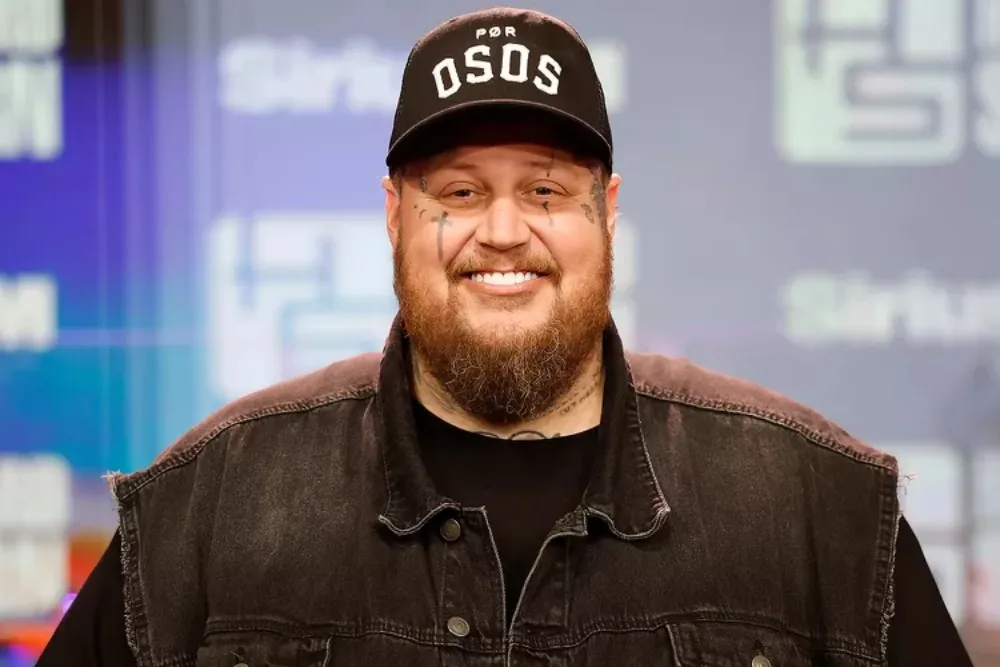
Similarly, Jelly Roll’s integration into WWE programming highlights how the company prioritizes crossover appeal over wrestling excellence. While the country music star brings his own fanbase and cultural relevance, his featured role at SummerSlam represents time and resources that could have been invested in showcasing wrestlers like LA Knight who have earned their spot through years of dedication and improvement.
This celebrity-centric approach reflects WWE’s broader strategy of chasing mainstream relevance rather than focusing on what made professional wrestling compelling in the first place. The company seems convinced that associating with popular musicians and entertainment figures will somehow legitimize their product, when in reality it often has the opposite effect of making wrestling feel less authentic and more manufactured.
The Economics of Entertainment vs. Wrestling Merit
The preference for celebrity involvement over deserving wrestlers like LA Knight ultimately comes down to economic considerations that reveal uncomfortable truths about modern sports entertainment. WWE’s publicly traded status and focus on quarterly earnings has fundamentally altered how the company evaluates talent and allocates resources. Celebrity appearances generate immediate media coverage, social media engagement, and mainstream attention that can be easily quantified and presented to shareholders as evidence of growth and relevance.
LA Knight’s value, while undeniable to wrestling fans and industry insiders, is harder to measure in terms that satisfy corporate executives and Wall Street analysts. His consistent crowd reactions, merchandise sales potential, and long-term storytelling capabilities represent assets that develop over time rather than generating immediate returns. In a business environment that prioritizes short-term gains and quarterly performance metrics, the patient development of wrestling talent often takes a backseat to flashy celebrity partnerships.
The advertising and sponsorship opportunities that come with celebrity involvement create additional revenue streams that pure wrestling content cannot match. When Cardi B appears at a WWE event, it opens doors to fashion partnerships, music industry collaborations, and cross-promotional opportunities that extend far beyond the wrestling audience. These business relationships can be worth millions of dollars and provide the kind of diversified revenue that modern entertainment companies desperately need.
However, this financial logic ignores the long-term costs of neglecting homegrown talent like LA Knight. While celebrity appearances may generate immediate buzz, they do nothing to build the next generation of wrestling stars who will carry the company forward. The brand loyalty and emotional investment that fans develop with wrestlers who earn their success through hard work cannot be replicated through celebrity cameos, no matter how well-executed or heavily promoted.
The Impact on Wrestling Culture and Fan Investment
LA Knight’s situation represents a microcosm of larger issues plaguing professional wrestling’s relationship with its core audience. Longtime fans who have invested emotional energy and financial resources in following wrestling are increasingly frustrated by the company’s apparent disregard for wrestling merit in favor of celebrity spectacle. This frustration extends beyond individual cases to represent a fundamental disconnect between what wrestling fans value and what WWE executives believe will drive business success.
The work ethic that LA Knight demonstrates on a daily basis used to be the primary pathway to success in professional wrestling. Wrestlers who improved their promo skills, ring work, and character development could reasonably expect that dedication to translate into bigger opportunities and more prominent positioning. Today’s landscape suggests that social media followers, mainstream recognition, and crossover appeal matter more than traditional wrestling virtues.
This shift has created a two-tier system where wrestlers are essentially competing in different leagues based on their celebrity status rather than their wrestling abilities. Full-time wrestlers like LA Knight find themselves fighting for scraps of attention and opportunity while part-time celebrities receive red-carpet treatment and premium positioning simply by virtue of their fame in other industries.
The psychological impact on the wrestling roster cannot be understated. When wrestlers see that years of dedication and continuous improvement matter less than having a hit song or popular Instagram account, it fundamentally alters the culture of competition and excellence that has historically driven the industry forward. Young wrestlers entering the business may begin to question whether focusing on wrestling skills is worth the investment when celebrity connections appear to be a more reliable path to success.
The Long-term Consequences for Wrestling Excellence
WWE’s prioritization of celebrity involvement over wrestlers like LA Knight sets dangerous precedents for the future of professional wrestling. The message being sent to the entire roster is that wrestling ability, character work, and fan connection are secondary considerations to mainstream recognition and social media influence. This philosophy threatens to undermine the very foundations that have made professional wrestling a unique and compelling form of entertainment.
The artistic integrity of wrestling storytelling suffers when celebrity appearances take precedence over organic character development and meaningful rivalries. LA Knight’s natural charisma and ability to generate authentic emotional responses from audiences represent the kind of rare talent that should be nurtured and showcased at the highest levels. Instead, these qualities are overshadowed by manufactured celebrity moments that feel disconnected from wrestling’s core appeal.
Future generations of wrestling fans may never experience the satisfaction of watching wrestlers earn their success through dedication and improvement if the current trend continues. The emotional investment that comes from following a wrestler’s journey from developmental territory to main event status cannot be replicated through celebrity cameos, no matter how expertly produced or heavily promoted.
The competitive spirit that has always driven wrestling excellence becomes meaningless when success is determined by factors outside the wrestling world. LA Knight’s work ethic should serve as an inspiration to younger wrestlers and a model for how to succeed in the industry, but its apparent irrelevance in today’s landscape sends the opposite message about what actually matters in professional wrestling.
Conclusion: A Crossroads for Sports Entertainment
LA Knight’s situation perfectly encapsulates the tension between wrestling tradition and modern entertainment business practices. His undeniable talent, consistent improvement, and genuine connection with audiences represent everything that should matter in professional wrestling, yet these qualities seem to carry less weight than celebrity recognition and mainstream media attention.
The choice between featuring dedicated wrestlers like LA Knight and celebrity guests like Cardi B and Jelly Roll ultimately reflects WWE’s vision for its future direction. While celebrity involvement may provide short-term business benefits and media coverage, it comes at the cost of developing the wrestling stars who will define the industry for years to come.
Professional wrestling has always been at its best when it celebrates the unique combination of athletic ability, storytelling prowess, and charismatic performance that wrestlers like LA Knight embody. The industry’s current trajectory suggests a fundamental misunderstanding of what makes wrestling special and sustainable as an entertainment form.
Whether WWE recognizes the value of wrestlers like LA Knight before it’s too late will determine not just the fate of individual careers, but the long-term health and cultural significance of professional wrestling itself. The choice between authentic wrestling excellence and manufactured celebrity spectacle will define the industry’s legacy for future generations.
Related News