







She Didn’t Just Break the Rules — Stephanie McMahon Rewrote Wrestling for Every Woman Who Dared to Dream
The Princess Who Refused the Crown
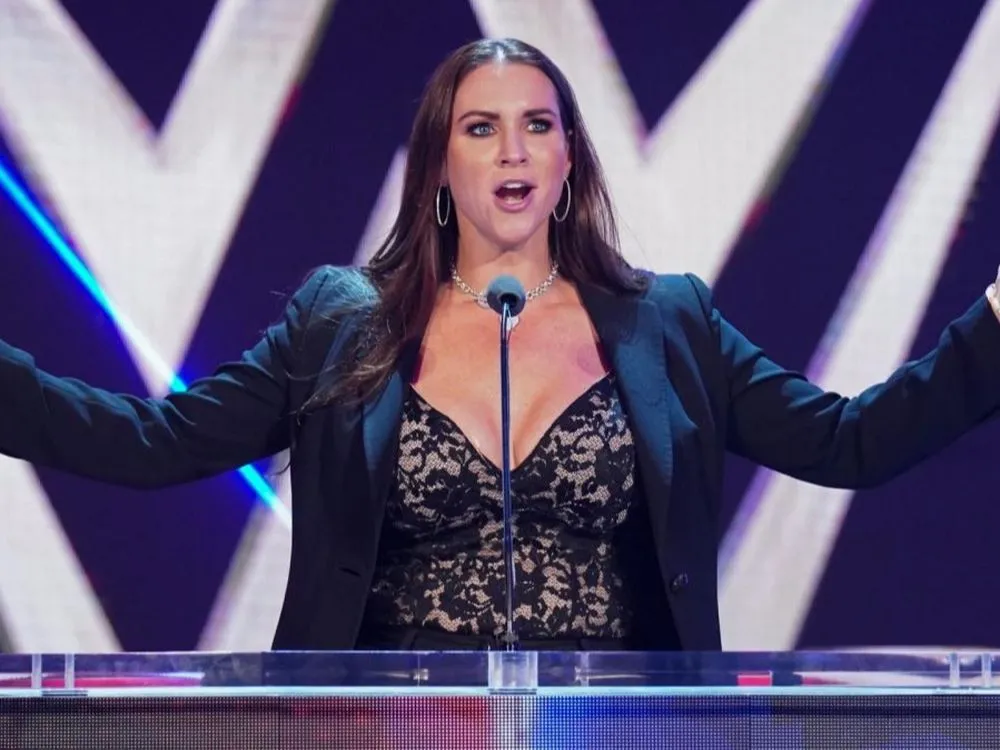
In the male-dominated world of professional wrestling, where testosterone-fueled storylines and masculine power plays have traditionally ruled supreme, one woman didn’t just challenge the status quo—she completely transformed the landscape of sports entertainment. Stephanie McMahon, daughter of WWE Chairman Vince McMahon, could have easily settled into a comfortable background role, content with her family legacy and the security that came with it. Instead, she chose to forge her own path, becoming one of the most influential female executives in the history of professional wrestling and entertainment.
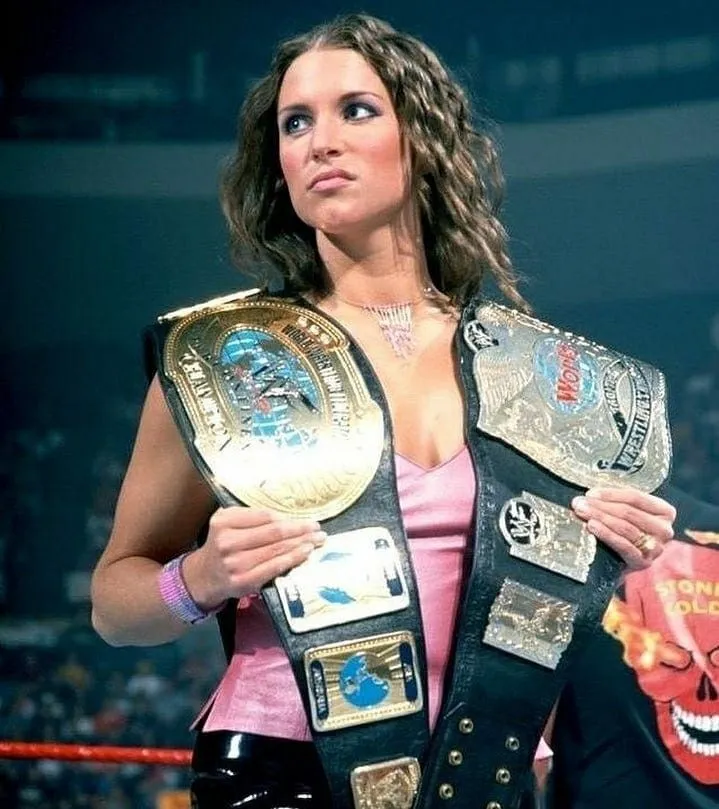
Growing up in the McMahon household meant living and breathing the wrestling business from an early age. While other children played with dolls and action figures, Stephanie was backstage at WWE events, watching her father orchestrate the complex machinery of sports entertainment. This early exposure to the business world gave her a unique perspective that would later prove invaluable. She understood the industry not just as an observer, but as someone who had witnessed its evolution firsthand. The wrestling industry was her playground, her classroom, and eventually, her stage for revolutionary change.
Breaking Barriers in the Boardroom
When Stephanie McMahon stepped into her executive role at WWE, the corporate landscape of professional wrestling was overwhelmingly male. The idea of a woman holding significant decision-making power in what was essentially a testosterone-driven entertainment empire seemed almost revolutionary. But Stephanie didn’t just want a seat at the table—she wanted to redesign the entire dining room. Her approach to business combined the theatrical flair of wrestling with sharp business acumen, creating a unique leadership style that would influence the industry for decades to come.
Her business philosophy centered around the belief that wrestling could be more than just entertainment for a narrow demographic. She envisioned a future where the product could appeal to families, where storylines could be sophisticated without losing their edge, and where female talent could be showcased as legitimate athletes rather than mere accessories to male storylines. This vision wasn’t just progressive—it was revolutionary in an industry that had been built on very different foundations.
The corporate culture at WWE began to shift under her influence. She championed initiatives that prioritized diversity and inclusion, not just as corporate buzzwords, but as genuine business strategies that would expand WWE’s reach and relevance. Her understanding that the audience for professional wrestling was evolving helped position the company ahead of broader cultural shifts that would eventually demand more inclusive entertainment.
The Women’s Evolution Revolution
Perhaps no single contribution to professional wrestling has been as transformative as Stephanie McMahon’s role in spearheading what became known as the Women’s Evolution. This wasn’t simply about giving female wrestlers more television time or prettier costumes—it was about fundamentally changing how women were portrayed, promoted, and perceived within the wrestling industry.
Under her guidance, WWE began treating female wrestlers as legitimate athletes deserving of the same respect, storyline complexity, and championship opportunities as their male counterparts. The Women’s Evolution meant that female talent could main event pay-per-view shows, engage in brutal stipulation matches, and be presented as the focal point of programming rather than intermission entertainment. This shift required changing not just creative direction, but the entire organizational mindset about what women could accomplish in the squared circle.
The impact extended far beyond WWE’s roster. Female wrestlers around the world suddenly had new aspirations and possibilities. Independent promotions began investing more heavily in their women’s divisions, other major wrestling companies started reevaluating their own approaches to female talent, and young girls watching at home could see themselves potentially becoming the main event rather than just supporting players.
Pioneering Corporate Innovation
Stephanie’s influence on WWE extended far beyond storylines and character development into the realm of corporate innovation and strategic business development. She understood that the wrestling industry needed to evolve with changing media landscapes, shifting audience expectations, and new technological possibilities. Her forward-thinking approach helped WWE transition from a traditional wrestling promotion into a comprehensive entertainment company.
Her work in developing strategic partnerships with major corporations, her involvement in WWE’s expansion into digital media platforms, and her role in securing lucrative television deals demonstrated that she possessed business acumen that extended far beyond the wrestling world. She helped WWE navigate the transition from the attitude era into a more corporate-friendly environment without sacrificing the edge that made professional wrestling compelling.
The brand development strategies she championed helped WWE become a globally recognized entertainment brand rather than just a wrestling company. This transformation opened doors for cross-promotional opportunities, mainstream media appearances, and business ventures that would have seemed impossible in earlier eras of professional wrestling.
Challenging Industry Stereotypes
Throughout her career, Stephanie McMahon faced the constant challenge of proving herself in an industry where women executives were rare and often dismissed. The professional wrestling world had long operated on certain assumptions about gender roles, both in front of and behind the cameras. Breaking through these preconceptions required not just talent and determination, but a willingness to consistently exceed expectations and redefine what was possible.
Her approach to dealing with industry skepticism was never to minimize her femininity or try to fit into existing male-dominated models of leadership. Instead, she embraced her unique perspective and demonstrated how different approaches to business and creative development could yield superior results. This authenticity became one of her greatest strengths, showing other women in the industry that success didn’t require abandoning their identity.
The mentorship opportunities she created for other women in the wrestling business helped establish pathways for future female executives, wrestlers, and creative personnel. Her success opened doors that had previously seemed permanently closed, creating ripple effects throughout the industry that continue to influence hiring practices and promotional opportunities.
Legacy of Transformation
The transformative impact of Stephanie McMahon’s career in professional wrestling cannot be overstated. She didn’t simply break glass ceilings—she reconstructed the entire architecture of what was possible for women in sports entertainment. Her influence extends beyond WWE into the broader landscape of professional wrestling worldwide, where promotions now recognize that female talent and women’s storylines are essential components of successful programming.
Her legacy includes not just the specific changes she implemented, but the cultural shift she helped create within an industry that had been resistant to change for decades. The young women entering the wrestling business today inherit opportunities that simply didn’t exist before her influence began reshaping the landscape. They can aspire to main event status, executive positions, and creative control over their own destinies in ways that previous generations could hardly imagine.
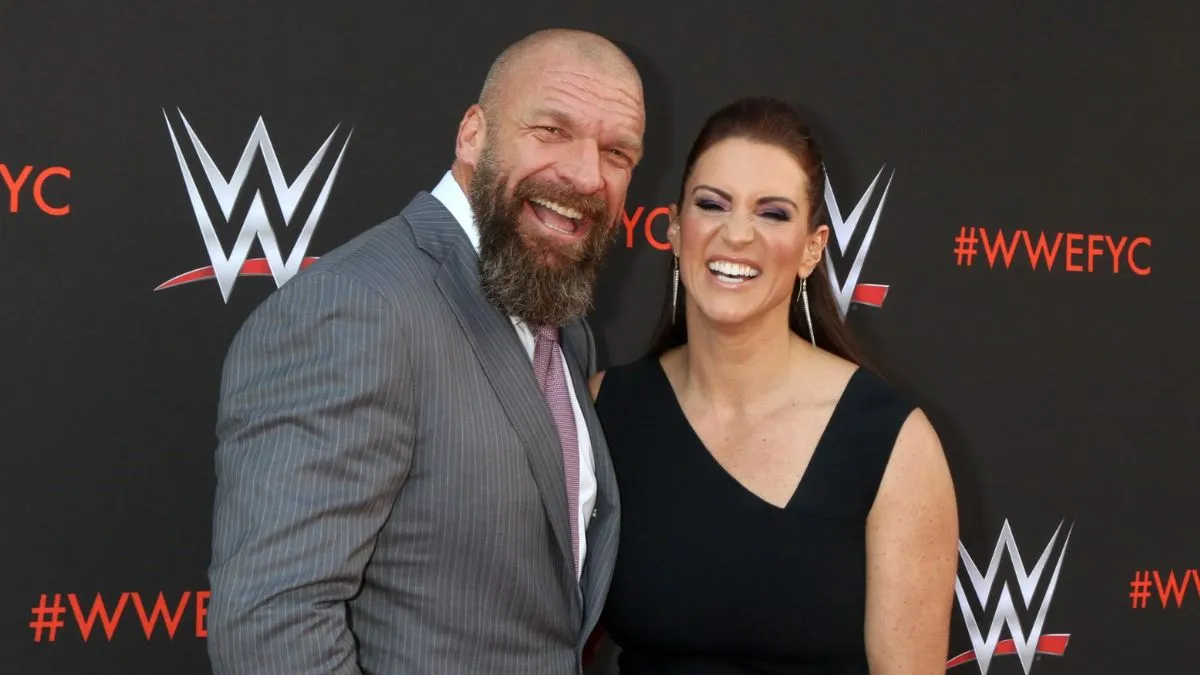
The ripple effects of her work continue to spread throughout the entertainment industry, demonstrating that authentic representation and inclusive leadership aren’t just moral imperatives—they’re smart business strategies that expand audiences, create new revenue streams, and ensure long-term sustainability in competitive markets.
Continuing the Revolution
Today, as the wrestling industry continues to evolve, Stephanie McMahon’s pioneering work serves as both inspiration and blueprint for continued progress. The foundations she helped establish have created a platform from which future innovations can launch. Her approach to business development, talent cultivation, and creative storytelling has become a model that extends far beyond professional wrestling into other areas of sports and entertainment.
The next generation of female wrestlers, executives, and creative professionals benefit from the pathways she helped create, but they also inherit the responsibility to continue pushing boundaries and expanding possibilities. The revolution she helped start is far from complete, but the framework for continued progress is now firmly in place.
Her story proves that breaking rules isn’t enough—sometimes you have to rewrite them entirely. For every woman who dares to dream of success in traditionally male-dominated fields, Stephanie McMahon’s career demonstrates that with vision, determination, and strategic thinking, it’s possible to not just succeed, but to transform entire industries in the process.
Related News