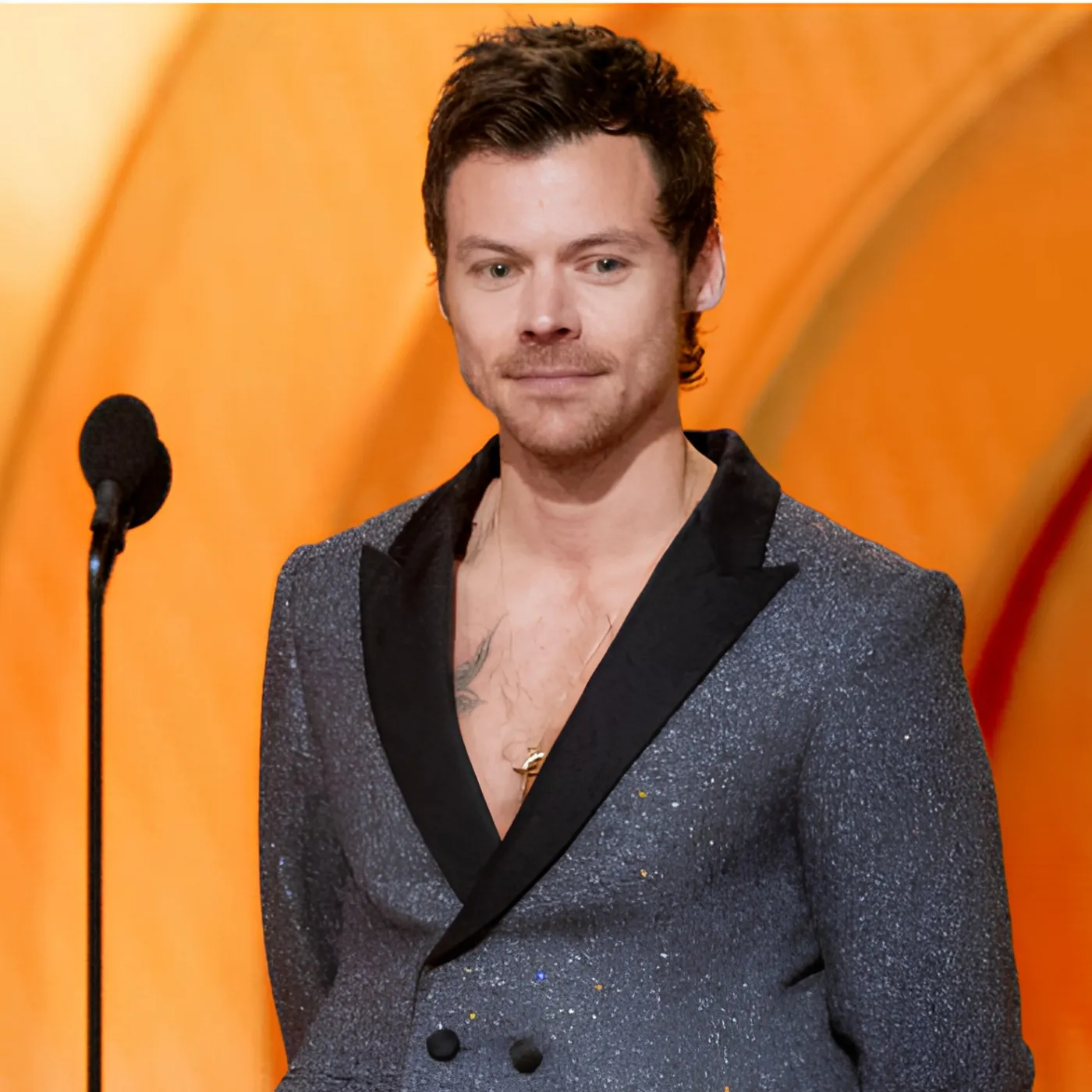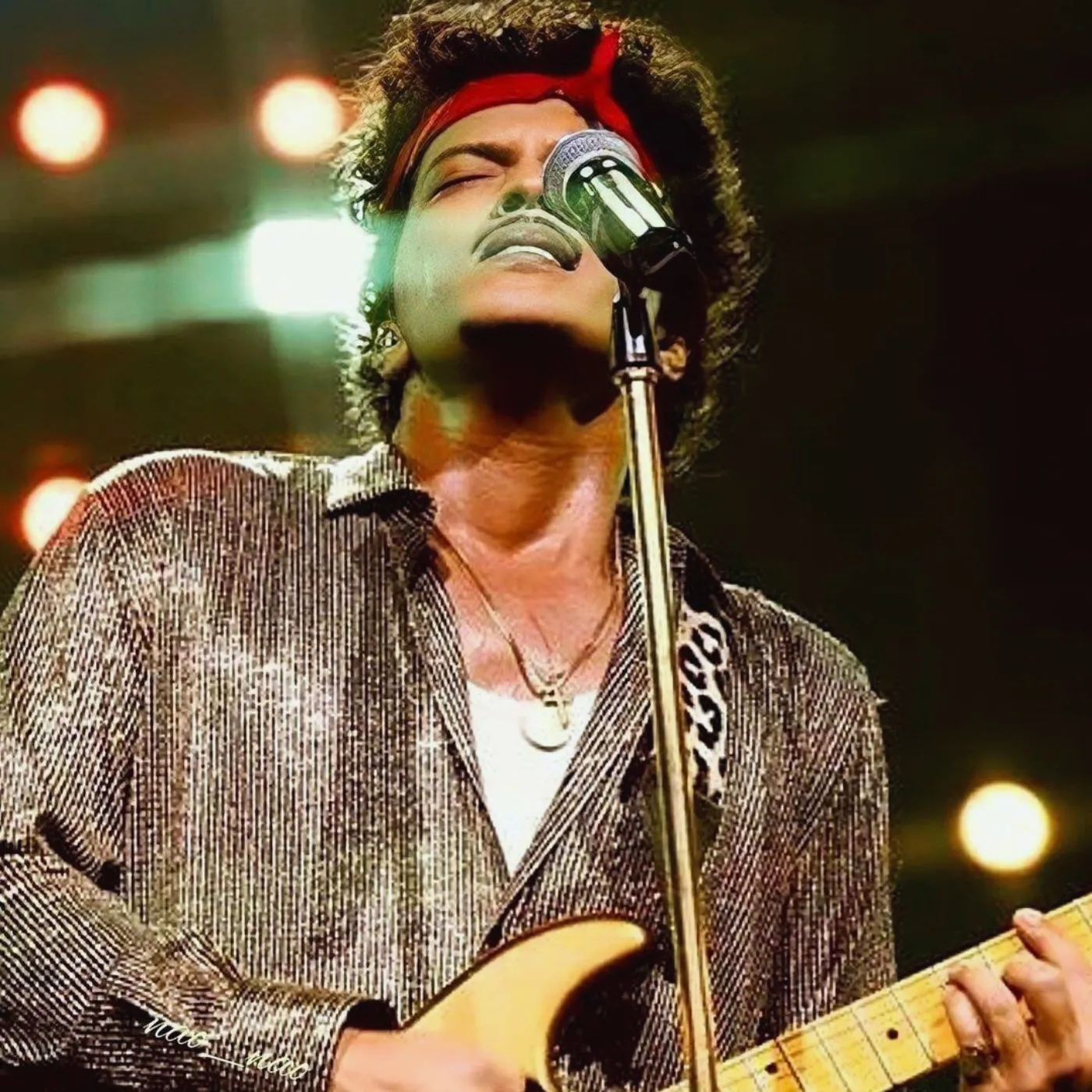
Bruno Mars Isn’t a Genre, He’s a Threat to the Music Industry Norms
When people ask, “What genre is Bruno Mars?”, they’re missing the point. Bruno Mars isn’t a genre. He’s all of them. And that terrifies an industry built on boxes, boundaries, and predictable playlists.
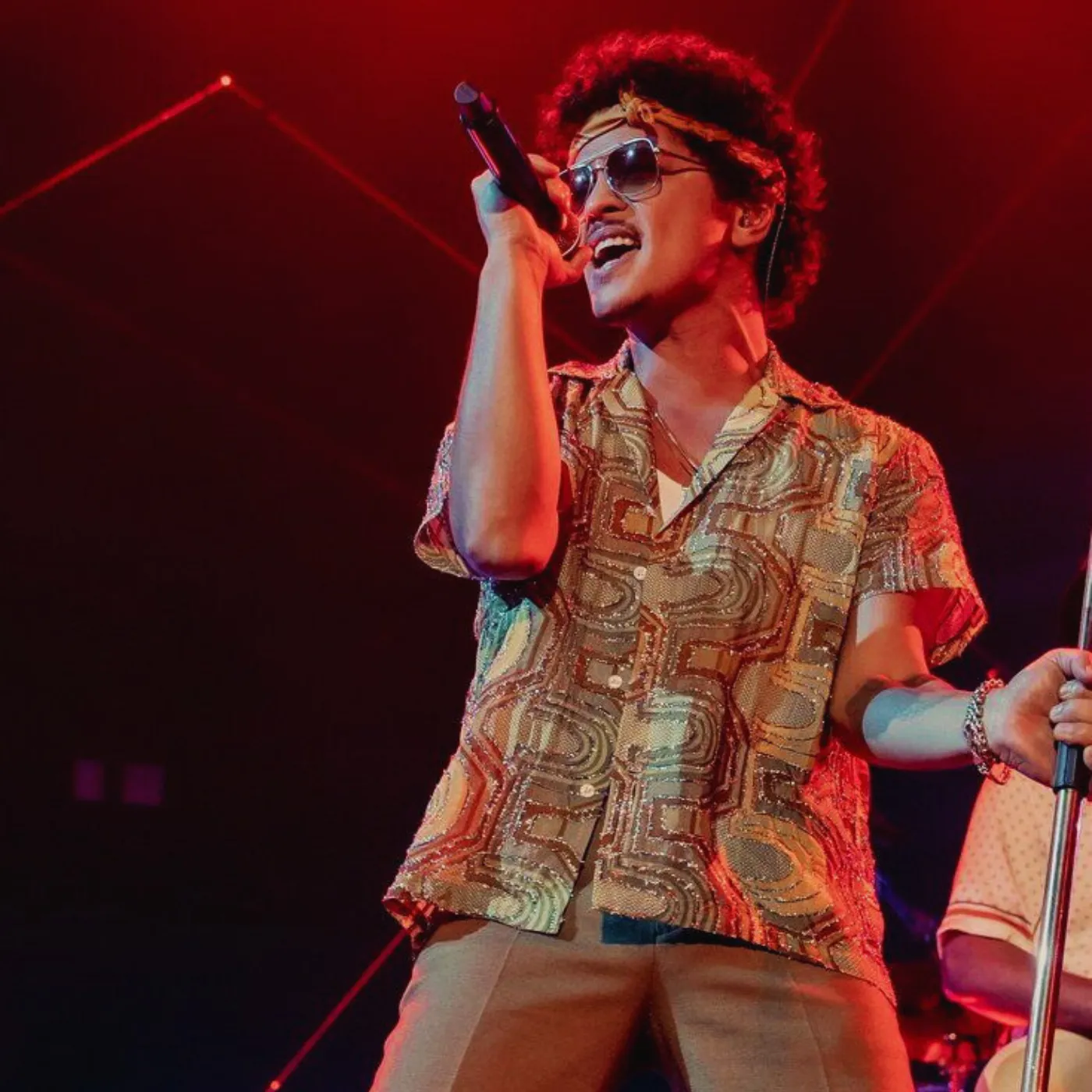
From the moment he moonwalked onto the scene with “Just the Way You Are,” it was clear: Bruno Mars didn’t come to play by anyone else’s rules. He came to burn the rulebook. And now, over a decade later, the question isn’t what Bruno Mars is—the question is how long the music business can keep up with him.
The Shape-Shifter: From Doo-Wop to Funk to Hip-Hop
If you listen closely, Bruno Mars has never repeated himself.
Pop ballads? He gave you “Grenade.”
Retro funk? “Uptown Funk” broke the internet.
Disco-soul? “24K Magic” didn’t just revive the genre—it dominated it.
Hip-hop swagger with Anderson. Paak? Enter Silk Sonic, a Grammy-sweeping project that felt like a time machine dressed in velvet.
Every era of Bruno’s career has felt like a reinvention, not a rehash. While most artists carve out a lane and stick to it, Bruno paves a whole new highway every time he drops an album.
The industry doesn’t know what to call him. And that’s exactly the problem—and the power—of a genreless genius.
Why the Industry Needs Labels—and Why Bruno Breaks Them
Genres are safe.
They give Spotify algorithms something to cling to. They make award show categories easier to file. They help streaming platforms know which playlist to drop you into.
But Bruno Mars is a walking contradiction to the entire system. One day he’s doing James Brown footwork. The next, he’s singing harmonies that would make theBruno Mars Isn’t a Genre, He’s a Threat to the Music Industry Norms Bee Gees jealous. Then suddenly he’s on a rap feature—and none of it feels forced.
And when you’re that unpredictable? You’re dangerous. Not to the fans—they love it. But to the execs, marketers, and playlisters who want their artists tidy, branded, and algorithm-friendly.
The Numbers Don’t Lie—But the Labels Do
Bruno Mars is one of the best-selling artists of the 21st century, with over 130 million records sold worldwide. He’s got 15 Grammy Awards, and he’s the only artist in history to have five Diamond-certified singles.
Yet ask ten critics to describe his genre, and you’ll get ten different answers:
R&B. Pop. Funk. Soul. New. Jack Swing. Hip-hop. Disco. Doo-wop. Rock.
So what is he?
He’s whatever the song demands. And that’s the kind of freedom most artists dream of but rarely achieve—because they’re told not to.
Bruno didn’t just break the mold. He melted it down and crafted a crown.
The System Hates What It Can’t Control
Let’s be honest: The music industry isn’t built to celebrate versatility. It’s built to exploit consistency.
When Bruno Mars doesn’t stick to one genre, he becomes harder to package. Harder to sell in a neat narrative. Harder to predict.
But fans don’t want predictable.
They want fire. Emotion. Surprise. And Bruno delivers—every single time.
That’s why he sells out arenas in every country he visits. That’s why people of every age group know at least one of his songs by heart. That’s why TikTok trends still explode over 10-year-old Bruno Mars tracks.
He’s not viral. He’s timeless.
Silk Sonic Was the Warning Shot
In 2021, when Bruno Mars and Anderson .Paak dropped their collaborative project Silk Sonic, the music world didn’t just listen—it bowed.
“Leave the Door Open” wasn’t a song. It was a statement.
The duo didn’t care about modern trends. They dressed like 1976. They sounded like a lost Earth, Wind & Fire B-side. And they topped every chart anyway.
Why? Because Bruno isn’t chasing the sound of now.
He’s reviving the sounds you forgot you loved—and making them hotter than ever.
The message was clear: If Bruno can jump backward 50 years and still win Album of the Year, nothing is off-limits.
And that scares a system addicted to trends.
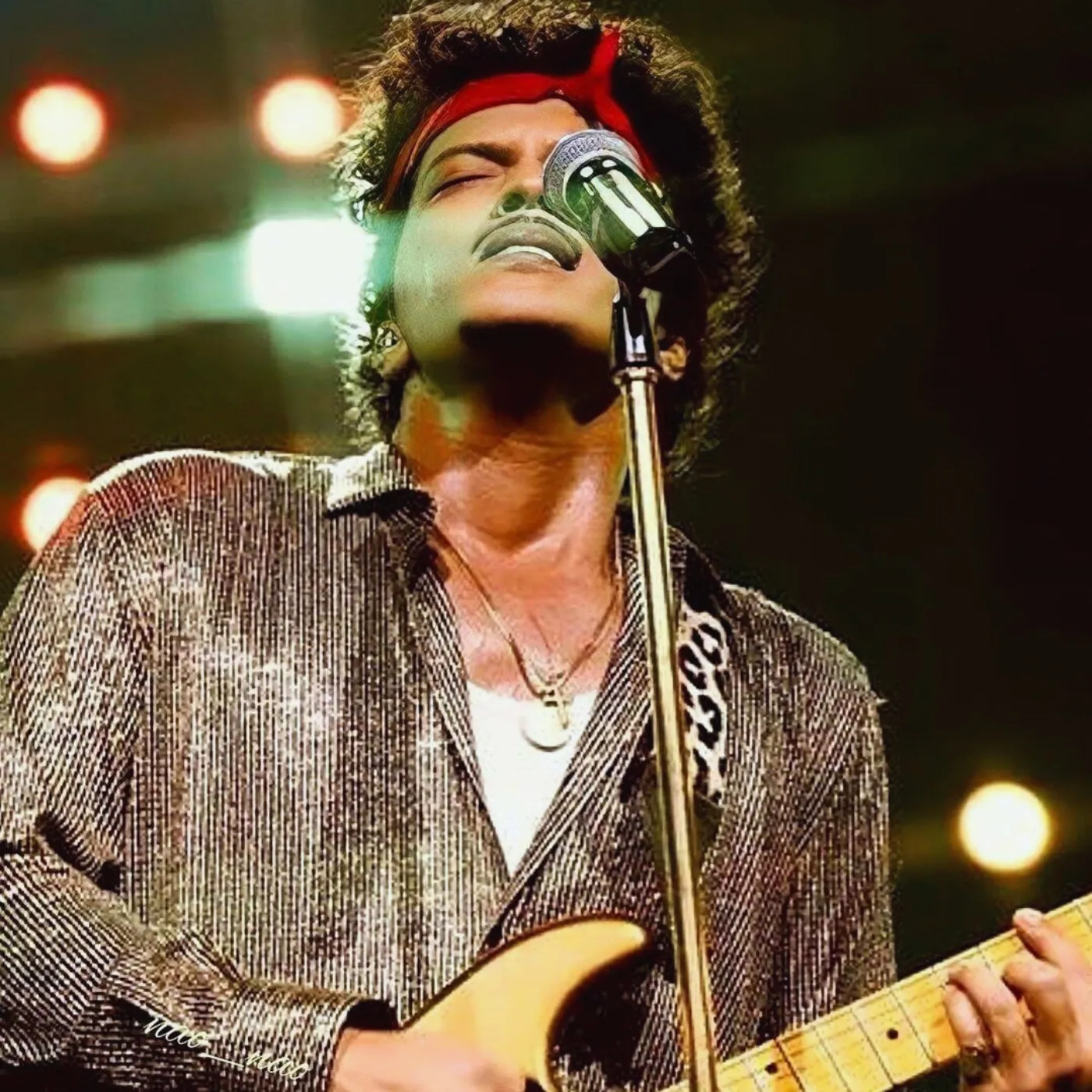
Jessica Caban and the Personal Power Behind the Art
One of the quieter yet ever-present threads in Bruno’s story is Jessica Caban—his longtime partner, model, and creative muse.
Though the two have kept their relationship mostly off the radar, fans know how deeply Caban’s presence has grounded Bruno. From emotional ballads to romantic visuals, she’s often the invisible heartbeat behind his boldest creative choices.
In an industry full of scandals, Bruno and Jessica’s low-key, decade-long relationship has become a symbol of quiet power. And while rumors of a rekindling often stir curiosity, the truth is simpler:
Jessica has been part of the Bruno Mars brand—not through drama, but through consistency.
Their story echoes Bruno’s music career: Not loud. Not flashy. Just real, intentional, and unapologetically him.
The Real Question Isn’t “What Genre Is Bruno Mars?” —It’s “Who Else Can Even Do This?”
There’s a reason Bruno Mars doesn’t drop albums like clockwork. He doesn’t have to.
When your sound becomes a signature across decades, and your presence alone can resuscitate entire music categories, you’re not on the release calendar—you are the moment.
Most artists ride waves. Bruno makes the ocean.
So while fans debate whether he’s R&B, pop, funk, soul, or something else entirely, the truth is painfully simple: he’s all of it and more.
He’s not gender-fluid. He’s genre-irrelevant.
He’s the glitch in the matrix.
The artist that refuses to be boxed, branded, or benchmarked.
He doesn’t fit the industry mold. He cracks it, melts it down, and crafts something shinier with his bare hands.
And that, more than anything, is why Bruno Mars is still here—thriving, redefining, and outshining—while others vanish after a single trend cycle.
Bruno Mars: The Last Great Performer?
In a world overrun by algorithmic sameness, Bruno is chaos in a velvet suit.
He doesn’t chase TikTok virality or Spotify placements. His songs chart because they’re inescapable—not because they’re engineered to be.
He’s got more than just hits—he’s got heirlooms.
“Uptown Funk,” “24K Magic,” “Locked Out of Heaven,” “Just the Way You “Are”—these tracks aren’t flash-in-the-pan moments. They’re cultural reference points.
Try naming a genre-defining moment in the last 15 years that Bruno Mars didn’t touch. Good luck.
Where others experiment, Bruno excavates.
He digs up buried sounds—70s soul, 80s synth-funk, and 90s slow jam R&B—and revives them with a swagger so confident it feels futuristic.
That’s not nostalgia. That’s domination.
He Doesn’t Drop Music Often—Because He Doesn’t Need To
While the average pop star drops two EPs and five remixes a year to stay afloat, Bruno Mars disappears for years… and then casually walks back in with a track that breaks the internet.
He doesn’t flood the timeline. He owns it.
He doesn’t chase streams. He causes them.
When “Leave The Door Open” dropped, it didn’t just go viral—it reshaped the entire sonic landscape. Suddenly, retro soul was trending. Every artist scrambled to bring back the groove.
But they weren’t bringing it back. Bruno never let it die.
He resurrects. He curates. He leads.
And the music world?
It follows—limping two years behind in gold-plated shoes that don’t quite fit.
What Even Is a Bruno Mars Song?
That’s the trick. It’s not a sound; it’s a feeling.
A Bruno Mars song is confidence distilled into melody.
It’s heartbreak, joy, swagger, soul, and fireworks—all within three minutes.
Is it Pop?
Is it funk?
Is it doo-wop?
Is it Motown revivalist magic?
Yes.
And also no.
Because while the rest of the industry tries to reinvent the wheel, Bruno rides a lowrider made of solid gold and Motown vinyl straight through the walls of every category.
He’s the genre.
Everyone else is still auditioning.
The Industry’s Genre Problem—And Why Bruno Dismantles It
The music industry thrives on labels.
Not just record labels, but boxes—R&B, Alternative, Pop, and Urban (a term that Bruno himself criticized).
These categories make streaming easier. They make charts easier. They make marketing easier.
But what happens when the artist defies every label you try to slap on him?
You get the Bruno Mars dilemma.
And that’s a beautiful problem to have.
The streaming era demands predictability. Bruno offers none.
The radio era demanded mass appeal. Bruno invents it.
Award shows require categories. Bruno shatters them—and still takes home the trophy.
Multiple Grammys. Multi-platinum albums. Sold-out arenas. Zero genre loyalty.
And yet, he’s more consistent than anyone else in the game.
Comparison Kills—But Bruno Renders It Useless
Sure, people try to compare.
They’ll mention Justin Timberlake’s runs, The Weeknd’s darkness, or even Prince’s aura.
But none of them merge eras, race, genre, and groove the way Bruno does.
He’s not trying to be anyone. He’s simply doing what no one else dares to attempt:
Being excellent at everything.
In an era where artists are pressured to have “a lane,” Bruno is driving the whole highway.
And he’s doing it in a drop-top with Anderson. Paak in the passenger seat and James Brown blasting from the speakers.

The Final Take
So what genre is Bruno Mars?
He’s the genre.
He’s the gold standard in an industry addicted to grayscale.
He doesn’t ride trends—he precedes them.
He doesn’t cater to labels—he breaks them.
Bruno Mars isn’t part of the system. He’s the exception the system refuses to admit exists.
Until the rest of the industry learns to catch up, he’ll keep dancing around them—in tailored suits, with diamond microphones, and with that signature smirk that says,
“You still don’t get it, do you?”
And we don’t.
Not fully.
But that’s okay.
Because greatness doesn’t need to be understood.
It just needs to be witnessed.