Nicki Minaj Caught in the Crossfire? Nessa Nessa Diab Publicly Calls Out JAY-Z for Alleged Moves Against the Queen of Rap
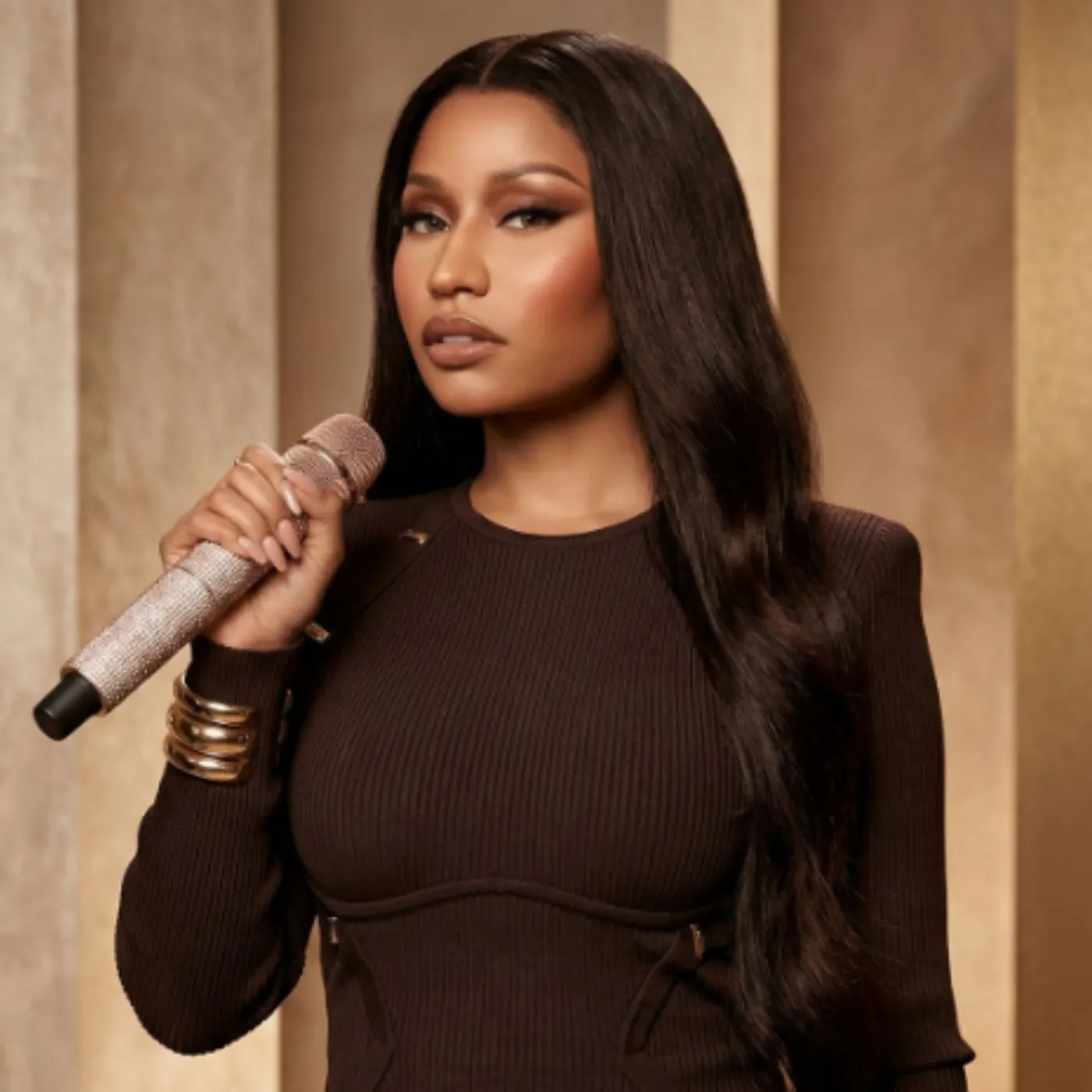
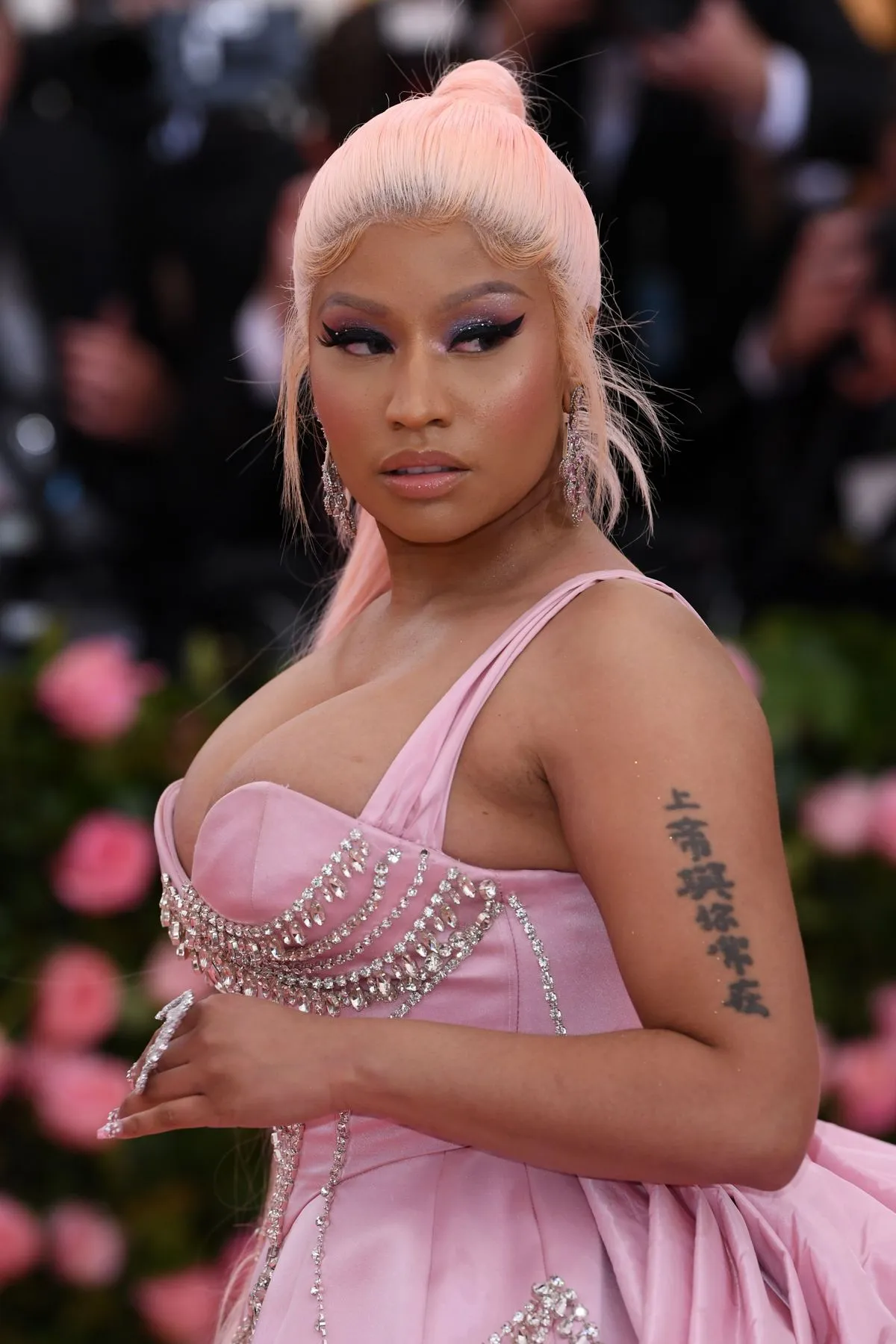
The world of hip-hop and celebrity culture has never been short of drama, power dynamics, and behind-the-scenes maneuvering. But in an unexpected twist that has caught fans, artists, and industry insiders off guard, Nessa Diab, a respected radio host and activist, has now stepped into the fray. Her recent remarks targeting JAY-Z—one of the most powerful figures in the music business—have raised serious eyebrows and ignited heated discussions across social media platforms. At the center of this unfolding storm is none other than Nicki Minaj, often referred to as the Queen of Rap, whose career and reputation have come under intensified scrutiny in recent years.
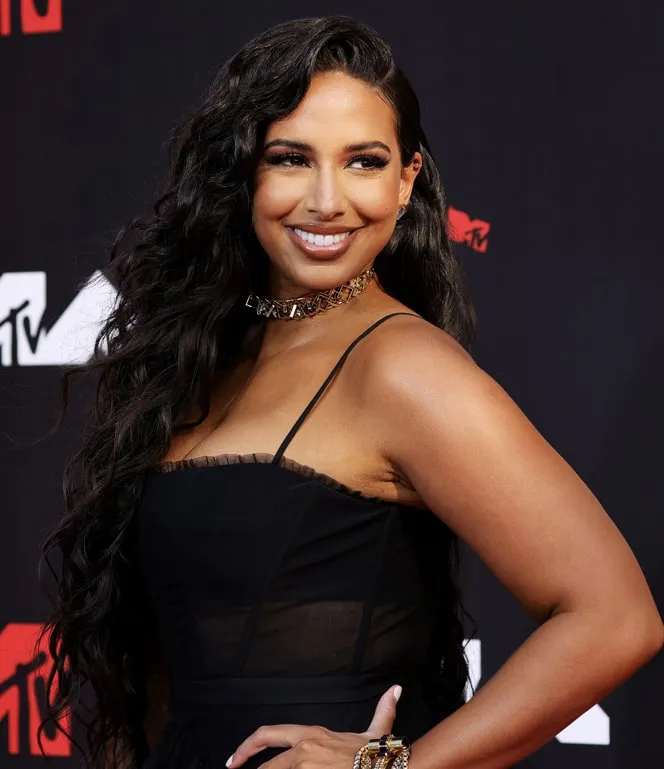
What started as a seemingly cryptic tweet from Nessa has snowballed into a larger conversation about power, favoritism, and the silent wars being waged within the highest echelons of the music industry. And if her words are to be taken seriously, then Nicki Minaj might not just be a bystander—but a deliberate target in a calculated campaign allegedly orchestrated by one of hip-hop’s most revered moguls.
Nessa Diab Breaks Her Silence: A Message Loaded with Implications
Nessa Diab, known to many as the long-time host of Hot 97’s primetime radio show and partner to activist-athlete Colin Kaepernick, is not someone who typically engages in industry gossip. Her platform has historically centered around social justice, activism, and giving underrepresented voices a place to be heard. That’s what made her sudden involvement in this latest controversy all the more shocking.
In a tweet that has now been shared tens of thousands of times, Nessa wrote: “It’s wild how the people screaming ‘Black Excellence’ the loudest be the same ones blackballing Black women in real life. Protect Nicki Minaj at all costs.” She didn’t mention JAY-Z by name in that post—but in a follow-up message, she made things clearer: “You can build a billion-dollar empire and still be petty. You don’t gotta crush every woman who doesn’t fall in line. We see you, Shawn.”
Referring to JAY-Z by his birth name—Shawn Carter—Nessa all but confirmed the target of her frustration. The implications were unmistakable: someone with immense power in the music world, someone who built a business empire under the banner of Black excellence, was allegedly undermining Nicki Minaj. And according to Nessa, this wasn’t an isolated act—it was a pattern.
The Power Struggle: Roc Nation, Tidal, and the Rise of Industry Politics
To understand the weight of Nessa’s accusation, it’s essential to recognize just how influential JAY-Z has become—not just as a rapper, but as a cultural architect, business mogul, and gatekeeper in the music world. His label Roc Nation, which manages an impressive roster of artists, athletes, and entertainers, also has its tentacles in streaming (via Tidal), live events, film, and social justice initiatives.
Over the past decade, JAY-Z has transformed from an artist to an institution. That comes with immense power—and with power, comes influence over narratives, opportunities, and visibility. Artists who align with him—either through Roc Nation management or strategic partnerships—often experience boosts in media coverage, award recognition, and promotional opportunities. On the flip side, those who exist outside that circle—or worse, refuse to play by its rules—can find themselves increasingly marginalized.
That’s the context in which Nicki Minaj’s recent career turbulence must be examined. While she remains a dominant force in hip-hop with legions of loyal fans, critics have noted a noticeable decline in the level of mainstream support she receives, particularly from award shows, streaming platforms, and even some media outlets.
Could this be a coincidence? Or, as Nessa implies, could it be the result of systemic sabotage?
Nicki Minaj vs. the Establishment: A Career Under Siege?
For many of her fans—lovingly known as the Barbz—the idea that Nicki Minaj is being targeted is not new. They’ve long pointed to what they see as double standards, media bias, and a selective rewriting of hip-hop history that often overlooks or diminishes her contributions.
Indeed, Nicki Minaj was one of the first women in hip-hop to consistently go platinum, dominate Billboard charts, and hold her own against male rap giants. She brought female rap back into the mainstream spotlight during a period when the genre had almost entirely been male-dominated. Despite this, her accolades and recognition—especially from institutions like the Grammys—have lagged behind those of her male peers and even newer female rappers who entered the scene after her.
More controversially, Nicki Minaj has frequently clashed with other artists who are managed or aligned with Roc Nation. Some of those confrontations have played out publicly, through diss tracks or online feuds. But others, fans argue, have been more covert—ranging from negative press to streaming suppression to exclusion from major events.
One particularly glaring example came during the rollout of her 2022 album Queen Radio: Volume 1, which was notably excluded from Apple Music promotions and received only lukewarm support from Spotify. These kinds of omissions matter in today’s streaming-first music economy. Without prime placement or curated support, even top-tier artists can see their reach limited.
The Silence from the Top: JAY-Z’s Calculated Nonresponse
As the internet buzzed with debates and hashtags, one person remained conspicuously silent: JAY-Z. That silence was strategic. Over the years, JAY-Z has perfected the art of staying above public beefs, rarely engaging in the digital mudslinging that many younger artists partake in. Instead, he lets his moves speak for him—through partnerships, business ventures, and subtle shifts in the industry landscape.
Yet for many fans and insiders, that silence now speaks volumes. They see it not as dignified restraint but as a refusal to acknowledge legitimate criticism. After all, if the accusations are baseless, why not address them head-on?
Even more curiously, several of Nicki Minaj’s peers, especially those managed by Roc Nation, have refrained from speaking up. Some see this as a sign of loyalty to JAY-Z; others interpret it as fear—fear of jeopardizing their own careers by siding with someone allegedly being blackballed.
Nessa’s Words Hit a Nerve: Why Her Voice Matters
What makes Nessa Diab’s intervention so significant is her credibility. She’s not an internet troll, a fan page admin, or an aspiring artist trying to gain clout. She’s a respected journalist and activist who has worked with community leaders, organized political campaigns, and stood on the frontlines of national protests. Her decision to speak up carries a different weight—and suggests that this issue is more than just celebrity drama.
It also reflects a larger question being asked within Black communities and feminist spaces: Why are powerful Black women, especially those who are outspoken and unwilling to conform, so often pushed to the margins—even by their own?
Nessa’s decision to name Nicki Minaj as a woman deserving of protection signals a recognition of the systemic forces working against her—and a call for accountability from those in power, even if that includes cultural titans like JAY-Z.
The Bigger Picture: Gender, Power, and Control in Hip-Hop
The music industry, particularly hip-hop, has always been a battleground of egos and alliances. But beneath the glitz, it’s also a space rife with gender politics, power imbalances, and institutional gatekeeping. While male artists are often celebrated for their aggression, confidence, and independence, female artists displaying the same traits are branded as “difficult,” “bitter,” or “problematic.”
Nicki Minaj, with her unapologetic lyrics, assertive personality, and unwavering self-belief, has challenged that narrative from day one. But it’s also likely what made her a target in the eyes of those who benefit from maintaining control over the industry’s hierarchy.
If Nessa’s claims are true, then this isn’t just a story about Nicki Minaj and JAY-Z—it’s about a culture that punishes women for refusing to bow down, and about the mechanisms that silence or erase those who won’t play by the rules.
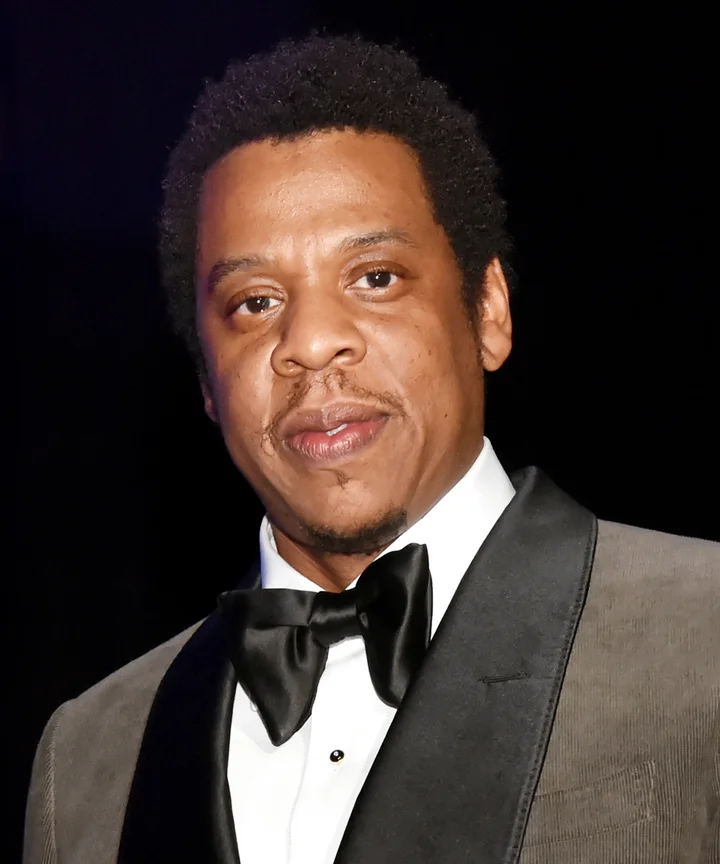
What Comes Next: A Call for Transparency and Change
As public pressure mounts and the conversation spreads, fans are demanding answers. Will JAY-Z respond? Will other artists speak out? And most importantly, will Nicki Minaj finally receive the recognition and support she deserves—not just from fans, but from the industry she helped elevate?
For now, Nicki remains largely silent on the matter, choosing instead to focus on her music, her family, and her fiercely loyal fanbase. But silence doesn’t equal surrender. As the Queen of Rap, she’s weathered storms before—and she’s likely preparing her next move with the same precision that made her a global icon.
In the end, Nessa’s bold stand may be just the beginning of a much-needed reckoning. One that forces the industry to confront its double standards, acknowledge its hidden agendas, and finally give credit where it’s long overdue.
Because if there’s one truth this controversy has made clear, it’s this: Nicki Minaj isn’t just a rapper. She’s a movement—and no amount of gatekeeping can silence that forever.