The Internet Clowned Him but Charlie Puth’s Having the Last Laugh
If you’ve been on social media for even five minutes over the past decade, you’ve probably seen the trajectory of Charlie Puth—sometimes mocked, often underestimated, but now undeniably a mainstay in the pop landscape. It’s a transformation few predicted and even fewer truly understand.

Because behind the slick radio hits and meme-ready eyebrow raises lies one of the most calculated, determined, and polarizing careers in modern pop music. Whether you’re cheering him on or rolling your eyes, one thing is clear: Charlie Puth has learned exactly how to stay relevant in the most competitive industry on earth.
The Early Days: Raw Talent Meets the Internet’s Cruelty
Charlie Puth’s story starts in the world of YouTube, long before TikTok rewrote the rules. A music-school-trained prodigy with perfect pitch, he uploaded polished covers that caught the attention of industry insiders. He seemed, at first, tailor-made for internet stardom.
But if the internet giveth, it also taketh away. After See You Again, his heart-wrenching collaboration with Wiz Khalifa for Furious 7, made him a household name, the backlash was swift and brutal.
Critics mocked his earnest delivery. Memes spread about his emotional performances and high-pitched runs. His stylized eyebrow became its own punchline. Fans debated whether he was a real artist or a label-manufactured product.
That’s the thing about the internet: it doesn’t just forget, but it also never shuts up.
Yet while people were laughing, Charlie Puth was quietly studying them.
The Pivot: Owning the Joke, Controlling the Narrative
What separates Charlie Puth from other overnight sensations is that he didn’t vanish under the weight of viral ridicule. He leaned in.
Instead of ignoring the memes, he started joking about them himself. Interviews got looser. Social media posts got snarkier. He shifted from a wide-eyed industry newbie to a self-aware, sometimes petty, always meme-literate performer who seemed to know exactly what you were saying about him.
It was a calculated transformation that made him, paradoxically, more authentic in the eyes of fans. No longer was he just the earnest balladeer of See You Again. He was the guy who could call out his own awkwardness while still dropping chart-toppers.
This reinvention wasn’t just for show.
Behind the scenes, Charlie Puth was reworking his sound, writing for other artists, and mastering the production tricks that would soon define his own solo work.
Attention and the Birth of a Pop Strategist
In 2017, everything changed with Attention. It wasn’t just a hit—it was a declaration of artistic independence.
Gone was the soft, puppy-eyed crooner. In his place was a sly, salty narrator accusing an ex of wanting only the limelight. The production was tight and minimalist, with that instantly recognizable bassline and polished pop precision.
“You just want attention / You don’t want my heart” became a tagline for anyone who’s ever felt played. It also became Charlie’s breakout moment as a self-produced, self-styled hitmaker who didn’t need industry babysitting.
Attention was more than a single. It was Charlie Puth taking back control of the narrative.
Harnessing Virality Without Being Consumed By It
Part of what makes Charlie Puth fascinating is how he learned to weaponize the very internet culture that once mocked him.
He’s a rare example of an artist who uses social media without letting it devour him. Where some pop stars either retreat entirely or become bland brand ambassadors, Puth strikes a balance.
He teases new tracks in TikTok-friendly snippets. He self-deprecates just enough to seem approachable. He posts unpolished studio clips that show off both his perfect pitch and his sense of humor.
It’s not an accident.
Charlie Puth understands that in the 2020s, pop music isn’t just heard—it’s seen, shared, and memed. He’s leaned into that dynamic without letting it overshadow his songwriting.

The Relentless Perfectionist Behind the Persona
For all the memes, jokes, and casual social posts, Charlie Puth is, by all accounts, obsessively precise.
He’s talked at length about perfect pitch, his near-savant-level ability to hear notes and replicate them instantly. In interviews, he’ll dissect chords and harmonies in real time, pulling back the curtain on the machinery of pop production.
He’s produced for other artists, often in uncredited or low-key capacities. He’s become the go-to guy for that crystalline, radio-ready sound that seems effortless—but is actually the product of meticulous tweaking.
It’s a contradiction that defines him: the jokey internet persona on one side and the studio perfectionist on the other.
And that tension has been key to keeping his audience engaged.
Battles With Image and Industry Expectations
Of course, it hasn’t been all smooth sailing. Even as he’s churned out hits, Charlie Puth has fought constant battles with how he’s perceived.
He’s been called too polished, too calculated, and too safe. Critics question whether his music is emotionally raw or just algorithmically optimized.
In some ways, these criticisms are fair. Puth’s music is unashamedly pop—hook-driven, accessible, and laser-focused on replay value. But that doesn’t make it disposable.
It just makes him smart.
Because while the indie purists sniff, Charlie Puth racks up billions of streams and platinum plaques. He’s not pretending to be the tortured poet. He’s leaning into being the pop architect, and he’s doing it better than most.
The TikTok Renaissance
If Attention was his reinvention moment, TikTok was his second wind.
Charlie Puth embraced TikTok early and with gusto. He didn’t just post dances or selfies—he demonstrated.
He’d break down harmonies, show how he layered vocal tracks, and let fans peek inside his DAW (digital audio workstation). He’d make songs from random sounds, inviting viewers into the creative process.
These weren’t just marketing stunts. They were masterclasses.
And they worked.
Younger fans who might have dismissed him as a radio dad-pop relic suddenly saw Charlie Puth as a genius producer who wasn’t afraid to get a little weird.
This TikTok transparency helped reboot his brand in the best way possible: it turned him into an expert you could root for.
Charlie Puth’s Critics—And Why He Needs Them
Of course, not everyone’s convinced.
There’s a healthy subset of music Twitter and Facebook who think Charlie Puth is the definition of “manufactured.” That his sound is too clean, his image too slick, and his lyrics too calculated.
And you know what? He seems fine with that.
Because every eye-roll, every snarky comment, and every meme keeps his name in the conversation. The modern music ecosystem rewards conversation, not consensus.
Charlie Puth doesn’t need everyone to love him. He just needs everyone to talk about him.
A Career That’s Both Strategy and Substance
What’s most impressive is that this isn’t just marketing smoke and mirrors. Beneath the meme-savvy exterior is genuine musical skill.
Charlie Puth is a classically trained musician who’s used that knowledge to craft precision-engineered pop hits. He understands structure, harmony, and production in ways many of his peers don’t.
He’s as comfortable in the studio alone as he is collaborating with big-name producers. And he’s proven over and over that he can make hits on his own terms.
It’s a blend of craft and commercial savvy that’s increasingly rare in an industry obsessed with viral hits at all costs.
What Comes Next for Charlie Puth?
If history is any guide, Charlie Puth isn’t about to stand still.
He’s already teased new music, promising bolder production and even more personal songwriting. He’s hinted at collaborations that will surprise fans and silence critics.
But most importantly, he’s proven he knows how to adapt.
In a landscape where stars flame out at the speed of a trending hashtag, Charlie Puth has managed to reinvent himself, own his narrative, and stay not just relevant but essential.
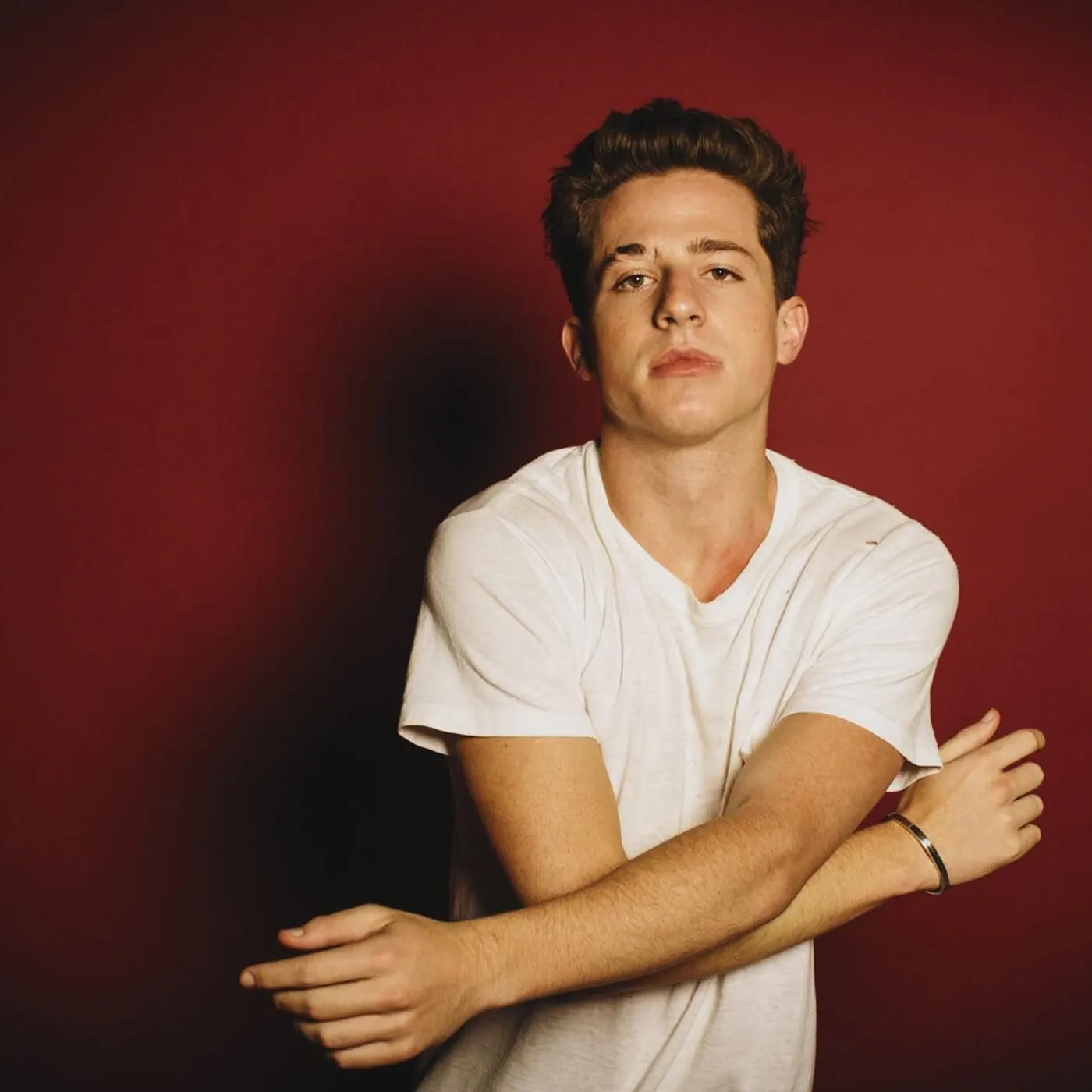
Conclusion: The Last Laugh
The internet might have mocked Charlie Puth early on. They made memes. They called him corny. They doubted his staying power.
But in the end?
Charlie Puth got the last laugh.
Because while everyone was busy talking, he was busy building—a career that’s both viral and respected, catchy and complex, and lightweight on the surface but engineered to last.
Love him or hate him, you’re still listening.
And for Charlie Puth, that’s the point.