What is Miguel Oliveira’s Biggest Weakness – and Can He Overcome It in Time?
🎗199
Miguel Oliveira has long been regarded as one of MotoGP’s most technically gifted and intelligent riders. The Portuguese racer’s smooth style, strategic racecraft, and adaptability across varying conditions have earned him both admiration and race wins. However, for all his skill, Oliveira’s MotoGP journey has been turbulent – not because of a lack of talent, but due to one persistent issue that continues to hold him back. That weakness? Consistency.
Let’s break down the heart of the issue and explore whether Oliveira can fix it before time runs out on his prime.
Incredible Talent, Inconsistent Results
When Miguel Oliveira made the leap into MotoGP with Tech3 KTM in 2019, expectations were modest. Yet, he quickly made waves, culminating in two spectacular wins during the 2020 season – including a stunning last-corner move at the Styrian Grand Prix. His ability to extract performance from KTM’s aggressive RC16 package in specific conditions was undeniable.
But even during his most successful runs, a pattern began to emerge: flashes of brilliance would be followed by quiet weekends. A strong podium finish would be followed by a P14 or a DNF. This inconsistency has persisted across his stints with both KTM and now Yamaha (via Pramac Racing), making it difficult for Oliveira to string together championship-contending campaigns.
In a sport where momentum is everything, Oliveira’s inability to maintain a rhythm through the season has often left him on the outside of the title picture, even when outright pace was not an issue.
Injuries and External Factors Have Compounded the Problem
To be fair, some of Oliveira’s inconsistency hasn’t been entirely his fault.
The 2023 season was a disaster for him due to multiple injuries, including being taken out twice by other riders early in the season. These interruptions killed any chance of building momentum. In MotoGP, rhythm is king, and missing just one race weekend can derail an entire year’s plan – especially when developing a new bike.
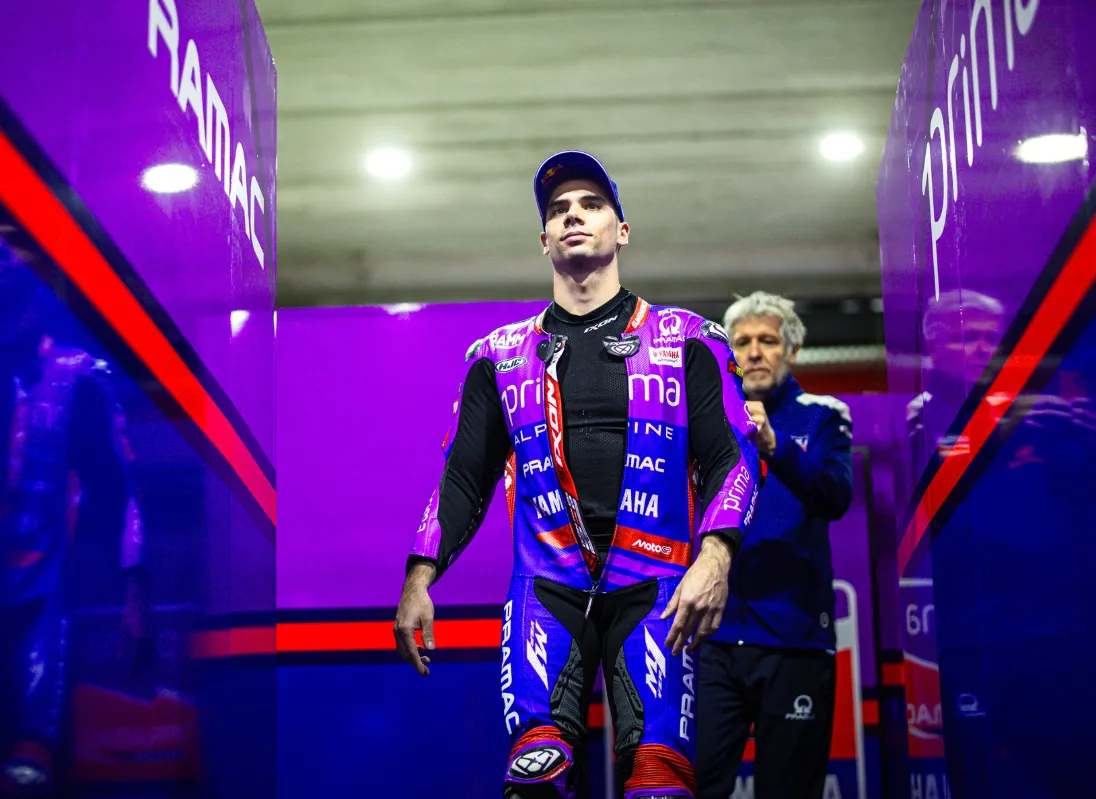
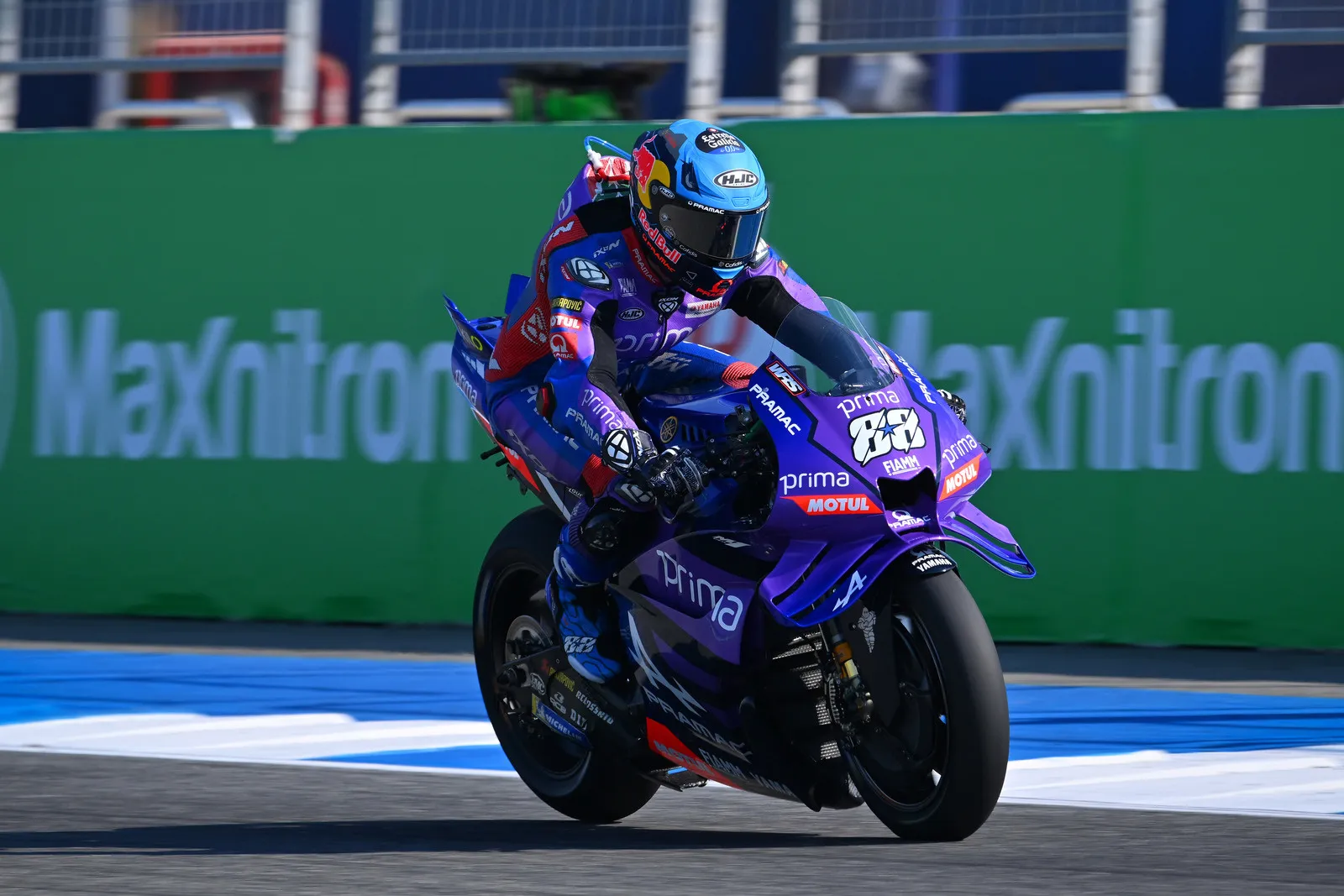
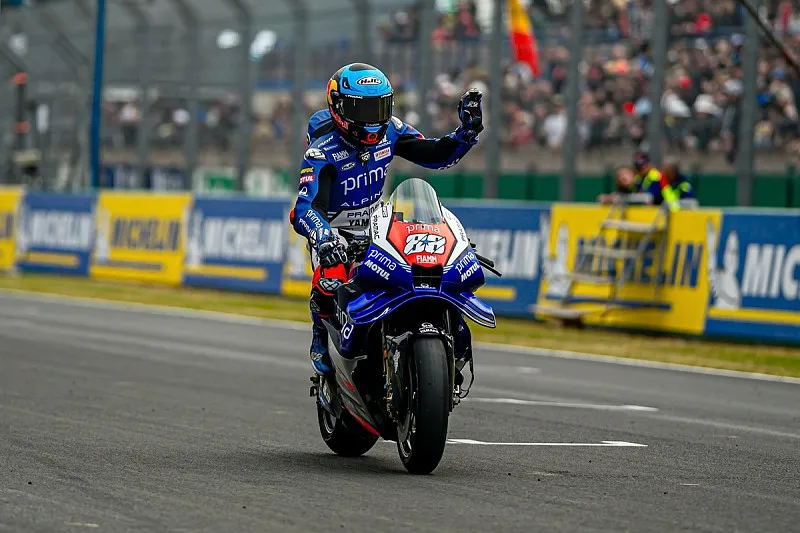
Fast forward to 2025, Oliveira has found himself in a unique yet tricky position: riding a Yamaha M1 that is no longer the full-factory spec but instead a satellite Pramac bike as part of Yamaha’s effort to rebuild competitiveness. It’s a major adjustment, both technically and mentally. While the M1 suits his smooth riding style better than the KTM or Aprilia, Yamaha’s current form means Oliveira is often stuck developing rather than contending.
Still, even with those caveats, his teammate performances – and results from other mid-pack riders – show that Oliveira often shines only on particular circuits or under unique conditions. The magic isn’t always there.
A Rider Without a Defined Identity?
Another argument sometimes made is that Miguel Oliveira lacks a clear rider “identity” in MotoGP.
Fabio Quartararo is the Yamaha technician with surgical precision. Marc Márquez is the wild genius of risk and recovery. Jorge Martín is all-out aggression. But what is Oliveira’s brand?
Some view his adaptability as his strength – he can ride around problems. But in MotoGP’s current era, where machines are increasingly tailored to suit individual rider styles, not having a strong identity might be a hindrance rather than a benefit. It makes it harder for the team to shape development around him.
So perhaps part of Oliveira’s inconsistency is that he has been too adaptable, rather than forcing a bike to come to him.
Can He Overcome It Before It’s Too Late?
The brutal reality is that MotoGP doesn’t wait for anyone. Oliveira is 30 years old in 2025. He’s no longer the up-and-comer with time to learn; he’s now expected to deliver.
But there are reasons to believe he still has time – and tools – to course-correct.
Yamaha’s resurgence (if it comes) could play into his hands. If the M1 becomes a podium-capable bike again, Oliveira’s technical understanding and smooth style could bring him back to the front regularly.
Experience matters. Oliveira has raced for multiple manufacturers, understands how to adapt quickly, and rarely gets rattled under pressure. He’s respected in the paddock and has enough seniority to influence development.
The team structure at Pramac offers him more attention than at a crowded full-factory team. With a focused engineering crew and a chance to lead development, he can shape the machine around his style.
However, the key question remains: can he deliver consecutive top results, week in and week out?
To do that, Oliveira must evolve from being the master of surprise Sundays to the man who always brings home solid points. Championships aren’t built on highlight reels; they’re won on relentless, race-in-race-out performance.
A Mental Shift is Required
In some ways, Miguel Oliveira’s next transformation must be psychological. He has to approach each weekend as a grinder, not just a strategist. Whether it’s a difficult Friday or a rainy Sunday, the mindset must be the same: maximum extraction, minimal excuses.
If he can embrace that warrior mentality – not just the surgical one – there’s no reason why he can’t return to the top step of the podium and even become a late bloomer in the title fight.
But the window is narrowing.
Conclusion: A Final Chapter Still Being Written
Miguel Oliveira’s biggest weakness is consistency – but that doesn’t mean he’s destined to fall short.
With a more stable bike underneath him, a clearer team structure, and a renewed focus on resilience rather than reactivity, Oliveira still has time to reshape the narrative of his career.
The question is no longer whether he’s good enough. He is.
The question now is: Can he become great – every weekend?
Time will tell, and 2025 may be his last true chance to prove it.