





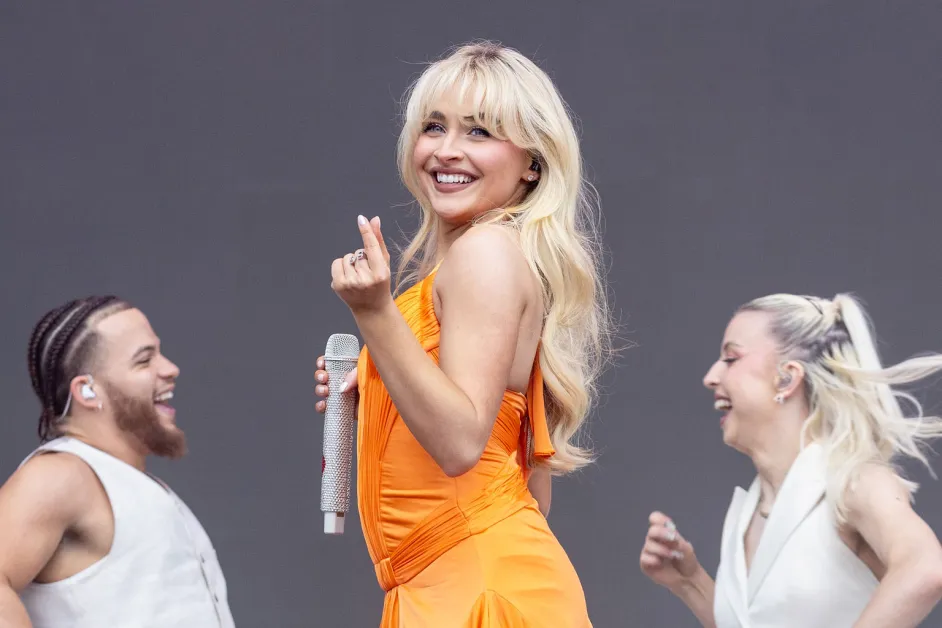
Sabrina Carpenter Faces Backlash Over Suspected AI-Generated Sticker Designs
In the age of digital creativity, few things spark debate faster than the question of authenticity. This week, pop sensation Sabrina Carpenter found herself at the center of a heated conversation after fans accused her of releasing AI-generated sticker designs as part of promotional merchandise for her latest album. The controversy raises not only questions about Sabrina’s artistic vision but also about the broader role of artificial intelligence in creative industries.
The backlash, which erupted across social media platforms, highlights a generational clash between technological innovation and traditional artistry. At the heart of the issue lies a question that many creators are now facing: can AI-generated designs truly be considered authentic art, especially when tied to a brand as personal and human as a beloved musician’s image?
The Origins of the Sticker Controversy
The drama began when fans who purchased limited-edition merchandise bundles noticed unusual characteristics in the sticker designs. Some pointed out odd details, such as inconsistent shapes, warped text, and a surreal visual style that felt eerily similar to popular AI art outputs. Others claimed that the designs lacked the personal touch fans have come to expect from Sabrina’s carefully crafted visuals.
On TikTok and Twitter (X), users quickly shared side-by-side comparisons between the stickers and common AI-generated imagery, sparking the hashtag #AISabrina to trend. While neither Sabrina nor her team immediately commented, the speculation was enough to ignite passionate debates about authenticity, originality, and respect for fans.
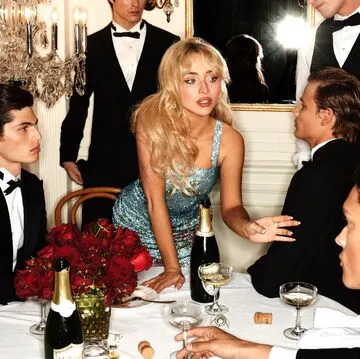
Why AI in Merchandise Strikes a Nerve
The backlash is not just about aesthetics. For fans, merchandise represents a personal connection to their favorite artist. They expect it to reflect the artist’s identity, creativity, and care for their supporters. When there’s suspicion that a design was cheaply created using AI rather than crafted by a human designer, it feels to fans like a betrayal of trust.
This issue also ties into a larger industry conversation. Many artists have been criticized for leaning too heavily on AI-generated visuals without proper acknowledgment or ethical considerations. Fans worry that replacing human designers with AI devalues creative labor and strips merchandise of its authenticity.
Sabrina Carpenter’s Brand and Why This Hits Harder
Sabrina Carpenter has built her career not just on her music but also on a carefully curated aesthetic that blends playful pop star energy with a sense of intimacy and relatability. From her music videos to her stage outfits, her visuals have always played a major role in her storytelling.
That’s why suspicions about AI-generated sticker designs sting especially hard. Fans who have followed her journey from Disney star to chart-topping singer see her as someone who values artistry and authenticity. The idea that she—or her team—may have taken shortcuts with AI undermines that narrative and creates doubt about how much she is personally involved in her creative direction.
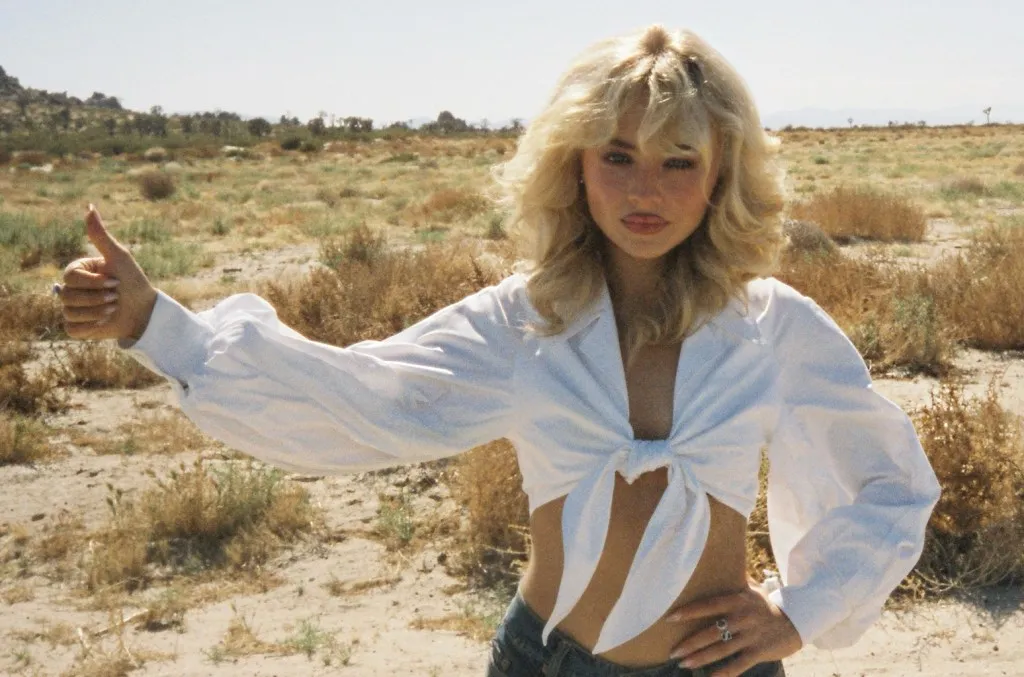
Fans’ Mixed Reactions
The reaction online has been far from unanimous. Some fans have expressed disappointment, feeling that Sabrina’s team may have prioritized cost-cutting over authenticity. Comments like “We pay premium prices for merch, the least they can do is hire real designers” were echoed across social media.
Others, however, defended her, suggesting that even if AI was used, it may have been part of a larger design process where humans refined and curated the outputs. A segment of her fanbase argued that innovation should not always be demonized, and that AI can serve as a creative tool rather than a replacement for human artistry.
The Larger Debate: AI in Music and Art
Sabrina’s sticker controversy is just one example of a much bigger issue in entertainment. AI is increasingly being used in album artwork, music production, and promotional content. Some fans embrace it as the future of creativity, while others see it as the death of originality.
The fear is not just about aesthetics but also about the displacement of human talent. Graphic designers, illustrators, and visual artists—many of whom rely on collaborations with musicians for income—fear that AI adoption could strip them of work opportunities. Sabrina’s suspected use of AI stickers reignites these concerns, positioning her at the center of a cultural crossroads.
Sabrina Carpenter’s Silence—Strategic or Risky?
As of now, Sabrina Carpenter has not publicly addressed the controversy. This silence is being interpreted in two ways. Some fans believe her team is assessing the situation carefully, waiting to issue a statement that clarifies whether AI was indeed used. Others worry that prolonged silence may worsen the backlash, as fans often expect transparency and accountability.
In today’s digital era, where scandals spread at lightning speed, the choice to remain silent can sometimes appear dismissive, even if the artist intends to wait for the right moment to respond.
Lessons From Other Artists
Sabrina is not the first artist to face AI-related controversy. Earlier this year, several major pop stars were criticized for allegedly using AI-generated cover art or promotional posters. The backlash often followed the same pattern: fans initially excited for new merchandise felt let down when they discovered telltale signs of AI shortcuts.
The key difference lies in how quickly and openly the artists addressed the controversy. Those who clarified their process—acknowledging AI as part of a collaborative tool rather than a replacement—tended to move past the drama more smoothly. Whether Sabrina follows this path remains to be seen.
The Emotional Core of the Backlash
At its core, this controversy is less about the stickers themselves and more about trust. Fans invest not only money but also emotional energy into supporting their favorite artists. When they feel deceived, even unintentionally, it shakes that bond.
For Sabrina, a star on the rise with her biggest album era yet, maintaining that trust is crucial. As she solidifies her place in pop music, her ability to balance artistic authenticity with modern innovation could define how fans perceive her long-term career.
What Comes Next for Sabrina Carpenter
The situation is still evolving, and much depends on Sabrina’s next move. If she confirms that AI was used but frames it as a creative experiment, she may open an important dialogue about how artists and technology can coexist. If she denies the use of AI, her team will need to provide proof or clarification to rebuild trust.
Regardless, the controversy underscores the heightened sensitivity fans feel toward AI in art. The AI sticker designs may seem like a small detail, but in today’s fandom-driven culture, even small details carry enormous symbolic weight.
Conclusion: A Defining Moment in the AI-Art Debate
The Sabrina Carpenter AI sticker backlash is about much more than stickers. It represents the tension between tradition and innovation, between artistry and automation, and between fans and the industry forces that shape their idols.
For Sabrina, the way she navigates this moment could shape not only her relationship with fans but also her reputation as an artist who values authenticity. Whether this storm fades quickly or becomes a defining controversy depends on how she chooses to address it.
One thing is certain: this debate will not end with Sabrina. As AI continues to weave itself into music, fashion, and art, every artist will eventually face similar questions. For now, all eyes are on her next move—and whether she can turn backlash into an opportunity for meaningful conversation about the future of creativity.
Related News