






Olivia Rodrigo Sets Off Explosive Rock Comeback Everyone’s Talking About
For years, people have been declaring rock music dead. Critics, radio programmers, and even veteran musicians themselves lined up to deliver the eulogy. In an era dominated by polished pop, slick rap collaborations, and algorithm-tailored streaming hits, rock became synonymous with nostalgia—a genre frozen in time, trotted out for anniversaries and reissues but not truly alive.

But then something weird started happening.
Concert crowds were getting younger. Guitar sales ticked up for the first time in years. Vintage band tees became must-have fashion. And at the center of this cultural shift, unexpectedly, stands Olivia Rodrigo, the chart-topping pop star people once tried to pigeonhole as just another heartbreak balladeer.
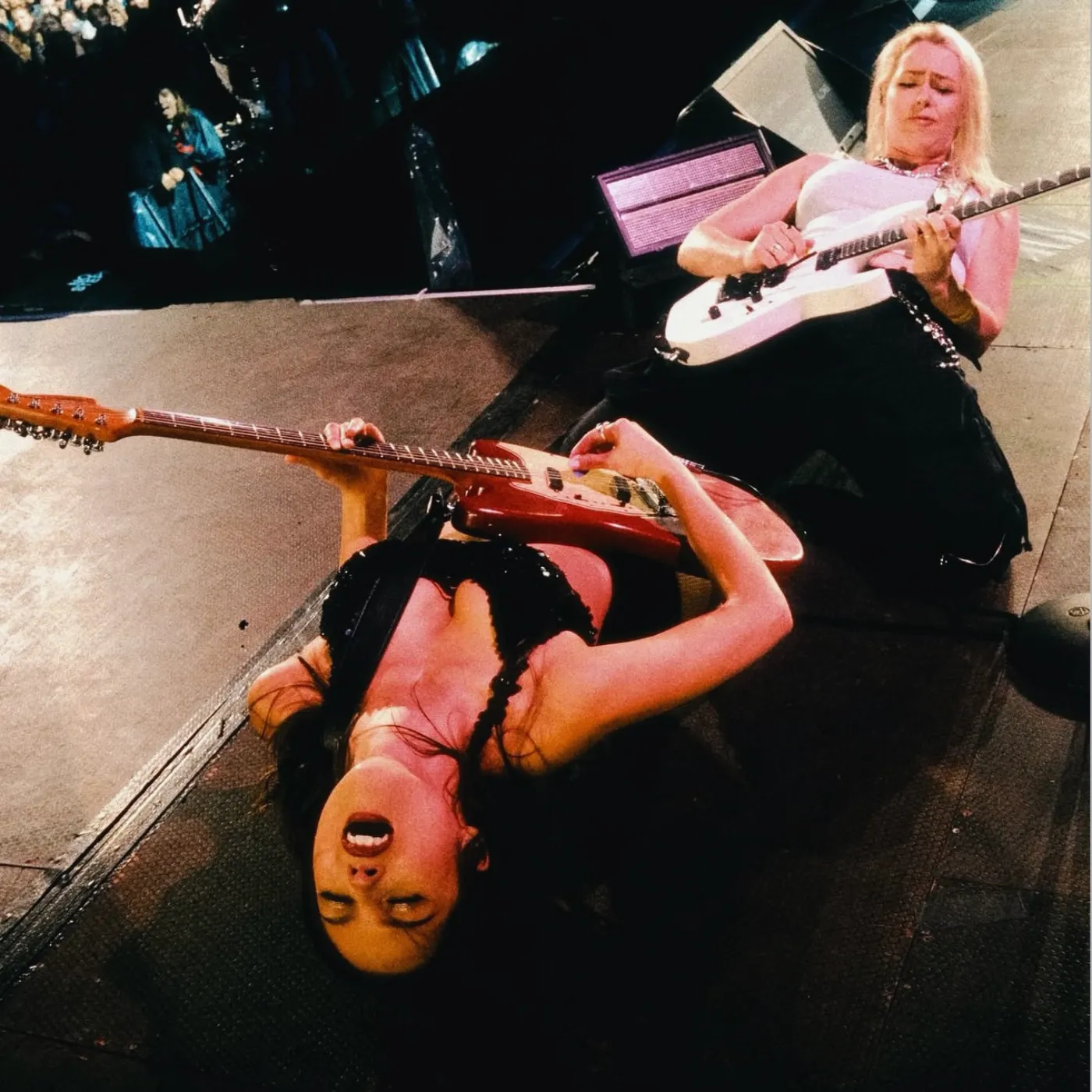
According to Rock Sound, she’s not just dabbling in distortion pedals. She’s building the next generation of rock fans.
That claim isn’t hyperbole. It’s a threat, a promise, and a marketing goldmine.
The Unlikely Face of Rock’s Revival
Olivia Rodrigo is the last person traditional rock gatekeepers would have picked to champion their genre.
She exploded onto the scene with raw breakup anthems and emotional piano ballads. She was called a “teen pop sensation” by every major outlet. Her aesthetic was “bedroom heartbreak,” all tear-streaked eyeliner and Gen Z vulnerability.
But behind that image was a student of music history.
She didn’t just listen to Taylor Swift or Lorde. She devoured Alanis Morissette, Avril Lavigne, Paramore, The White Stripes, Hole, and Radiohead.
From the start, you could hear it in the scream-sing choruses and crunchy guitar riffs buried beneath the glossy production of hits like “Good 4 U.” But at the time, most industry people brushed it off as pop-punk cosplay.
They’re not brushing it off anymore.
GUTS Era: From Pop Princess to Rock Provocateur
Everything changed with GUTS.
Her sophomore album wasn’t just a step forward—it was a cannonball into rock territory. The production got louder, messier, more organic. There were bridges that sounded straight out of the early 2000s alt-rock playbook. She screamed. She snarled.
But it wasn’t just the music. It was the attitude.
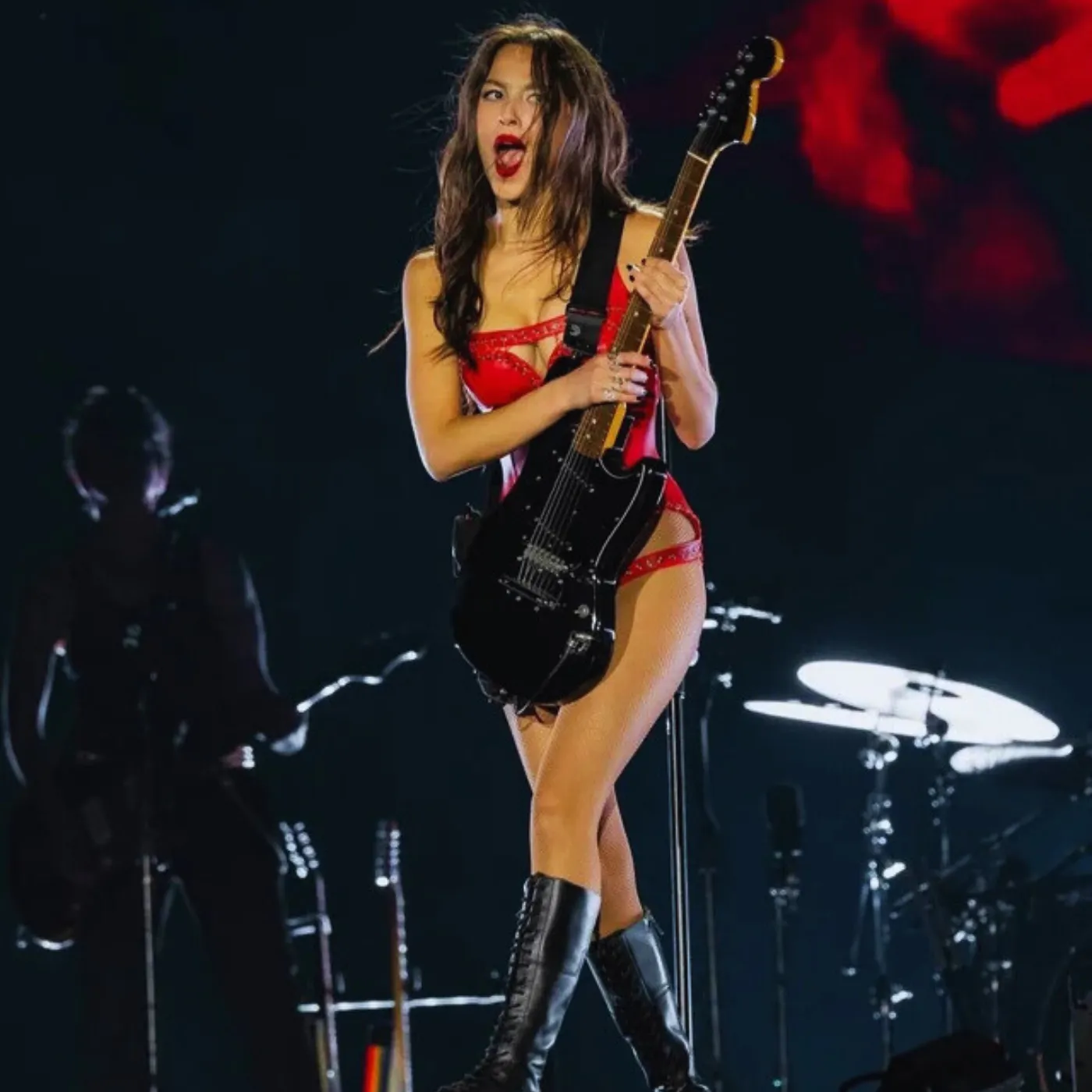
Rodrigo seemed genuinely uninterested in being a perfectly marketable pop product. She wore ripped tees on SNL. She smashed guitars on stage. She told interviewers she wanted her shows to feel “unhinged.”
Even the rollout had rock energy:
-
Moody black-and-white photography.
-
Teaser clips shot like DIY punk zines.
-
Lyrics that cut deep without worrying about radio friendliness.
It didn’t matter if critics called it derivative. Teenagers ate it up.
A New Generation Picks Up the Guitar
One of the most striking stats of the last two years?
Guitar Center reported a measurable spike in electric guitar sales among young women.
Fender noted that social media guitar content was increasingly dominated by female players covering Olivia Rodrigo songs.
She didn’t just remind people that guitars could be cool. She made them accessible.
No one expects a 15-year-old to shred like Slash overnight. But they can learn “Good 4 U” power chords. They can figure out those crunchy “bad idea right?” progressions.
It’s low barrier to entry, high payoff—exactly what rock needs to regenerate.
Industry Insiders Split on Her Impact
Of course, not everyone’s happy.
You can’t spark a rock revival without ruffling feathers.
Old-school purists snarl that Rodrigo is “watering down” the genre. They complain it’s all image, no substance. They share memes mocking her as “Avril Lite.”
But they can’t argue with the numbers.
Her tours sell out instantly. Her streaming numbers rival rap megastars. And—most crucially—she’s bringing kids to the genre.
Labels have noticed. You see it in the rush of young artists now being signed with a “pop-punk” or “alt-rock” angle.
Whether those A&Rs are being cynical or just smart doesn’t matter. The landscape is changing.
How Olivia Rodrigo Markets Chaos
Part of what makes this work is Rodrigo’s brand.
She doesn’t just sing rock-leaning songs. She lives the chaotic energy people romanticize about the genre.
She posts unfiltered lyrics on her social accounts. She embraces messy emotions. She stages her performances to feel raw, even sloppy.
It’s not the overly polished arena rock of the 2010s. It’s closer to that 90s alt-rock vibe of imperfection as authenticity.
For Gen Z, who are deeply allergic to anything that feels fake or corporate, this is catnip.
Memes, TikTok, and the Rock Rebrand
It’s easy to underestimate how social media supercharged this revival.
TikTok users didn’t just share Olivia Rodrigo songs. They used them for breakup confessionals, angry rants, “hot mess” glow-ups.
Memes reframed her as the spiritual heir to 2000s mall-punk energy.
Suddenly, teenagers who hadn’t heard of Paramore were hunting down “Riot!” vinyl.
Rodrigo didn’t do this alone. But she’s the most visible lightning rod for a cultural shift.
Critics Accuse Her of Calculated Moves
There’s a dark side to all this buzz.
Some say Rodrigo is simply gaming nostalgia. That she’s offering the aesthetic of rock without the substance.
She’s been called a “record label puppet,” accused of borrowing just enough rock DNA to monetize it while offering safe, Spotify-ready hooks.
Music forums are filled with debates:
-
“She’s the real deal.”
-
“She’s marketing, not music.”
-
“At least she’s better than the TikTok clones.”
But even the criticism helps. It keeps her in the conversation.
Live Shows as Controlled Chaos
Ask any fan what sealed the deal. It’s the live shows.
She doesn’t hide behind backing tracks.
She leaps around the stage.
She jokes with the crowd.
She hits the big notes or sometimes misses them.
Fans don’t want perfection. They want real.
At her biggest shows, the pit looks like a miniature rock festival.
Older music critics might scoff that this is “basic.” But it’s not for them. It’s for kids who never got to see Warped Tour.
Recruiting the Next Wave of Rock Fans
Rock Sound’s claim that she’s “building the next generation of rock fans” isn’t a throwaway line.
It’s strategy.
Rodrigo isn’t just making albums. She’s shaping taste.
She name-checks Alanis Morissette in interviews. She brings out No Doubt on tour. She covers Veruca Salt in soundcheck.
For kids with no older sibling to hand them burned CDs, she is the gateway.
It’s not unlike how Nirvana introduced Gen X to the Pixies, or how Green Day got millennials into the Clash.
Labels Are Watching Closely
Don’t think the music business hasn’t noticed.
You’re seeing a surge of signings with a deliberately rock or punk edge.
A&R reps are hunting for the next “Olivia-adjacent” act.
Streaming playlists once dominated by rap and R&B are slotting in indie bands with guitars turned up.
Rock isn’t pushing out other genres—it’s carving back space it lost.
And Rodrigo is the face of that shift, like it or not.
Merch, Fashion, and Cultural Takeover
Beyond the music, Olivia Rodrigo has helped make rock aesthetics cool again.
Combat boots, plaid skirts, spiked jewelry—all back on the mood boards.
Her merch isn’t just tour dates slapped on tees. It’s distressed, oversized, screen-printed to look vintage.
Fashion brands have jumped on the wave, collaborating with artists, running “grunge-inspired” campaigns.
If you’re a marketer, it’s a dream: rock sells rebellion. And rebellion always sells.
A Calculated Risk That Paid Off
The truly controversial part?
Rodrigo is undeniably savvy.
She knows the criticism. She leans in. She lets people debate if she’s the “real thing.”
All while selling out shows, topping charts, and actually moving culture.
For a generation starved for authenticity but also addicted to irony and meme culture, she’s the perfect middle ground.
Messy enough to be real. Smart enough to know it’s all a game.
The Future of Rock in Olivia Rodrigo’s Hands
Is Olivia Rodrigo saving rock music?
That depends on who you ask.
Purists will say she’s diluting it. Critics will say she’s appropriating nostalgia.
But walk into a guitar store, look at the lesson bookings, see who’s in the crowd at local venues—there’s no denying something is changing.
She’s not resurrecting classic rock. She’s evolving it for a generation that wants to scream their feelings while posting selfies.
And she’s doing it better than anyone else.
Conclusion: A New Era of Rock Chaos
Olivia Rodrigo didn’t ask to be the face of rock’s next wave.
But she seized it.
She weaponized heartbreak. She made guitars cool again. She forced an entire industry to reconsider what “rock” even means in 2025.
She’s messy. She’s divisive. She’s exactly what the genre needed.
And if Rock Sound is right—if she’s really building the next generation of rock fans—it’s not just her career that’s about to get a lot more interesting.
It’s rock itself.
Related News