







Mirage Turns 15: Still Armin’s Greatest Work or Just the Beginning?
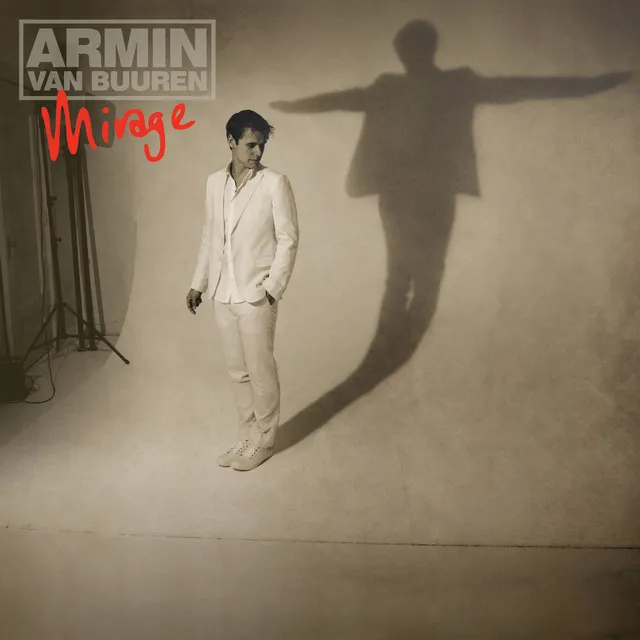
It has officially been fifteen years since Armin van Buuren released his monumental album Mirage, in September 2010. As one of the most influential works in trance and electronic dance music, Mirage remains deeply beloved—not just as a nostalgic trip, but as an album that continues to resonate with fans, newcomers, and fellow artists alike. Its enduring impact solidifies Armin’s status as a legend in dance music, proving that a truly great body of work can defy the passage of time.
The Birth of Mirage: Armin’s Fourth Studio Album
By 2010, Armin van Buuren was already a global star in EDM and trance. He had built a reputation through earlier albums and his long‑running radio show A State of Trance (ASOT). With Mirage, Armin set out to push boundaries—not merely producing dancefloor tracks, but crafting an emotional journey. The album features strong vocal performances, instrumental intensity, orchestral touches, and collaborations with notable artists in electronic and pop spheres.

Songs from Mirage showcase Armin’s range: from hard‑hitting trance to more melodic, voice‑driven tracks. The album’s production quality reflected years of experience, studio refinement, and a vision of an EDM work that could speak to both the heart and the dance crowd.
Standout Tracks That Defined an Era
Some tracks from Mirage have aged remarkably well.
“Not Giving Up On Love”, featuring a powerful vocal collaboration, remains an anthem for resilience and emotional connection.
“Full Focus” delivers pure, high‑energy trance, instrumental drop after drop, delivering rushes of adrenaline that festival crowds still crave.
“Feels So Good”, another vocal masterpiece, blends lush harmonies with dance rhythms—a meeting point between pop sensibility and trance emotion.
Other tracks, like Mirage itself or I Don’t Own You, offer melodic build‑ups, sweeping orchestrations, and instrumental depth—allowing fans to savor both the euphoric and reflective sides of the album.
Why Mirage Endures: More Than Just Nostalgia
Many albums from the early 2010s now feel like time capsules—but Mirage strikes a rare balance.
First, it blends genres. Fanbases of trance, progressive house, vocal electronic music, and orchestral pop all find something to love here. That cross‑genre appeal gives Mirage resilience; it’s not limited to those who worship bass drops or high BPM—it reaches beyond.
Second, the emotional core of several tracks continues to move listeners. Lyrical themes of longing, hope, love, inner struggle, and celebration remain universal. When a song still brings goosebumps or tears many years later, that speaks to its power.
Third, live performance has preserved Mirage’s relevance. Armin has included tracks from it in DJ sets, festival shows, and commemorative moments because they still energize crowds and offer contrast—slower moments, vocal moments, emotional peaks—and those peaks often come from Mirage tracks.
Critical Reception Then and Now
When Mirage was released, it earned praise for ambitious production and emotive scope. Some critics questioned whether the vocal tracks would alienate hardcore trance listeners who preferred purely instrumental sets. Others felt the blend of styles was risky.
Over time, though, perceptions have shifted. Many critics now see Mirage as a pivotal point in Armin van Buuren’s discography—an album that balanced his trance roots with broader artistic growth. Fans and new listeners alike often cite Mirage among Armin’s best full‑album works, not just for singles, but for the flow between tracks and the emotional arc.
Live Tours and Impact on Armin’s Legacy
Following Mirage, Armin van Buuren used the album as the basis for major Mirage Tour performances. These shows featured elaborate stage production, orchestral segments, vocal guests, and lighting/sound designs that elevated the listening experience. Venues in Europe, Asia, the Americas all hosted Mirage Tour shows, where tracks like “Full Focus” ignited festival energy, while “Feels So Good” and “Not Giving Up On Love” touched hearts.
These performances reinforced Mirage’s legacy—not just as studio work, but as living, breathing connection between artist and audience. It demonstrated that the emotional risk in creating vocal and orchestral trance alongside heavy dance tracks paid off.
Looking Back: The Influence on EDM and Beyond
Mirage influenced newer producers and DJs who saw that electronic albums could be more than DJ toolkits. The blending of orchestral instrumentation, rich vocal collaborations, emotional moments interspersed with high‑energy drops—all of this inspired younger artists to experiment with genre, to tell a story in albums, not just compilations.
Moreover, Mirage is frequently cited in retrospective articles, anniversary shows, and fan debates about greatest EDM albums. It appears in playlists, streaming uploads, tribute sets. Its fingerprints are evident in the way modern trance/pop crossover tracks are constructed.
Fan Sentiment: Which Tracks Still Ignite the Feels
For longtime fans, Mirage remains deeply personal. Conversations often start with “which track still gives you goosebumps fifteen years later?” Many answer “Not Giving Up On Love” for its hopeful lyrics, or “Feels So Good” for its uplifting melody. Others favor “Full Focus” for its energy, or instrumental tracks like Mirage and “I Don’t Own You” for their emotive build and release.
Newer listeners, discovering the album now, often marvel at how clean the production still sounds, how no track feels overly dated. The vocals in the album continue to feel fresh, powerful rather than over‑produced.

Armin’s Artistic Growth Since Mirage
After Mirage, Armin van Buuren continued to evolve. Subsequent albums, remix work, collaborations—all show that he did not rest on his achievement. Instead, he explored new sonic textures, newer technologies, different vocalists, broader emotional themes.
His ongoing radio show, A State of Trance, continues to champion tracks in a similar spirit: emotional resonance, dance energy, and sonic innovation. Mirage is a reference point in these shows—an album he often returns to as a source of inspiration.
Conclusion: Why Mirage Still Matters at 15
Reaching fifteen years is a milestone few albums in dance music achieve with grace. Mirage matters because it dared: dared to be big, to mix vocals and instrumentals, to stir emotion and fill dancefloors.
It is an album that has stood the test of time—not simply because of iconic tracks, but because it captures a moment in Armin van Buuren’s artistry where ambition, sincerity, and technical skill aligned.
When fans listen to Mirage today, they remember the nights, the festivals, the emotional uplift. When they discover it now, they realize that some masterpieces grow stronger with age.
As listeners reflect on which track from Mirage still ignites all the feels, one thing is clear: this album remains one of the greatest works ever created in electronic dance music.
Related News