








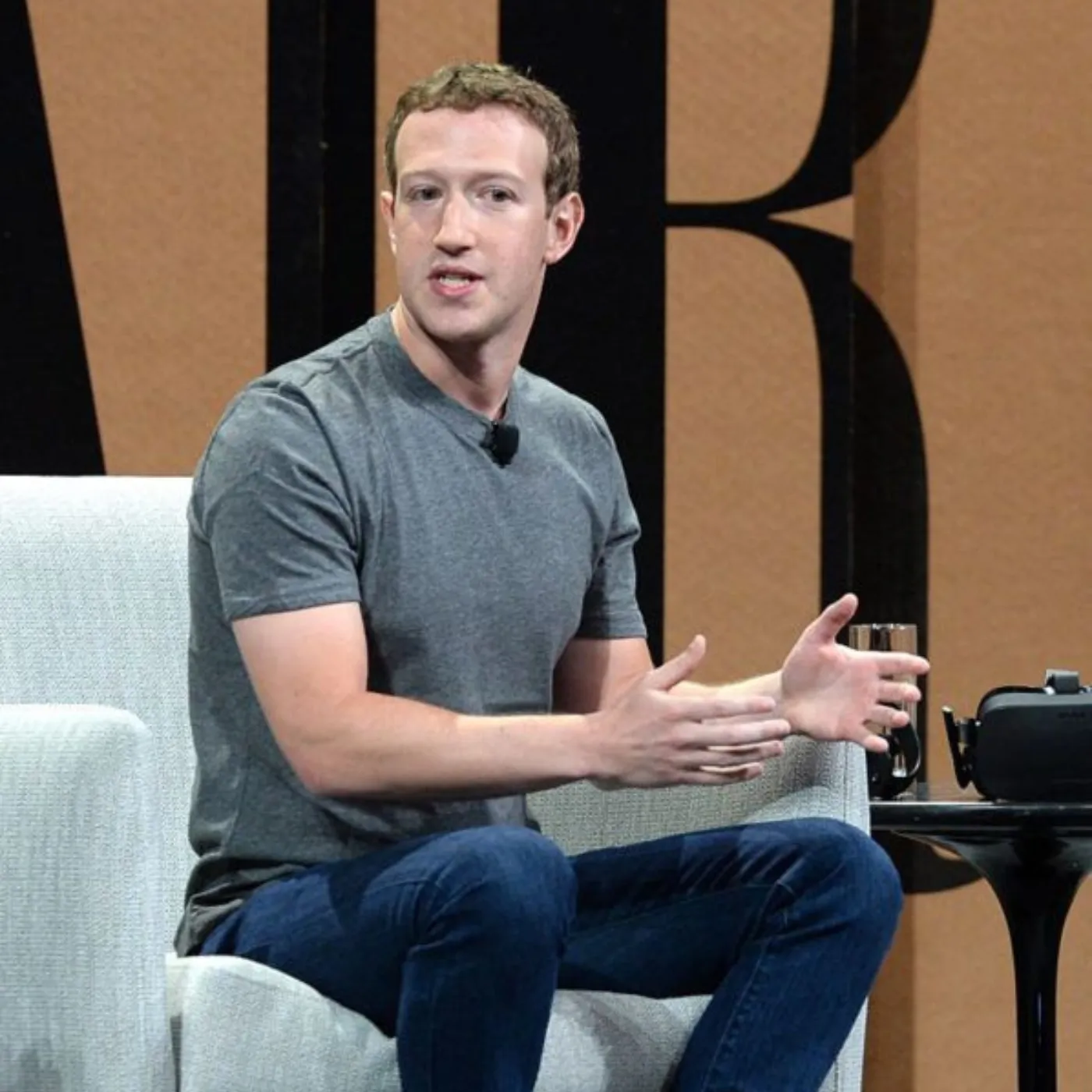
Mark Zuckerberg’s Secret Play to Steal Your Best People—The Guide They Don’t Want You Reading
In today’s high-stakes corporate battlefield, Meta CEO Mark Zuckerberg has quietly turned his focus to a new, controversial strategy: poaching the brightest minds from other companies. This isn’t just a rumor whispered in Silicon Valley boardrooms—it’s a reality every founder, CEO, and HR leader is now forced to confront.

For years, Zuckerberg has been known as the boy-genius who built Facebook in a Harvard dorm room. But now, the narrative is darker, edgier, and undeniably more toxic. The stakes are no longer about building a social media empire—it’s about draining other companies of their best talent and pulling them into Meta’s orbit.

The move has already set off alarm bells across industries. From small startups to global corporations, leaders are asking the same haunting question: “How do we stop Zuckerberg from stealing our people?”
The Silent War for Talent
The war for top employees has never been more cutthroat. Tech companies, entertainment giants, and even media houses are caught in the crossfire. But Meta has a unique advantage—deep pockets, brand recognition, and a culture of bold promises.
When Zuckerberg’s recruiters slide into an employee’s inbox, the message is clear:
-
More money.
-
Bigger perks.
-
The illusion of working on the “next big thing.”
For employees tired of burnout, corporate politics, or simply bored at their current jobs, the temptation is overwhelming. And that’s exactly what makes this poaching playbook so dangerous.
Industry insiders describe it as a “corporate heist”, a systematic effort to strip competitors of their most valuable assets—not their products, but their people.
Why Zuckerberg’s Strategy Works
Let’s break down why Meta’s talent-snatching tactics are so effective:
-
Meta’s brand power — For many, working at Meta still feels like joining the tech elite. Employees see it as a badge of honor, even if public trust in the company is shaky.
-
Big money offers — Meta is notorious for throwing around massive salary packages, stock options, and perks that few mid-level companies can match.
-
Dream projects — Buzzwords like “AI,” “metaverse,” and “next-gen innovation” lure ambitious employees hungry for cutting-edge work.
-
Aggressive headhunters — Meta’s recruiters are relentless, often contacting the same employee multiple times until they bite.
This combination makes it nearly impossible for smaller companies to compete.
The Victims of Poaching
It’s not just startups losing their brightest minds—entertainment companies, marketing agencies, and even traditional industries like finance and healthcare are being raided.
One Silicon Valley founder described it bluntly:
“We trained them, we invested in them, and then Zuckerberg’s team swooped in with a giant paycheck. How are we supposed to fight that?”
The emotional toll is just as damaging as the financial hit. Leaders feel betrayed, teams feel demoralized, and the cycle of distrust begins. Suddenly, your star player is gone, and the rest of your workforce wonders who’s next.
The Psychology of Leaving
Why do employees jump ship? The answer isn’t always money. Experts say it’s about status, recognition, and the promise of growth.
When employees hear that Meta wants them, they feel validated. It’s like being scouted for the NBA or getting a Hollywood call-back. The flattery is intoxicating, and many don’t stop to think about the long-term consequences.
This emotional play is Zuckerberg’s most underrated weapon. He doesn’t just steal talent—he steals loyalty.
How to Fight Back
So how do you protect your company from Meta’s poaching machine? Here are strategies that experts say can work:
-
Build culture, not just salaries — Money gets people in the door, but culture keeps them there. Employees who feel valued, challenged, and respected are less likely to be tempted.
-
Offer ownership — Stock options, profit-sharing, or long-term incentives create a reason to stay beyond the paycheck.
-
Invest in growth — Employees leave when they feel stagnant. Continuous learning and career development are your best defense.
-
Open communication — Transparency between leadership and employees builds trust. If people know where the company is headed, they’re less likely to believe the grass is greener elsewhere.
-
Recognition matters — Celebrate wins, highlight contributions, and make sure your best people feel seen.
It’s not about building walls—it’s about building loyalty so strong that even Zuckerberg’s golden offers can’t shake it.
The Controversy
Of course, this story isn’t just about HR strategies—it’s about ethics.
Is it fair for a giant like Meta to raid smaller competitors for talent? Or is it just business as usual? Opinions are split:
-
Some argue that poaching is a natural part of capitalism, and if you can’t keep your people, that’s on you.
-
Others see it as a predatory tactic, proof that big corporations will do anything to maintain power.
This debate is sparking heated conversations on Facebook, LinkedIn, and Twitter, with hashtags like #TalentWar and #PoachingCrisis trending among business communities.
What This Means for the Future
The rise of employee poaching marks more than just a passing trend—it signals a seismic shift in the way companies battle for dominance. For decades, corporations competed on innovation, product launches, and marketing firepower. But that era is fading fast. The new battleground is talent, and the weapon of choice is relentless recruitment raids.
If Zuckerberg’s poaching playbook becomes the corporate standard, the implications are staggering. Imagine a workplace where loyalty no longer exists, where every employee is essentially a free agent, scanning the horizon for the next shiny offer. The result? A revolving-door culture that leaves companies scrambling to patch holes while rivals quietly dismantle their workforces from the inside. Stability will become a luxury, not a given.
This future isn’t just a nightmare for CEOs—it’s a psychological strain on workers, too. When employees see peers leaving for Meta or other giants, they start questioning their own loyalty. Trust erodes. Morale collapses. Suddenly, the culture leaders fought so hard to build can unravel in months. A company might survive losing one star performer, but what happens when three or four walk out in the same quarter?
And yet, there’s another side to this story. In the same way intense competition in sports pushes athletes to train harder, this talent war could push companies to treat their people better than ever before. Higher salaries, flexible work models, mental health support, and career-development programs could shift from “perks” to survival tools. The companies that adapt will not just survive—they will dominate.
But here’s the twist: the winners won’t always be the ones with the deepest pockets. Money alone can no longer buy loyalty. Instead, companies that cultivate authentic relationships, strong culture, and meaningful purpose will stand out. Employees are asking deeper questions today: Am I growing here? Am I valued here? Do I believe in this mission? If the answer is no, no paycheck in the world can keep them from leaving.
For smaller companies, this may seem like an unfair fight against giants like Meta. But history shows us something powerful: disruption often favors the nimble. Startups and mid-size firms that know how to engage employees on a personal level, build tight-knit teams, and offer real ownership may actually outlast the big players in retention.
The future of work will not be defined by flashy offices or billion-dollar stock packages—it will be defined by who can keep their best people when everyone else is trying to steal them.
The Bottom Line
Mark Zuckerberg has always thrived on disruption. From the Harvard dorm room to Silicon Valley’s biggest stages, his career has been one long story of breaking rules and rewriting the playbook. Now, with this new strategy of poaching top employees, he isn’t just chasing innovation—he’s rewriting the very rules of corporate competition.
For business leaders, the challenge is brutally clear: you can’t stop Meta from sliding into your employees’ inboxes. You can’t stop recruiters from making outrageous offers. But what you can do is build a company so magnetic, so loyal, and so purpose-driven that your best people don’t even take the call.
And maybe, just maybe, that’s the one secret Zuckerberg doesn’t want you to figure out.