









Mark Zuckerberg’s New Wristband Puts Smart Glasses at Your Fingertips
In a world where technology and daily life intersect more than ever, Mark Zuckerberg continues to push the boundaries of innovation. The latest development from the Meta CEO is a revolutionary wristband designed to control smart glasses seamlessly. This new device, reportedly capable of interfacing directly with augmented reality (AR) glasses, has generated a buzz in tech circles and among consumers alike. By combining convenience, futuristic design, and advanced functionality, Zuckerberg once again demonstrates his vision for a connected, immersive future.
A Glimpse into the Future of Wearable Tech
Mark Zuckerberg’s wristband aims to simplify the user experience for Meta’s AR ecosystem. Users will be able to access notifications, control apps, and interact with digital content on smart glasses with subtle hand gestures and taps on the wristband. This innovation reflects a broader trend in wearable technology, where devices are designed to be both practical and intuitive, integrating seamlessly into daily routines.
Tech analysts suggest that Zuckerberg’s wristband could redefine how we perceive human-computer interaction. Instead of relying solely on screens or handheld devices, the wristband serves as a tactile and discreet interface, allowing users to control virtual environments without breaking immersion. The combination of portability and advanced functionality makes it a notable advancement in the growing field of AR and wearable technology.
Design and Functionality
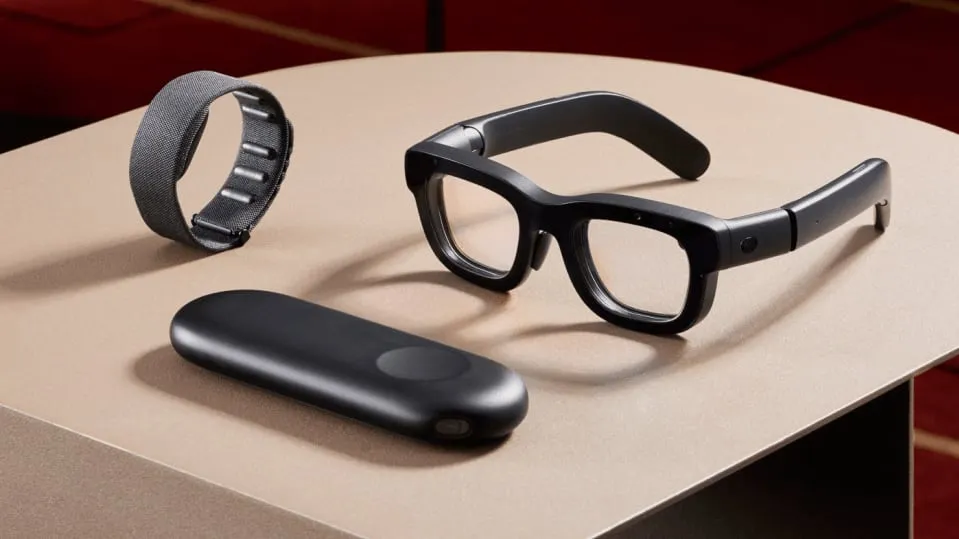
The wristband’s sleek design is one of its most appealing features. Lightweight materials and an ergonomic build make it comfortable for extended wear, while customizable straps ensure it suits different styles. The device reportedly features haptic feedback, allowing users to feel subtle vibrations when commands are recognized, enhancing the tactile experience.
Mark Zuckerberg has emphasized that the wristband is intended to complement smart glasses rather than replace them. Its functionality includes gesture recognition, voice commands, and a user-friendly interface that minimizes the learning curve. With a single tap or swipe, users can navigate menus, respond to messages, or trigger AR interactions.
Integrating AR Into Daily Life
The introduction of this wristband represents Zuckerberg’s ongoing commitment to integrating AR into everyday life. By providing a hands-free interface for smart glasses, the device could transform activities such as virtual meetings, gaming, fitness tracking, and social interactions.
Industry insiders suggest that Meta’s wristband could pave the way for new applications in education, healthcare, and entertainment. For instance, students could access AR content during lectures, professionals could visualize data in real time, and gamers could engage with immersive experiences without cumbersome controllers. The possibilities are vast, and Zuckerberg’s innovation signals a serious push toward mainstream adoption of wearable AR tech.
Early Impressions and Public Reactions
Initial reactions to Mark Zuckerberg’s wristband have been overwhelmingly positive. Tech enthusiasts praise the seamless integration with smart glasses, noting that the device solves common issues with AR navigation. Reviewers also highlight its intuitive controls and the potential for customization, emphasizing that the wristband balances functionality with style.
Social media has also been abuzz with speculation and excitement. Fans of Meta and tech influencers have shared mockups, videos, and potential use cases, imagining how the wristband could change daily routines. Comments such as “Zuckerberg is making AR finally practical” and “This is the gadget we didn’t know we needed” have flooded platforms, reflecting widespread curiosity and anticipation.
The Wristband in Context: Meta’s AR Strategy
Mark Zuckerberg’s wristband aligns with Meta’s broader strategy of building an interconnected AR ecosystem. The company has long been invested in creating hardware and software that allow users to experience augmented reality in intuitive and meaningful ways. Smart glasses, combined with wristbands, could serve as the cornerstone of this ecosystem, enabling seamless communication between devices.
By emphasizing gesture-based control and hands-free interaction, Zuckerberg is addressing key barriers to adoption. Many AR devices have been criticized for being cumbersome or unintuitive, but the wristband promises to make the technology accessible, practical, and stylish. This approach could accelerate mainstream interest in Meta’s AR products and solidify the company’s position as a leader in wearable tech.
Fashion Meets Function
Another intriguing aspect of Mark Zuckerberg’s wristband is its attention to aesthetics. Unlike some tech wearables that prioritize functionality over style, this device is designed to be visually appealing. Sleek lines, minimalistic design, and customizable colors allow users to wear the wristband as both a gadget and a fashion accessory.
This focus on aesthetics reflects Zuckerberg’s understanding of consumer behavior. Modern wearable technology must not only be functional but also integrate seamlessly into personal style. By combining technology and fashion, Meta’s wristband could appeal to a wider demographic, including tech enthusiasts, fashion-conscious users, and early adopters of AR experiences.
Potential Applications Across Industries
The wristband’s capabilities extend beyond casual use. Analysts predict that Mark Zuckerberg’s innovation could have significant implications across industries:
-
Education: Students can interact with AR educational content through simple wrist gestures.
-
Healthcare: Surgeons and medical professionals could use AR overlays while keeping hands free for procedures.
-
Gaming and Entertainment: Gamers can enjoy immersive experiences with intuitive controls, enhancing engagement.
-
Professional Workspaces: Remote collaboration and virtual presentations become more efficient with seamless AR integration.
These applications highlight Zuckerberg’s vision for AR as a transformative technology, moving beyond novelty to practical, everyday use.
Addressing Privacy and Security
With every new wearable technology, privacy and security concerns inevitably arise. Mark Zuckerberg and Meta have reportedly prioritized encryption and user data protection in the wristband’s design. Gesture inputs, activity tracking, and AR interactions are designed to remain secure, minimizing risks associated with personal data exposure.
Industry experts suggest that successful adoption of wearable AR devices will depend heavily on addressing privacy concerns. Zuckerberg’s commitment to transparency and robust security protocols may help build trust with consumers, encouraging widespread use.

The Wristband’s Place in the Tech Ecosystem
Mark Zuckerberg’s wristband is part of a broader trend where wearables are increasingly integrated into connected ecosystems. Devices such as smartwatches, AR glasses, fitness trackers, and home assistants are converging to create unified, interactive experiences.
By placing AR controls at users’ fingertips, the wristband positions itself as an essential component of this ecosystem. Its ease of use, functionality, and stylish design set it apart from existing wearables, creating a new benchmark for the industry.
Challenges and Market Adoption
Despite the excitement, Mark Zuckerberg’s wristband will face challenges in market adoption. Factors such as cost, compatibility, and consumer education may influence how quickly the device is embraced. However, early reviews suggest that the benefits—hands-free control, seamless AR interaction, and style—could outweigh potential hurdles.
Moreover, the wristband’s integration with Meta’s existing ecosystem may encourage users to adopt it alongside other products, creating a network effect that accelerates its popularity. Tech analysts predict that if marketed effectively, the wristband could become a staple in the emerging AR landscape.
Conclusion
Mark Zuckerberg’s new wristband represents a significant step forward in wearable technology. By offering hands-free control of smart glasses, combining sleek design with advanced functionality, and integrating seamlessly into daily life, Zuckerberg continues to redefine how we interact with technology.
From casual users to industry professionals, the wristband promises to make AR more practical, stylish, and accessible. Its introduction reflects Zuckerberg’s vision of a connected future where technology enhances, rather than intrudes on, human experience.
As AR continues to evolve, Mark Zuckerberg’s wristband may well become a defining tool in the next generation of wearable technology. With its combination of innovation, style, and utility, it exemplifies Zuckerberg’s ongoing mission to bring the future to our fingertips—literally.
Fans and tech enthusiasts around the world eagerly await the official release, curious to see how the wristband will perform in real-world scenarios. One thing is clear: Mark Zuckerberg’s bold move continues to capture imaginations and push the boundaries of what wearable technology can achieve.