







Margot Robbie Said Yes to a Movie Without Reading the Script
If you think Hollywood stars always know what they’re getting into before signing on for a blockbuster, think again. Margot Robbie, arguably one of the most in-demand actors of her generation, once agreed to a major film role without even reading the script.
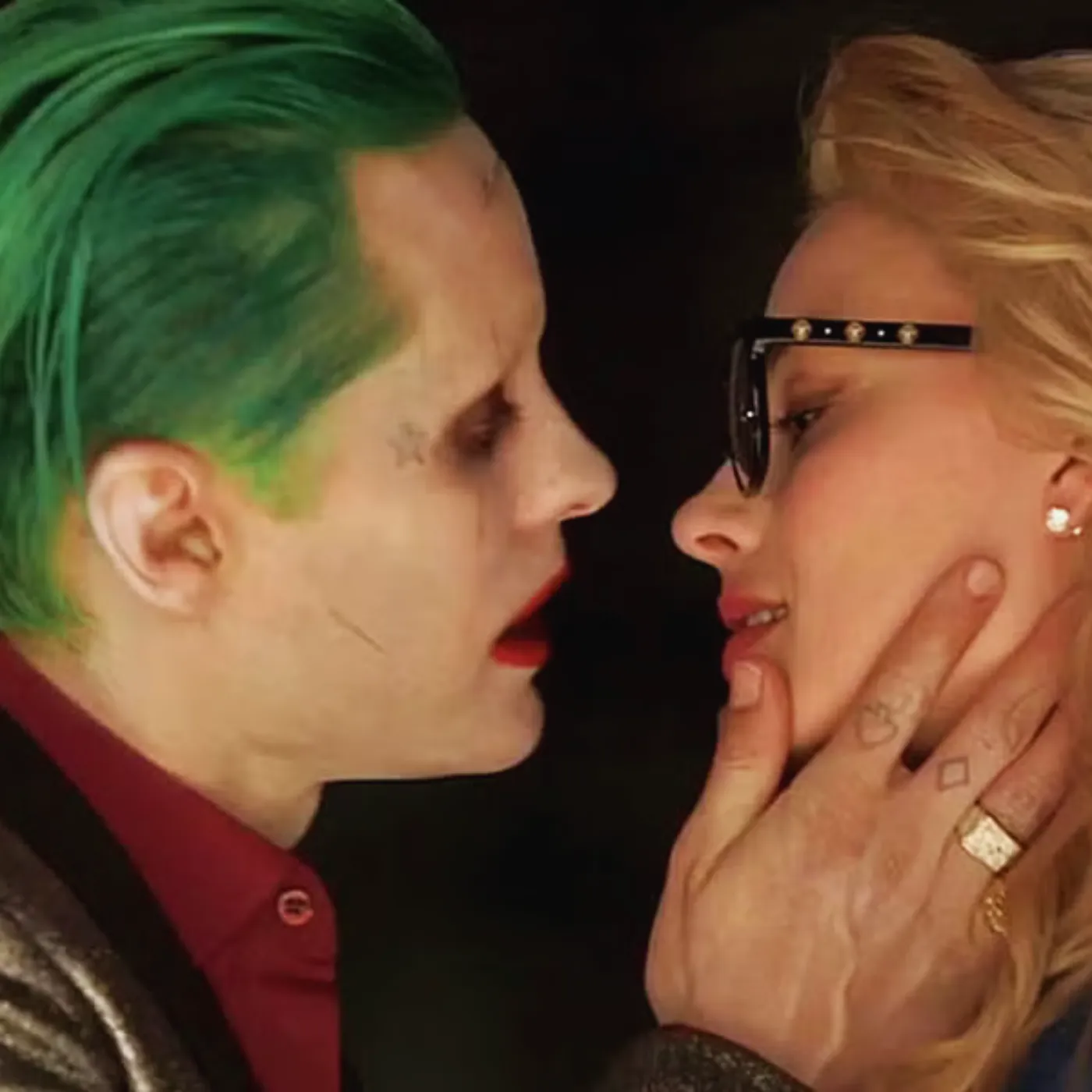
Yes, you read that right—there wasn’t even a finished script to read. This wasn’t a student short film, or some quick indie project. It was a massive, studio-backed, franchise-building gamble that would help redefine her career in ways both spectacular and, for some fans, a bit controversial.

Margot Robbie’s Shocking Admission That Set Fans Talking
During an interview that’s been bouncing around social media feeds and entertainment blogs like wildfire, Margot Robbie told the world exactly how it went down.
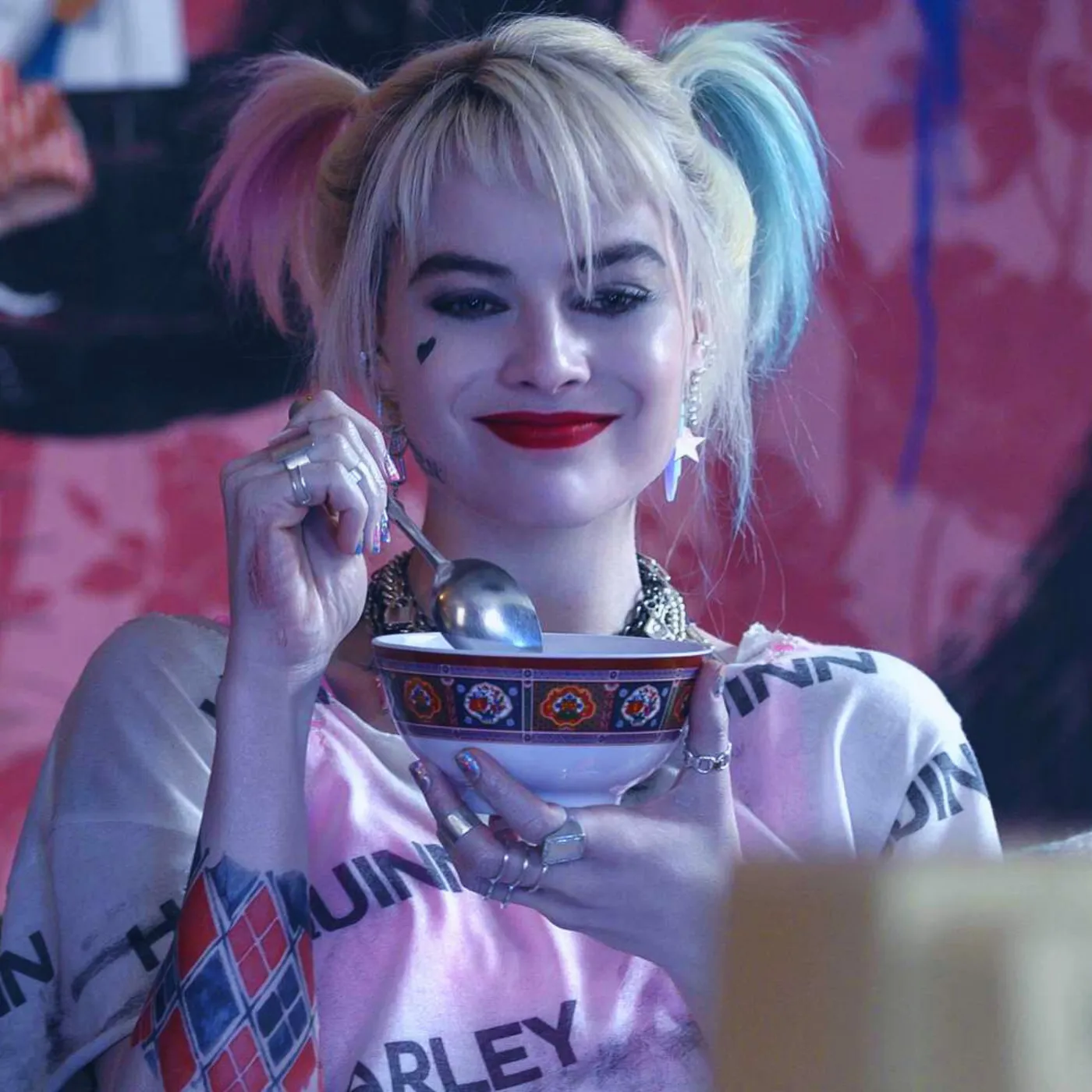
“I was like, ‘Okay, can I read the script?’ And they were like, ‘There’s no script.’ ‘Okay, is there anyone attached?’ ‘No one attached.’ ‘Is there a director?’ ‘Yeah, David Ayer.’ And I was like, ‘Well, I’m in!’ And that was kind of it!”
That quote alone has fueled countless debates about Hollywood’s reckless habits, actor privilege, and the power of raw charisma to carry a project even when the foundations are shaky.
It also forced fans to ask the question that still lingers: How does a professional actor—one with Oscar nominations and international credibility—sign onto a film without even reading what they’re getting into?
Harley Quinn: The Role That Made It Worth It
The answer, of course, is Harley Quinn.
Few characters in recent pop-culture history have been as instantly iconic as Robbie’s Harley Quinn in Suicide Squad.
From the bleached pigtails to the baseball bat to the psychotic, gleeful grin, Robbie’s performance became the film’s marketing centerpiece. Even those who hated the movie grudgingly admitted she was the best part of it.
In many ways, her gamble paid off spectacularly: Harley Quinn made her a global household name and launched her into a new tier of Hollywood royalty.
But Suicide Squad itself? That’s another story.
The Notorious Reputation of Suicide Squad
Suicide Squad is, at best, a divisive film.
Marketed as a dark, edgy answer to the superhero genre, it was famously plagued by reshoots, studio interference, and conflicting visions. Critics trashed the final cut as incoherent, tonally messy, and aggressively try-hard.
Yet it made a lot of money.
That box office haul proved Margot Robbie right in one sense: from a business perspective, the role was a goldmine. But it also left her tied to a film that many fans and reviewers consider a cautionary tale about blockbuster filmmaking.
In Facebook and Twitter threads, people still bicker about whether she “wasted her talent” or “saved the whole movie.”
An Actor’s Risky Faith in Directors
It wasn’t blind faith in the void, though—it was faith in David Ayer.
Known for End of Watch and Fury, Ayer had a reputation for gritty, intense storytelling. Robbie was sold on the idea that he’d craft something real and visceral, even if there was no finished script.
“I trusted him,” she’s said in multiple interviews.
But even Ayer would later say the studio cut and rearranged the film away from his vision. Robbie’s gamble was trusting a director who ultimately wasn’t allowed to deliver what he promised.
Fans have long speculated about the infamous “Ayer Cut”, a supposedly darker, more coherent version of Suicide Squad that Warner Bros. has never released. The existence of that cut is a fan campaign all its own.
The Facebook Comment Wars
Post any article about Robbie’s Suicide Squad signing on Facebook and watch the chaos erupt.
You’ll see comments like:
-
“That’s Hollywood for you. No script but they’ll throw millions at it.”
-
“She was the only good thing about that mess.”
-
“This is why movies suck now. Nobody reads the script!”
-
“Honestly respect her hustle though. She made Harley her own.”
The reactions prove something critical for social media marketing: Margot Robbie is polarizing in the best possible way. Even the haters keep talking about her.
Brand-Building or Career-Damaging?
Did it hurt her?
Not even close.
After Suicide Squad, she delivered powerhouse performances in I, Tonya, Once Upon a Time in Hollywood, and Babylon. She led the record-shattering global juggernaut Barbie.
Harley Quinn returned in Birds of Prey and The Suicide Squad, with Robbie taking far more creative control the second time around.
She turned what could have been a one-dimensional, oversexualized comic relief into a complex antihero that even critics learned to respect.
It’s marketing genius.
Hollywood’s Love Affair with Star Power
Robbie’s confession about saying “Well, I’m in” without a script is also a window into how the industry actually works.
-
Big studios don’t always have a finished plan—they have a brand.
-
Actors don’t just choose projects—they become the project.
-
Star power sells movies more than screenplays ever will.
From a marketing perspective, this is exactly what studios want: an actor willing to dive in headfirst, lending credibility, hype, and press bait to a film before there’s even a story.
The Ethics of Selling the Unknown
Of course, not everyone is charmed.
Critics argue that this approach dumbs down cinema to a hype machine, sacrificing art for branding.
Facebook debates rage over whether Robbie should have demanded a script before committing.
Yet at the end of the day, the receipts speak louder.
She helped Suicide Squad rake in hundreds of millions. She got spinoffs greenlit. She turned Harley Quinn into a lasting IP.
Was it artistically pure? Probably not.
Was it effective? Unquestionably.
What Robbie Says Now
These days, she’s open about how weird it was to sign onto something so vague.
She’s even joked about the story in interviews, acknowledging that it was reckless—but in a “Hollywood reckless” kind of way that somehow worked out.
In a world where stars fight for roles, she got offered one without any real details because they knew she was the marketing plan.
Lessons for Hollywood and Beyond
-
Faith in Vision: Sometimes trusting a director pays off, sometimes it doesn’t.
-
Selling the Brand: Studios bank on an actor’s name more than a screenplay.
-
Actor as Product: Robbie wasn’t just in Suicide Squad—she was Suicide Squad to many fans.
It’s both cautionary and inspiring, a testament to what happens when talent, opportunity, and marketing intersect in a messy but wildly profitable way.
Margot Robbie’s Legacy Isn’t Defined by One Mistake
If you’re hoping she regrets it? Don’t hold your breath.
She’s acknowledged it with a laugh. She got the role she wanted. She got paid. She became a franchise cornerstone.
Even if Suicide Squad is on the list of “terrible movies” she agreed to without a script, it didn’t stop her. It became a stepping stone.
She proved that even the most reckless choices can work out if you have the talent—and the nerve—to own them.
So the next time you see Margot Robbie trending on Facebook, just remember: she’s been playing 4D chess while the rest of Hollywood was trying to read the instructions.
Related News