





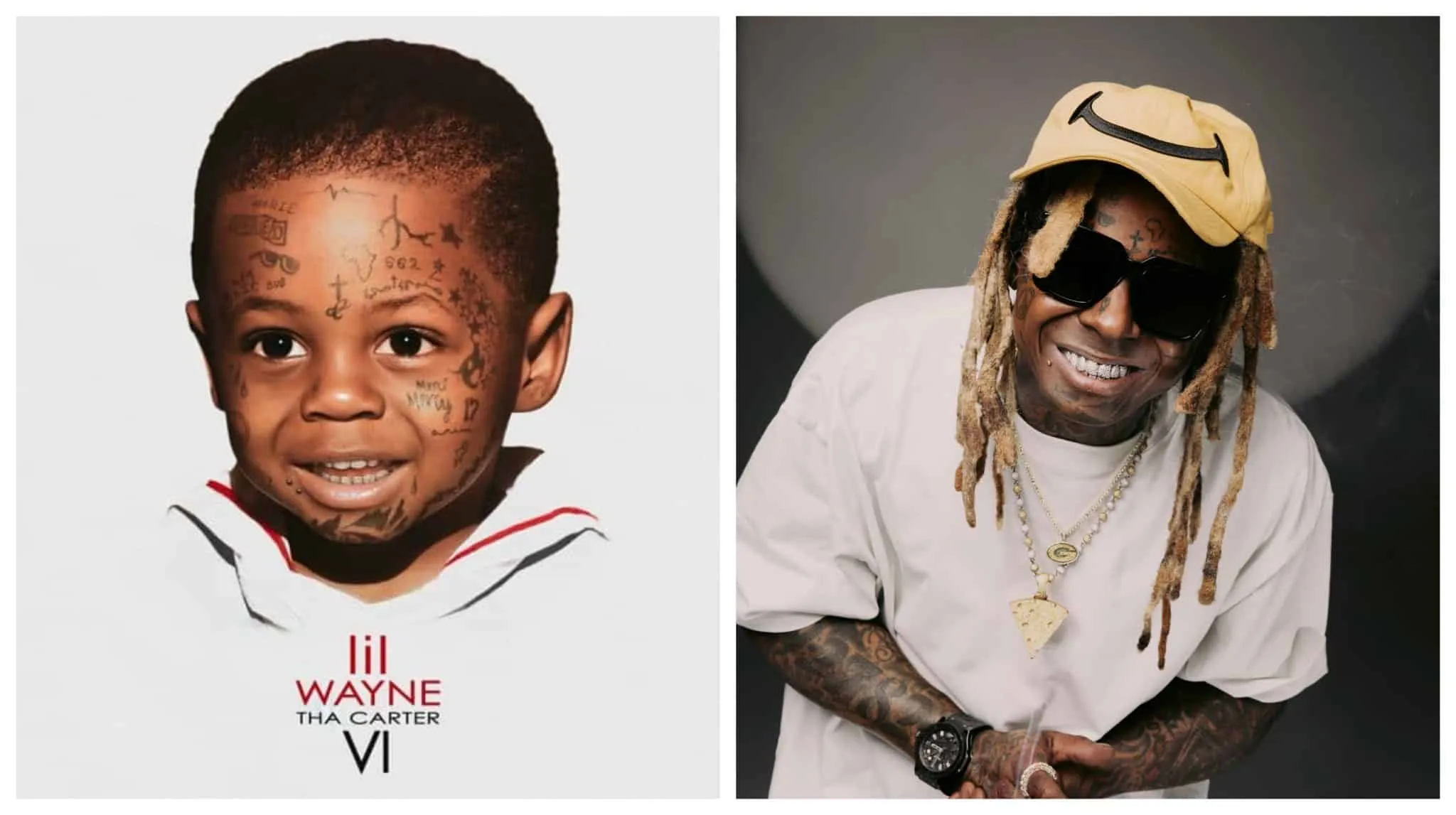
Lil Wayne Returns with a Bold New Sound — And Forces a Major Rap Name to Quietly Delete His Diss Track
Tha Carter VI Isn’t Just a Comeback — It’s a Reckoning
When Lil Wayne released Tha Carter VI, the hip-hop world didn’t just react—it stood still. For a few hours, it felt like the genre had stopped spinning, holding its breath for the return of one of its most iconic voices. And then, something strange happened: a rapper who had been publicly critical of Wayne quietly pulled a diss track he’d just uploaded. No explanation. No tweet. Just vanished.
Why the sudden silence? Simple: Tha Carter VI didn’t just answer the doubters. It shut them up.
This isn’t just about bars or beats—it’s about a legacy reasserting itself in a game that often forgets its architects.
How Does Tha Carter VI Stack Up?
To understand the magnitude of this album, you need to revisit the series.
Tha Carter III (2008) was a cultural moment. It didn’t just dominate charts—it defined a generation. Tha Carter V (2018) was delayed, personal, and reflective—showing Wayne’s scars and victories but missing some of his earlier bite.
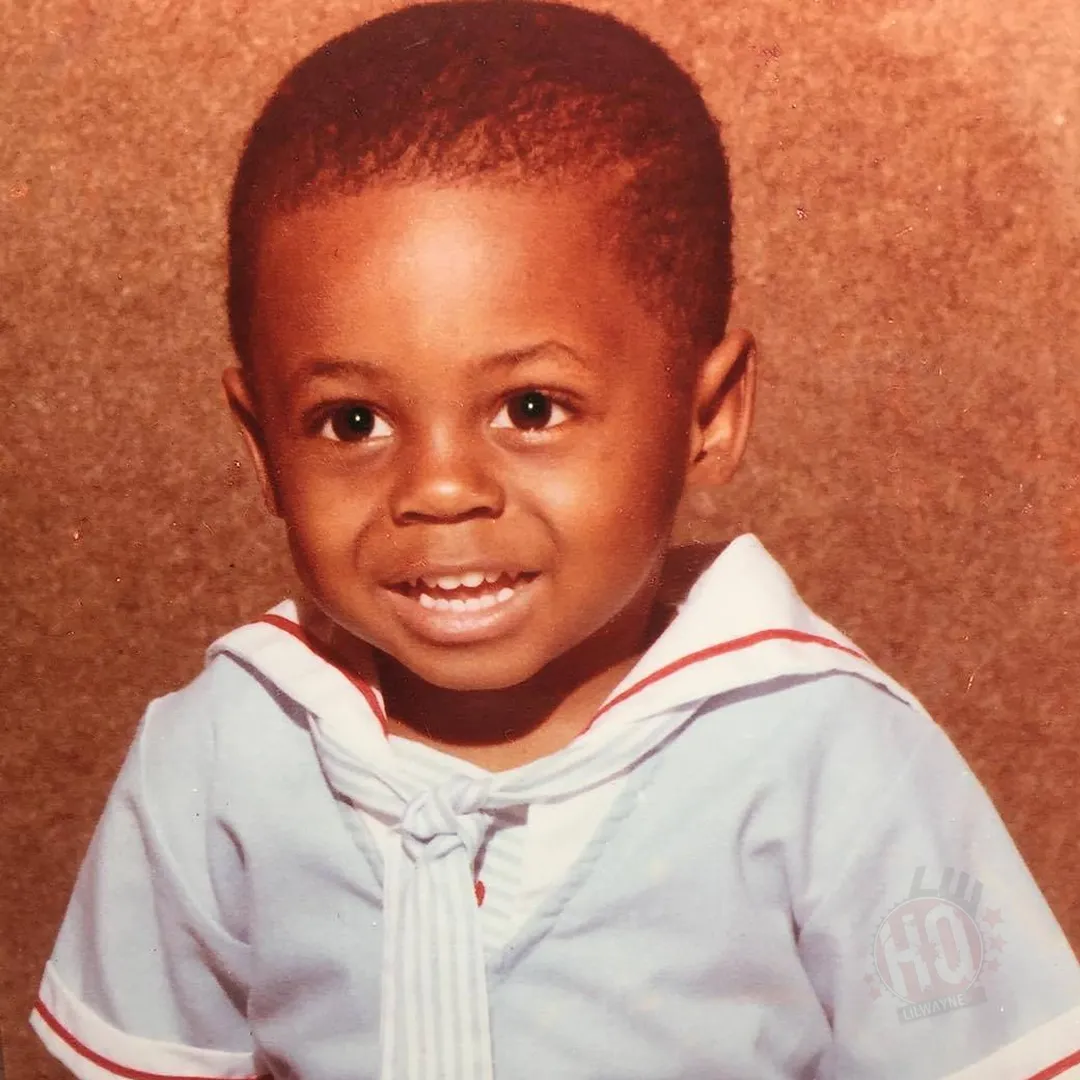
Now comes Tha Carter VI, and it lands somewhere between war cry and meditation. It’s hungrier than V, riskier than IV, and more polished than II. While fans will debate where it lands in the hierarchy, one thing is clear: this isn’t a man chasing relevance. This is a man reminding everyone who wrote the manual.
Sound & Production: No Rules, Just Fire
From track one, Tha Carter VI lets you know it’s not playing by the rules. The opener, “Genesis Mode,” is a dark, orchestral thriller that sounds more like Kanye’s Yeezus than anything from Young Money’s past. It’s cinematic. It’s unsettling. And it’s bold.
Wayne’s first verse comes fast and layered, setting a tone that never lets up. There’s no comfort zone here. From distorted trap to jazz-infused beats and eerie industrial undertones, the album experiments—yet never feels directionless.
The standout production? “Concrete Butterflies.” It’s produced by a rising Atlanta team known as H8RZCLUB, and it sounds like nothing else on the charts right now. Wayne rides the haunting, off-kilter beat with a calm menace, spitting lines like:
“I sip silence through a bent straw / Talk to the void like it’s kinfolk.”
That’s not just clever. That’s poetry dressed in paranoia.
Bars, Metaphors, and Mayhem: Is the Pen Still Sharp?
Let’s clear it up: Lil Wayne still has bars. Deep ones.
The most talked-about track, “Misfit Gospel,” finds Wayne spitting flames wrapped in religious and cultural metaphors:
“I baptized my enemies in gasoline / Watched ‘em burn with a Bible in my limousine.”
Speculation exploded—was this aimed at Kanye? J. Cole? Or just Wayne flexing his lyrical dexterity with no target in mind? Either way, it’s a chilling reminder of why nobody dissects the English language quite like Tunechi.
Another standout, “Memory Lane” featuring Jazmine Sullivan, taps into raw emotion. Wayne gets personal about his upbringing, pain, and fractured family dynamics:
“Mama held the world, but it cracked in her grip / And I picked up the pieces with a bloodied lip.”
It’s storytelling at its finest, delivered with restraint and vulnerability that feels earned.
Features That Matter — And One That’s Missing
You can’t talk Carter without collabs, and this one doesn’t disappoint.
-
Kendrick Lamar shows up on “Mirror Twins,” engaging Wayne in a back-and-forth spar over a minimalist jazz loop. Both rappers shine, but Wayne surprises most by ending his verse with a French spoken-word monologue that had fans scrambling for translations.
-
Nicki Minaj reunites with Wayne on “Money Orbit,” a high-speed banger that proves their chemistry hasn’t faded. Wayne switches flows five times in less than a minute, turning the track into a rap clinic.
-
UK lyricist Lil Simz makes a poignant appearance on “Open Letter II,” her verse drenched in introspection and grief. Giving space to a rising voice like hers was a smart, generous move by Wayne.
But one name is notably missing: Drake.
While never officially confirmed, rumors of a fallout have circulated for months—and fans were quick to point out the missing verse on “Ghost Dial,” which sounds like it had a second verse removed. Coincidence? Hard to say. But the silence speaks volumes.
The Vanishing Diss: A Warning Shot Heard Around the Web
Now to the deleted diss track. Just hours before Tha Carter VI went live, an Atlanta trap rapper dropped a single that directly mocked Wayne’s age, drug history, and status. The song—titled “Funeral’s Over”—barely lasted a few hours online.
By sunrise, it was gone. Completely scrubbed. No tweets, no apologies. Just deleted. Internet sleuths archived the track, but most agreed: the timing was suspicious. Did legal pressure come down? Or did the artist simply realize he wasn’t ready for the smoke?
Wayne didn’t address it publicly. He didn’t need to.
The Evolution of a Legend: What’s Changed?
Tha Carter VI isn’t trying to sound trendy—it is the trend. And that’s the difference.
Wayne keeps his signature eccentricity: pitch shifts, wild metaphors, fearless concepts. But the album is more refined. The clutter is gone. There’s less autotune. More control. More clarity.
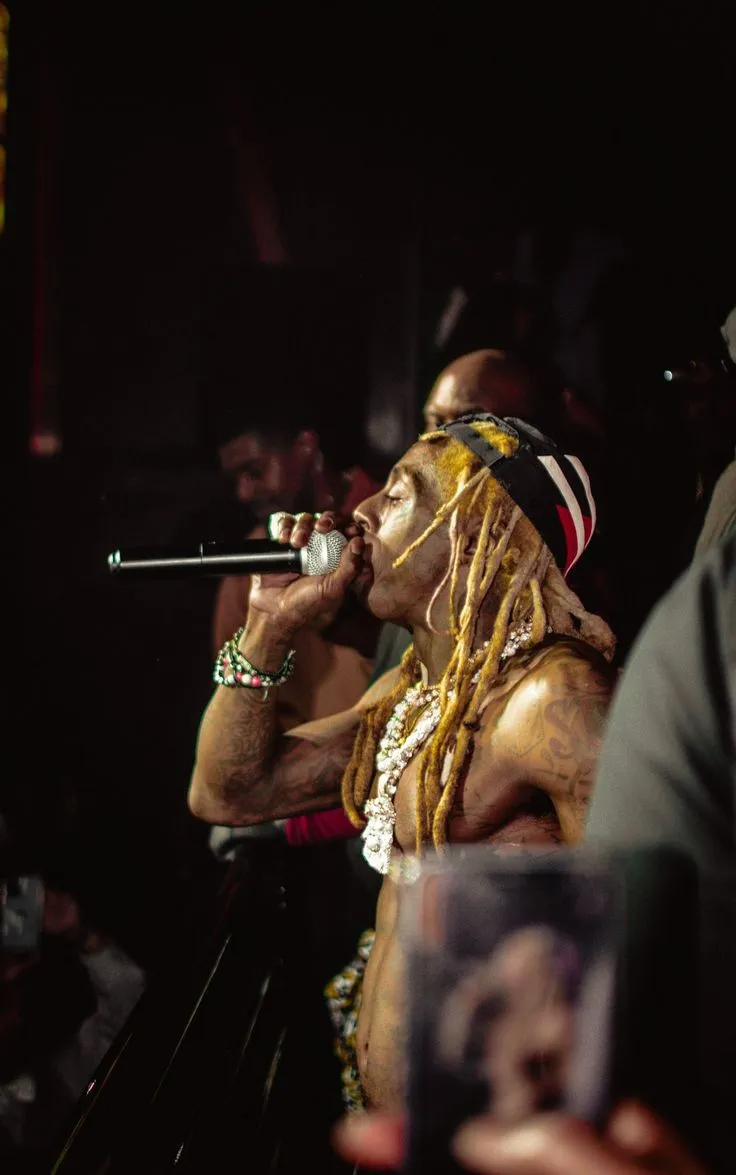
On “Silhouette in Gold,” Wayne spits:
“I’m the ghost in the hallway of your Spotify / The father you quote but never testify.”
It’s a moment of eerie self-awareness—and a reminder that the rappers dominating charts today are doing so on foundations Wayne helped build.
Final Verdict: Not Just an Album—A Power Move
Let’s be honest. Tha Carter VI isn’t flawless. A couple of tracks (“Virtual Strip Club,” “Moshpit Heaven”) don’t land. But when 13 out of 18 songs are strong to exceptional, you’re looking at a statement project.
It’s bold in sound, deep in writing, smart in features, and rooted in legacy. The Hov feature, the deleted diss, the resurgence of lyrical Wayne—it all amounts to something bigger than music.
In a year when veteran rappers are either retiring quietly or stuck in nostalgia mode, Lil Wayne has done the unthinkable: he’s evolved again—without begging for relevance.
If Tha Carter VI proves anything, it’s that Lil Wayne still sees the mic not as a prop, but a weapon.
And he’s still dangerous.
Related News