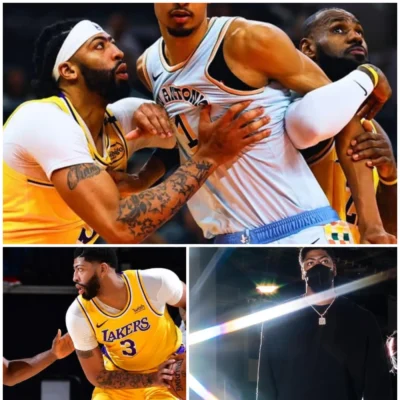







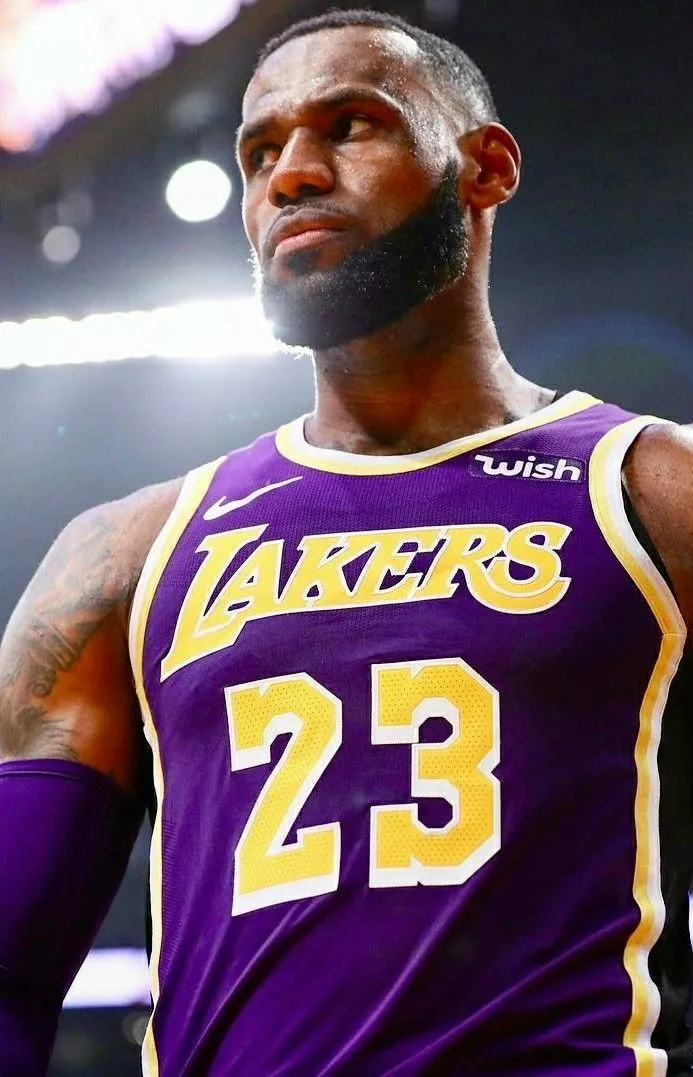
LeBron Once Believed the Miami Heat Were the Team Everyone Wanted to Watch – But He Admitted They Lived Under Hostile Fire in Every City!
When LeBron James looks back at his time with the Miami Heat, one memory still burns the brightest: the feeling of being the most hated team in the NBA. In a rare admission, the four-time NBA champion revealed that during the early years of the Heat’s “Big Three” era, every road game felt like walking into enemy territory.
“We had a big bull’s eye on our chest,” James said, describing the overwhelming hostility he and his teammates faced. It wasn’t just boos or heckling. It was a cultural moment, a nationwide backlash that turned the Heat into villains overnight. And more than a decade later, fans are still debating whether the hate was justified—or if it fueled one of the most dominant runs in modern basketball.
The Birth of the Villains – How the Decision Changed Everything
In 2010, when LeBron James shocked the world with “The Decision,” leaving his hometown Cleveland Cavaliers to join forces with Dwyane Wade and Chris Bosh, NBA history shifted. Fans expected a shake-up, but what followed was unprecedented. From the moment James announced, “I’m taking my talents to South Beach,” the Heat became the league’s most polarizing team. Overnight, arenas turned into battle zones.
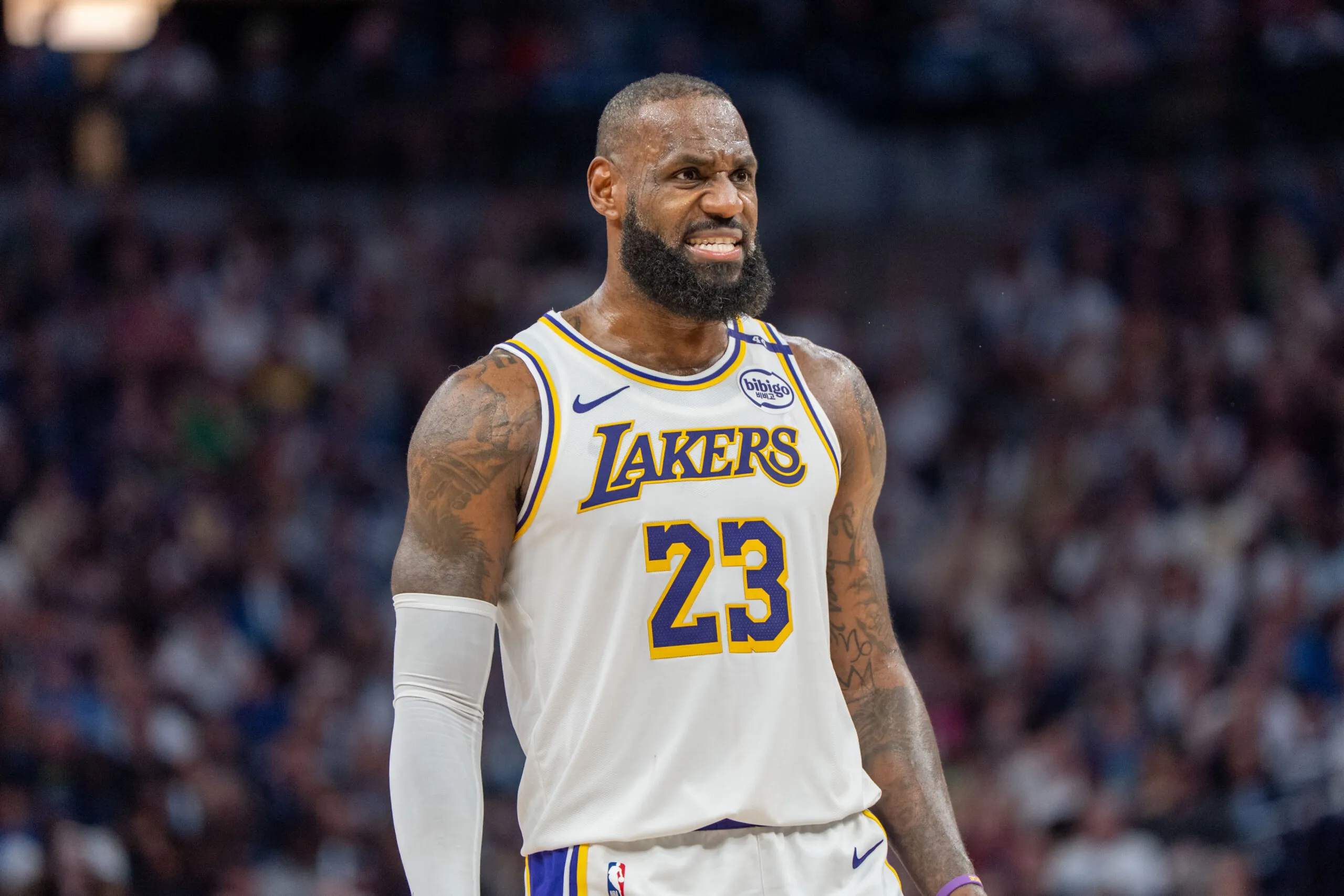
Cities like Boston, Chicago, and Cleveland circled Miami’s games on the calendar. Jerseys were burned, headlines screamed betrayal, and even neutral fans turned hostile. The NBA had always celebrated dynasties, but this felt different. This was the first time a player in his prime chose to form a superteam rather than letting it happen organically. The backlash was immediate, and James—who once wanted to be loved—was now cast as the NBA’s ultimate villain.
“Every City Hated Us” – The Reality of Life on the Road
LeBron’s candid reflection sheds light on what it was really like during that stretch. Every away game felt like Game 7. The boos were deafening, signs were brutal, and hecklers followed the team everywhere.
According to James, even routine regular-season games carried playoff-level intensity because opponents wanted nothing more than to beat the Heat. “Everywhere we went, the hostility was on another level,” James admitted. And it wasn’t just fans—players also raised their game against Miami. Veterans who had little left in the tank suddenly played their best basketball. Young stars used Miami as their proving ground. The Heat weren’t just competing for wins—they were competing against an entire league’s pride.
The Cleveland Betrayal – Why the Hate Was Personal
No city took it harder than Cleveland. For Cavs fans, LeBron wasn’t just a player—he was a hometown hero, a beacon of hope for a championship-starved franchise. His departure felt like abandonment.
Owner Dan Gilbert’s infamous letter, written in Comic Sans, accused James of betrayal, cowardice, and selfishness. Every time the Heat returned to Cleveland, the atmosphere was electric with hatred. The boos were louder, the signs more vicious, and the energy more hostile than anywhere else. For James, those nights were overwhelming. It wasn’t just basketball—it was personal. And yet, those hostile nights in Cleveland became defining moments in shaping James’ mental toughness.
How the Heat Responded – Building a Championship Identity
Despite the hostility, the Heat embraced their villain role. Dwyane Wade often said that the hate only made them stronger. Chris Bosh acknowledged that every game felt like war. And James? He eventually grew comfortable in the role of the NBA’s bad guy.
Instead of running from the pressure, the Heat leaned into it, developing a mentality that would carry them to four straight NBA Finals appearances and two championships. The adversity, James later admitted, forced him to evolve as both a leader and a competitor. He couldn’t just rely on talent—he had to embrace the grind, the pressure, and the hate. That transformation shaped the player who would later lead Cleveland to its first-ever championship and the Lakers to another title years later.
The 2011 Collapse – When Hate Became a Burden
But before the triumph came heartbreak. The Heat’s first season together ended in disaster when they lost to the Dallas Mavericks in the 2011 NBA Finals. James, who had been vilified all season, crumbled under the weight of expectations. He admitted later that he wasn’t mentally prepared to carry the hate while also leading a team to the top.
For critics, the collapse was proof that James wasn’t built for greatness. But for James himself, it was a turning point. That failure, combined with the overwhelming hostility, forced him to confront his weaknesses. He later credited that season with being the catalyst for his evolution into the all-time great we know today.
Redemption – Turning Hate into Fuel
The next season, LeBron came back with a vengeance. He dominated the league, silenced critics, and led the Heat to back-to-back championships in 2012 and 2013. Ironically, the same hate that once overwhelmed him became his greatest fuel. “We had to take on that villain role and thrive in it,” James reflected.
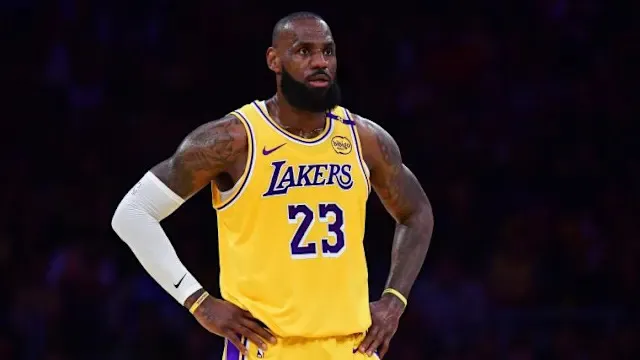
Fans may not have loved him, but they respected him. And in a strange twist, being hated gave the Heat a unity and focus that might not have existed otherwise. Miami wasn’t just winning titles—they were rewriting the blueprint for how modern superteams would operate.
The Legacy of the Villain Era
Today, when fans look back at the Heat’s Big Three era, the question lingers: was the hate justified? Some argue that the backlash was overblown, that James had the right to choose his career path. Others believe it was a natural response to a superstar taking control of the league in a way no one had seen before.
But one thing is undeniable—the hostility forged a tougher, smarter, and more dangerous LeBron James. Without that adversity, would he have become the player who brought Cleveland its long-awaited championship in 2016? Would he have carried the Lakers to a title in 2020? Probably not. The villain years shaped him in ways nothing else could.
Why Fans Still Care
Even now, more than a decade later, fans still debate the era passionately. Clips of the Heat being booed off buses, burned jerseys, and angry crowds continue to go viral. Younger NBA fans who missed it live look back with shock, wondering how one player could generate so much hate.
For older fans, it remains one of the most electrifying storylines in sports history—a reminder of how powerful narrative, loyalty, and rivalry can be in shaping the culture of the game. And for James, it’s proof that even when the world turns against you, greatness can still be forged in the fire.
Final Thoughts – The Most Human LeBron We’ve Seen
For years, LeBron James has been analyzed as an athlete, a brand, and a champion. But this admission—the overwhelming feeling of being hated everywhere he went—humanizes him in a way fans rarely see. It’s a reminder that even the greatest players struggle under pressure, even legends feel the weight of expectation.
And maybe that’s why this story has captured so much attention. It’s not just about basketball. It’s about how a man dealt with being the most hated figure in sports and turned it into a legacy that will last forever.
Related News