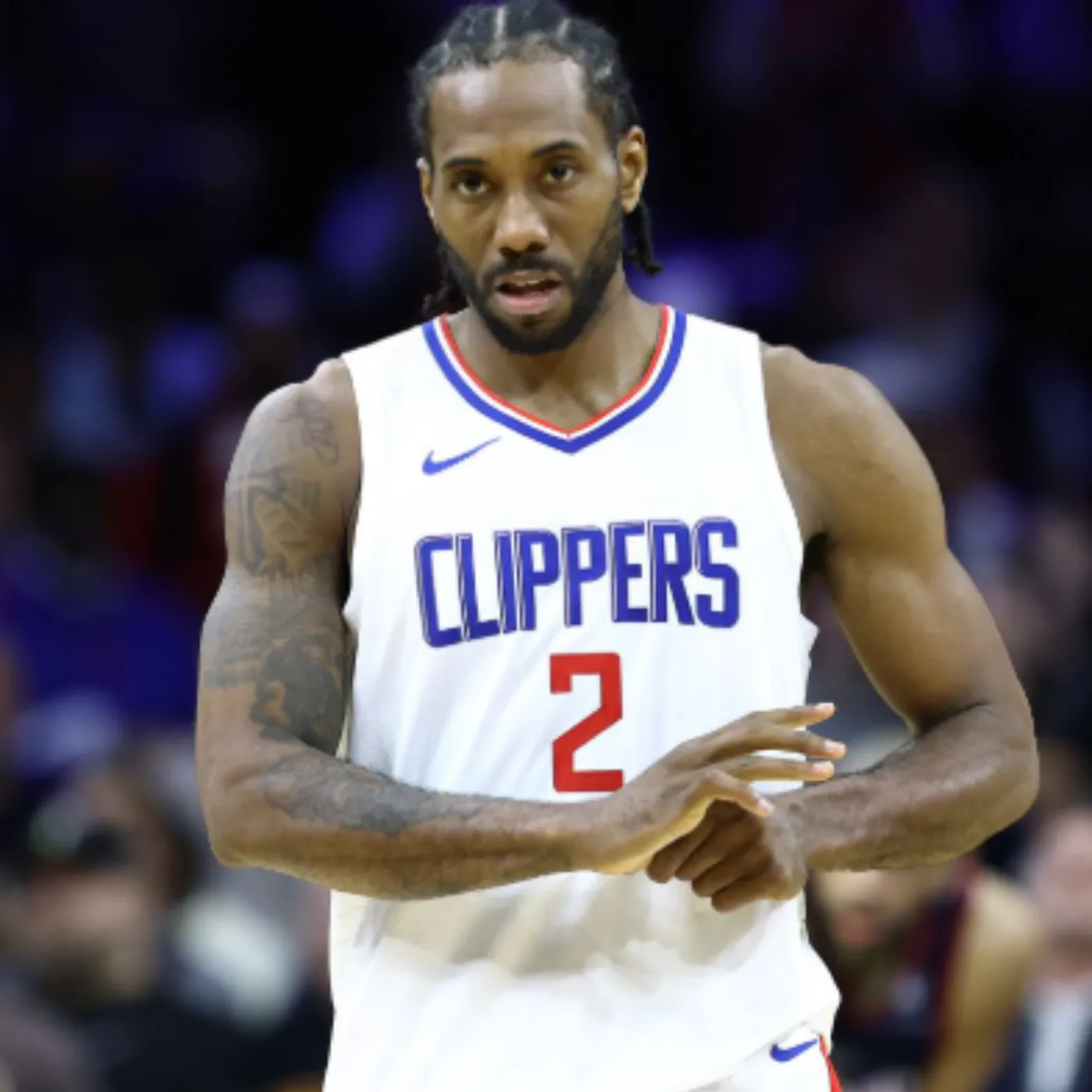






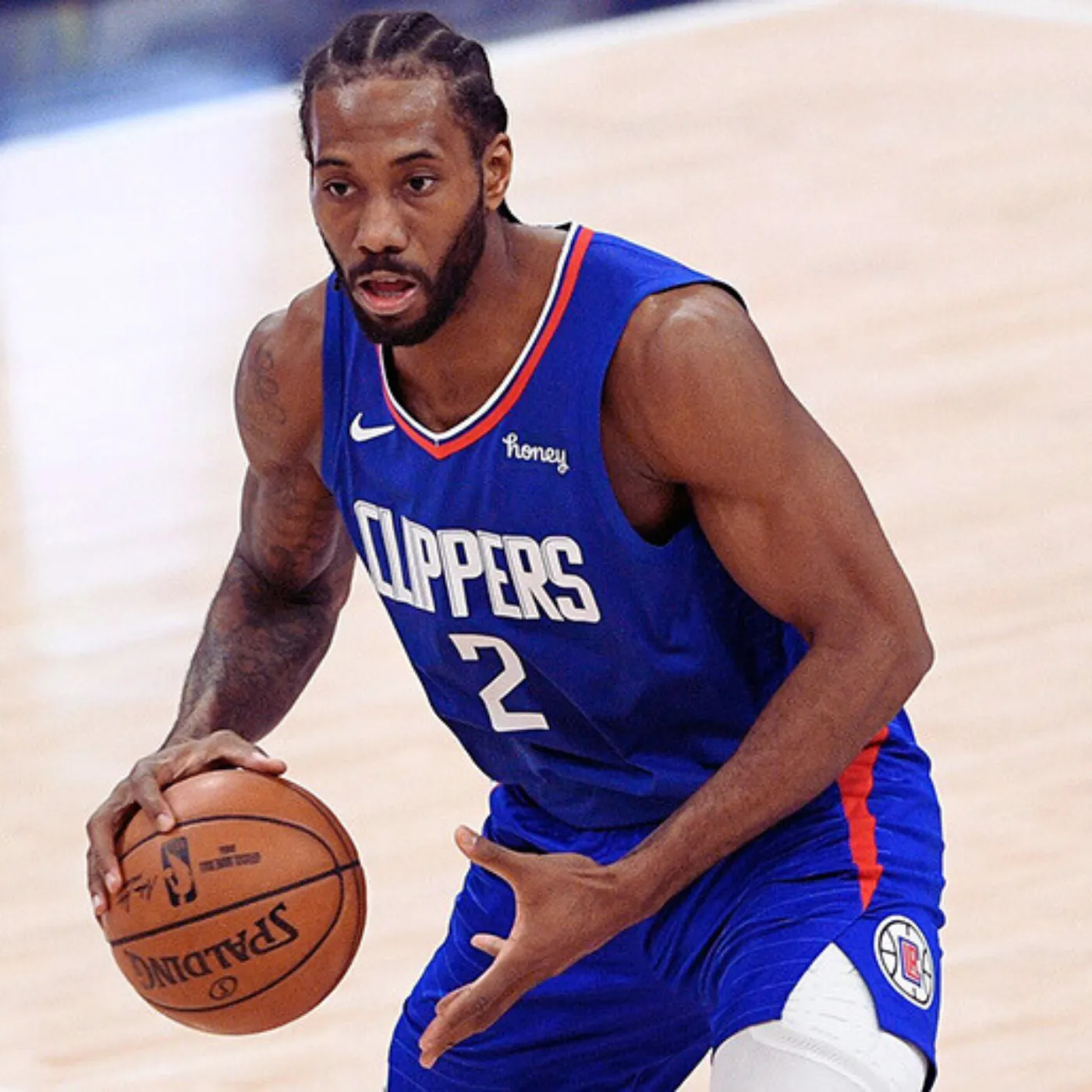
Kawhi Leonard: The Legend That Could Have Been—If Not for THIS Shocking Twist
In the ever-changing world of the NBA, there are names that live in eternal glory—Michael Jordan, Kobe Bryant, LeBron James—and then there are names that spark heated debates, “what if” conversations, and endless highlight reel replays. Kawhi Leonard belongs to that second group.
On paper, he’s a two-time NBA champion, a two-time Finals MVP, and a Defensive Player of the Year. In his prime, he was the league’s most feared two-way player—a silent assassin with a robotic demeanor and a game built for the biggest moments.
But for every jaw-dropping dunk or lockdown defensive possession, there has been something lurking in the shadows, derailing his chase for immortality: injuries.
The Rise: From Quiet Rookie to NBA Superstar
When Kawhi entered the league in 2011, few expected him to become the face of championship basketball. Drafted by the Indiana Pacers but immediately traded to the San Antonio Spurs, he joined a team with established legends—Tim Duncan, Tony Parker, and Manu Ginóbili.
In those early years, Kawhi was the ultimate team player—quiet, efficient, and ruthless on defense. His breakout came in the 2014 NBA Finals, when he locked down LeBron James and earned Finals MVP honors at just 22 years old.
By then, fans were already whispering: “This guy could be special… maybe even historic.”
The Shift: Leaving San Antonio
Kawhi’s career took a dramatic turn in 2018 when he left the Spurs after a controversial standoff with the organization over—you guessed it—injuries. A lingering quadriceps issue became the center of one of the most dramatic sagas in modern NBA history.
The Spurs’ medical staff said he was ready to play. Kawhi disagreed. What followed was months of tension, cryptic media statements, and eventually, a trade request.
He landed with the Toronto Raptors—and in one season, he did what no player in franchise history had done before: bring a championship to Canada.
The 2019 Peak: The Shot Heard Around the World
Kawhi’s 2019 playoff run is still the stuff of legend. The buzzer-beating Game 7 shot against the Philadelphia 76ers—a rainbow jumper that bounced four times before dropping—instantly became one of the most iconic moments in basketball history.
He went on to dismantle the Milwaukee Bucks in the Eastern Conference Finals and then outduel the injury-depleted Golden State Warriors in the Finals.
That summer, he was the guy. The league’s silent king. The man who could choose his destiny.
The Fall: Injuries Strike Again
But here’s where the story shifts from dominance to heartbreak.
After signing with the Los Angeles Clippers in 2019, Kawhi was supposed to lead the team to multiple championships. Instead, injuries kept writing the narrative.
-
In 2021, a torn ACL during the playoffs ended his season.
-
In 2022, he missed the entire season recovering.
-
In 2023, knee issues struck again in the postseason, cutting short another promising run.
Every time Kawhi seemed ready to reclaim his throne, his body betrayed him.
Why This Hurts His Legacy
In basketball culture, availability is a skill. Fans and analysts often say, “The best ability is availability.” And unfortunately, that’s where Kawhi has fallen short.
It’s not just about missing games—it’s about missing moments. The NBA’s greatest players are remembered for their ability to deliver in every postseason, year after year. Kawhi’s stop-and-go career has left too many “what if” seasons on the table.
Imagine if he had played every postseason healthy from 2017 onward. We might be talking about five rings, multiple MVP awards, and a clear spot in the top 10 players of all time conversation.
The Fan Divide
Scroll through Facebook or Twitter after any Clippers game and you’ll see it: the fan divide.
On one side, there are the die-hards, insisting Kawhi is still one of the best players alive when healthy. They point to his efficiency, his defense, and the fact that he’s unguardable in the midrange.
On the other side, there are the critics—frustrated by his load management and long injury absences. To them, Kawhi represents wasted potential.
This split has only fueled the debate: Can you be considered a true legend if your career is defined as much by absence as by greatness?
The Numbers Don’t Lie
From 2019 to 2024, Kawhi played in just 57% of possible games. That’s not enough for fans who invest emotionally—and financially—in their teams.
Yet when he does play, his numbers remain elite:
-
25+ points per game
-
Nearly 50% shooting from the field
-
Elite defensive metrics
This paradox—elite performance but inconsistent availability—has kept Kawhi stuck in the middle of the legend ladder.
The Media’s Complicated Love Affair with Kawhi
Mainstream sports media has always struggled with Kawhi. Unlike LeBron or Curry, he doesn’t give headline-friendly interviews. He doesn’t have viral social media moments (aside from the infamous “Kawhi laugh” clip).
This lack of personality in the media’s eyes has amplified the injury narrative. Without a constant media presence, injuries become the main talking point.
The Bigger Question: Can He Still Change the Story?
Kawhi is 33. By NBA standards, that’s the start of the “veteran years.” But history has shown that players with disciplined skill sets—especially those who rely on fundamentals over athleticism—can still dominate into their mid-30s.
If he can string together two or three injury-free seasons, Kawhi could still rewrite the final chapters of his career. Another championship would go a long way toward silencing the critics.
But that’s a big “if.”
The Verdict
Kawhi Leonard’s career will always be one of basketball’s great paradoxes. When healthy, he’s nearly unstoppable—a player who can lock down the league’s best scorers and drop 30 points without breaking a sweat.
But the constant injuries have robbed fans of seeing him at his best for an entire era. They’ve also robbed Kawhi of a legacy that could have rivaled the greatest of all time.
Whether you see him as an all-time great or a “what could have been” story depends on how much weight you put on availability versus peak performance.
Final Thought:
If championships are the currency of greatness, Kawhi has two. But if consistency is the price of immortality, he’s been paying in missed games for far too long.
For now, Kawhi Leonard remains basketball’s most dominant “what if”—a player who could have owned an era but was instead forced to battle his own body. And until that changes, his name will live in the history books not just for what he achieved, but for what he could have achieved.
Related News