





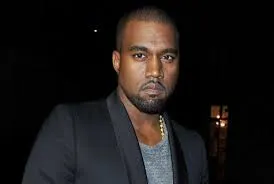
Kanye’s “WW3” Suddenly Disappears After Mentioning Hitler and the KKK — Is He Playing with Fire?
“They tried to silence me before. This time, the world will hear.” — Ye, on “WW3”
In an era where music is no longer just entertainment but a platform for political statements, Kanye West — now known simply as Ye — has once again shocked the world with his controversial single, “WW3.” But just days after its release on major streaming platforms, the track mysteriously vanished.
No announcement. No explanation. Just gone.
So what happened? Why would a track with clear production investment and global anticipation disappear without warning?
Many point to the lyrics of WW3, where Ye boldly references Hitler, the KKK, and other symbols of historical extremism that continue to haunt the world’s conscience. Lines that evoke racial tension, warfare, and ideological chaos raise the question:
Was this Ye’s attempt at pushing the limits of artistic freedom — or a premeditated self-destruction, crafted for shock value?
WW3 – A Chaotic Declaration of War from Ye
Released quietly in late March 2025, Ye’s explosive single “WW3” arrived with no promo campaign, no media strategy, and not even a teaser. Yet, within just 48 hours, the track erupted across the internet.
Over 300,000 TikTok stories featured the song, it quickly trended on Twitter with the hashtag #WW3Ye, and sparked fierce debates on Reddit, especially in subs like r/hiphopheads, r/Kanye, and r/controversialmusic.
Despite its low-key release, “WW3” became a viral firestorm, driven by its provocative lyrics, dark themes, and politically charged imagery. Fans were split: some hailed it as Ye’s most daring work since Yeezus, others condemned it as reckless provocation.
Why Did “WW3” Suddenly Vanish After Just a Few Days?
On March 29, 2025, fans noticed something strange: Ye’s controversial single “WW3” was no longer available on Spotify, Apple Music, and Tidal. Many users reported receiving a vague message: “This content is no longer available due to community guidelines.” Yet, none of the platforms issued a formal explanation.
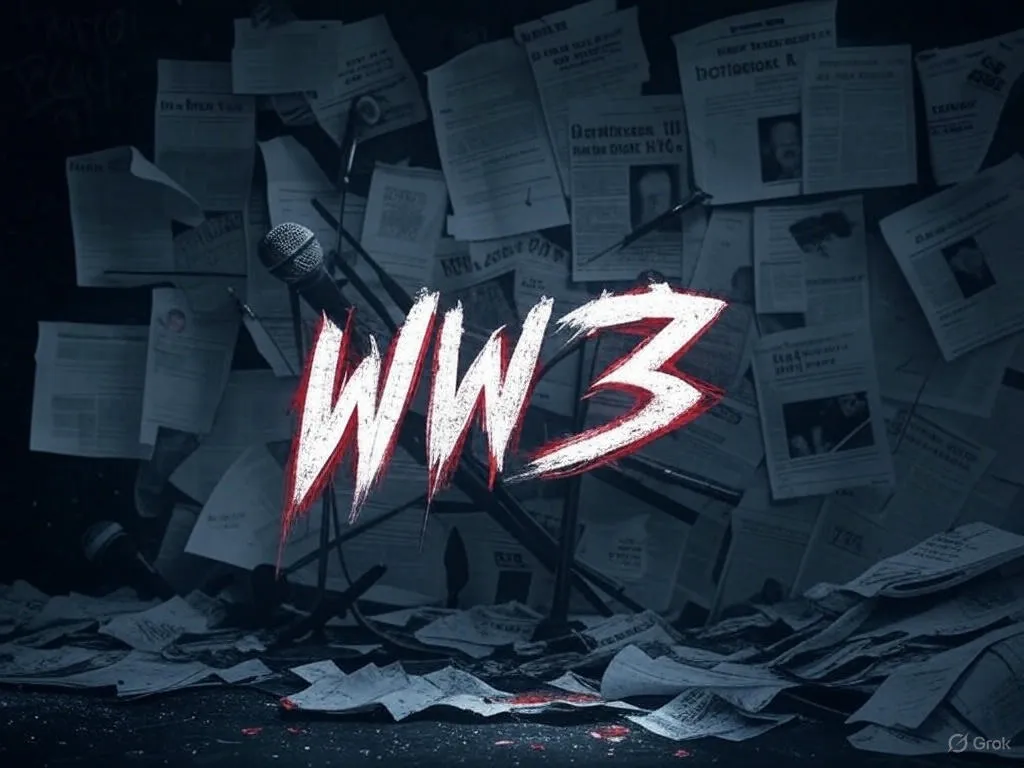
Insider Leak: Was the Original Title “CUKKK”?
A well-known Discord account, @YeFiles2025, later leaked what appears to be the original file of the track, revealing a shocking name: CUKKK.wav. Allegedly, the acronym stood for “Can U Kill Kanye Kulture?” — a loaded and cryptic phrase that ignited further speculation.
According to the leaked metadata, the file credited Ye and Mike Dean as producers. Even more startling was the supposed original cover art: an altered image of a torn U.S. flag, revealing an edited photo of a man in a hoodie meant to resemble a historical figure.
While the authenticity of the leak remains unverified, the details suggest that “WW3” was designed to provoke from the very beginning — a calculated chaos embedded not just in the lyrics, but in its entire artistic presentation.
How Did the Internet React to “WW3”?
Devoted Fans Say: “Ye Is the Last Artist Brave Enough to Speak Truth”
A segment of Ye’s hardcore fanbase has called WW3 a “declaration of war against cultural hypocrisy.” On Reddit, one user argued:
“People are outraged Kanye referenced dark history, but they stream Eminem daily — a guy who rapped about murder, assault, and suicide. Where exactly is the line for artistic expression?”
To these fans, Ye isn’t crossing a line — he’s drawing it, and daring the world to confront its own double standards.
Others Call It Deeply Offensive — Not Art
While some hailed the track as bold, many communities found it deeply disturbing. One prominent advocacy group criticized the song for “recklessly invoking historical trauma without clear intent,” especially given Ye’s influence and reach.
Cultural commentators also weighed in. Acclaimed author and activist Ta-Nehisi Coates reportedly stated:
“Ye is using the pain of history as a publicity tool, not a creative lens.”
The backlash reflects a larger debate: When does art provoke necessary discomfort — and when does it exploit pain for shock value?
What Is Kanye Doing After “WW3”?
Since the sudden removal of “WW3”, Ye has remained publicly silent — but his actions speak volumes.
Just one week after the takedown, Ye was spotted in Paris, wearing a bold hoodie printed with the words: “History offends cowards.” On Instagram, he posted a black screen with a cryptic white-text message:
“I’m not afraid of being canceled. I’m afraid of being forgotten.”
But perhaps the biggest twist is yet to come.
According to a trusted insider, Ye is now preparing to release a new album titled “In a Perfect World,” rumored to include several tracks leaked during the WW3 era.
This revelation has sparked a new theory among fans and critics alike:
Was the removal of “WW3” really due to censorship — or was it part of a master-level marketing strategy?
Some now believe that Ye is once again manipulating controversy to build anticipation, letting the world argue while he quietly crafts his next move.
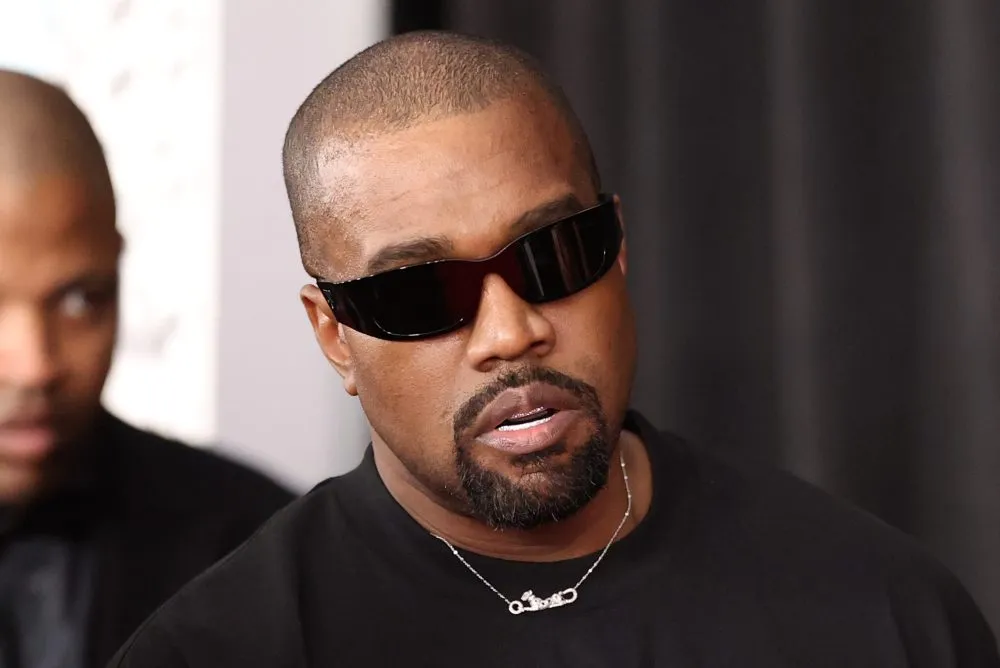
Did Kanye Go Too Far… or Just Far Enough?
Kanye West’s use of controversial imagery — including figures like Hitler and references to the KKK — isn’t new. But WW3 marked the first time his music disappeared from major platforms, despite the fact that Ye has never faced criminal charges or legal action over his lyrics.
Art or Incitement?
That’s the question WW3 leaves burning in its wake.
For some, Ye is a truth-teller willing to risk everything to challenge the system. In this view, WW3 serves as a wake-up call about censorship, a warning that even art is not safe from the reach of cancel culture.
But from the perspective of those directly affected, WW3 feels less like art — and more like a blade twisting in historical wounds, wielded for attention, controversy, and millions of streams.
At its core, WW3 forces the world to confront a brutal truth:
Where is the line between freedom of expression and the exploitation of traum
Kanye Is Playing with Fire — And Maybe That’s the Point
“Kanye’s ‘WW3’ Suddenly Disappears After Mentioning Hitler and the KKK” was more than just a music industry moment — it became a global flashpoint. It raised urgent questions about the thin line between artistic expression and propaganda.
On one hand, Ye seems to remind the world that music was once a weapon of resistance, a space to challenge authority and confront uncomfortable truths.
On the other hand, some believe he’s simply exploiting historical scars to engineer yet another media firestorm around his name.
And through it all, Kanye remains silent.
But the world? It can’t stop talking.
Related News