








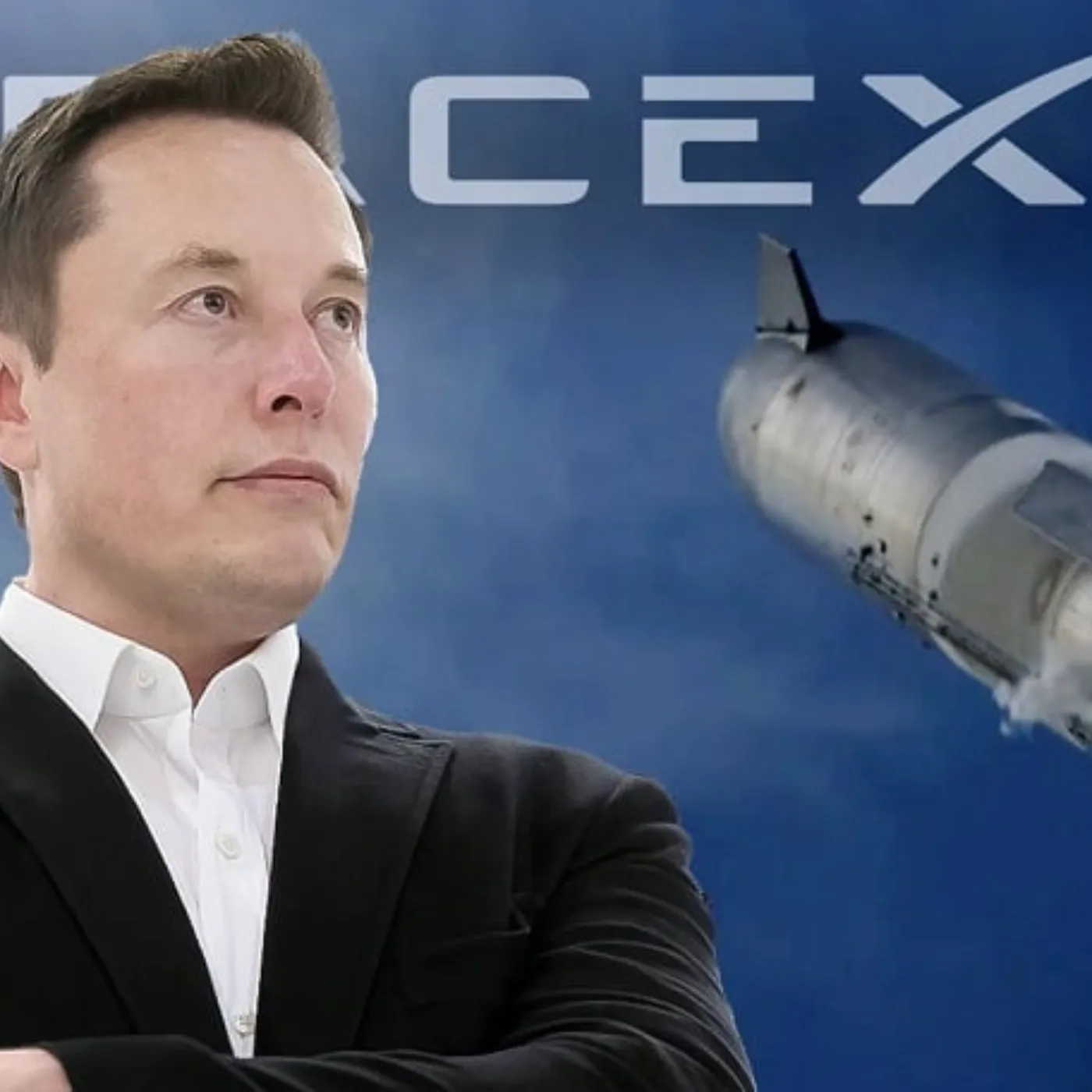
Is Elon Musk Betting Humanity’s Future on Starship? The Answer Will Shock You!
When it comes to the future of human civilization, few topics spark as much fascination—and as much debate—as colonizing Mars. At the center of this bold endeavor is SpaceX’s Starship, the colossal rocket system designed to transport humans and cargo to the Red Planet. Over the past several years, Elon Musk, the maverick CEO of SpaceX, has promised nothing less than the creation of a self-sustaining city on Mars, potentially within this decade. But is this vision feasible, or is it a dangerous gamble with humanity’s future?

The Starship Phenomenon
Starship isn’t just any rocket. Standing at over 120 meters tall when paired with its Super Heavy booster, it represents the largest and most powerful launch vehicle ever conceived. SpaceX has conducted nine flight tests from its Starbase facility in South Texas, ranging from short “hop” tests to high-altitude maneuvers. These tests have been a mix of spectacular successes and dramatic failures, with fiery explosions lighting up the Texas sky and sparking viral moments across social media.
But the stakes are higher than mere entertainment. Starship is intended to carry up to 100 passengers per flight, along with cargo essential for constructing habitats, life support systems, and infrastructure on Mars. Musk has repeatedly stated that Starship is a key piece in his plan to make life multi-planetary, arguing that Earth’s civilization faces long-term risks from climate change, nuclear war, or asteroid impacts.
Elon Musk’s Vision: A City on Mars
Musk’s Mars city concept is ambitious and controversial. He envisions a fully functional city of one million inhabitants, complete with homes, schools, businesses, and research facilities. According to Musk, Starship will not only transport settlers but also carry the materials needed to produce fuel on Mars via the Sabatier reaction, turning CO2 and hydrogen into methane for the rocket’s next journey.
Critics argue that this vision is impossibly optimistic. The technical challenges of building a city on Mars—ranging from extreme radiation exposure to the thin atmosphere and near-zero surface pressure—are immense. Moreover, sustaining life in such a hostile environment requires reliable energy, water, and food production systems. Yet, Musk insists that Starship’s reusability and massive payload capacity make these goals achievable, framing it as a race against time for the survival of humanity.
The Risks and Controversies
No discussion of Starship would be complete without addressing the controversy surrounding SpaceX’s testing approach. Unlike NASA’s cautious, incremental methods, SpaceX has adopted a “fail fast, learn faster” philosophy, deliberately risking rockets in dramatic tests to accelerate progress. While this has resulted in stunning successes, it has also drawn criticism from engineers, environmentalists, and local communities.
Environmental groups have raised alarms about the impact of repeated rocket launches on South Texas’ fragile coastal ecosystems, and the noise, light, and debris have sparked local protests. There are also concerns about the long-term sustainability of Musk’s Mars colonization plan, particularly regarding human health and the psychological toll of long-term isolation on Mars.
Why Social Media Explodes Over Starship
The SpaceX story is perfectly tailored for the digital age. Each test flight becomes a viral event, with millions of people watching live streams, posting memes, and debating Musk’s vision across platforms like Facebook, Twitter, and Instagram. Headlines often employ dramatic language like “explodes,” “triumph,” or “Mars gamble,” creating a sense of urgency and controversy that drives engagement.
Musk himself is a master of social media, frequently tweeting updates, photos, and cryptic messages that fuel speculation. The public fascination with Starship isn’t just about rockets; it’s about the possibility of witnessing history in real time, where humanity might take its first steps toward becoming an interplanetary species.
Starship vs. the Competition
While SpaceX dominates headlines, it is not the only player in the race to Mars. Governments, traditional aerospace companies, and international consortia are exploring Mars missions, albeit with more cautious timelines. NASA’s Artemis program focuses on returning humans to the Moon as a stepping stone to Mars, while Blue Origin, Jeff Bezos’ space venture, has also hinted at future Mars ambitions.
However, SpaceX’s advantage lies in Starship’s massive payload capacity, rapid reusability, and cost efficiency, which could lower the barrier to building a permanent presence on Mars. Musk argues that without Starship, establishing a city on Mars is “essentially impossible”, and that incremental approaches will not achieve the scale required for a sustainable human civilization beyond Earth.
Ethical and Philosophical Questions
Beyond engineering and economics, Starship’s Mars plan raises profound ethical and philosophical questions. Should humanity invest billions in interplanetary colonization when pressing problems remain on Earth? Are we prepared for the moral and societal implications of sending people to a potentially inhospitable planet? What if Starship fails catastrophically, stranding settlers or causing environmental disasters on Mars?
Musk counters these arguments by framing Mars colonization as a necessity for long-term survival. “If something happens to Earth, having a self-sustaining city on Mars ensures the continuation of human consciousness,” he says. For Musk, Starship is not just a rocket; it’s a lifeline for civilization itself.
The Timeline: When Could We See a Mars City?
Musk’s timeline is notoriously aggressive. He has suggested that cargo missions could begin within the next few years, with initial human settlers arriving shortly thereafter. Starship is central to this timeline, as its reusability drastically reduces cost per flight, making regular trips to Mars financially feasible.
Skeptics argue that Musk’s projections are overly optimistic. Developing life support systems, constructing habitats, and ensuring safe transport of hundreds of people could take decades. Nevertheless, the pace of Starship development—combined with SpaceX’s innovative testing philosophy—has convinced many that Musk may actually achieve what others deem impossible.
Public Perception and Media Hype
The public fascination with Starship is fueled not only by technical achievement but also by Musk’s celebrity persona. Social media amplifies every success, failure, and statement, creating a feedback loop of hype, controversy, and debate. Headlines like “Mars Gamble” or “Elon Musk’s Interplanetary Risk” dominate feeds, driving curiosity and engagement.
This media attention is double-edged. On one hand, it generates excitement and investment in space exploration. On the other, it fosters unrealistic expectations and polarized opinions, with some hailing Musk as a visionary and others labeling him reckless.
Looking Forward: The Future of Humanity
Regardless of one’s stance, the Starship program is reshaping how we think about the future. It challenges assumptions about the limits of technology, the scope of human ambition, and the role of private enterprise in space exploration. If successful, Starship could establish a blueprint for interplanetary colonization, inspiring future generations to look beyond Earth for survival and opportunity.
Yet the risks remain real. A failed mission could be catastrophic, both financially and ethically, potentially undermining public trust in space exploration. The psychological, medical, and environmental hurdles of Mars settlement are staggering, and Starship’s success alone does not guarantee a viable city on the Red Planet.
Conclusion: Starship, Mars, and the Gamble of Civilization
The question remains: Could Starship help humanity establish a city on Mars? The answer is both exhilarating and unnerving. Starship represents humanity’s most ambitious attempt to extend its reach beyond Earth. It embodies the bold, controversial, and often polarizing vision of Elon Musk, a man who dares to gamble with civilization’s future.
For now, we watch, we debate, and we speculate. Each Starship launch is a chapter in a story that could redefine what it means to be human. Will it succeed? Will it fail spectacularly? Or will it change the course of history forever? One thing is certain: SpaceX and Starship have captured the world’s imagination, forcing us to confront the ultimate question: are we ready to become an interplanetary species?
Related News