






If Shohei Ohtani Played Like Juan Soto, He’d Already Be Banned From Baseball — Let That Sink In
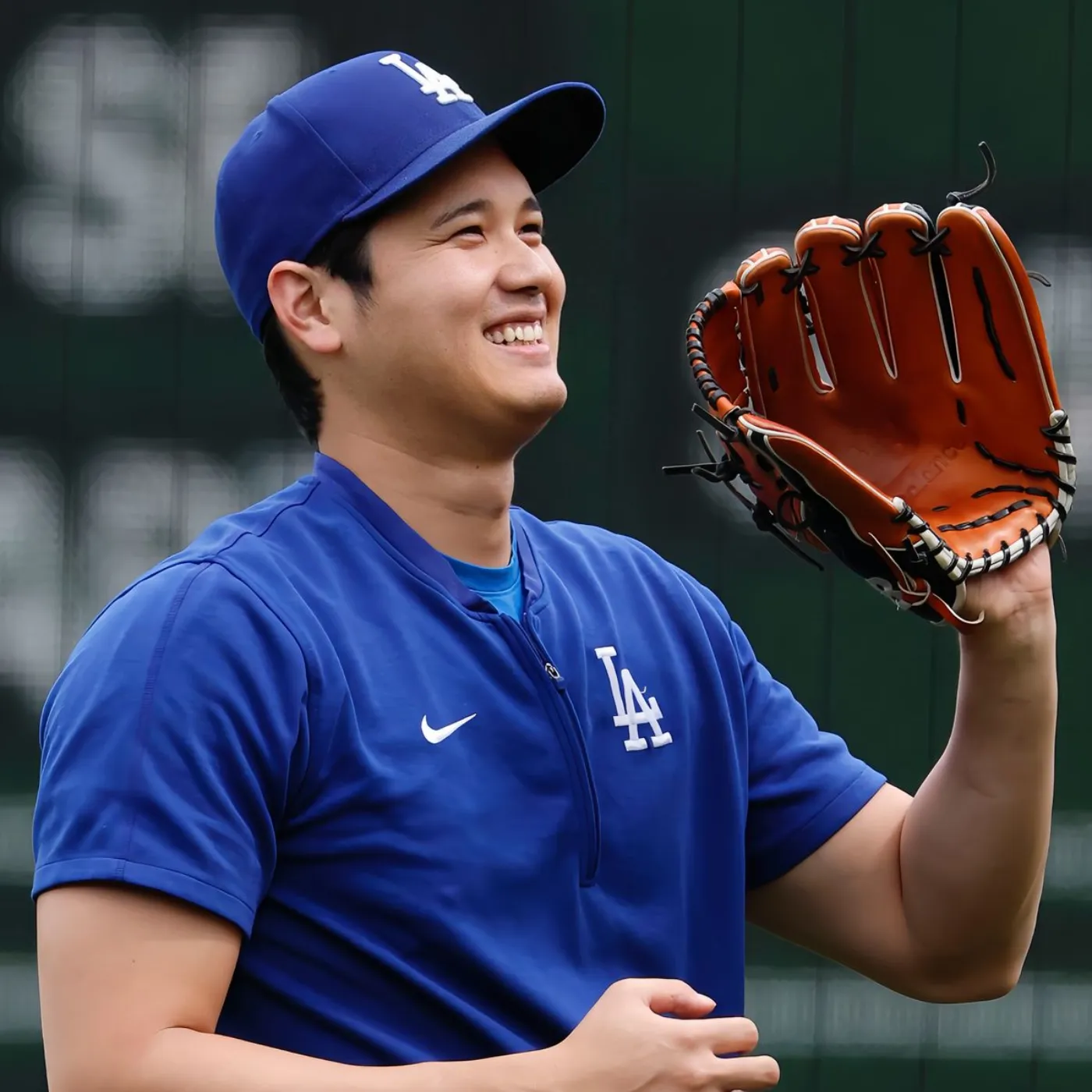
The world of Major League Baseball thrives on talent, drama, and the constant scrutiny of its stars. Few players embody the modern era’s global appeal quite like Shohei Ohtani, the two-way phenomenon whose name has become synonymous with humility, discipline, and an unprecedented level of skill.
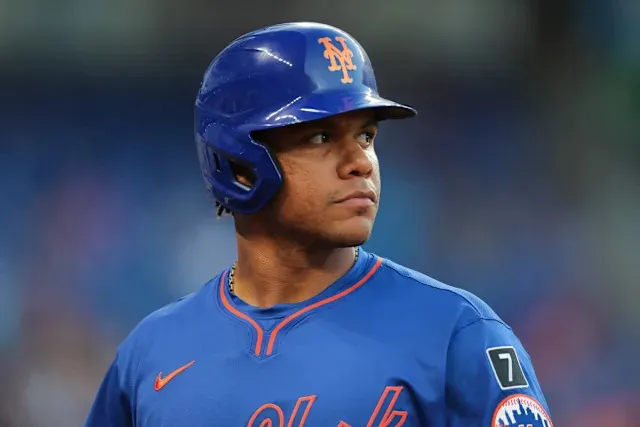
Across the field stands another young superstar, Juan Soto, whose offensive prowess and unique approach at the plate have won him both admiration and criticism. But if the two men were to swap behavioral patterns, if Ohtani carried himself as Soto does, the reaction from fans, the media, and the league might be vastly different. The very idea raises questions about bias, perception, and the unwritten rules that still govern professional sports.
The Image of Shohei Ohtani: Humility as a Brand
In just a few seasons, Shohei Ohtani has transformed from an intriguing Japanese prospect into one of the most marketable and celebrated athletes in the world. His two-way dominance—thriving as both a pitcher and hitter—has rewritten the expectations of what a single player can achieve in the modern era. But beyond his statistics, Ohtani has been carefully framed as the embodiment of sportsmanship. He rarely engages in overt displays of emotion, refrains from public feuds, and speaks with a humility that reinforces his status as a role model.
This brand of quiet excellence isn’t accidental. MLB and its broadcasters lean heavily on Ohtani’s persona to promote the game internationally, especially in Japan and across Asia. Any deviation from this image could disrupt his global appeal, which is tied as much to his conduct as to his performance. In this context, even minor acts of showmanship could be magnified into controversies, particularly given how fans and media in different cultures interpret player behavior.
The Persona of Juan Soto: Swagger in Motion
In contrast, Juan Soto has built his identity on a completely different foundation. From his teenage debut with the Washington Nationals to his current role as one of the most feared hitters in baseball, Soto has never shied away from expressing himself on the field. His signature “Soto Shuffle,” an exaggerated routine between pitches where he stares down pitchers and adjusts his stance with deliberate flair, has become both his trademark and a lightning rod for criticism.
To his supporters, Soto’s swagger represents the passion and entertainment value that baseball needs to attract younger fans. His confidence is part of his artistry, a way to get inside the pitcher’s head and command the batter’s box. To his detractors, it’s an unnecessary provocation—a break from baseball’s unwritten code of respect. This split perception is crucial when imagining how Ohtani would be received if he behaved in similar fashion.
The Hypothetical Collision of Styles
Now imagine Ohtani stepping into the batter’s box, performing a prolonged shuffle, locking eyes with the pitcher after every close pitch, and celebrating walks with the same vigor as home runs. Picture him flipping his bat with theatrical flair after a routine hit, or chirping from the dugout when the opposing team misses a chance. The mental image is almost absurd—not because Ohtani couldn’t physically do it, but because it clashes so violently with the cultivated image of humility and focus that has defined his career.
If Ohtani were to adopt such mannerisms, the reaction could be explosive. Media narratives might shift from celebrating his skill to questioning his respect for the game. Social media could turn a single moment into a viral storm, with endless debates over whether he’d “changed” or “let fame go to his head.” In markets where respect for opponents is deeply ingrained in sporting culture, particularly in Japan, such actions could be perceived as dishonorable, even if they’re common in American baseball.
The Double Standard in Baseball Culture
The difference in reception wouldn’t just be about personality—it would expose a long-standing double standard in baseball culture. While players like Soto can embrace visible confidence (and even confrontation) without career-ending consequences, the expectations for someone like Ohtani are far more rigid. Part of this is due to cultural stereotypes: the quiet, disciplined Japanese athlete is a familiar trope in sports, and any deviation from that image is seen as jarring or even unacceptable.
Another factor is the role of marketing. Ohtani’s market value extends beyond the United States, and any controversy could ripple across multiple markets, jeopardizing sponsorship deals and league initiatives. MLB has invested heavily in portraying him as the game’s perfect ambassador, which means any perceived disrespect on his part would be treated as a betrayal of that investment.
Perception, Privilege, and Punishment
In this thought experiment, the phrase “he’d already be banned from baseball” is, of course, an exaggeration—but it highlights how certain players are held to impossibly high standards. For Ohtani, the price of stepping outside the boundaries of expected behavior might not be an actual ban, but it could mean a swift and severe reputational hit, loss of endorsements, and an avalanche of media scrutiny.
Meanwhile, players like Soto—often framed as “emotional” or “fiery”—can sometimes push boundaries without facing career-threatening consequences, though they, too, deal with criticism. The difference lies in the baseline expectations: Soto is expected to be bold; Ohtani is expected to be reserved. When someone acts outside of those expectations, the reaction is magnified.
The Role of Fans and Media in Shaping the Narrative
Media coverage would play a central role in this hypothetical fallout. Sports talk shows might run slow-motion replays of Ohtani’s imagined bat flips, asking whether he’d lost his humility. Headlines could speculate about tension with teammates or friction with opposing pitchers. Social media would splinter into camps—some defending his right to express himself, others calling for him to “act like a professional.”
Fans would be similarly divided, but with cultural lines often determining the level of tolerance. In Japan, where Ohtani is a national hero, even a hint of disrespect could be viewed as damaging to his image. In the U.S., reactions might vary by region, with some fanbases embracing the new, fiery Ohtani and others condemning it as arrogance.
The Psychological Impact on the Player
Beyond public perception, adopting Soto’s style could change how opponents approach Ohtani. Pitchers might feel more determined to challenge him, interpreting his actions as mind games or personal slights. Umpires could become less sympathetic in close calls, consciously or unconsciously influenced by his perceived attitude. The mental strain of constantly defending his behavior—on top of performing at an elite level—could take its toll.
It’s also worth noting that Ohtani’s success is partly due to his laser-like focus and emotional control. Changing his demeanor could alter his own mindset, potentially affecting performance. Swagger is a double-edged sword: it can intimidate opponents, but it can also distract from execution if it becomes the focus.
What This Says About Baseball’s Evolution
Baseball is in a transitional era. Younger fans often embrace individuality, flair, and personality on the field, pushing against the traditionalist view that the game should be played with stoic restraint. Players like Soto, Fernando Tatis Jr., and Ronald Acuña Jr. represent this new wave. Ohtani, however, straddles both worlds—his otherworldly talent appeals to those craving excitement, while his composed demeanor satisfies the purists.
If Ohtani embraced Soto-like swagger, it might accelerate baseball’s cultural shift—or it might trigger a backlash strong enough to reinforce the old norms. Either way, it would become a defining moment in the sport’s evolution, forcing the league, the media, and the fans to confront their biases head-on.

Let That Sink In
The hypothetical of Shohei Ohtani playing like Juan Soto isn’t just about two players’ personalities—it’s about the standards we impose, the narratives we buy into, and the cultural biases that shape our judgments. It challenges us to ask why certain behaviors are celebrated in some players but condemned in others. It forces us to acknowledge that the game we love is not a level playing field when it comes to image and expectation.
Related News