






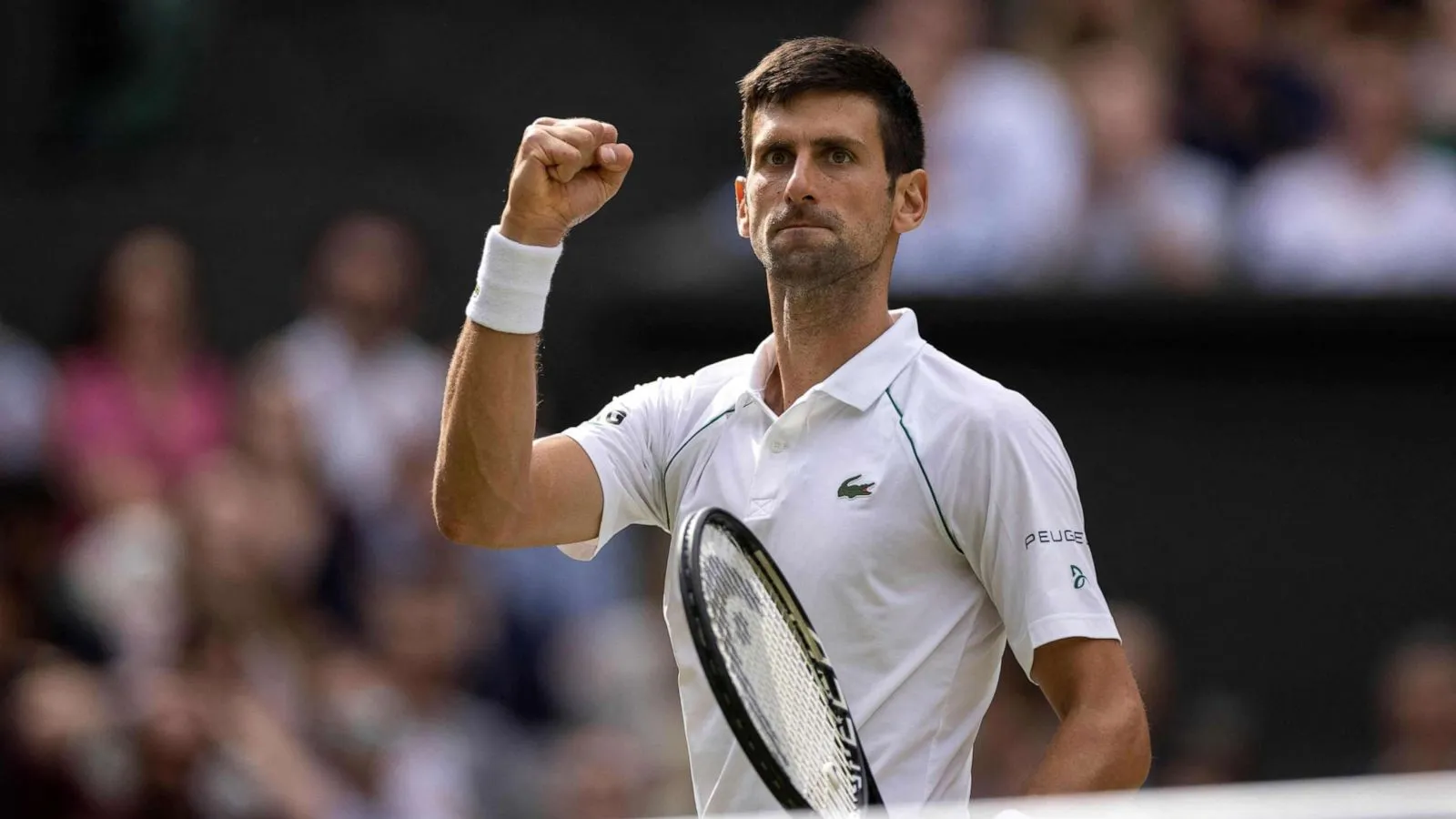
‘He’s No Kid Anymore’ — Jimmy Connors Gives Novak Djokovic a Bold Reality Check Ahead of the US Open
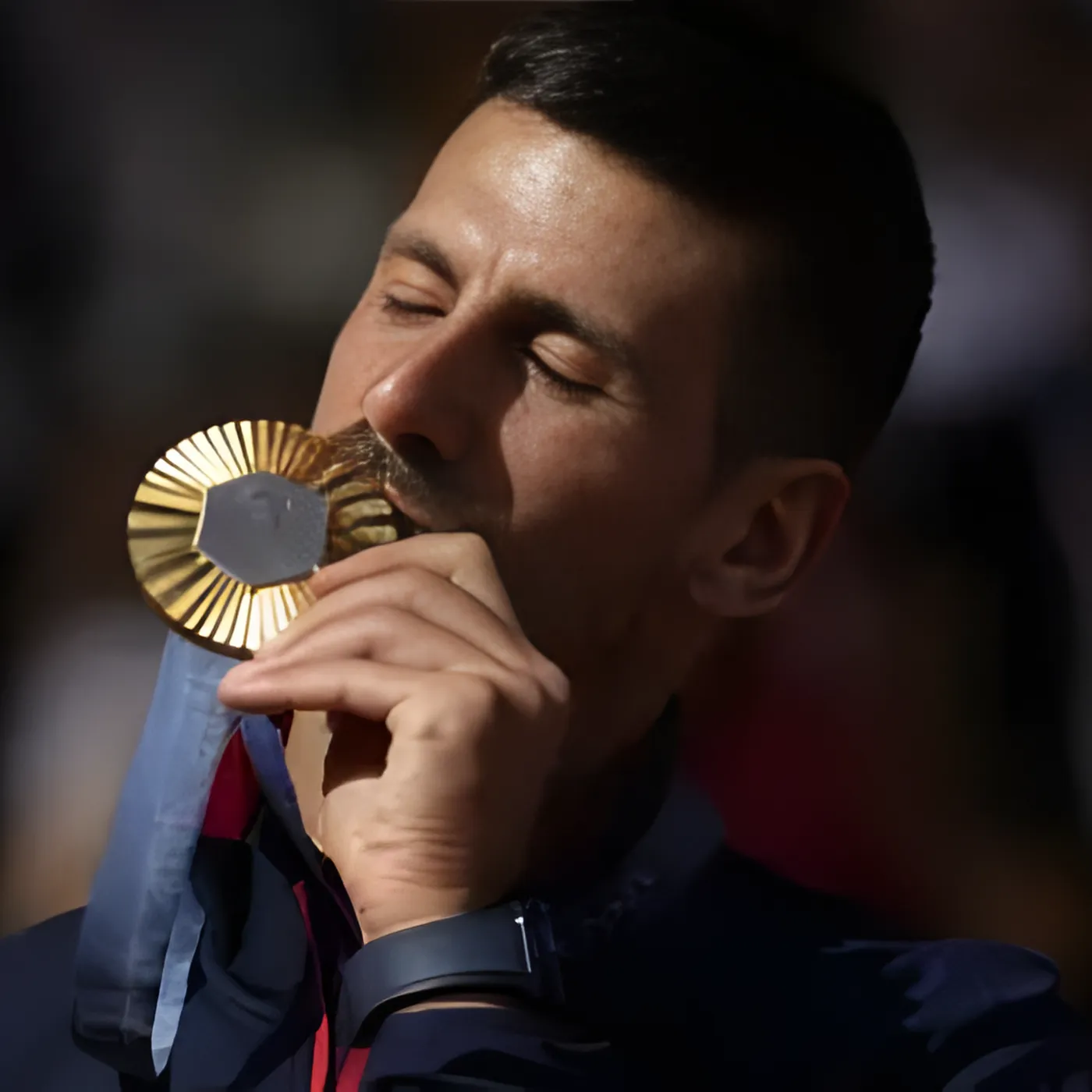
As the US Open approaches, all eyes are once again on Novak Djokovic, the Serbian legend who has spent more than a decade redefining what it means to dominate men’s tennis. At 37 years old, Djokovic remains at the top of the game — a fact that would be remarkable for any athlete, let alone one competing in a sport as grueling and demanding as tennis. But as the final Grand Slam of the season looms, Jimmy Connors, one of the most iconic figures in tennis history, has offered a bold and unflinching assessment of where Djokovic stands in his career. In Connors’ view, the time for seeing Djokovic as the indomitable, unstoppable force of his prime may be fading. As he put it in a recent discussion, “He’s no kid anymore.”

The Weight of History and the Shadow of Youth
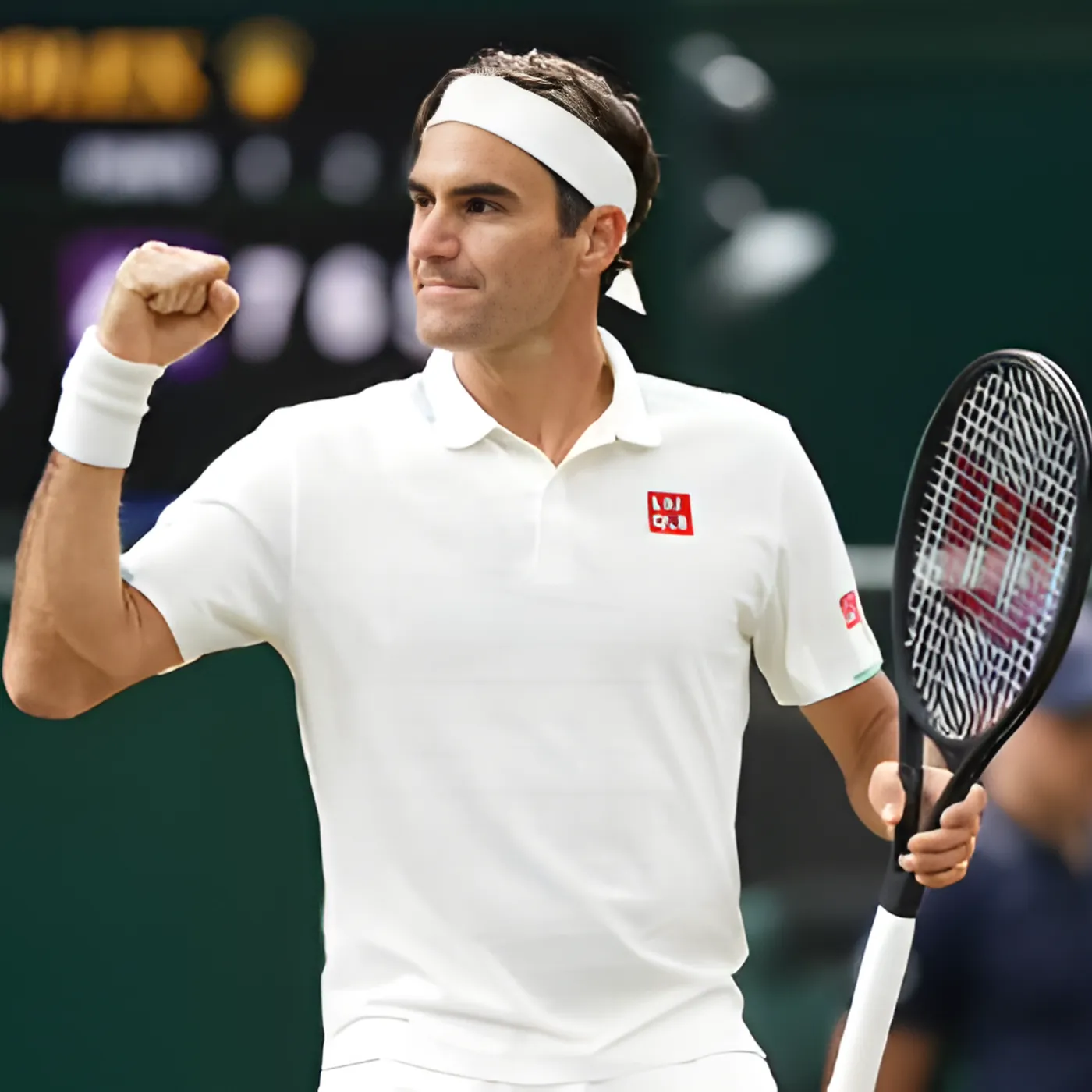
For more than a decade, Novak Djokovic has been one of the central figures in tennis’ greatest era. Alongside Roger Federer and Rafael Nadal, he has rewritten the record books, dominating tournaments and redefining what is possible for an athlete in his sport. Today, Djokovic stands alone in many ways — he holds more Grand Slam titles than any other man, boasts countless Masters 1000 trophies, and continues to be a fixture at the very top of the ATP rankings. Yet even for an athlete as transcendent as Djokovic, time is undefeated.
When Connors delivered his reality check, it wasn’t a dismissal of Djokovic’s abilities but rather a recognition that the dynamics of the game have changed. Carlos Alcaraz, Jannik Sinner, Holger Rune, and a crop of fearless younger players are no longer in awe of Djokovic; they see him as the standard to surpass, not the mountain too high to climb. Connors, who spent much of his career battling against a younger generation himself, understands this transition well. “When you’re the guy everyone’s chasing, you don’t just need to play great tennis. You need to adapt,” Connors explained in a recent interview.
This is where the phrase “He’s no kid anymore” becomes more than just an observation — it’s a challenge. Djokovic is no longer the relentless 24-year-old who could run down every ball and impose his will physically. He’s a 37-year-old champion whose tools must now include not just his legendary fitness but also his experience, his patience, and his ability to manage his body across the grind of a two-week tournament.
Connors’ Own Experience as a Lens
When Jimmy Connors speaks about the struggles of aging in tennis, his words carry weight because he has lived them. In 1991, at 39 years old, Connors made one of the most unforgettable runs in US Open history, reaching the semifinals in a performance that cemented his status as a legend of the sport. That run was fueled not by his ability to dominate physically, but by his adaptability and an unshakable competitive fire. He knew he couldn’t play like the 20-year-old version of himself, so he reinvented his game, leaning on precision, guile, and mental toughness.
Connors sees a similar crossroads for Djokovic. While Djokovic’s athleticism is still extraordinary, it cannot be his sole weapon. “The body doesn’t respond the same way after 35,” Connors has often said about the realities of professional sports. That doesn’t mean Djokovic can’t win; in fact, his extraordinary run at Wimbledon and the Australian Open in recent years proves that he can still conquer the sport’s biggest stages. But Connors’ advice is clear: Djokovic must approach this US Open not as the man who once overwhelmed everyone but as the veteran who can outthink and outmaneuver them.
The Mental Grind Ahead of Flushing Meadows
More than any other surface, the hard courts of the US Open test a player’s resilience. The late-night matches, the unpredictable weather, and the raucous New York crowds make Flushing Meadows a tournament unlike any other. For Djokovic, who has tasted both triumph and heartbreak in Queens, this year’s US Open feels especially pivotal. He hasn’t lifted the trophy there since 2018, and in that span, he has faced heartbreaking losses and the emergence of new rivals.
This is where Connors’ perspective becomes invaluable. Connors was known for thriving in hostile environments, often turning the crowd’s energy — positive or negative — into fuel. Djokovic has had a complicated relationship with crowds throughout his career, and managing that dynamic in New York will be as much a mental battle as a physical one. “When you’re in your late 30s, it’s not just about how fast you run. It’s about how you carry yourself,” Connors emphasized, speaking to the mental maturity required at this stage.
The Generational Clash: Alcaraz, Sinner, and the New Guard
If Djokovic’s path to another US Open title were simply a matter of outlasting opponents like he did a decade ago, the task might feel more manageable. But the rise of Carlos Alcaraz has added a thrilling — and dangerous — wrinkle to the narrative. Alcaraz, who defeated Djokovic in a historic Wimbledon final, represents everything the younger generation embodies: fearlessness, explosive athleticism, and a willingness to take risks on the biggest points. Jannik Sinner has also emerged as a major contender, bringing relentless power and a newfound confidence to the courts.
Connors believes this shift poses a unique challenge for Djokovic. “You’re no longer the hunter; you’re the hunted,” he said, summing up the changing dynamics. The younger players are no longer satisfied with reaching finals — they want to take Djokovic down. And they know that in a five-set match, wearing him down physically and mentally may be the key to doing it.
Adapting the Game Plan
So what does Connors believe Djokovic must do to reclaim glory in New York? In essence, he must evolve. Djokovic’s game has always been about precision, adaptability, and an almost superhuman ability to anticipate his opponents. Those qualities remain intact. But Connors’ message suggests that Djokovic will need to rely even more on strategy than sheer athleticism. Shorter points, efficient service games, and conserving energy for the grueling second week of the tournament could be the difference between an early exit and another historic triumph.
“You don’t play the same at 37 as you did at 27,” Connors noted. “You can still be great, but it’s a different kind of great.” Djokovic’s decision-making on court — when to press, when to defend, when to shorten rallies — will be under the microscope. And with the younger generation hungry for a statement win, every choice will matter.
The Legacy at Stake
For Djokovic, the 2025 US Open is about more than just another trophy. It’s about legacy. He already holds the record for most Grand Slam titles, but the hunger to extend that lead remains. It’s also about proving that even in his late 30s, he can still dominate the sport’s most punishing events. Connors knows that feeling well — his own legendary run in 1991 wasn’t just about winning matches but about proving he still belonged at the highest level.
“When you’re older, every match feels like it means a little more,” Connors has said. Djokovic has nothing left to prove statistically, but the fire that has driven his career still burns. A victory in New York would not just silence critics; it would serve as a powerful reminder that greatness can evolve, adapt, and endure.
Conclusion: A Champion’s Test
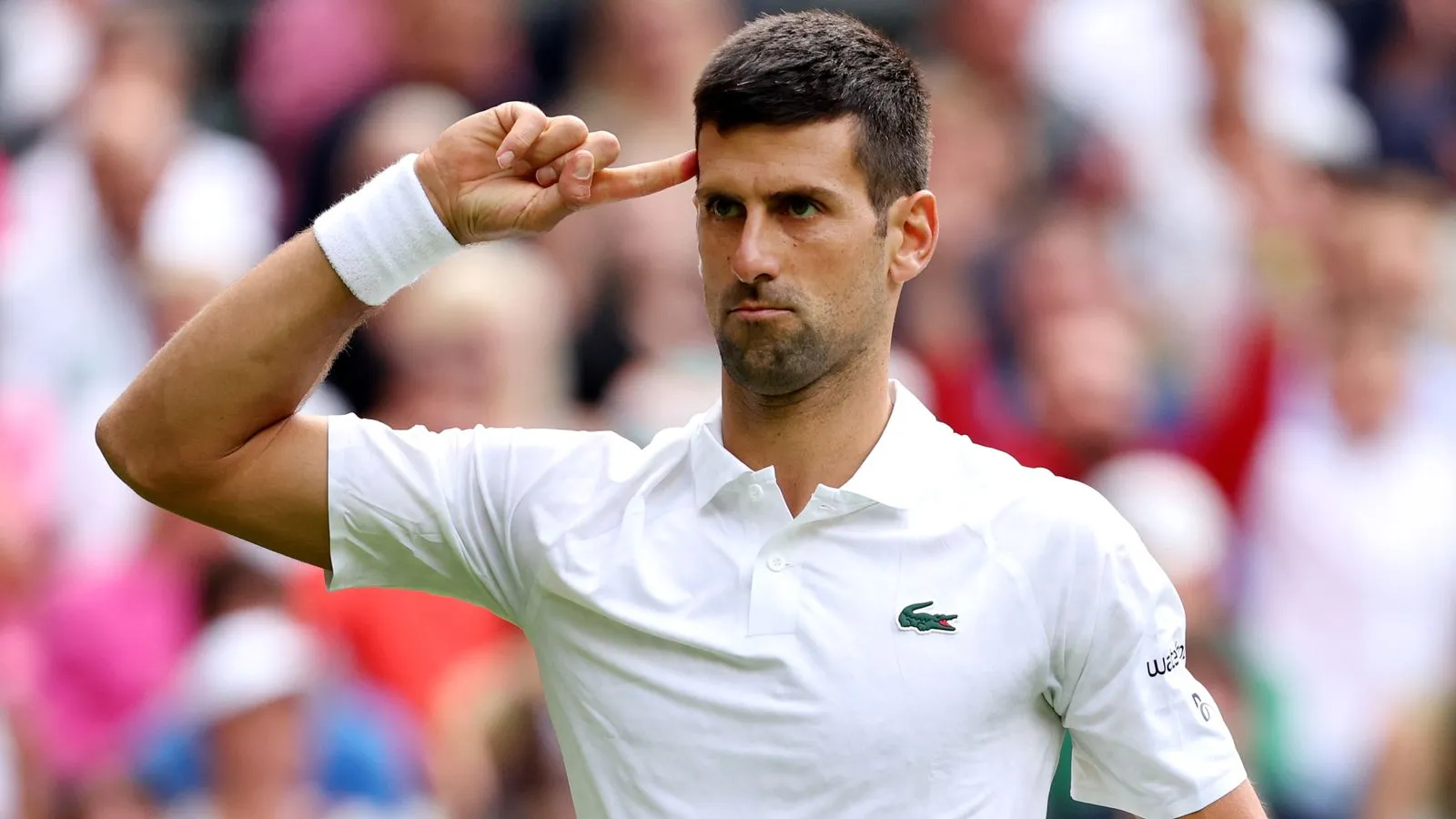
As the US Open draws near, Jimmy Connors’ words resonate like a challenge and a warning. “He’s no kid anymore” isn’t just a statement about age — it’s a call for Novak Djokovic to embrace the reality of his career stage. To win at Flushing Meadows, Djokovic must draw on every ounce of experience, strategy, and resilience that has made him one of the greatest players in history.
For tennis fans, this sets the stage for one of the most fascinating tournaments in recent memory. Will Djokovic prove Connors right by adapting and overcoming the new generation? Or will the likes of Alcaraz and Sinner usher in a changing of the guard on one of tennis’ biggest stages? Either way, the 2025 US Open promises to be a defining chapter in the story of a champion who, even at 37, refuses to fade quietly into history.
Related News