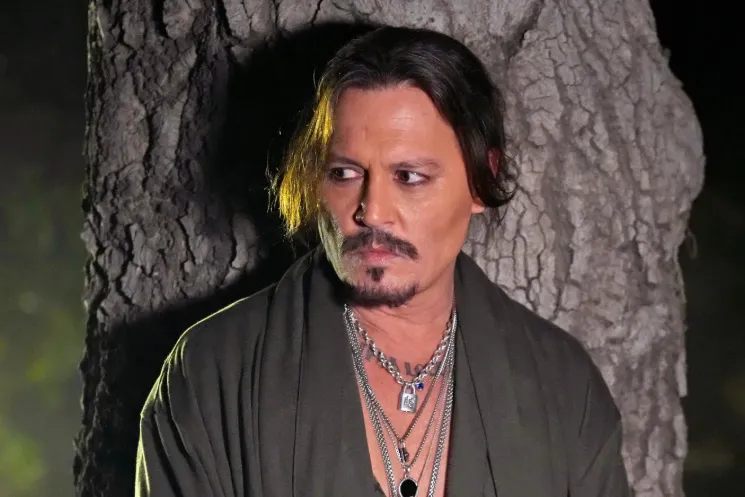









For the love of Brad Pitt The French woman lost everything, from her family to her property.
In a staggering example of how AI-driven scams can destroy lives, a French woman named Anne has come forward with a heartbreaking story: she was duped into believing she was in a relationship with Hollywood icon Brad Pitt—a deception so convincing that it cost her her marriage, her home, and nearly €800,000.
The story, which sounds more like a psychological thriller than real life, is now under legal investigation and has reignited global concerns about the dark potential of AI-powered fraud and catfishing.
A Star-Crossed Scam: How a Fake Brad Pitt Shattered a Life
Anne, whose full name has not been disclosed for privacy reasons, is a woman in her 50s who lived a quiet, comfortable life in the south of France. But that life unraveled when she began corresponding online with someone claiming to be Brad Pitt. The impersonator didn’t just stop at sweet talk—they built a full-blown digital persona complete with AI-generated images, manipulated video clips, and fake charity appeals, all designed to make Anne believe she was engaging with the real Hollywood superstar.
According to court documents and her own public statements, the scammer used deepfake technology and AI-enhanced voice simulations, convincing Anne that Pitt was in love with her, in distress, and in desperate need of financial help.
The so-called Brad Pitt claimed to be dealing with severe medical emergencies, legal battles, and travel restrictions—excuses that justified his ongoing requests for large sums of money.
“He sounded so real. The conversations felt authentic. I thought I was helping someone I loved,” Anne said tearfully in a video appeal posted to her crowdfunding campaign page.

The Fallout: A Marriage Destroyed and a Fortune Lost
Over time, the emotional manipulation escalated. Anne, believing she was about to start a new life with Pitt, divorced her wealthy husband, who had grown suspicious of her online relationship. She sold shared assets, emptied personal savings accounts, and wired large sums to the scammer under false pretenses.
The total loss? Nearly €800,000.
When the truth finally unraveled, Anne was left devastated—financially ruined, emotionally wrecked, and legally entangled. Now, she is taking the matter to court, filing a legal complaint in France for aggravated fraud and identity theft. Her case is one of the most dramatic examples of how advanced AI and deepfake technology can devastate unsuspecting victims.
Crowdfunding for Justice: A Desperate Appeal
Left with no funds to hire a legal team, Anne has now turned to the public for help. She recently launched a crowdfunding campaign to cover legal expenses, including hiring digital forensics experts who can trace the scam’s origins.
“I may have been deceived, but I will not be silenced. This is not just about me—it’s about stopping others from suffering the same fate,” she wrote on the campaign page.
The case has quickly drawn attention from digital rights advocates and cybercrime experts, many of whom point to Anne’s story as a wake-up call about the new frontier of emotional fraud powered by AI.
AI Scams Are No Longer Just a Tech Issue—They’re a Human Tragedy
This isn’t the first time AI-driven scams have made headlines, but the emotional complexity and financial scale of Anne’s case are exceptional. The rise of deepfake videos, synthetic voice cloning, and advanced language models has made impersonating celebrities easier and more convincing than ever.
Scammers can now create an entire digital identity, complete with “live” interactions, fake video calls, and detailed personal stories—all tailored to target specific psychological vulnerabilities.
Cybersecurity expert Jean-Paul Moreau explains, “The illusion is no longer just visual or verbal—it’s emotional. These scams are engineered to build trust, then exploit it. AI doesn’t just fake Brad Pitt’s voice—it simulates his personality, charm, and mannerisms.”
A Growing Epidemic: Love Scams and AI Technology
Interpol and Europol have warned that romance scams are growing rapidly in sophistication. In 2024 alone, AI-enabled scams are estimated to have caused over €500 million in damages across Europe. Most victims are targeted through social media platforms and dating apps, where fraudsters use machine learning to tailor messages to a victim’s personal profile, increasing the odds of engagement.
Anne’s case, however, stands out for the celebrity angle. Brad Pitt’s identity has been used in multiple past scams, but never with such devastating consequences. The actor himself is not implicated in any way, and Anne is now fighting to clear his name from the con artist’s trap.

Moving Forward: Lessons and Legal Action
Anne’s legal team is now working to trace the scammer’s digital footprint, although experts warn that cybercriminals often operate across multiple jurisdictions, making prosecution difficult. Nevertheless, Anne is determined to seek justice, not just for herself, but to raise awareness about the human cost of AI abuse.
She is calling for:
-
Stronger regulations on the development and use of AI voice and video tools
-
Mandatory digital literacy education to help the public recognize deepfakes
-
Harsher penalties for romance scammers, especially those who use celebrity identities
Conclusion: More Than a Cautionary Tale
What happened to Anne isn’t just an embarrassing story about being catfished by a fake Brad Pitt — it’s a devastating cautionary tale about the world we now live in. A world where technology can perfectly mimic love, trust, and connection… all in service of manipulation and theft.
As Anne fights back in court and seeks support from the public, her story stands as a critical reminder: in the age of AI, seeing — and hearing — is no longer believing.
And for Anne, the heartbreak of a fake love may yet become the rallying cry that helps protect thousands of others from falling into the same digital illusion.