






Fans Stunned as Brock Lesnar Remains One of WWE’s Top-Paid Stars Despite Long Hiatus
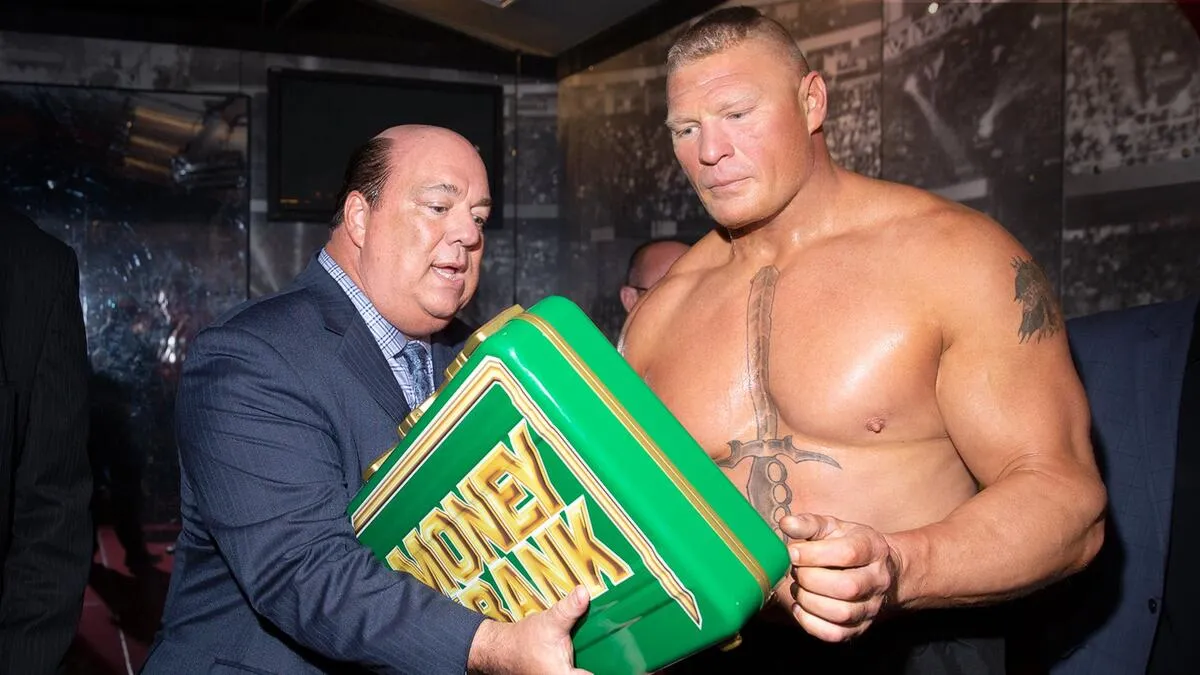
In the ever-evolving world of professional wrestling, Brock Lesnar has always been a name that sparks both awe and debate. Known for his unmatched physical dominance, his larger-than-life persona, and his ability to draw crowds like few others in the business, Lesnar has long been a headline attraction in WWE. Yet in recent months — and indeed, over the last few years — something remarkable has caught the attention of both fans and industry insiders: despite spending long stretches away from the ring, Lesnar continues to be one of WWE’s top-paid superstars.
For a man who has wrestled only a handful of matches annually — sometimes going months without appearing at all — the fact that he still commands a multi-million-dollar contract has left many scratching their heads. Fans are simultaneously amazed at his enduring market power and questioning what it says about WWE’s current direction, priorities, and star-making capabilities.
The Beast’s Reputation Still Looms Large
To understand why Brock Lesnar can maintain such a lucrative position despite an extended hiatus, it’s essential to consider his track record. Since debuting in WWE in 2002, Lesnar quickly established himself as a force unlike any other. His combination of amateur wrestling pedigree, UFC heavyweight championship credentials, and intimidating physicality made him a unique draw. Even during his first run in WWE, Lesnar was pushed to the top of the card at lightning speed, defeating legends like The Rock and Kurt Angle to cement himself as a main event attraction.
When he returned in 2012 after an eight-year absence, Lesnar came back not just as a wrestler but as a crossover combat sports star, bringing with him the legitimacy of having conquered the world of mixed martial arts. WWE capitalized on this reputation, booking him as an unstoppable monster who rarely lost clean and who demolished icons like John Cena in decisive fashion.
This aura of dominance is not something that fades quickly. Even when Lesnar disappears from WWE programming for months at a time, the mystique remains. Fans know that when he does show up, it will be for something big, whether it’s a WrestleMania main event or a marquee clash at one of WWE’s massive stadium shows in Saudi Arabia.
WWE’s Business Model and the “Special Attraction”
Lesnar’s lucrative deal is a reflection of WWE’s modern business strategy. The company has increasingly shifted toward creating “special attraction” matches — bouts that feel rare, important, and worthy of global attention. In this model, Lesnar fits perfectly. His appearances are infrequent, but when they do occur, they carry a sense of gravity.
From a financial perspective, Lesnar’s limited schedule is not necessarily a drawback for WWE. On the contrary, it allows the company to market his appearances as must-see events. When fans know that Brock will be at a pay-per-view, ticket sales often spike, and international interest grows. The same principle applies to WWE Network subscriptions or Peacock streaming numbers.
This is particularly true in the era of premium live events, where the company is less reliant on weekly television ratings and more focused on delivering spectacular moments that will be replayed and talked about for years. Lesnar’s contract reflects the fact that WWE is willing to pay top dollar for someone who can deliver those moments on command.
Fan Reactions: Amazement, Frustration, and Debate
While many fans accept the business logic behind Lesnar’s position, others are less enthusiastic. For some, his continued status as one of WWE’s top earners despite his absences sends a troubling message. It raises questions about WWE’s ability — or willingness — to build new stars who can fill the void when legends like Lesnar step away for good.
Social media platforms have been flooded with discussions on the matter. Some fans argue that Lesnar’s star power justifies every penny of his paycheck, noting that few performers in wrestling history can match his ability to draw global attention. Others contend that the money could be better spent investing in the next generation of talent, rather than relying on a part-timer who may only wrestle five or six matches a year.
The debate often turns to comparisons with other WWE top-paid stars such as Roman Reigns, Seth Rollins, and Randy Orton — all of whom wrestle far more frequently. In particular, Roman Reigns has adopted a “part-time champion” role similar to Lesnar’s, but even Reigns appears on television more regularly, giving fans a sense of continuity that Lesnar’s long absences don’t provide.
The Saudi Arabia Factor
One of the key reasons Lesnar remains so financially valuable to WWE is his drawing power in Saudi Arabia. Since WWE signed its controversial multi-year deal with the Saudi General Sports Authority in 2018, these shows have become some of the most financially lucrative events in company history. Lesnar has been a central figure in several of them, competing against the likes of Cain Velasquez and Bobby Lashley in front of massive stadium crowds.
These events reportedly earn WWE tens of millions of dollars per show, and having Lesnar on the card is a major selling point to both the Saudi organizers and the global audience. The sheer amount of revenue generated from just one or two Lesnar appearances in Saudi Arabia can justify a significant portion of his high salary.
The Cost of Star Power
Critics often question whether Lesnar’s contract value is truly worth it. Reports indicate that Lesnar earns several million dollars annually, with bonuses for specific appearances and matches. When broken down into a per-match basis, this means he may be earning hundreds of thousands — if not over a million — for a single night’s work.
This level of pay can create an uncomfortable contrast when compared to mid-card talents or developmental wrestlers in NXT, many of whom struggle to make a fraction of that amount despite working far more frequently. It can also create a perceived imbalance in the locker room, where one star is treated as an untouchable attraction while others carry the day-to-day workload of keeping the company running.
Yet WWE’s decision to maintain this arrangement speaks volumes about the value they place on marketable star power. In the entertainment industry, perception often matters as much as performance, and Lesnar’s aura as “The Beast Incarnate” remains a marketing goldmine.
Lesnar’s In-Ring Style and the Risk Factor
Another aspect that plays into this conversation is the physical toll of Lesnar’s in-ring style. His matches are typically intense, explosive, and highly physical, often involving dangerous-looking suplexes and high-impact maneuvers. While this style contributes to the spectacle and helps maintain his aura of dominance, it also increases the risk of injury — both for Lesnar and his opponents.
By limiting his appearances, WWE minimizes these risks, ensuring that Lesnar is healthy and available for the biggest shows. A lengthy injury could derail not just his career but also major storylines that WWE has invested heavily in.
This calculated use of Lesnar as a special event performer is therefore not just a creative choice but a practical business decision, aimed at protecting one of their most valuable — and expensive — assets.
Looking Ahead: The Future of Brock Lesnar in WWE
As WWE continues to evolve, the question remains: how long can Brock Lesnar maintain his position at the top of the company’s payroll without being a regular presence on television? His contract, marketability, and enduring fan interest suggest that he will remain a key player for as long as he chooses to wrestle.
However, there is an undeniable challenge for WWE. The company must balance the allure of proven stars like Lesnar with the need to cultivate new talent who can eventually take their place. Over-reliance on part-time attractions risks creating a gap in star power once those legends decide to hang up their boots for good.
In the meantime, Lesnar’s sporadic appearances will continue to generate buzz, whether he’s confronting the current champion, clashing with an emerging rival, or returning unexpectedly to deliver a shocking attack. And as long as the crowd reaction remains deafening when his entrance music hits, WWE will see little reason to change the formula.
Conclusion: A Polarizing but Undeniable Force
The fact that Brock Lesnar remains one of WWE’s top-paid stars despite long periods away from the ring is a testament to the unique position he occupies in professional wrestling. Love him or hate him, few can deny the electricity he brings to the arena, the spike in interest his matches create, and the financial boost his name delivers to WWE’s biggest events.
While fans may continue to debate whether this approach is fair to the rest of the roster, the business case for Lesnar is clear. He is not just a wrestler; he is a brand, a spectacle, and a proven draw in an industry where true mainstream stars are increasingly rare.
In the end, as long as WWE’s business model rewards moments over mileage, Brock Lesnar will likely remain exactly where he is — at the top of the pay scale, stepping into the ring only when the stakes are high, the spotlight is brightest, and the world is watching.
Related News