





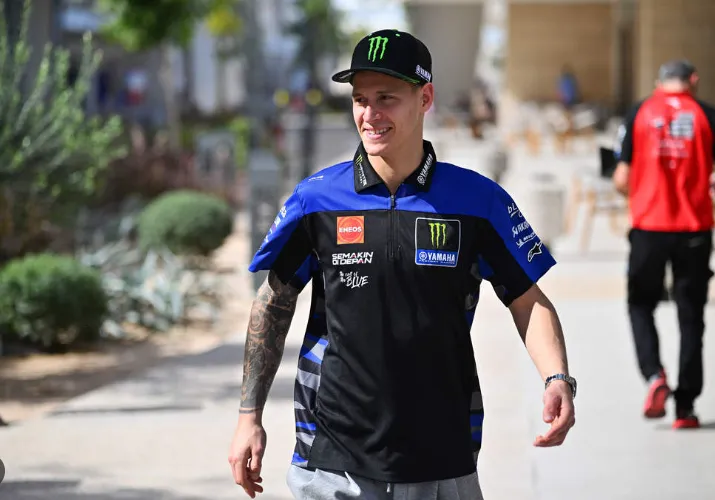
Fabio Quartararo and the unsolved puzzle of the Yamaha M1
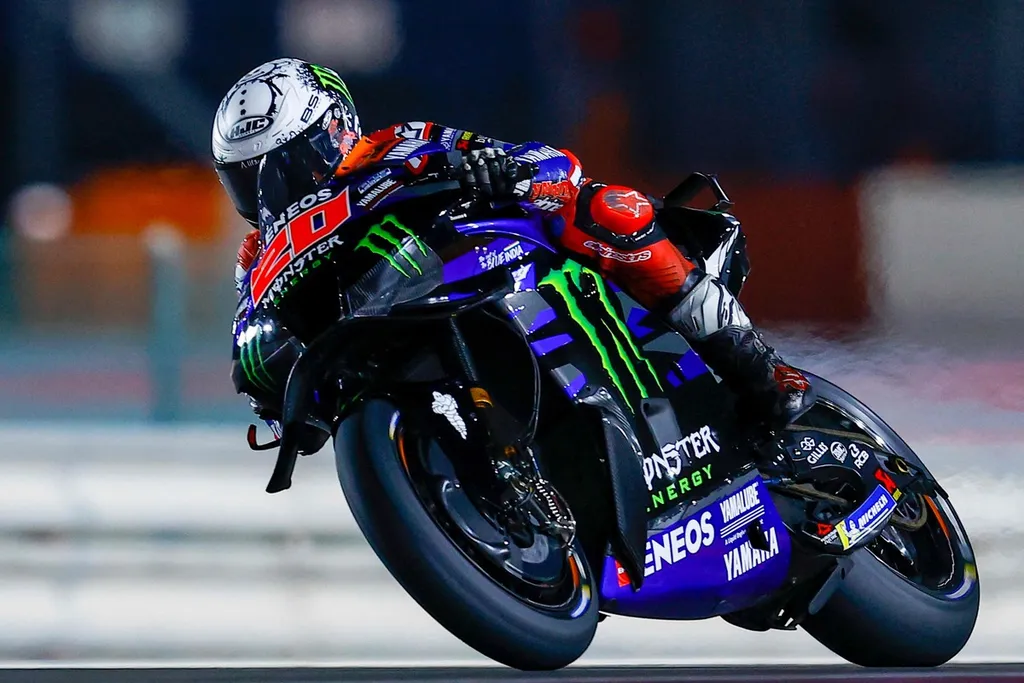
Fabio Quartararo, once hailed as the savior of Yamaha in the post-Rossi era, continues to face a seemingly endless uphill battle. The 2021 MotoGP World Champion is currently enduring one of the most challenging phases of his career, navigating through a 2025 season riddled with disappointment, inconsistency, and frustration. At the heart of the issue remains the Yamaha M1, a machine that once carried him to glory but has now become the unsolved puzzle dragging him down the championship ladder.
As of mid-2025, Quartararo sits outside the top five in the standings, a clear indication that both rider and factory are falling short in a fiercely competitive MotoGP grid. With rivals like Ducati, Aprilia, and KTM pushing the technological envelope, Yamaha has found itself caught in a development lag that threatens not only Quartararo’s title ambitions but also the manufacturer’s relevance in the sport.
A Brief Glimpse at the 2025 Season So Far
Quartararo entered the 2025 campaign with a sense of cautious optimism. Yamaha promised an upgraded engine, improved aerodynamics, and more aggressive chassis tweaks aimed at addressing the core issues that plagued the M1 in 2023 and 2024—namely, lack of top-end speed and corner-entry instability. While the winter testing phase in Sepang and Lusail offered glimpses of progress, the race weekends have told a different story.
Inconsistent race pace, poor qualifying performance, and lack of rear grip have become a recurring theme. Quartararo has managed only one podium finish in the first half of the season—an emotional third place in Jerez that did more to highlight his talent than Yamaha’s engineering solutions.
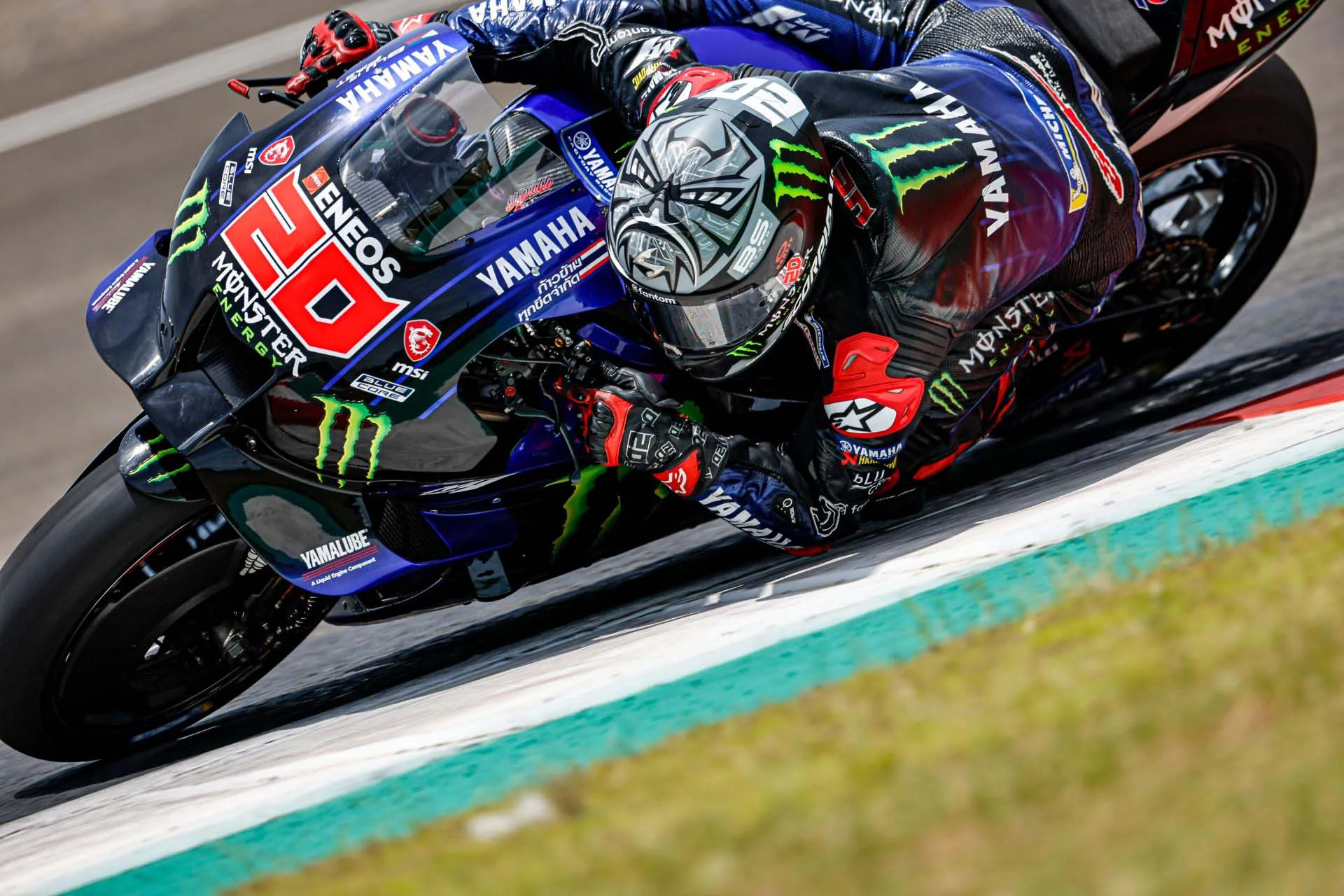
The Yamaha M1: Once Precise, Now Problematic
The M1, once known for its balance and agility, is no longer the weapon it used to be. In a sport where milliseconds matter, Yamaha’s inability to produce raw horsepower continues to be their Achilles’ heel. In 2025, Ducati’s Desmosedici and KTM’s RC16 have taken full advantage of their aggressive development strategies, including ride-height devices, shapeshifters, and ever-evolving aero packages.
Yamaha, meanwhile, has lagged behind, struggling to integrate these complex innovations effectively. The M1’s inline-four engine design, though smooth, cannot match the explosive acceleration of the V4 rivals. Quartararo’s frustration has grown, especially in circuits with long straights like Mugello and Red Bull Ring, where he’s consistently outgunned.
Quartararo’s Growing Frustration
In various interviews throughout the 2025 season, Quartararo has not minced his words. Though always professional, his tone has shifted from hopeful to exasperated. After a tough race in Sachsenring, he said:
“I gave everything, but the bike just doesn’t let me fight the way I want. You push to the limit and still lose time. It’s frustrating.”
Despite being Yamaha’s golden boy, Quartararo is clearly beginning to feel the pressure. The lack of visible progress raises concerns about his long-term commitment to the factory. His current contract runs through the end of 2026, but speculation about an early exit is beginning to circulate within the paddock.
Team Dynamics and the Lack of a Clear Direction
Another key concern is Yamaha’s technical leadership and direction. Since the departure of key personnel in 2022 and 2023, including project leader Takahiro Sumi, the team has lacked a visionary figure to steer development. While test riders like Cal Crutchlow and Katsuyuki Nakasuga continue to provide feedback, the M1’s evolution appears reactive rather than strategic.
Yamaha’s recent decision to base more testing in Europe with Crutchlow has helped shorten development cycles slightly, but the changes have not translated to race-day competitiveness. It’s a case of small gains being wiped out by the broader technical gap.
Comparisons with Teammate Alex Rins
Alex Rins, who joined Yamaha in 2024, has struggled just as much—if not more—than Quartararo. Despite being a proven race winner, Rins has failed to make a significant impact on the M1. His feedback aligns with Quartararo’s, suggesting the problem is deeply rooted in the machine rather than the rider.
Rins’ presence was supposed to accelerate development through his experience with Suzuki and Honda, but even he seems bogged down by Yamaha’s outdated development infrastructure. The inability to field a satellite team also limits data collection, putting Yamaha at a disadvantage compared to Ducati, which has eight bikes on the grid.
Looking Ahead: Is There a Way Out?
The path forward for Yamaha and Quartararo remains murky. While the factory has promised a “radical redesign” of the M1 for 2026—including a rumored V4 engine concept—those changes offer little consolation for the current season.
Some insiders suggest that Yamaha is in talks with engineers from Formula 1 to inject new thinking into their MotoGP project. Others speculate that they may attempt to poach technical talent from rival teams. But in a sport where momentum is everything, time is not on their side.
Meanwhile, Quartararo must decide whether he still sees a future with Yamaha or whether a change of scenery is needed to reignite his career. The 25-year-old is still in his prime, and teams like Aprilia or even Honda—with a new technical direction—could become viable landing spots if Yamaha fails to turn things around.
The Fan Perspective and Legacy at Stake
For fans of El Diablo, this period is heartbreaking. Quartararo has the heart of a champion and the talent to match, but he is being forced to ride defensively instead of offensively. His ability to salvage top-10 finishes on a clearly inferior machine speaks volumes, but it’s not enough to fight for titles.
If Yamaha doesn’t act decisively, they risk losing not only their star rider but also their credibility as a championship contender. A legacy built on names like Rossi, Lorenzo, and Biaggi could be overshadowed by a modern era of stagnation.
Conclusion: The Clock Is Ticking
As we enter the second half of the 2025 MotoGP season, Fabio Quartararo finds himself at a career crossroads. The Yamaha M1, once his trusted ally, has become a puzzle with missing pieces. Whether the factory can solve this riddle in time to save their partnership—and perhaps even their place among the elite—remains to be seen.
But one thing is certain: if Quartararo is to reclaim his rightful place at the top, he will need either a vastly improved M1 or a bold leap to a new challenge. Yamaha’s next few moves will determine not only the fate of their 2025 campaign but the long-term future of one of MotoGP’s brightest stars.