









David Guetta’s Strategic Move or Just Musical Brilliance? The Heated Debate Around His Remix of MK’s “Dior
When David Guetta stepped in to remix MK’s chart-topping single “Dior”, the music world braced itself for a clash of creativity, style, and ego. Released just two months after the original track featuring Chrystal dominated the UK Singles Chart, Guetta’s tech-house rework instantly ignited heated debates across social media and DJ circles. Was this a masterstroke of artistic brilliance that redefined the song’s reach, or a calculated “strategic move” to ride on MK’s momentum and spark controversy? With fans divided, industry insiders speculating about Guetta’s intentions, and whispers of similarities to other DJs’ works, this remix has become more than just a festival anthem—it’s a cultural flashpoint testing the boundaries between collaboration, competition, and the fine line of musical originality.
When Hype Turns into Debate
Every summer, the global dance music community waits for that one track that defines the season. In 2025, Marc Kinchen—better known as MK—seemed to have already secured that title with his house anthem “Dior”, featuring Chrystal. Released on June 6, 2025, under Sony UK and Ultra Records, the track stormed the UK Singles Chart, hitting number one in just two weeks. Its hypnotic grooves, sultry vocals, and tech-inspired layering made it a club favorite across Ibiza, Miami, and London.
But just when fans thought the story of “Dior” had peaked, the dance music titan David Guetta entered the picture. On August 8, 2025, Guetta dropped his official remix of “Dior”, marketed as a “tech house banger soon to a mainstage near you.” The release immediately sparked excitement, curiosity, and, inevitably, controversy. Was Guetta’s remix simply an homage to MK’s artistry, or was it a strategic play to capitalize on the momentum? Even more, why did some listeners claim the remix sounded strikingly similar to another DJ’s earlier work?
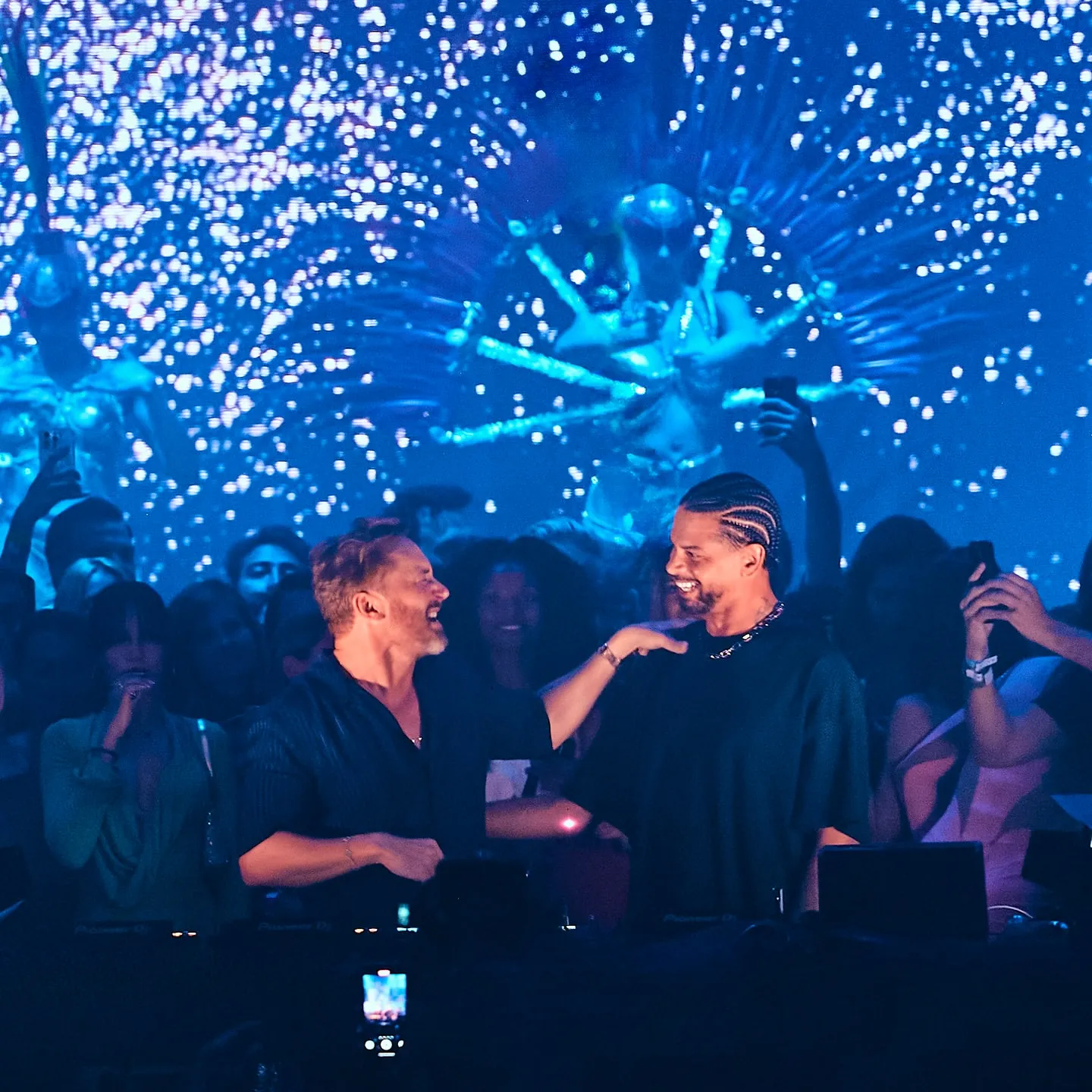
The debate is not just about one track. It is about authorship, creativity, and credibility in the world of electronic music, where collaborations can either create legendary moments—or trigger accusations of opportunism.
This article will dive into the story of MK’s original “Dior”, the impact of Guetta’s remix, the backlash from fans and critics, and the broader conversation about originality in the EDM industry. More than just a music review, it is a narrative about ambition, strategy, and the fine line between influence and imitation.
MK’s “Dior”: The Anthem That Took Over Summer 2025
The Origins of a House Masterpiece
Marc Kinchen, or MK, is no stranger to chart success. From his early days remixing tracks in Detroit to global hits like “17” and “Piece of Me”, MK has long mastered the formula of accessible yet authentic house music. With “Dior”, he wanted something fresh—an experiment with darker grooves while keeping the radio appeal.
Teaming up with vocalist Chrystal, he crafted a track that blended deep, rolling basslines with sensual toplines. According to interviews, the song’s title was inspired by the feeling of luxury and unattainability—a metaphor for desire that remains just out of reach.
Chart Domination
Released on June 6, 2025, “Dior” instantly gained traction. Within the first 48 hours, it topped Spotify’s UK viral chart, then surged into the UK Singles Chart, reaching number one after just two weeks. By late June, it had already accumulated over 50 million streams and became a staple across festivals. Ibiza’s Pacha, London’s Printworks, and Tomorrowland’s smaller stages all had DJs spinning it.
Critics praised its balance of underground credibility with commercial reach. Mixmag called it “a masterclass in crossover house music.” Fans on TikTok made viral dance challenges to its hypnotic drop. By all measures, MK had delivered one of the defining tracks of 2025.
Enter David Guetta: A Remix That Shook the Industry
The Announcement That Broke Instagram

On July 30, 2025, MK posted a cryptic caption on Instagram:
“So excited to share this with you guys—@davidguetta has reimagined Dior in a way I never thought possible. Out August 8. Big one for the clubs. #DiorRemix #UltraRecords.”
The announcement sent shockwaves through the dance music world. David Guetta, the French superstar with decades of chart-topping hits, was officially remixing Dior.
The Release: A Tech House Banger
True to the hype, Guetta’s remix dropped on August 8, 2025 via Ultra Records. It wasn’t just a casual re-edit—it was a complete reimagining. Guetta stripped the lush layering of MK’s original and replaced it with minimalistic, driving percussion, heavier kicks, and a rolling bassline that screamed mainstage festival.
The press release teased: “Coming soon to a mainstage near you.” Fans speculated this was Guetta’s way of signaling that Dior (Guetta Remix) would headline his upcoming sets at Creamfields, EDC, and even a rumored Ibiza residency finale.
Why Guetta’s Involvement Matters
David Guetta doesn’t remix every hit. His choice of tracks is strategic. By selecting “Dior”, he aligned himself with the biggest house track of the summer, inserting his name into the cultural conversation and ensuring his relevance in the ever-shifting EDM landscape. But with that move came scrutiny.
The Backlash: When Influence Feels Too Familiar
Fans Cry Foul
Within hours of release, social media lit up with comparisons. Several fans argued the Guetta remix sounded strikingly similar to tracks from Fisher or John Summit, two tech-house heavyweights. Tweets read:
-
“Did Guetta just Fisher-ify MK’s Dior? Lol this is wild.”
-
“Great remix but isn’t this just John Summit’s playbook?”
-
“Guetta took Dior and turned it into something we’ve already heard.”
Critics Join the Debate
Music journalists weren’t silent either. Resident Advisor noted:
“While technically solid, Guetta’s remix risks blending into the homogeneity of mainstream tech house. The question is: does the world need another Fisher-style banger, or should Guetta have leaned into his unique production identity?”
Others defended him, arguing that EDM is inherently iterative. Influence, they said, is not theft but evolution.
The Bigger Issue: Originality in EDM
This controversy reignited a long-standing debate: how original does a remix need to be? In an industry built on sampling, layering, and reimagining, where is the line between inspiration and imitation? For Guetta, whose career has often balanced between underground respect and commercial appeal, the stakes are high.
Was It Strategy or Artistic Choice?
Guetta the Businessman
David Guetta has always been more than a DJ—he’s a brand strategist. Collaborating with Sia, Kid Cudi, or Akon in the 2010s showed his instinct for merging genres. Remixing “Dior” might have been a calculated move: attach himself to a trending song, reshape it for stadiums, and ensure he dominates summer festival headlines.
Guetta the Artist
But dismissing it as pure strategy ignores Guetta’s artistry. His remixing style often involves stripping tracks down and rebuilding them for maximum impact. Fans who attended his private Ibiza set in August reported that the “Dior” remix drop” caused one of the loudest crowd reactions of the night.
So, is it strategy or artistry? Likely both. In EDM, the two are inseparable.

Imagining the Festival Debut: A Story Fans Want to Believe
While no official data confirms where Guetta first premiered the remix, fans speculate it happened at a secret B2B set with MK in Ibiza. Imagine the scene:
-
Thousands of fans under neon lights.
-
MK playing the original Dior.
-
The crowd already lost in the groove.
-
Suddenly, Guetta appears, fist raised. The beat shifts. The Guetta remix kicks in.
-
Phones light up, TikTok explodes, and within minutes, the remix becomes the talk of the night.
Even if this exact moment didn’t happen, the narrative itself fuels the track’s mythology. EDM thrives not only on sound but also on storytelling moments that become part of fan culture.
The Broader Implications: A Case Study in EDM Rivalries
The “Who Owns the Sound?” Debate
The Guetta remix controversy is less about one track and more about the ownership of sound. Fisher popularized cheeky vocal-driven tech house. John Summit made rolling basslines mainstream. MK added lush, soulful edges. By remixing Dior in this style, Guetta entered a soundscape that was already claimed by others.
The Community’s Role
Unlike pop music, EDM communities—both online and in festivals—play a massive role in deciding what’s authentic. On Reddit’s r/EDM, threads debating the remix ran for hundreds of comments. Some fans accused Guetta of clout-chasing, others argued he helped push tech house to a broader audience.
Rivalries: Fuel for Creativity
Whether intended or not, this situation creates rivalries—Guetta vs. the new wave DJs. Such rivalries often lead to innovation, as producers try to outdo each other with originality.
A Lesson in the Evolution of EDM
So, did David Guetta “play a trick” with his remix of MK’s “Dior”? The answer depends on perspective. To some, it was a strategic branding move—leveraging a hot track for festival dominance. To others, it was an artistic reinterpretation that gave Dior a second life on bigger stages.
What is undeniable is the remix’s impact. It sparked debate, drew attention to both Guetta and MK, and highlighted the ongoing tension between originality and influence in EDM.
In a way, that’s the mark of success. Music is meant to provoke emotion, inspire debate, and create moments that fans remember long after the last beat drops. Whether you love it or criticize it, David Guetta’s “Dior” remix has already secured its place in 2025’s cultural conversation.
And as the festivals roll on and the basslines echo across the world, one thing is clear: the story of “Dior” is far from over.