







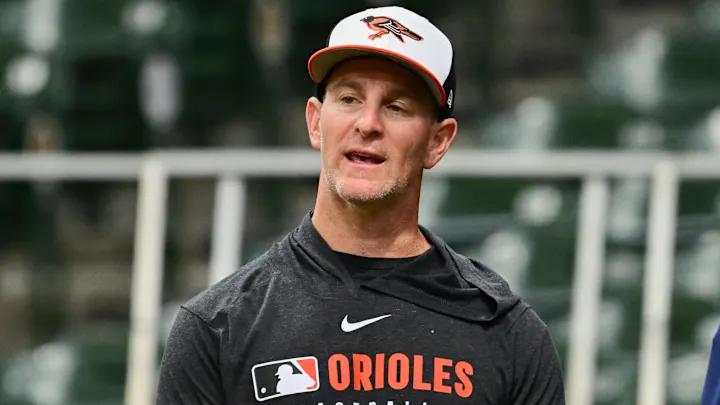
Coach Tony Mansolino has some candid comments about Dean Kremer’s play this time around. Many Kremer fans will probably be shocked after watching.
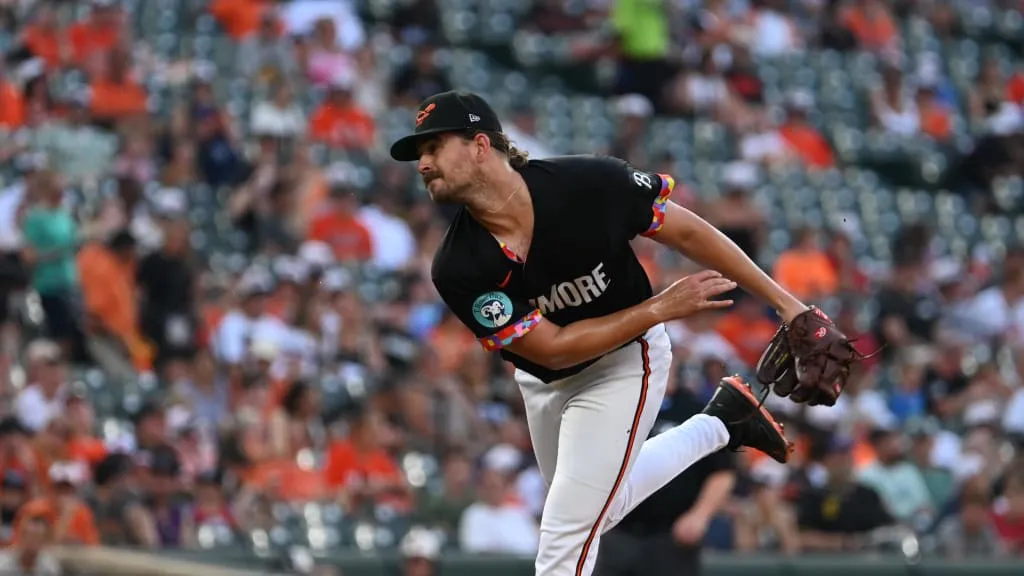
When a pitcher takes the mound, the spotlight shines brightest on him. For the Baltimore Orioles, that spotlight fell on Dean Kremer in their road game at Oracle Park against the San Francisco Giants. What unfolded was not just another disappointing start, but one that carried ripple effects through the fanbase, the coaching staff, and the larger narrative of the Orioles’ season.
The Orioles suffered a 15–8 defeat, their fifth consecutive loss, and the numbers told a grim story: Kremer gave up seven runs on nine hits in just three innings, marking one of his worst outings of the season. For a fan base already frustrated by a spiraling season, this was the kind of performance that stings far beyond the scoreboard.
Yet the real shock came not just from the stat line, but from the blunt, unfiltered remarks of interim manager Tony Mansolino, who provided a perspective on Kremer’s outing that was both surprising and unsettling for fans. Many Orioles supporters who tuned in or read his post-game comments were left reeling, not because they doubted Mansolino’s honesty, but because of how starkly it laid bare the truth: this wasn’t entirely about mechanics, mistakes, or even effort. It was about something deeper—and arguably more worrisome.
The Ugly Numbers at Oracle Park
Let’s start with the undeniable facts of the game:
-
Final Score: Giants 15, Orioles 8
-
Dean Kremer’s line: 3 innings pitched, 9 hits allowed, 7 earned runs, 2 walks, 1 strikeout.
-
Team record after the loss: 60–75, falling 15 games under .500 for the first time since late May.
-
Season context: It was the 16th time the Orioles had allowed double-digit runs this year, and the three errors in the seventh inning underscored just how sloppy and unsteady the team has become.
For Orioles fans, the collapse was painful but not entirely unexpected given the skid. What shocked them more was how this particular game felt like a microcosm of larger issues: bad starts, poor execution, defensive lapses, and mental fatigue.
Tony Mansolino’s Blunt Assessment
After the game, Tony Mansolino didn’t sugarcoat his evaluation. He noted that Kremer’s pitches were “still sharp” and his command wasn’t particularly off. On paper, Kremer wasn’t wildly missing the zone, nor was he serving up easy home runs. Instead, the Giants found ways to turn “soft contact” into production. Balls that barely left the bat hard were perfectly placed into gaps or over infielders’ heads.
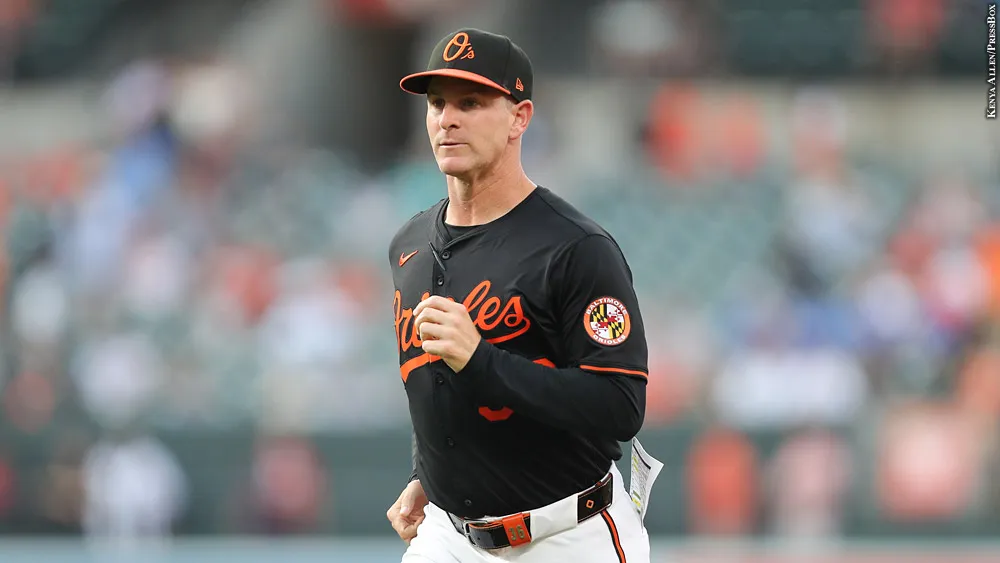
Mansolino essentially said: this wasn’t a night where the pitcher was completely ineffective—it was a night where fortune and placement conspired against him.
But here’s the nuance that shocked fans: by highlighting soft contact as the culprit, Mansolino implied that even when Kremer executed his pitches, he lacked the edge to escape trouble. In baseball terms, it wasn’t purely bad luck—it was also an indicator that Kremer’s arsenal wasn’t fooling hitters enough.
For fans, that was jarring. It’s one thing to hear that your pitcher “had an off night.” It’s another to hear that his best execution still isn’t enough to prevent damage.
The First Inning Meltdown
The game’s trajectory was decided early.
In the first inning, Kremer allowed two critical walks, including one to Rafael Devers that brought in a run. Walks are always dangerous, but in this case, they set the table for what became a four-run opening frame. From there, Kremer was immediately on the defensive.
High pitch counts compounded the issue. By the end of the first inning, he had already thrown 39 pitches. For a starting pitcher, that’s nearly what you’d hope to manage across two or even three innings. Kremer was gassed before the game had even truly begun.
Fans watching at home or in the stands at Oracle Park could sense the unraveling. For the second straight start, Kremer had failed to make it past the opening frame cleanly. It wasn’t just fatigue—it was a troubling pattern.
Kremer’s Own Response
After the game, Kremer’s comments reflected both resignation and realism. He said:
“Some days they find the fielders and some days they don’t.”
It was an acknowledgment of baseball’s randomness—sometimes soft contact becomes easy outs, and other times it turns into base hits. But for fans, this didn’t inspire confidence. Instead, it sounded like a pitcher who felt powerless against the ebb and flow of luck.
While honesty is appreciated, the sentiment reinforced a growing worry: was Kremer struggling not just with mechanics, but with belief in his ability to control outcomes?
The Offense Tried to Rally
The Orioles offense didn’t completely fold. Ryan Mountcastle had a strong showing, driving in multiple runs and trying to keep Baltimore within striking distance. There were brief moments where it looked like the Orioles might claw back into the game, trimming the deficit and creating a flicker of hope.
But baseball is a team sport, and no amount of offensive bursts can overcome constant defensive miscues and starting pitching collapses. The three seventh-inning errors essentially sealed the loss and turned the game into a blowout.
For fans, the offense’s fight highlighted the disparity: the lineup was still trying to deliver, but the pitching and defense continued to sabotage the effort.

Why Fans Were Shocked
So why did Mansolino’s remarks shock so many Orioles supporters?
-
Blunt honesty instead of excuses: Fans are accustomed to managers protecting their players publicly. Instead, Mansolino pointed out that Kremer’s outing wasn’t about wild mistakes but about his inability to avoid damage even when throwing quality pitches.
-
Implication of deeper concerns: If Kremer’s “sharp” stuff still got hit, what does that mean about his long-term viability in the rotation? Fans who had been hoping he could be a reliable mid-rotation starter suddenly saw a ceiling lower than expected.
-
Revealing the randomness of baseball: Many casual fans want clear explanations—bad mechanics, poor focus, fatigue. Hearing that “soft contact” was the difference reminded fans that baseball can be cruelly random, which is frustrating when a team is already losing.
The Role of Luck in Baseball
Mansolino’s comments also reignited an age-old debate among fans and analysts: how much of pitching is about skill versus luck?
-
BABIP (Batting Average on Balls in Play) is often used to measure this. A high BABIP can suggest that hitters are getting lucky with where the ball lands.
-
But consistent struggles with soft contact may also indicate a pitcher’s pitches aren’t generating enough swing-and-miss or weakly directed contact.
In Kremer’s case, the fact that two consecutive starts unraveled in the first inning suggests it’s not just random bad luck—it’s also about predictability, sequencing, or mental sharpness.
Orioles’ Larger Struggles
While Kremer was the headline, the Orioles’ problems are bigger than one pitcher.
-
Fifth straight loss: The losing streak reflects a team-wide slump.
-
Record 60–75: Falling 15 games under .500 shows how far they’ve fallen since May.
-
Defensive breakdowns: Three errors in a single inning highlight lapses in focus.
-
Bullpen woes: Even when starters falter, relievers haven’t been able to hold the line.
For fans, the Kremer game wasn’t an isolated incident—it was emblematic of broader issues dragging down the season.
What This Means for Kremer’s Future
The question now is: where does Dean Kremer go from here?
-
Workload concerns: He has already surpassed 150 innings this season, a heavy load that may be contributing to fatigue.
-
Rotation shakeups: With the Orioles experimenting with a six-man rotation, Kremer’s role may be adjusted to give him more rest.
-
Mental reset needed: Beyond mechanics, Kremer must rebuild confidence. The sense of powerlessness he expressed after the game cannot linger if he wants to remain a reliable starter.
For fans, his next start becomes a defining test. Can he bounce back, or will the struggles continue?
Broader Fan Sentiment
If social media and fan forums are any indication, the reaction to both Kremer’s outing and Mansolino’s comments was intense.
-
Some fans appreciated the honesty, saying it was refreshing to hear a manager speak candidly.
-
Others felt disheartened, interpreting it as a sign that even the coaching staff doubts Kremer’s ability to consistently succeed.
-
A few tried to remain optimistic, pointing out that soft contact games happen to every pitcher, even aces.
But overall, the tone was clear: frustration mixed with disappointment, amplified by the losing streak and the sense that the season was slipping away.
Conclusion: The Shock and the Hope
The Orioles’ 15–8 loss to the Giants will be remembered less for the scoreline and more for the raw honesty that followed it. Tony Mansolino’s blunt assessment of Dean Kremer’s outing shocked fans because it stripped away the usual managerial diplomacy and exposed the fragile line between execution and results.
For Kremer, the night was more than just a bad start—it was a test of resilience, one that raised doubts about his ability to anchor the rotation during tough stretches. For fans, it was a reminder of baseball’s cruel unpredictability and the emotional rollercoaster of supporting a team in transition.
And yet, within that shock lies hope. Baseball is a game of adjustments. Just as quickly as fortunes fall, they can rise again. Kremer has the tools to rebound. The Orioles, despite their skid, have shown flashes of potential. What remains to be seen is whether they can turn blunt truths into meaningful change.
As the season presses forward, all eyes will be on Kremer—not just for how he pitches, but for how he responds to the kind of honesty that can either break a player’s confidence or fuel a powerful comeback.
Related News