







$1 Billion to Zero? Mark Zuckerberg Freezes AI Jobs Amid Market Panic
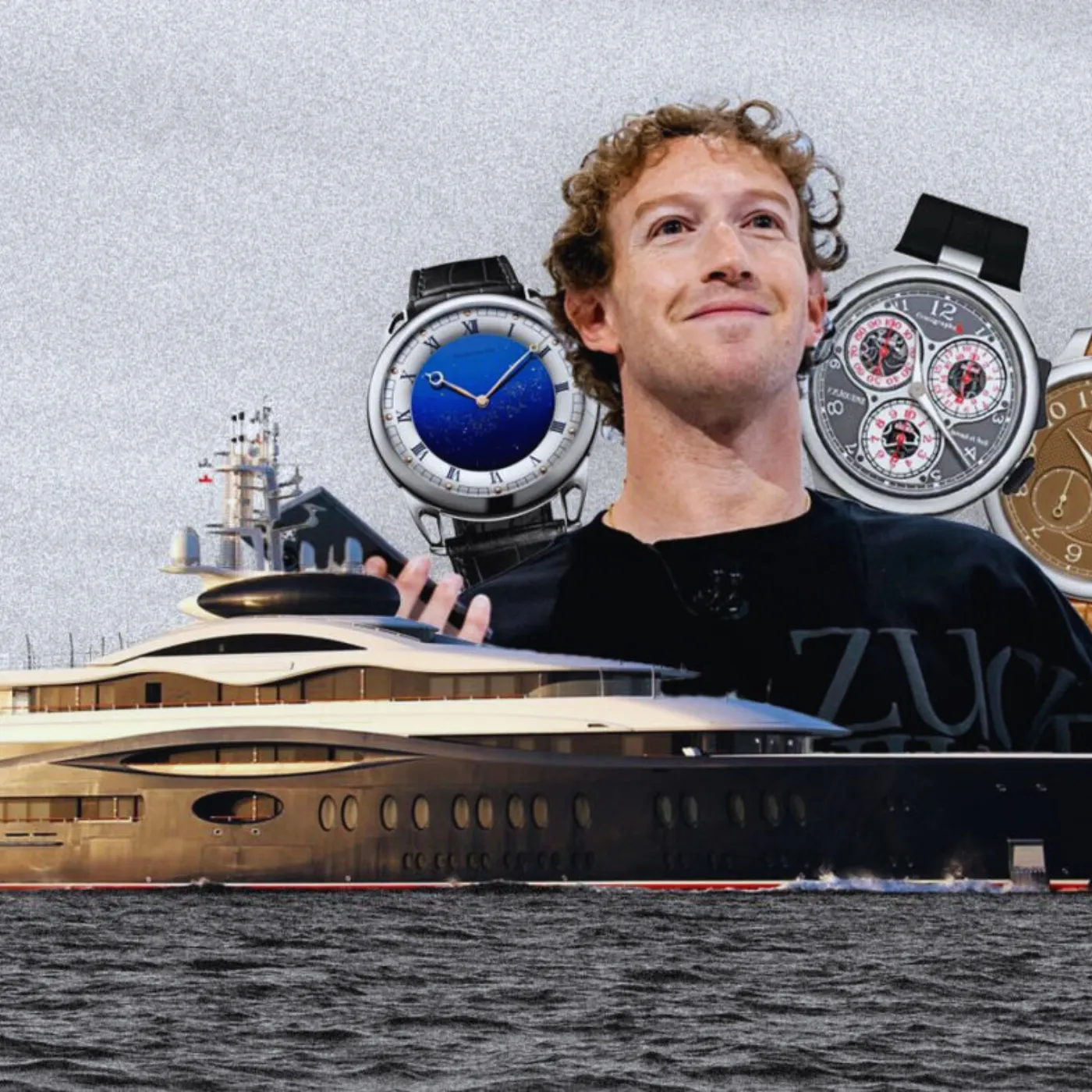
In a shocking twist that has already set off alarms across Silicon Valley, Mark Zuckerberg has pulled the brakes on AI hiring, a move that comes just months after Meta was reportedly offering as much as $1 billion to secure top talent in the artificial intelligence race. The abrupt freeze isn’t just a corporate decision—it’s a cultural moment, a viral headline, and a signal that even the loudest tech giants may be feeling the pressure of what many are calling an AI bubble.
The decision raises one burning question: Is the AI hype already running out of steam, or is Zuckerberg simply playing a long game that the rest of us can’t see yet?
Meta’s Sudden U-Turn
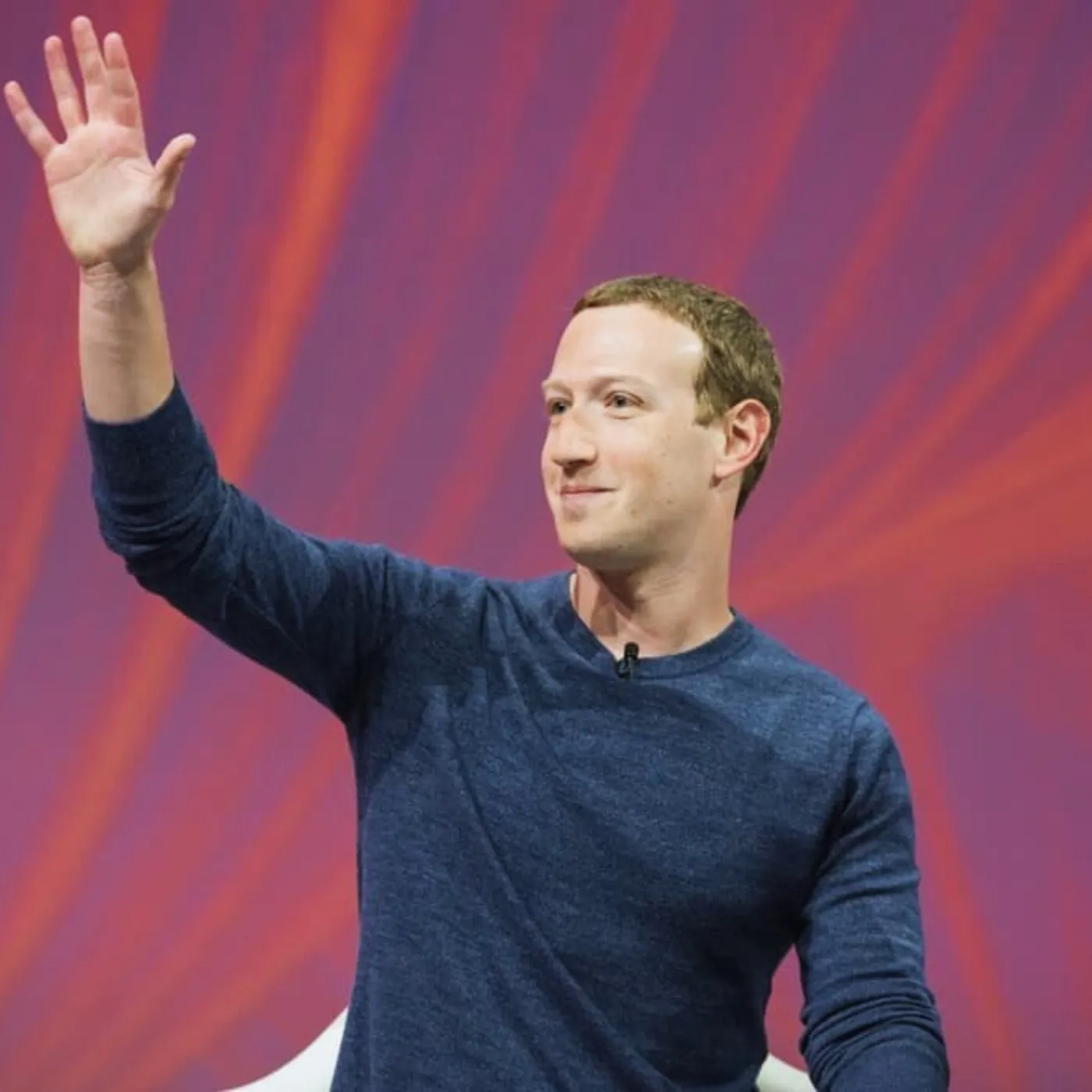
For years, Meta has been at the frontlines of every technological trend—from social networking to virtual reality and, most recently, AI supremacy. Billions have been poured into projects like LLaMA, Meta’s flagship large language model, and Zuckerberg himself has championed AI as the next evolutionary leap for human-machine interaction.
But this week’s headline changes everything: Meta has frozen AI hiring.
For a company that reportedly waved checks up to $1 billion in front of engineers just to lure them away from competitors like Google and OpenAI, the reversal feels like whiplash. What was once a talent gold rush suddenly looks more like a corporate retreat.
And here’s the kicker: Zuckerberg isn’t framing this as a pause to regroup—it’s being widely interpreted as a defensive move against fears of an AI bubble collapse.
The Bubble Fear Factor
The phrase “AI bubble” has been floating around Wall Street and Twitter threads for months. Analysts have pointed out that while AI models are jaw-dropping in demos, monetization remains murky. Sure, there’s money in selling APIs, licensing models, and integrating AI into products—but are these revenue streams sustainable enough to justify trillion-dollar valuations?
By freezing hiring, Zuckerberg may be signaling what others have whispered behind closed doors: the bubble could burst sooner than expected.
“Tech history is repeating itself,” one insider told us. “We saw this with the dot-com bubble in the early 2000s. We saw it with crypto in 2021. Now it’s AI. And Meta’s latest move might be the first domino.”
Meta’s Image Problem
Let’s not forget the PR side of the story. Zuckerberg has spent years trying to shake off the “robot CEO” meme, the endless jokes about his personality, and the backlash from failed experiments like the metaverse. Remember Horizon Worlds? Billions invested, mocked avatars, and a world no one really wanted to live in.
By freezing AI hiring, critics say Zuckerberg risks being painted once again as behind the curve. For a CEO obsessed with staying culturally relevant, that narrative could sting even more than Wall Street losses.
But others argue the opposite: that this is a strategic chess move. By halting the frenzy, Meta could wait for the hype cycle to cool, then swoop back in when valuations drop and talent gets desperate.
Billion-Dollar Whiplash
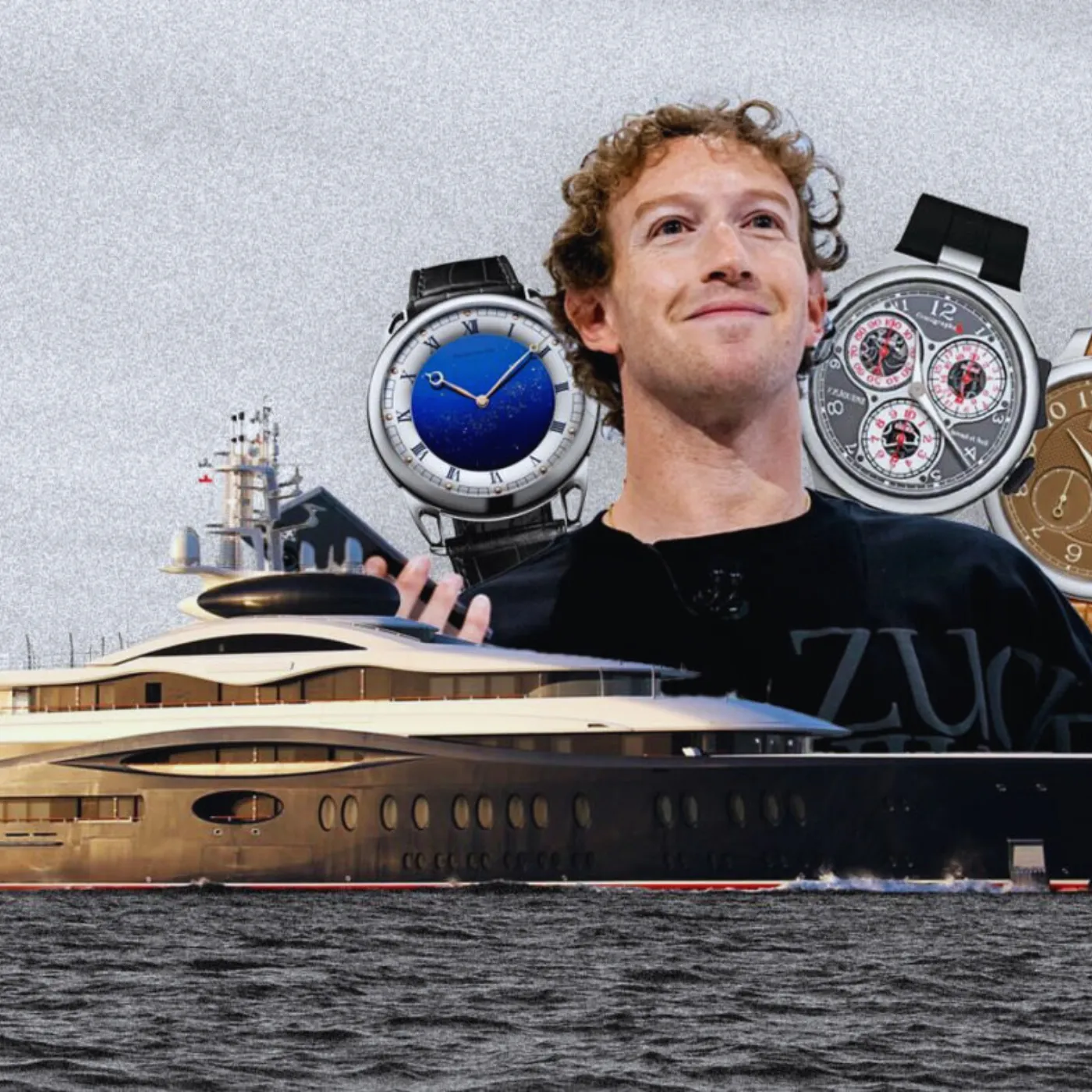
The most shocking part of this story is the $1 billion pay offer reversal. Not long ago, reports claimed that Meta was dangling astronomical salaries and bonuses to win over AI experts. The figure became a symbol of the AI arms race—proof that companies were willing to burn cash just to avoid being left behind.
Now? Zero. Frozen. Full stop.
The dramatic swing from “whatever it takes” to “not hiring at all” raises eyebrows. Was Meta bluffing all along? Or did internal financial models finally reveal what skeptics already believed: that AI is overhyped, overfunded, and dangerously close to imploding?
Wall Street Reacts
Unsurprisingly, investors are split. Some view the freeze as a smart fiscal correction. In a climate where interest rates are high and tech stocks are volatile, slashing costs and slowing down hiring could save Meta billions in burn.
Others see it as a red flag. If the company that was once throwing gold bars at engineers is now suddenly clutching its wallet, what does that say about the true state of the AI economy?
Shares of Meta wobbled in early trading after the announcement, though not a full meltdown. But analysts agree: the narrative shift is more dangerous than the financial impact. Once “AI leader” becomes “AI doubter,” perception alone could erode Meta’s influence.
The Silicon Valley Gossip Mill
On Twitter, the freeze has already become a meme. Screenshots of the $1 billion salary headlines are being placed side by side with posts about the hiring freeze, often captioned with the viral “bro what happened?”
Rival tech employees are gleefully stoking the fire, with some quipping that Meta’s next big product will be a “freeze button” instead of an AI breakthrough.
And here’s the cultural kicker: ordinary users—the ones scrolling Facebook and Instagram—are seeing the drama play out in headlines and memes without fully understanding the business logic. To them, it looks like Zuckerberg is panicking. And in the world of public opinion, panic is contagious.
Talent Fallout
Another question looms large: what happens to the talent?
AI engineers are among the most sought-after professionals on the planet. Many jumped ship to Meta precisely because of its lavish offers. Now, with hiring frozen, those already inside may wonder if they’re next on the chopping block.
Meanwhile, competitors like Google DeepMind, Anthropic, and OpenAI could see a surge of applicants as engineers seek stability. The hiring freeze could end up strengthening rivals—an ironic twist for a move meant to save money and control hype.
Bubble or Strategy?
Critics say this is a panic button moment. Supporters insist it’s a power move.
Both sides have a point. If the AI hype does collapse, Zuckerberg looks like a prophet who dodged the worst of it. If the hype continues and competitors push ahead, he looks like the guy who blinked first.
That’s the paradox: Meta is stuck between fear of missing out and fear of losing billions. And Zuckerberg knows better than anyone that in the tech world, missing the next big thing can be fatal.
Cultural Stakes
This story isn’t just about money—it’s about tech culture. AI has been marketed as the tool that will change everything: how we work, how we live, how we think. By freezing hiring, Meta risks sending a message that the future is less certain than we thought.
In entertainment terms, it’s like canceling a blockbuster movie after already spending half the budget. People will ask: what went wrong behind the scenes?
The Bigger Question: Can Meta Still Lead?
Meta has reinvented itself before. From college dorm startup to global platform. From social network to metaverse evangelist. From ad giant to AI hopeful.
But freezing AI hiring feels like a crack in the armor. It raises the question: Does Meta still have the courage to lead, or is it quietly slipping into follower mode?
For Zuckerberg, perception matters almost as much as profit. If the world starts seeing him not as a visionary but as a hesitant CEO, the long-term damage could far outweigh the short-term savings.
Viral Potential
Here’s why this story is dominating feeds:
-
It’s dramatic: $1 billion offers turned to zero.
-
It’s relatable: job freezes, panic, uncertainty—everyone feels it.
-
It’s toxic enough to trend: people love to hate-watch Zuckerberg stumble.
-
It’s cultural: AI isn’t just tech news; it’s mainstream now.
Every ingredient for a viral headline is here. And Zuckerberg, willingly or not, has handed the internet its next obsession.
Final Word
The AI bubble question won’t be answered overnight. Maybe it pops, maybe it doesn’t. But for now, one thing is clear: Meta’s hiring freeze is a story bigger than business—it’s a cultural event.
Whether it’s panic or power move, smart strategy or corporate misstep, Zuckerberg has once again placed himself at the center of the conversation. And in today’s attention economy, being the story—good or bad—might be the only way to stay relevant.
Because in the end, whether you love him or hate him, one truth remains: when Mark Zuckerberg makes a move, the whole world watches.