






A Surprise Blow: What Injury Did Dean Kremer Suffer While Playing – And How Does It Put the Baltimore Orioles?
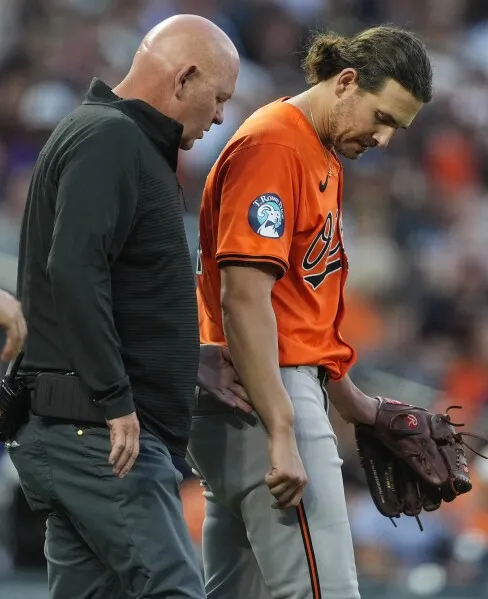
When the Baltimore Orioles took the field against the Colorado Rockies in what looked like another manageable matchup, few expected the night to become a turning point. A 7–5 loss might look ordinary on paper in the long grind of a Major League Baseball season, but this particular game left the Orioles with scars that go beyond the scoreboard. The moment that shifted everything came early: Dean Kremer, one of Baltimore’s most reliable pitchers, was struck on the wrist by a sharp line drive, forcing him out of the game.
What followed was a ripple effect that not only disrupted the Orioles’ rotation but also magnified the fragility of their bullpen, particularly with Craig Kimbrel’s late-game collapse. The combined weight of Kremer’s injury and Kimbrel’s struggles left fans and analysts asking tough questions: How deep is Baltimore’s rotation really? Can the bullpen withstand October pressure? And perhaps most importantly, how will Kremer’s absence alter the Orioles’ postseason trajectory?
This article dives deep into those questions, examining how a single injury has put Baltimore into an uncomfortable spotlight, what it reveals about the team’s structure, and what it could mean for their playoff hopes.
Dean Kremer’s Injury: A Turning Point Nobody Expected
The Play That Changed the Game
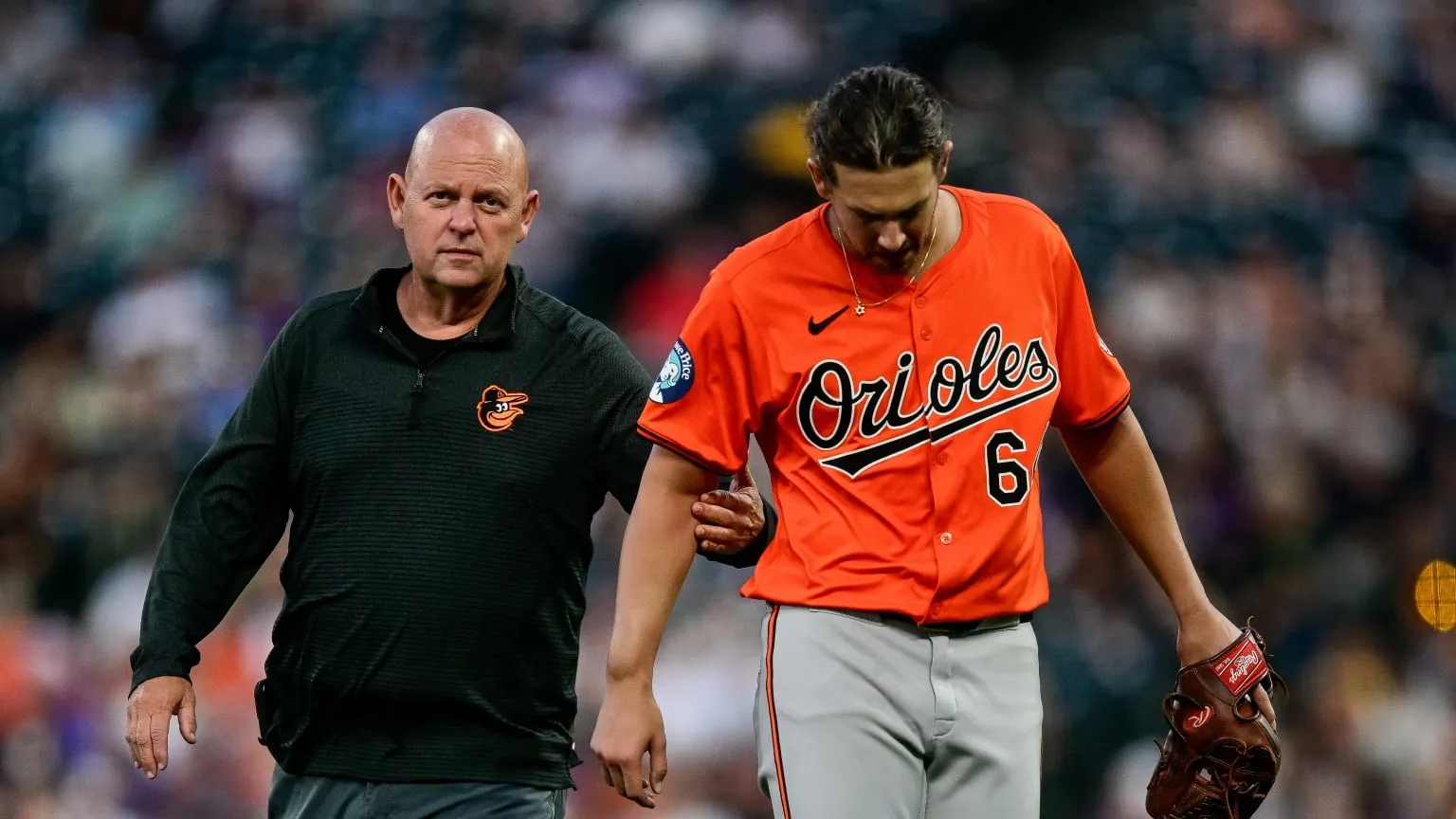
In the first inning against the Rockies, Dean Kremer barely had time to react before a searing line drive ricocheted off his right wrist, forcing him to leave the game. Trainers rushed to evaluate him, and though X-rays later ruled out a fracture, the immediate swelling and discomfort made it impossible for him to continue.
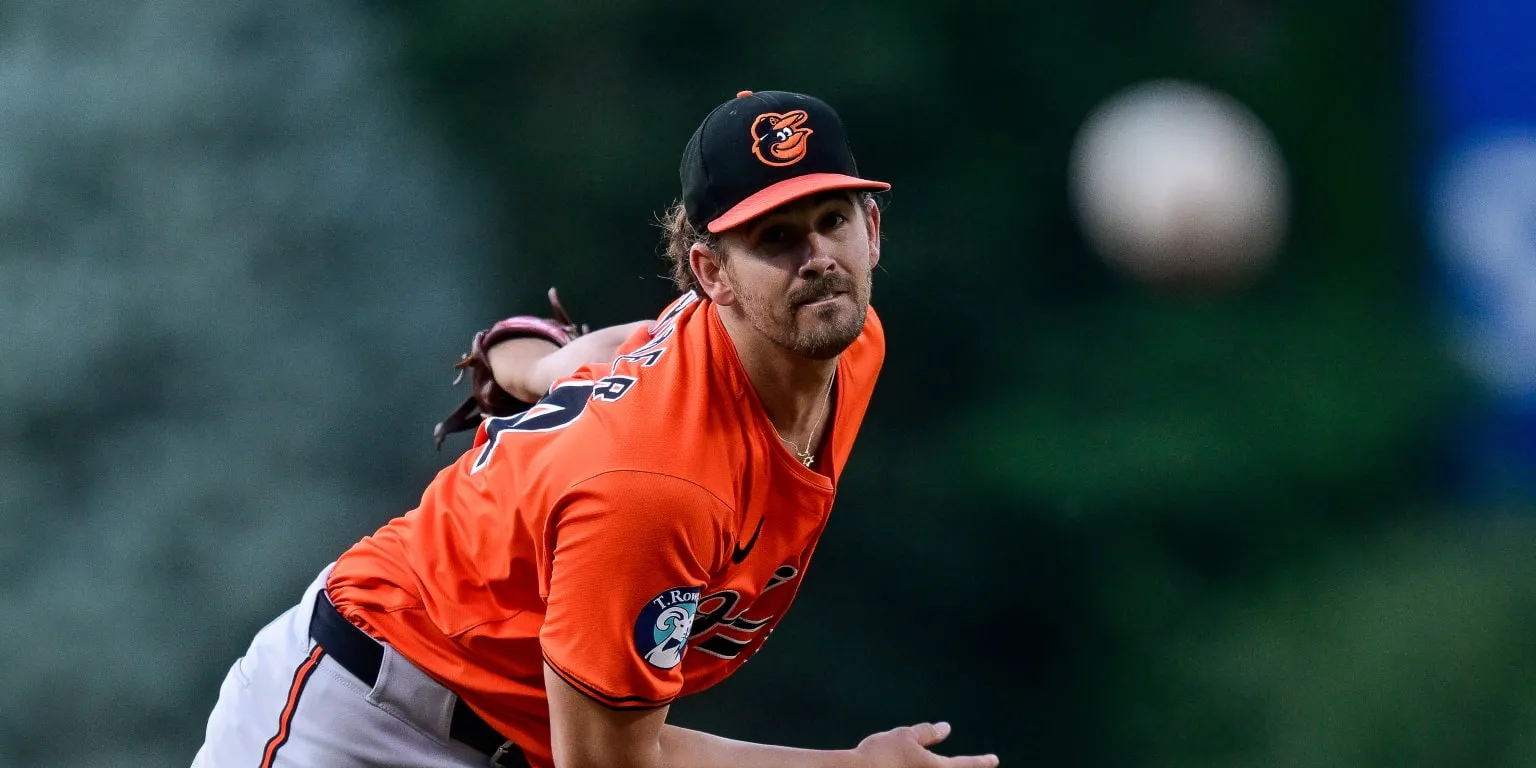
For a rotation already juggling innings limits and minor health concerns, Kremer’s exit was more than just bad luck. It pulled a dependable arm out of the gameplan and thrust the bullpen into action far earlier than planned.
Why Kremer Matters So Much
Kremer is not just another starter. His role in the Orioles’ rotation has been pivotal for balance, often serving as the bridge between the team’s front-end aces and the back-end depth arms. With his ability to consistently go five to six innings, he stabilizes the pitching staff and allows manager Brandon Hyde to manage bullpen usage more strategically.
Losing him—even temporarily—puts immense stress on a team that has prided itself on consistency and rhythm in a long season.
The Immediate Fallout: Rotation Disrupted, Bullpen Exposed
Scrambling to Fill Innings
When Kremer exited, the Orioles had to pivot quickly. What was meant to be a structured game turned into an all-hands-on-deck bullpen scramble. Middle relievers were forced into extended duty, throwing off the sequence that Hyde relies on late in games.
The Rockies capitalized, chipping away and forcing Baltimore into uncomfortable matchups. By the time Craig Kimbrel entered, the momentum had already tilted, and the team was in survival mode rather than control mode.
Craig Kimbrel’s Collapse
Adding insult to injury, Craig Kimbrel surrendered key runs late, blowing what slim chance Baltimore had to steady themselves. Kimbrel’s inconsistency has been a talking point all season, and this outing only amplified the concern. In high-leverage situations, a closer’s reliability is non-negotiable. On this night, Kimbrel faltered when Baltimore needed him most.
This one-two punch—Kremer’s injury followed by Kimbrel’s implosion—illustrated a sobering reality: the Orioles are not as invincible as their record sometimes suggests.
Beyond the Box Score: The Bigger Implications
Strain on the Rotation
With Kremer sidelined, even briefly, Baltimore faces tough questions. Who fills his spot? Do they rely on spot starts from the minors, or overextend other starters? Either choice comes with risks. Overworking a rotation in late August and September can have devastating ripple effects come October.
Overexposure of the Bullpen
The Orioles’ bullpen has been solid overall, but cracks have shown under pressure. Without Kremer eating innings, Hyde may be forced to overuse relievers in back-to-back games, which could worsen fatigue and performance variance.
Psychological Impact
Baseball is as much mental as it is physical. Seeing a teammate injured in such a sudden and painful way can shake a clubhouse. Add in the frustration of a winnable game slipping away, and morale can take a hit.
Dean Kremer’s Injury in Context: Why This Moment Matters
The Orioles’ Playoff Push
The Orioles are not playing meaningless September baseball. Every win matters in the tight AL East race, and momentum heading into the postseason is critical. Losing a starting pitcher now is not just about missing one or two games—it’s about disrupting the carefully crafted balance that a team relies on for October success.
Kremer’s Track Record of Durability
One reason this injury hits so hard is because Kremer has been remarkably durable. Unlike other rotation pieces who have flirted with injuries, Kremer has been a steady presence. His absence underscores how fragile even the most dependable arms can be in baseball.
Craig Kimbrel: The Other Concern
Late-Game Inconsistency
While Kremer’s injury is the headline, Kimbrel’s struggles cannot be ignored. A closer is judged by his ability to shut the door, and too often this season, Kimbrel has left it ajar. His command issues and tendency to allow hard contact raise legitimate concerns for postseason matchups.
Postseason Trust Factor
Managers shorten their bullpens in October, leaning heavily on closers and setup men. If Kimbrel cannot be trusted in those spots, it forces Hyde to reshuffle roles—an undesirable scenario when the margin for error is razor-thin.
Lessons From the Rockies Loss
Baseball’s Fragile Balance
This game was a reminder that baseball is a sport of fine margins. One injury, one blown save, and the entire structure of a team can feel unstable. For the Orioles, who have built their season on cohesion and depth, this was a stress test they didn’t pass.
Fans’ Perspective
Orioles fans took to social media after the game, voicing both concern and frustration. Many pointed out that the team cannot afford injuries or bullpen collapses if they hope to make a deep playoff run. Others called for immediate roster moves to fortify the pitching staff.
Looking Ahead: Solutions and Adjustments
Short-Term Fixes
-
Rotation Shuffle: Expect the Orioles to consider calling up an arm from Triple-A to cover innings.
-
Bullpen Reinforcement: A “next man up” mentality will likely see middle relievers given greater responsibility.
Long-Term Implications
The real test will come in October. If Kremer recovers quickly, the Orioles may weather the storm. If not, this could expose the thin line between contender and pretender in the postseason.
Conclusion: A Team at a Crossroads
The injury to Dean Kremer and the collapse by Craig Kimbrel in the same game against the Rockies was more than just a regular-season loss. It was a flashing warning sign about the Orioles’ vulnerabilities.
For Baltimore to achieve its postseason aspirations, it must:
-
Manage Kremer’s recovery carefully.
-
Stabilize the bullpen, especially Kimbrel.
-
Avoid overtaxing the rotation in the final stretch.
Baseball seasons are marathons defined by moments of crisis. For the Orioles, this was one such moment—a reminder that success is fragile, and resilience is tested when adversity strikes.
Related News