





A Historic Order of Merit — Or Just a Trap That Burdened Parker’s Career with Impossible Expectations?
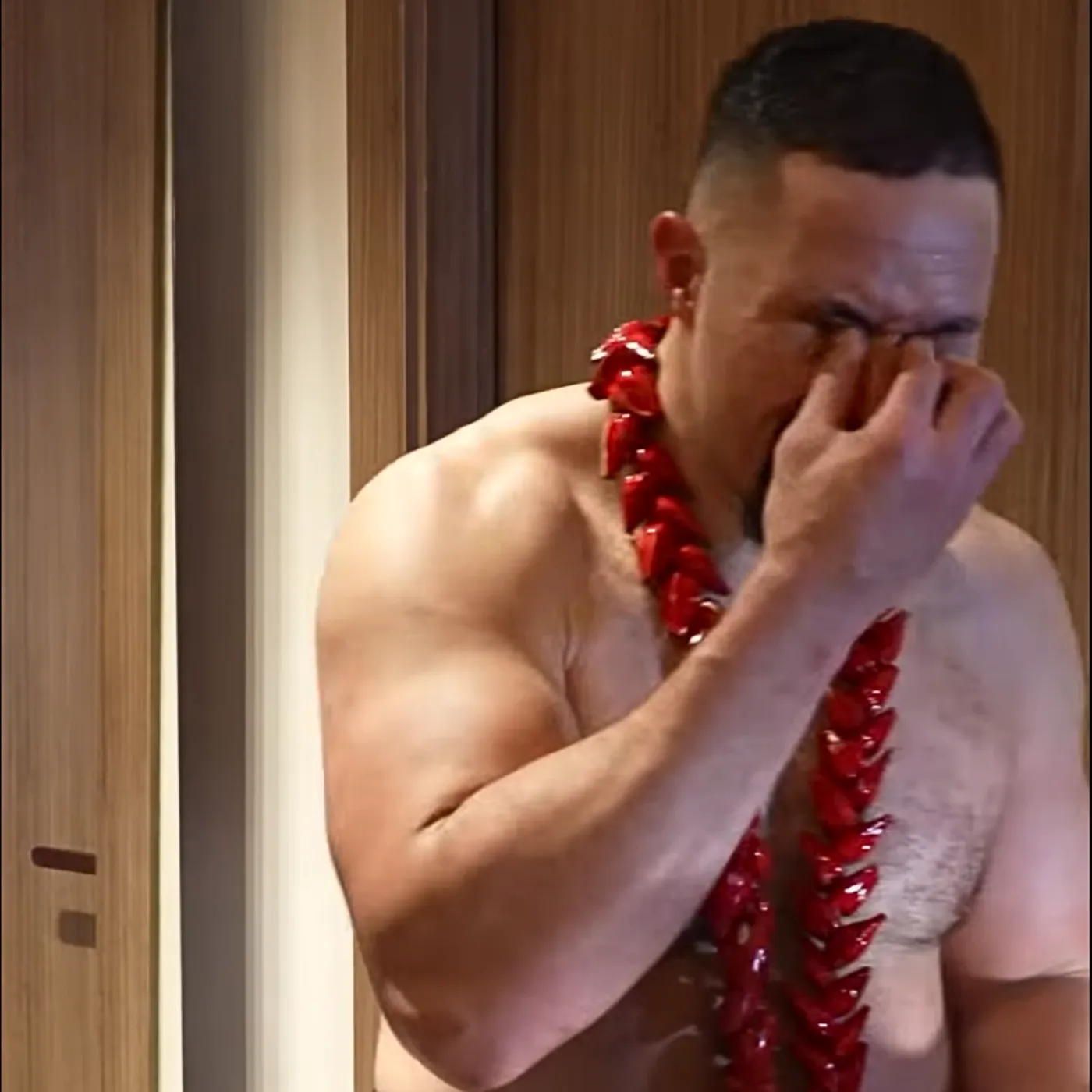
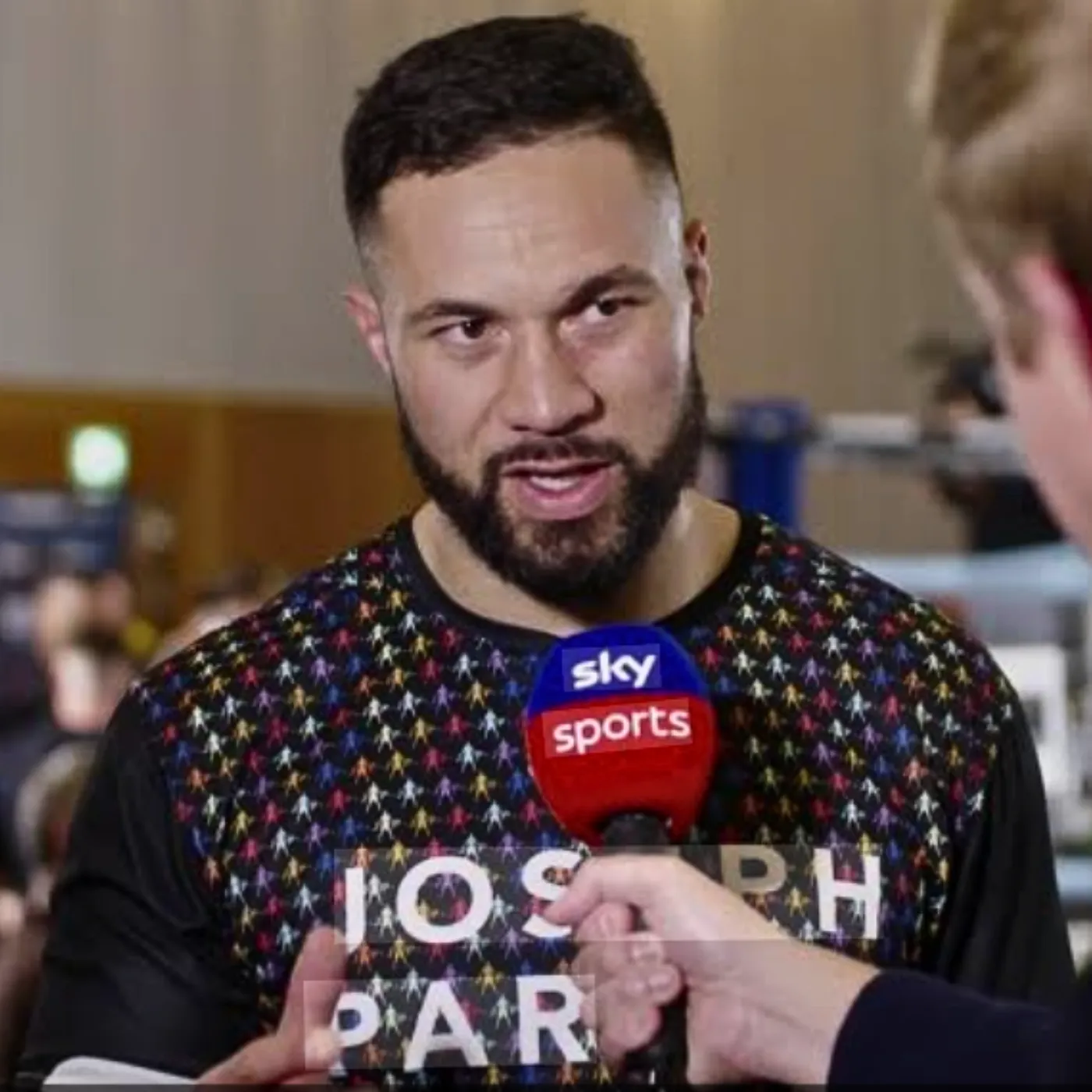
Joseph Parker, once celebrated as the pride of Samoa and New Zealand boxing, made history in 2017 when he became the youngest person ever to receive the Samoa Order of Merit — a prestigious honor reserved for individuals who have made extraordinary contributions to the nation. The award was presented not only to recognize his athletic excellence but also his service to the community. Yet, eight years later, many are asking: Did this historic recognition elevate Parker’s career to new heights, or did it secretly create an unrealistic weight of expectations that he could never truly escape?
The Night Samoa Stood Still
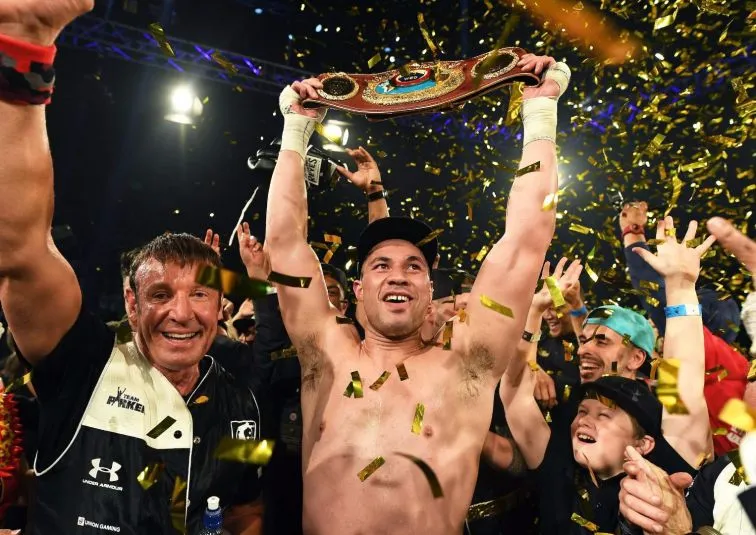
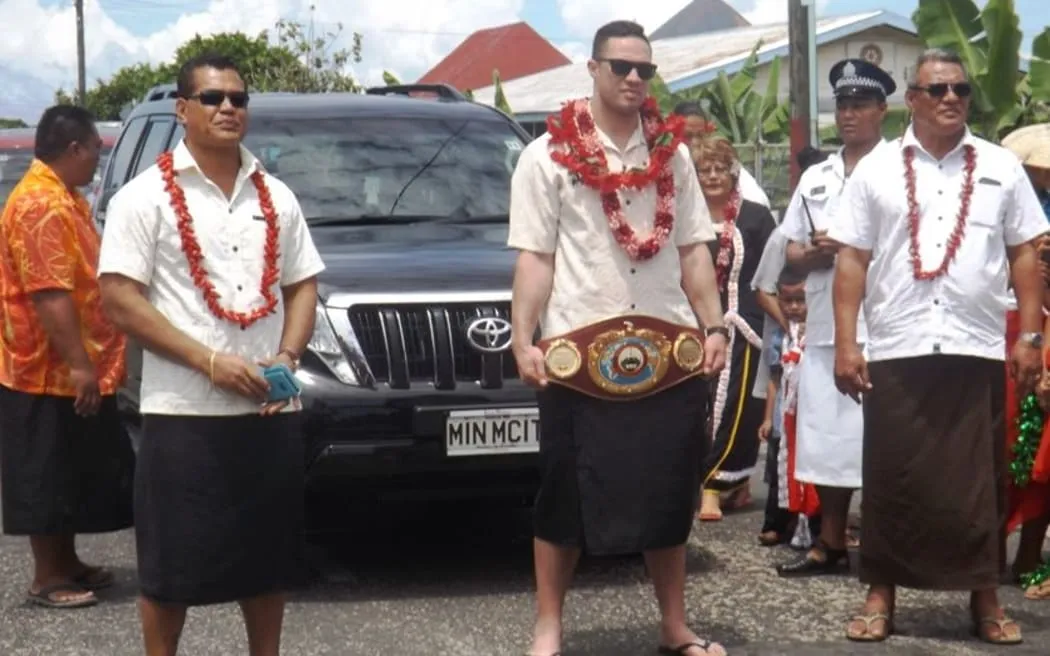
When the Order of Merit ceremony was held in 2017, Samoa wasn’t just honoring a boxer — it was celebrating a national hero. At only 25, Parker had become a world heavyweight champion, defeating Andy Ruiz Jr. in Auckland to claim the WBO title. His victory didn’t just resonate in New Zealand or the boxing world; it electrified the entire Pacific region. Samoa, a nation of just over 200,000 people, saw one of its own standing shoulder to shoulder with legends of the sport.
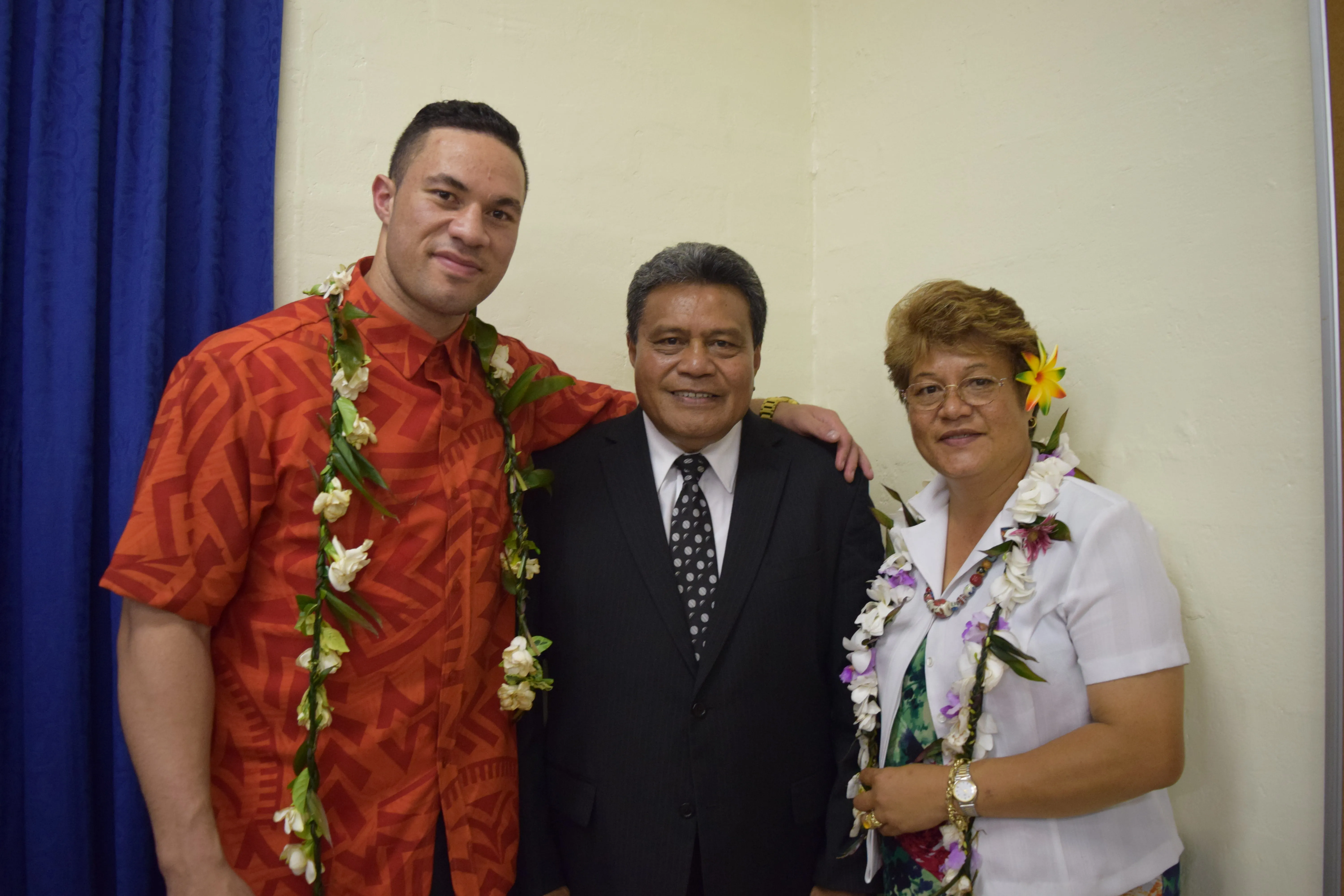
The Prime Minister and dignitaries hailed Parker’s achievement as proof that Samoan resilience and spirit could conquer the world stage. The Order of Merit was a symbol, a statement to the world: Samoa produces champions. But while the honor was historic, it also set a dangerous precedent. How could a young man, still finding his identity in a brutal sport, live up to an accolade so weighty that only statesmen, scholars, and cultural icons had carried it before him?
From Underdog to National Symbol
Parker’s early career was defined by speed, charm, and humility. He wasn’t the loud, brash heavyweight who trashed opponents in press conferences. Instead, he carried himself with the quiet dignity that made him likable and relatable. By the time he lifted the WBO belt, Parker was already more than an athlete — he was a cultural symbol.
For young Samoans, he embodied hope. For New Zealand, he represented diversity and global competitiveness. And for the boxing world, he was a fresh face capable of carrying the division into a new era after the dominance of the Klitschko brothers. But with every victory, the spotlight grew harsher. The Order of Merit only amplified it. The award declared Parker not just a champion of the moment, but a champion for history. Could anyone — even Parker — live up to that?
The Curse of Early Recognition
There is something paradoxical about receiving the highest honor so young. For Parker, it may have created a hidden trap. How do you climb higher when the nation already treats you as if you’ve reached the summit? Every fight that followed his recognition was not just about winning or losing in the ring — it was about defending the symbolic weight of Samoa’s faith in him.
When Parker eventually lost his WBO title to Anthony Joshua in 2018, critics whispered that the Order of Merit had been awarded too soon. Instead of allowing Parker space to grow, Samoa had already placed him in the pantheon of legends. This created a psychological burden. Was every setback now a failure not just of a boxer, but of a national icon?
Community Pride vs. Career Pressure
One cannot overlook the pride Parker brought to Samoa. Churches, schools, and local organizations celebrated him. His story became part of sermons, school assemblies, and community projects. The Order of Merit validated Samoa’s identity on a global scale.
But for Parker himself, the pressure was relentless. While Joshua, Tyson Fury, and Deontay Wilder were free to craft their own narratives, Parker was fighting for something more — a nation’s pride. Every jab, every round, every loss was magnified. When he suffered defeats in high-profile fights, the question was no longer just about his boxing skill but about whether he had let his people down. That is the double-edged sword of becoming the youngest national honoree.
The Longevity Question
Sports analysts often debate: Did Parker peak too soon? At 25, he was a world champion with a historic honor. But heavyweight boxing is a long game — most champions mature in their late 20s or even 30s. Parker, by contrast, seemed to carry the label of “finished product” far earlier. By receiving the Order of Merit, he wasn’t seen as a work in progress but as a completed masterpiece. That perception may have robbed him of the patience and breathing room needed to adapt after tough losses.
Did the Award Create Impossible Expectations?
Let’s confront the provocative question: Was the Order of Merit a blessing or a curse? On one hand, it immortalized Parker in Samoan history regardless of his win-loss record. On the other, it created a mythology around him that could never be fully lived up to. No matter how many fights he won after 2017, nothing would match the symbolic power of being the youngest in history to receive such recognition.
Some argue that Parker’s career has been judged unfairly since. A loss for him was never just a loss — it was interpreted as the fall of a national hero. In that sense, the award may have placed him in a narrative he didn’t choose.
The Global Perspective
From an international lens, Parker remains respected. He has fought the very best — Joshua, Dillian Whyte, Joe Joyce, and others — often going the distance against the elite. Unlike many heavyweights, Parker has never been humiliated or dismissed as a fraud. His technical skill, durability, and professionalism are praised. Yet the Order of Merit story adds a unique layer: while most boxers are measured only by belts and records, Parker is measured against an idealized version of himself created by his own nation’s honor.
The Future of Parker’s Legacy
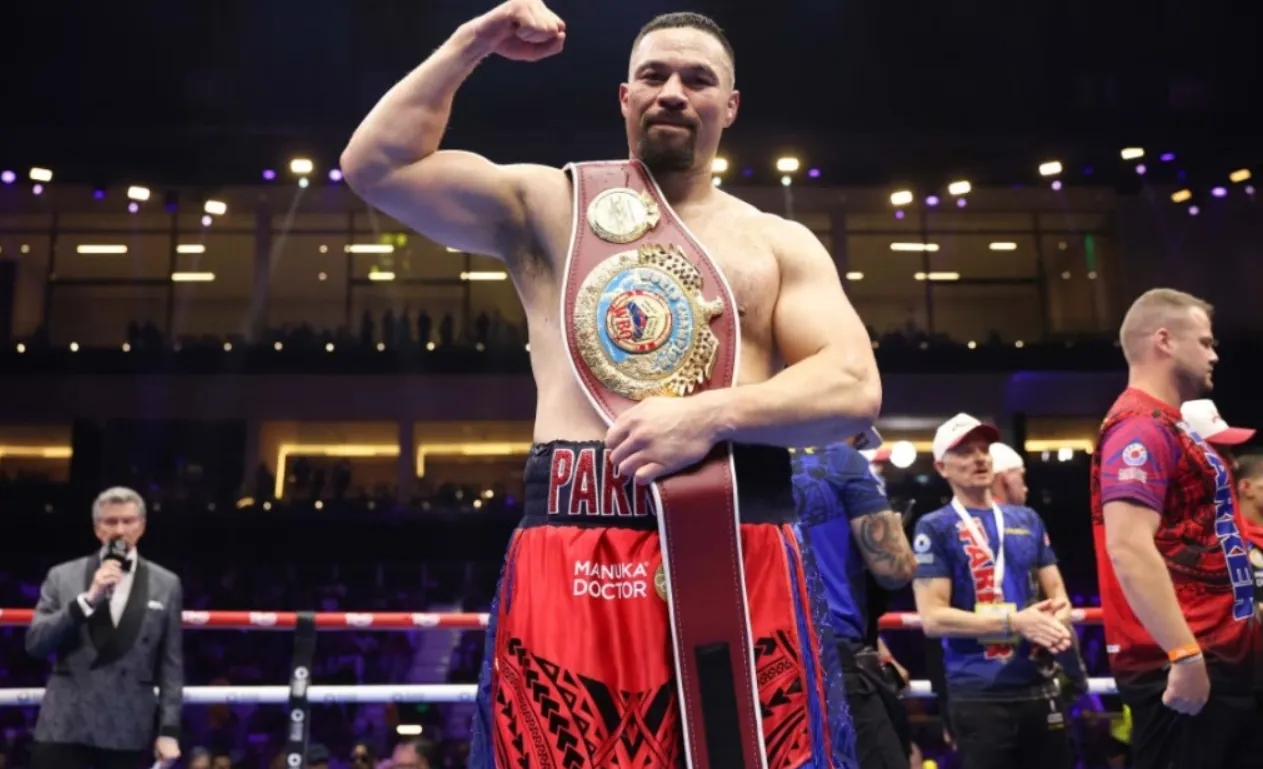
The debate isn’t about whether Parker deserves the Order of Merit — he unquestionably does. It’s about whether the honor became a trap of expectations. For Parker, the challenge has shifted from winning belts to redefining his career on his own terms. If he can stage a late-career resurgence or mentor the next generation of Samoan fighters, he could turn the narrative from “burdened too soon” into “trailblazer who redefined greatness.”
And perhaps that is the ultimate lesson: honors like the Order of Merit don’t freeze a person in time. They evolve with the person’s journey. Parker’s story isn’t finished — and maybe the best way to honor Samoa’s faith in him is not through perfect victories, but through resilience, humility, and leadership beyond the ring.
Final Thought
The youngest recipient of Samoa’s Order of Merit remains a living question mark in sports history. Was it a historic recognition of unmatched achievement? Yes. But was it also a trap that set Parker up for a lifetime of comparisons with an impossible standard? That depends on how the next chapter of his career unfolds. For now, Joseph Parker stands as a reminder of both the glory and the danger of being honored too soon.