





“He’s Here to Film YouTube Videos, Not Race…” — Kyle Petty Mocks Cleetus McFarland
The world of professional motorsports has always been a landscape defined by tradition, high-stakes competition, and the evolving nature of celebrity. When the 2026 NASCAR Cup Series invited unconventional participants to join the grid, it created a collision course between the established elite and the digital-native creators who have redefined automotive entertainment. At the center of this controversy was a pointed remark made by legendary driver Kyle Petty, who questioned the sincerity of Cleetus McFarland during the high-speed intensity of the event.
The comment, “I think he’s here to shoot YouTube videos, not to race,” was intended as a critique of priorities in a sport that demands total focus. However, the ensuing reaction from fans and the racing community at large revealed a deeper fracture in how we define a “real” racing driver in the modern era.
The Rise of the Content Creator in Motorsport
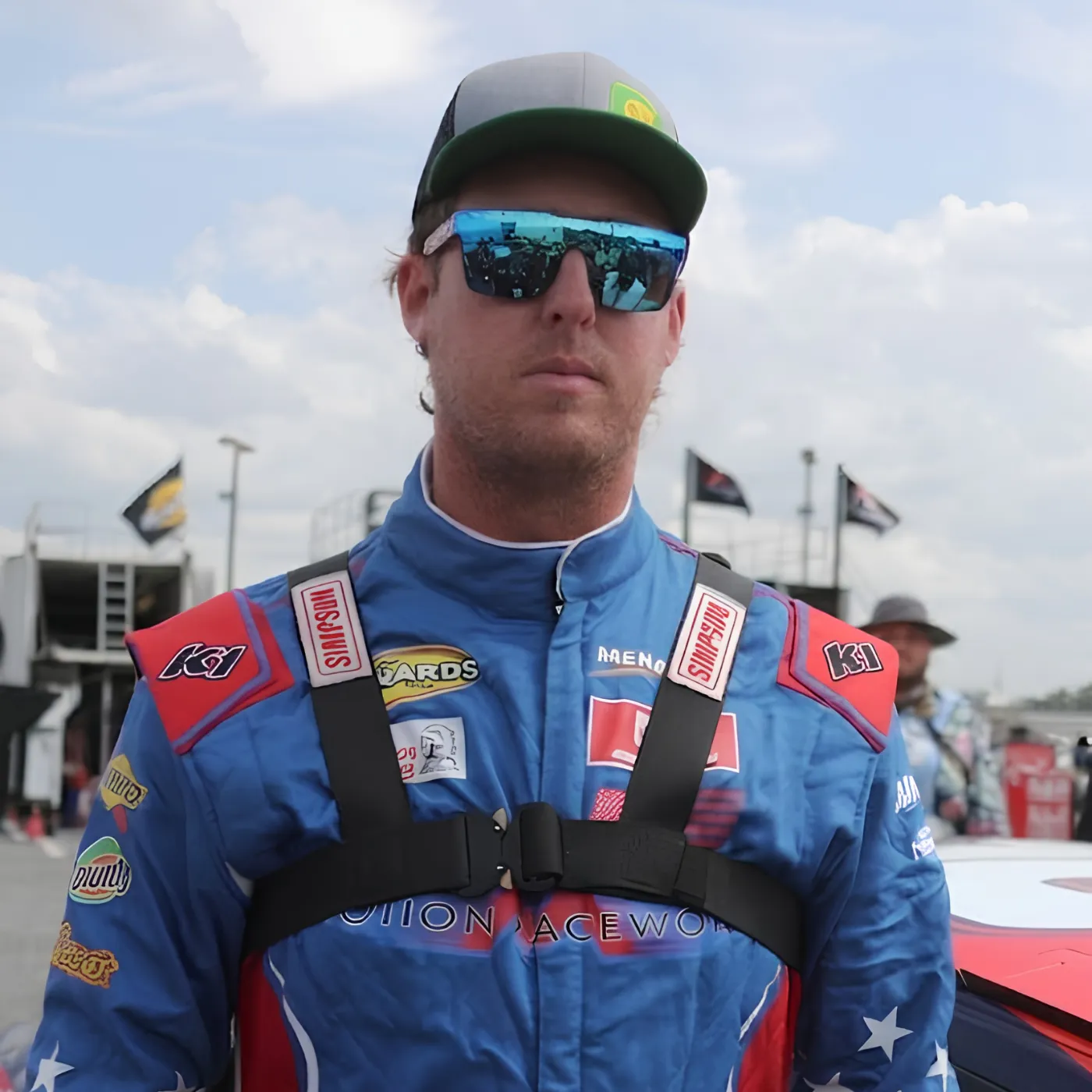
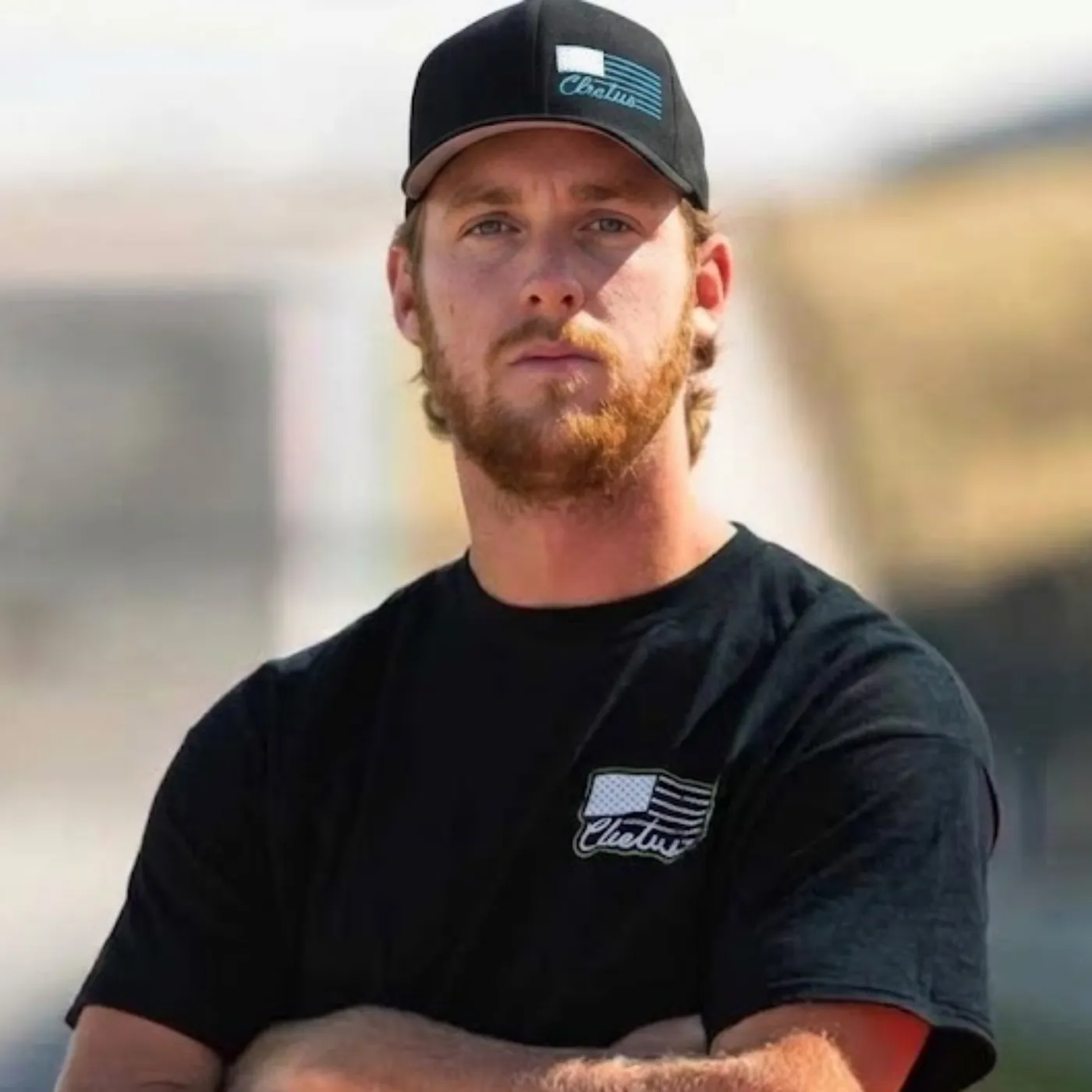
To understand the tension, one must first look at the meteoric rise of figures like Cleetus McFarland. Starting as a niche channel focusing on high-horsepower builds and track experiments, McFarland—real name Garrett Mitchell—built a massive, loyal following that rivals the television viewership of some mainstream sports. By the time he arrived at the 2026 NASCAR Cup Series, he was not just an entrant; he was a cultural force.
For traditionalists, the sport is a sacred ground where heritage and institutional training reign supreme. NASCAR has historically been a proving ground for those who climbed the ranks through go-karts, late models, and the feeder series. When a digital creator enters that space, it is often viewed as an encroachment by those who have spent decades perfecting their craft in relative obscurity. The arrival of influencers at professional racing events highlights a growing trend: the democratization of speed through the lens of social media.
Kyle Petty and the Voice of Tradition
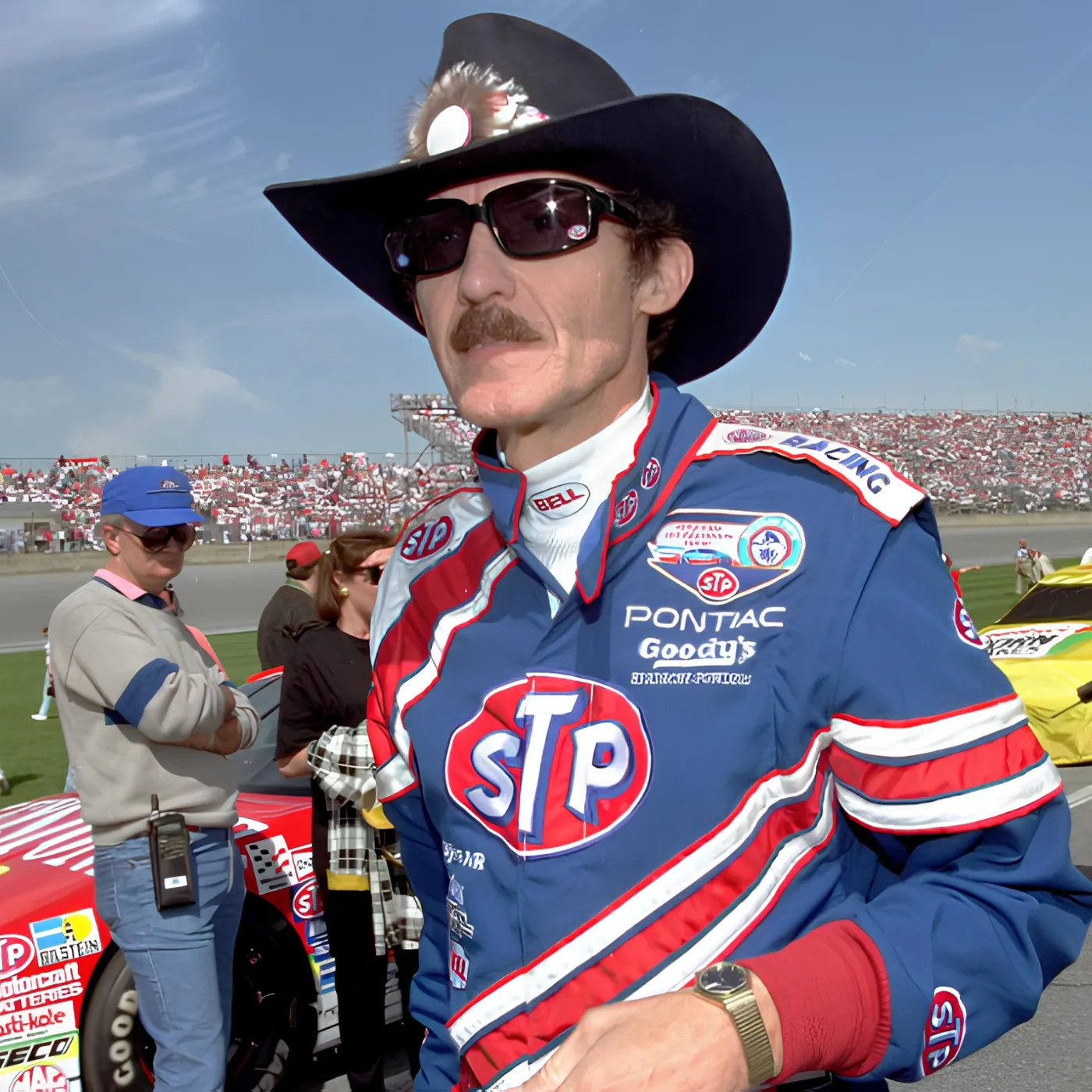
Kyle Petty carries the weight of a racing dynasty. As a member of one of the most famous families in the sport, his perspective is rooted in the “old school” mentality. For Petty, racing is a discipline that requires singular devotion. His frustration during the 2026 NASCAR Cup Series was not necessarily directed at McFarland’s lack of skill, but rather at the perceived distraction of cameras, production teams, and the “content-first” lifestyle that modern influencers bring to the garage.
When Petty made his now-infamous remark, he was speaking for a segment of the audience that feels the purity of the sport is being diluted. To the traditional fan, the presence of a YouTube camera crew in the pit stall feels like a commercial exercise rather than a competitive endeavor. The criticism was meant to emphasize that the NASCAR Cup Series is not a stage for a show but a battleground for survival.
The 12 Words That Changed Everything
The response from Cleetus McFarland was swift, calculated, and brief. In a world where long-form explanations are the norm, his 12-word response was a tactical masterclass in social media engagement. He stated: “My cameras capture the passion that your legacy failed to keep alive.”
This single sentence sent shockwaves through the racing community. It was not just a defense of his own participation; it was an indictment of the current state of professional racing’s reach. McFarland struck a nerve because he tapped into a growing frustration among younger fans: the feeling that professional racing had become stagnant, exclusionary, and disconnected from the very audience it needed to survive. By implying that his content was keeping the “passion” of the sport alive, he positioned himself not as a tourist but as a savior of sorts for the next generation of gearheads.
Analyzing the Outrage and Support
The aftermath of this exchange was characterized by intense polarization. On one side, industry veterans and purists rallied around Kyle Petty, citing the need for respect and decorum in the garage. They argued that the 2026 NASCAR Cup Series is a platform for the elite and that inviting influencers risks turning a grueling test of athleticism into a gimmick. These critics often highlight that the physical toll and technical demands of the Cup Series cannot be replicated by a viral video, regardless of how many subscribers an individual might have.
On the other side, the internet erupted in a wave of support for McFarland. His fanbase, which thrives on the transparency and raw energy of his videos, viewed Petty’s comments as gatekeeping. For them, the racing community has long suffered from an “ivory tower” complex. They argue that McFarland’s success, his high-horsepower builds, and his genuine enthusiasm for cars represent the future of the automotive hobby. To them, the “content creator” label is not a badge of shame but a reflection of how the modern world consumes information.
The Changing Landscape of Automotive Entertainment
This conflict serves as a microcosm of a broader shift in sports and entertainment. Traditional gatekeepers are finding that they no longer control the narrative. When a creator like McFarland can pull millions of viewers, they wield a level of influence that forces even the most stubborn institutions to take notice.
The 2026 NASCAR Cup Series organizers found themselves in an uncomfortable position. They want the reach that influencers bring to their broadcasts, but they also want to maintain the professional prestige of their racing. This is the paradox of modern sports marketing. The sport needs the numbers that come with digital fame, yet it wants to remain a bastion of high-level competition that is above the “trashiness” of social media. The incident between Petty and McFarland proved that these two goals are often in direct opposition.
Is Racing Just Content Now?
A central question arising from this debate is whether the act of racing has become secondary to the documentation of the act. In the age of short-form video and high-production social media, everything is content. From the pre-race preparation to the post-race interviews, fans are invited into a world that was once shielded behind team secrecy.
While this transparency has certainly grown the fanbase, it has also changed the psychology of the drivers. Does a driver race differently when they know every mistake will be edited into a highlight reel for millions of viewers? Does the pressure to perform for the camera detract from the focus needed to manage tires, fuel, and the unpredictable nature of an oval track? Petty’s criticism hits on this point—perhaps even inadvertently. If the goal is “content,” then a dramatic wreck or a spectacular failure is just as valuable as a podium finish, which contradicts the fundamental drive of any competitive athlete.
The Human Element: Why We Care
The reason this story resonated so deeply—sparking outrage across social media and throughout the racing community—is that it touches on the identity of the sport. Fans who grew up watching the iconic liveries of the past feel a sense of loss when they see the sport shifting toward a more commercial, influencer-heavy model. Conversely, newer fans who found their love for cars through digital media feel empowered by the presence of creators on the track.
Cleetus McFarland’s response was a masterclass in identity politics within the automotive world. He successfully painted himself as an underdog, the man of the people, fighting against the establishment. By doing so, he leveraged the very platform that Petty mocked to win the battle of public opinion. It was a clear demonstration that in the modern world, the narrative is often more powerful than the race results themselves.
Professionalism vs. Performance
One of the nuances often missed in this debate is the difference between professional training and innate performance. McFarland has proven he can drive, having tackled some of the most challenging drag strips and road courses in the country. However, the NASCAR Cup Series is a different beast entirely. It is a series defined by nuance, teamwork, and years of cumulative experience.
It is possible that Petty was right—that the transition from a YouTube star to a competitive Cup driver requires a level of singular focus that allows for no distractions. It is also possible that Petty was wrong to dismiss the value of the visibility that McFarland brought to the event. The irony is that the 2026 NASCAR Cup Series likely saw a spike in viewership precisely because of the controversy that McFarland brought with him.
The Future of the NASCAR Cup Series
What does this mean for the future of the sport? It is unlikely that we will see a return to an era where the garage is closed to the outside world. The digital age is here to stay. NASCAR and other major racing organizations are learning that they must adapt or fade into obscurity.
However, the lesson from this clash is that the transition must be handled with sensitivity. The bridge between the “old guard” and the “new wave” is narrow. If professional racing continues to lean into the influencer model, it must ensure that the integrity of the competition remains the primary focus. If the racing becomes nothing more than a backdrop for a vlog, then the sport will indeed lose the “passion” that McFarland claims to be defending.
A Lesson in Communication
Perhaps the most significant aspect of this entire ordeal is how quickly communication escalated into a cultural war. In the heat of the 2026 NASCAR Cup Series, tempers flared. Kyle Petty’s frustration is understandable for someone who has dedicated their life to a sport that he believes is being trivialized. Cleetus McFarland’s defensive posture is equally understandable for an individual who is being dismissed for his nontraditional path.
The outrage felt by the racing community reflects a desperate desire for things to remain simple. Yet, simplicity is rarely the hallmark of progress. The sport is evolving, and with that evolution comes the friction of conflicting values. Whether or not McFarland should be on the track is a question of logistics, but whether he belongs on the track is a question of evolution.
Closing the Gap
To move forward, both sides of the aisle need to find a common language. The traditionalists must acknowledge that the sport’s future depends on reaching the younger demographic that these influencers command. The influencers, in turn, must demonstrate a profound respect for the history and the difficulty of the NASCAR Cup Series.
The 12-word response from McFarland will likely be remembered as one of the most defining moments of the 2026 season. It perfectly encapsulates the tension of our times. It was bold, it was polarizing, and it was undeniably effective. Whether one stands with Petty’s traditionalist view or McFarland’s disruptor mindset, the debate has undeniably put the sport in the spotlight.
Ultimately, the goal of the racing community should be to foster a culture where excellence is respected, regardless of how a person built their career. If a creator can bring more eyes to the sport, that is a victory for everyone involved—provided that the racing itself remains the ultimate prize.
Reflecting on the 2026 Season
As the dust settles on the 2026 NASCAR Cup Series, the legacy of this specific moment remains. It serves as a reminder that icons are not just built on the track; they are built in the minds of the audience. Petty and McFarland represent two ends of a spectrum that is currently converging.
The NASCAR brand, by its very nature, is a mix of showmanship and high-stakes performance. It has always been a spectacle. The question is simply how much “spectacle” the audience is willing to accept before the “sport” part of the equation feels diminished. The answer to that question will continue to shape the industry for years to come.
The Verdict on Influencer Participation
Looking back, was the criticism directed at McFarland fair? In a vacuum, perhaps. The environment of a professional garage is not an office, and it is certainly not a studio. It is a dangerous, high-pressure zone. If someone is truly there to create content, they may not be fully attuned to the nuances of the environment.
However, we must also ask if the sport can afford to be so exclusive. When legends like Petty make these comments, they hold the power to shape the perception of their peers. This can sometimes feel like an attempt to shut the door on those who have worked hard to earn a seat at the table through modern means.
The racing community remains at a crossroads. As we look toward future seasons, the balance between heritage and progress will remain a central theme. The incident between Petty and McFarland was not just a spat; it was a realization that the sport is changing, and like all change, it brings both opportunity and discomfort.
Moving Beyond the Drama
The outrage that followed the 12-word response was, in many ways, an expression of passion from a fanbase that cares deeply about the integrity of their sport. This is a good thing. A sport without passionate, heated debates is a sport that is already dying. The fact that thousands of people took to social media to weigh in on this interaction shows that the NASCAR Cup Series still holds a significant place in the cultural conversation.
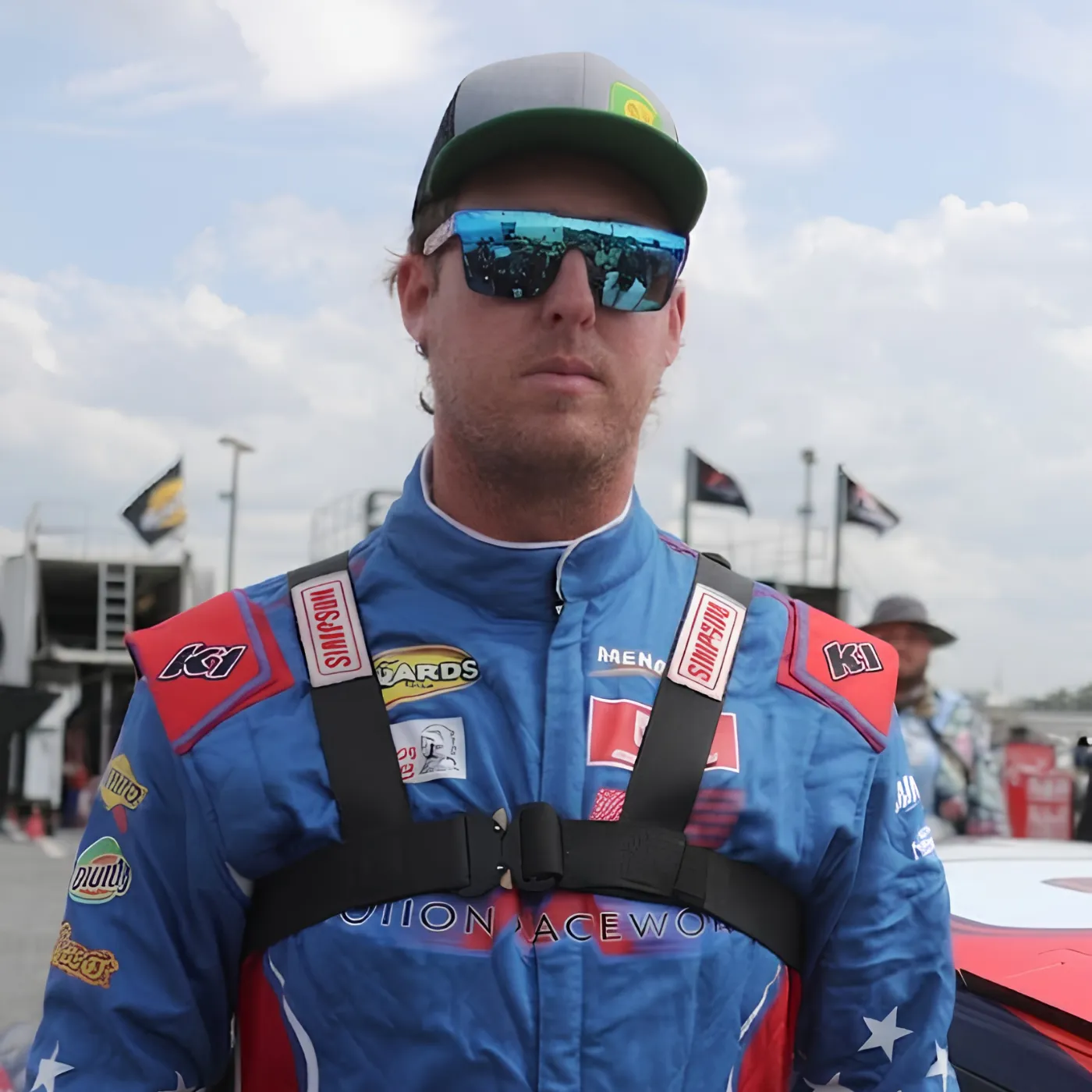
While the words were harsh and the emotions were high, the long-term impact may be positive. It forced the sport to reflect on its identity in a digital-first world. As long as the cars are fast, the racing is close, and the fans remain engaged, the sport will continue to evolve—with or without the traditionalists’ blessing.
A New Era of Motorsport
We are witnessing the end of an era and the beginning of a new one. The 2026 NASCAR Cup Series will be remembered not just for its winners or its championship battle but for this collision of values. It highlights that the definition of a “racer” is expanding. It now includes those who can turn a wrench, those who can drive at the limit, and those who can tell a story that connects millions of people to the thrill of the track.
Kyle Petty and Cleetus McFarland may never see eye-to-eye on the nature of the sport, and that is perfectly fine. The beauty of racing has always been found in the friction between competitors. Whether that friction happens on the track or in a war of words on social media, it is the energy that keeps the sport alive.
As we look toward the future, one thing is certain: the racing community will continue to argue, to debate, and to push the boundaries of what is acceptable. The digital age has brought challenges, but it has also brought a level of accessibility that was once unimaginable. The challenge for NASCAR will be to embrace this new reality without sacrificing the soul that has kept it at the pinnacle of American motorsport for so many years.
In the end, the 2026 NASCAR Cup Series was more than just a series of races; it was a test of the sport’s resilience and its ability to adapt to a world that moves just as fast as the cars on the grid. The clash between Petty and McFarland was the perfect symbol for this transition—a struggle between the legacy of the past and the uncertainty of the future. The conversation will undoubtedly continue, and that, in itself, is a testament to the enduring power of the sport.