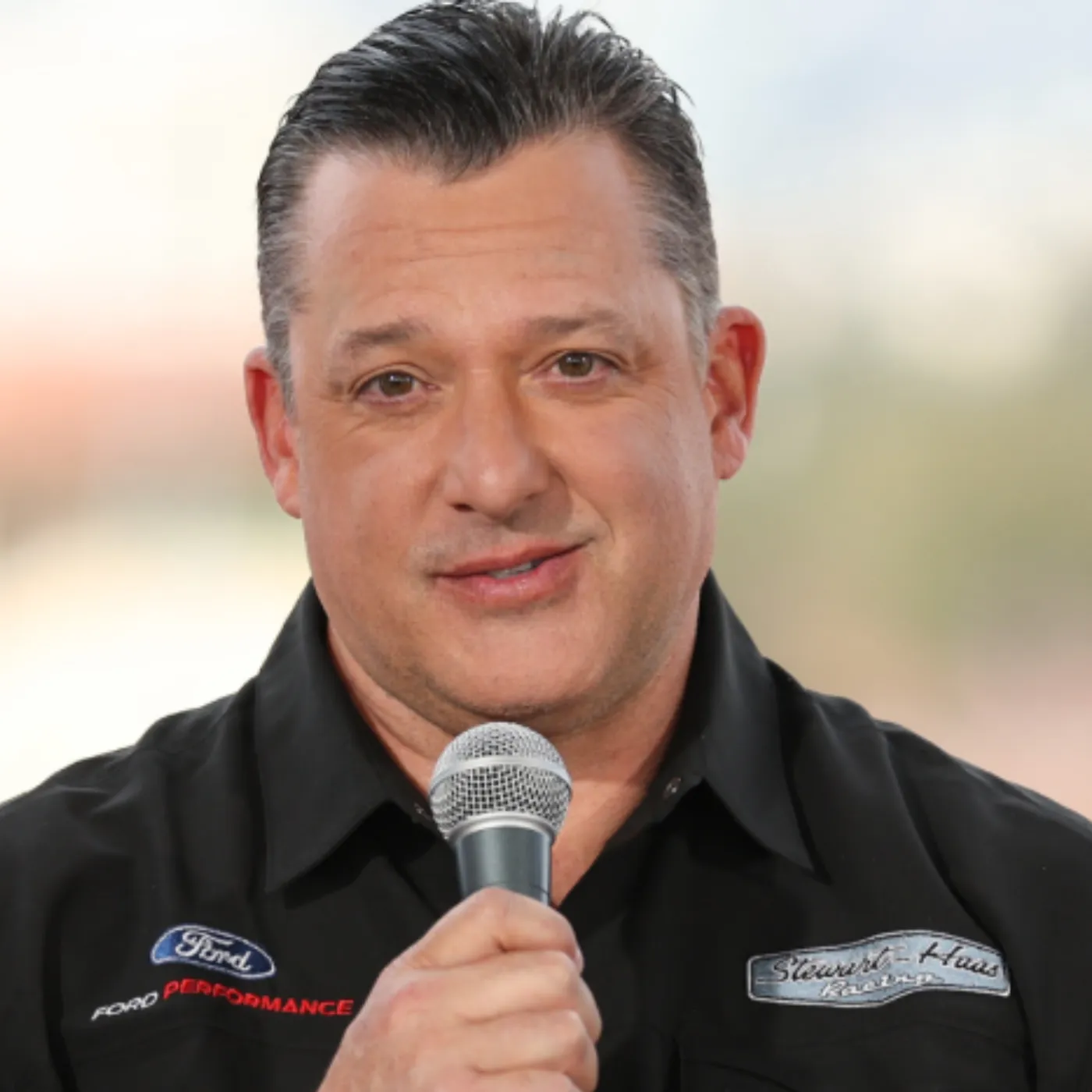
Tony Stewart’s Resilient Comeback: Defying Skeptics at 54
In the high-octane world of professional motorsports, few names command as much respect and spark as much debate as Tony “Smoke” Stewart. A three-time NASCAR Cup Series champion and a titan of American racing, Stewart has spent decades defining what it means to be a versatile driver. However, when news broke that the 54 year-old icon would step back into a NASCAR cockpit for the 2026 Fresh From Florida 250 at Daytona, the racing community was polarized. The atmosphere was thick with anticipation, marking a rare moment where a retired hall-of-famer dared to challenge the status quo once again.
Faced with whispers of “he’s lost his touch” and skeptics questioning his motivation, Stewart’s response was characteristically blunt: “They say I’m out of time, I will show them what a legend is like.” This article dives into the heart of his resilient comeback, the reality behind the rumors of a “fixed” contract, and the burning desire that keeps one of racing’s greatest figures pushing the envelope at age 54.
The Anatomy of a Legend: Stewart’s Motivation to Return
For many, the question wasn’t how Stewart would perform, but why he would choose to return to the grueling environment of a NASCAR speedway after a decade of retirement from the series. Since leaving NASCAR full-time in 2016, Stewart has successfully transitioned to the NHRA drag racing circuit, where he has continued to compete at an elite level alongside his wife, Leah Pruett.
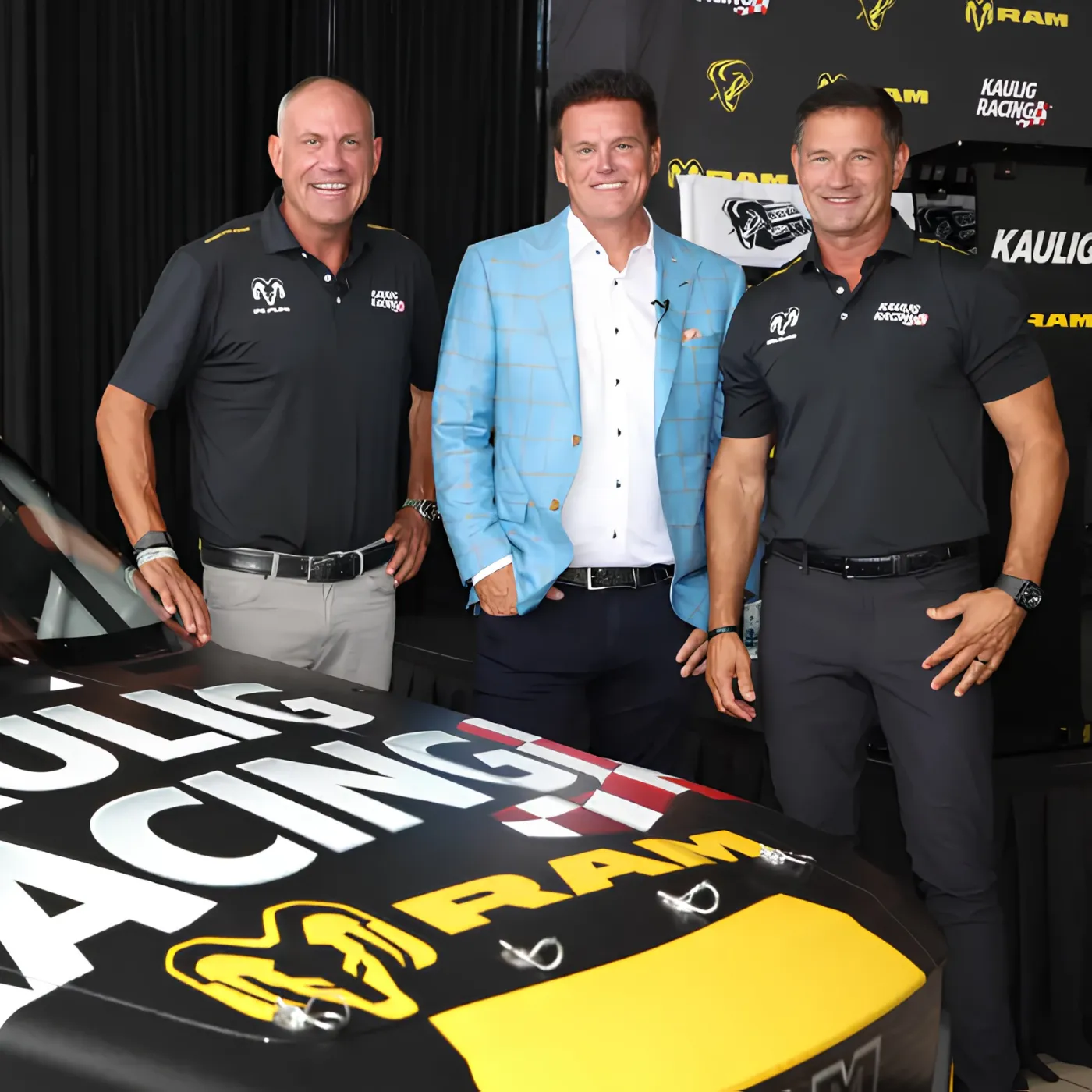
The return to the NASCAR Craftsman Truck Series was not, as some critics claimed, a desperate attempt to recapture lost glory. Instead, it was a strategic alignment with the Ram brand’s return to NASCAR. As part of Stellantis’ broader performance initiatives, Stewart was invited to be the inaugural driver in their Free Agent program. For Stewart, it was an opportunity to support the brands he represents in the NHRA while testing his mettle in a completely different discipline.
“I’ve raced just about everything with four wheels at Daytona, but never a truck,” Stewart explained during the pre-race festivities. For a driver who prides himself on his ability to adapt to any car, the challenge of a high-speed, door-to-door truck race was simply too tempting to turn down.
Debunking the “Fixed” Contract Rumors
Whenever a high-profile athlete returns to a sport under unique conditions, speculation inevitably follows. Shortly after the announcement that Stewart would join Kaulig Racing for the Daytona opener, rumors began circulating that the arrangement was a “fixed” deal a marketing stunt masquerading as a competitive entry.
Critics pointed to the specific structure of the Free Agent program as evidence that Stewart was given an unfair advantage or a guaranteed spotlight. However, those close to the team at Kaulig Racing have firmly debunked such notions. The reality is that Stewart was chosen for his marketability, experience, and technical feedback, which are invaluable for a team launching a new manufacturer program with Ram.
“This is about honoring a legacy,” said Matt Kaulig, founder of Kaulig Racing. “Tony represents grit, determination, and the spirit of racing.” The arrangement was never about “fixing” an outcome, but rather leveraging a legendary driver to accelerate the development of a new truck platform. Stewart didn’t return for a trophy; he returned to help build a notebook for a team starting from scratch.
The Reality of the Daytona Return
The February 2026 race at Daytona International Speedway was a microcosm of Stewart’s career: full of promise, intense competition, and the occasional unpredictability of the sport. Driving the No. 25 Ram, Stewart found himself in the mix early, learning the nuances of the truck on the fly.
“Early on, it was just like kind of hang on,” Stewart admitted after the race. While his day ultimately ended prematurely due to a collision on lap 39—caused when another driver lost control—his presence on the track was undeniable. He wasn’t just a mascot; he was a focused competitor who held his own in a pack of young, aggressive drivers who grew up idolizing him.
The crash, while disappointing, did nothing to dampen his resolve. In his post-race comments to media, Stewart noted, “I didn’t think I was going to be here 10 years after I retired, so I think we have to learn to never say never.” His ability to brush off the wreck and focus on the data gathered for the team proved that his “racer’s brain” remains as sharp as ever.
Strategic Technical Contributions to Racing Teams
Beyond the headlines and the spectacle, Stewart’s return was fundamentally rooted in technical development. Modern racing teams rely heavily on the driver’s ability to communicate complex vehicle dynamics to engineers. With the introduction of new equipment for the Ram program, having a driver with the decades of experience that Stewart possesses was a calculated move.
He spent hours in the simulator and engaged in lengthy debriefs with the Kaulig engineering staff to provide insights that younger drivers might overlook. His value wasn’t just in the laps completed during the race, but in the comprehensive feedback loop he created during the lead-up to the event. This technical partnership provided the team with an accelerated baseline for chassis setup and aerodynamic evaluation, proving that Stewart’s role was far more than just a promotional appearance.
Challenging the Myth of the “Over-the-Hill” Driver
In modern sports, the narrative of the aging athlete is often weaponized by skeptics. However, Stewart’s performance in the NHRA and his willingness to tackle a truck race at 54 highlights a crucial difference: experience is a currency. While his physical reflexes may be tested against 20-year-olds in a draft, Stewart’s tactical awareness, race craft, and ability to manage equipment are assets that cannot be replicated by younger drivers. He has maintained a rigorous physical and mental schedule, and his transition between the specialized world of Top Fuel drag racing and the chaotic environment of oval track racing proves that he is not “out of time.”
He remains a true motorsport legend because he refuses to stagnate. Whether he is behind the wheel of a high-powered dragster or a truck, Stewart’s philosophy remains: if you aren’t having fun and pushing the limits, you’re just wasting your time. His return served as a reminder that the competitive fire still burns, and for a driver of his caliber, the hunger to compete is a lifelong condition.
The Unmatched Legacy of “Smoke”
What makes Tony Stewart’s comeback resonate so deeply with fans? It is his unmatched authenticity. He has never been one to sugarcoat his performance or his feelings toward the sport. In an era where drivers are often managed by PR departments, Stewart speaks his mind, admits when he’s uncomfortable, and owns his mistakes.
His return to Daytona allowed fans who missed the “Smoke” era to see him in action one more time. It allowed the younger generation to witness the intensity that earned him his three championships. By stepping back into a machine that was unfamiliar to him, he showed that a racing legend isn’t someone who wins every single time they start an engine; a legend is someone who isn’t afraid to fail in front of the world to satisfy their own curiosity.
Future Perspectives on Stewart’s Racing Career
Since the Daytona race, speculation has continued about whether Stewart will make another NASCAR appearance. While his full-time commitments to the NHRA drag racing season and his support for his wife’s racing career take precedence, Stewart has left the door slightly ajar.
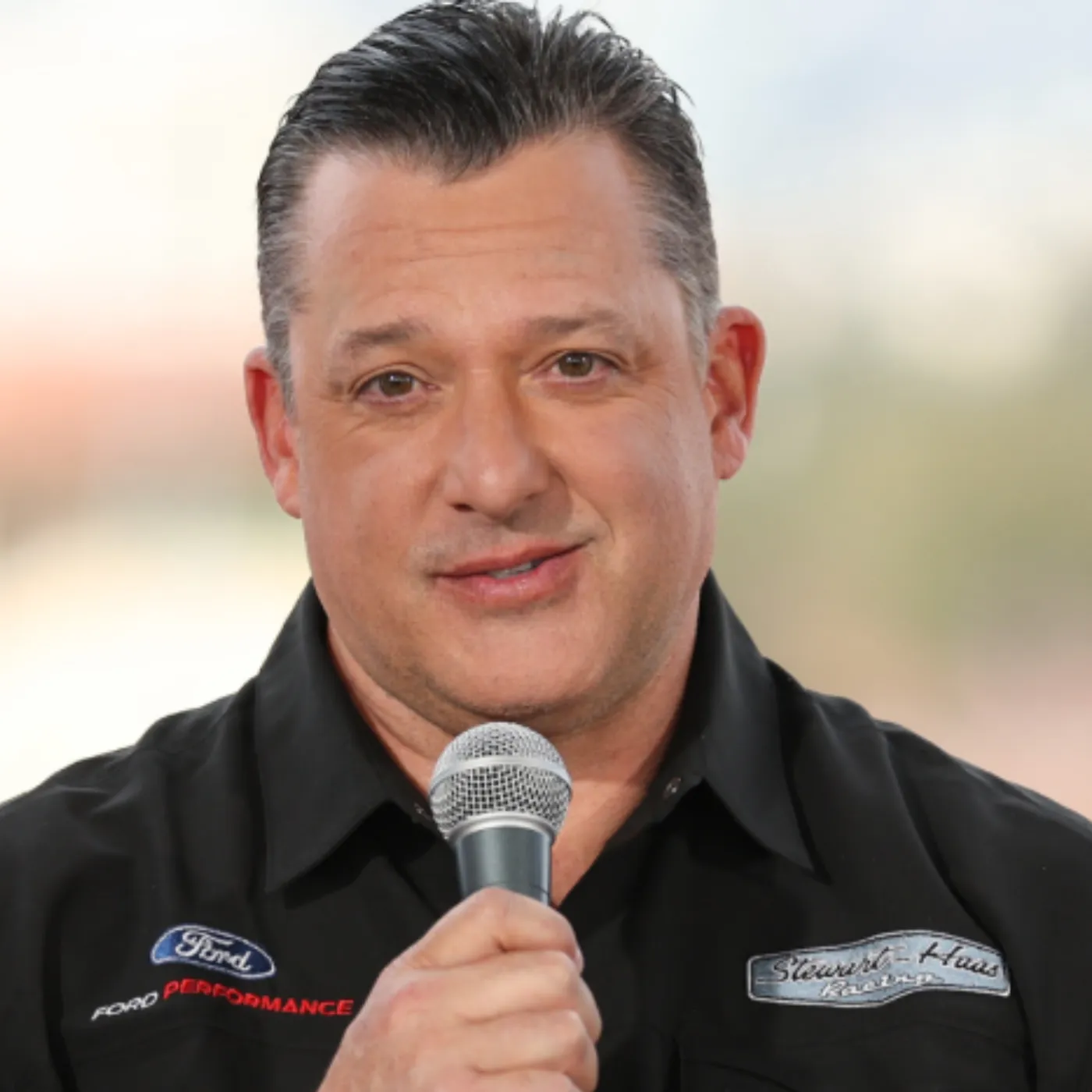
He acknowledges that any future races would require careful planning and, perhaps, some convincing at home. However, the experience reignited his passion for the unique challenges of oval track racing. For now, he remains focused on the NHRA circuit, where he continues to influence the sport as both a driver and an owner. His impact on the automotive landscape, through his teams and his brand partnerships, ensures that he will remain a central figure in American motorsports for years to come.
Defining the True Essence of a Racing Legend
Tony Stewart’s return to the track at 54 was not about proving he could beat the clock. It was about proving that the drive to compete is timeless. By ignoring the skeptics and embracing the “Free Agent” opportunity, he reminded us why he became a motorsport legend in the first place: he loves to drive.
His journey from a retired champion to a versatile veteran tackling new challenges proves that the only person who can dictate your “time” is yourself. Whether or not he steps back into a NASCAR truck again, Stewart has already succeeded in his goal: he showed the doubters that being a legend is less about the numbers on the scoreboard and more about the courage to show up and give it everything you’ve got.
As the racing season progresses and new stars rise, the shadow of Tony Stewart will continue to loom large. He has shown the world that even after the accolades are collected and the championships are in the cabinet, the soul of a racer never truly retires—it just finds a new machine to master.