







From “Baby” to Swag Icon: Has Justin Bieber Taken It Too Far?
When the world first met Justin Bieber, he was a fresh-faced teenager from Stratford, Ontario, singing “Baby” with a charm that won over millions of fans overnight. Fast forward more than a decade, and Bieber has transformed from boy-next-door heartthrob into a fully grown man with a bold, edgy, and often controversial sense of style. His journey from innocence to swag icon has been filled with highs, lows, and plenty of viral moments. But with every headline-grabbing outfit, tattoo, and hairstyle, one question lingers: has Justin Bieber taken it too far?
The story of Bieber’s evolution is more than just a fashion tale. It is a reflection of fame, personal struggles, reinvention, and the pressures of living under a global spotlight. His shift from clean-cut teen idol to swag-heavy style icon has captivated the public, sparked debates, and challenged traditional perceptions of celebrity growth.
The Baby Era: Sweet and Innocent Beginnings
Back in 2009, when Bieber burst onto the scene with his debut single “One Time” and later the global smash “Baby,” his image was carefully curated. With his signature swoopy hairstyle, purple hoodies, and sneakers, he embodied the perfect teen idol. His style was accessible, innocent, and crafted to appeal to a global audience of young fans and their parents.
In those early days, Bieber’s look was designed to emphasize relatability. He wasn’t dripping in luxury brands or covered in tattoos. Instead, he projected an approachable charm that made fans feel like he could be the boy next door. This version of Bieber became the blueprint for his initial rise to superstardom.
The Shift Toward Swag
By 2011 and 2012, fans started noticing a dramatic shift. Bieber began adopting the word “swag” as part of his brand, incorporating it into his language, fashion, and lifestyle. The era of baggy pants, flashy sneakers, oversized hats, and chains had arrived. Gone was the shy teen star, replaced by a young man eager to show he was growing up.
The “swaggy” phase was controversial. Some fans embraced the change, thrilled to see Bieber maturing and experimenting with his image. Others, however, criticized the drastic transformation, questioning whether it was authentic or a forced attempt to shed his child star persona.
This was also the period when Bieber began testing boundaries in his music and personal life. His lyrics matured, his public behavior became more rebellious, and his fashion choices leaned heavily toward urban streetwear and hip-hop influences.
Tattoos, Haircuts, and Reinvention
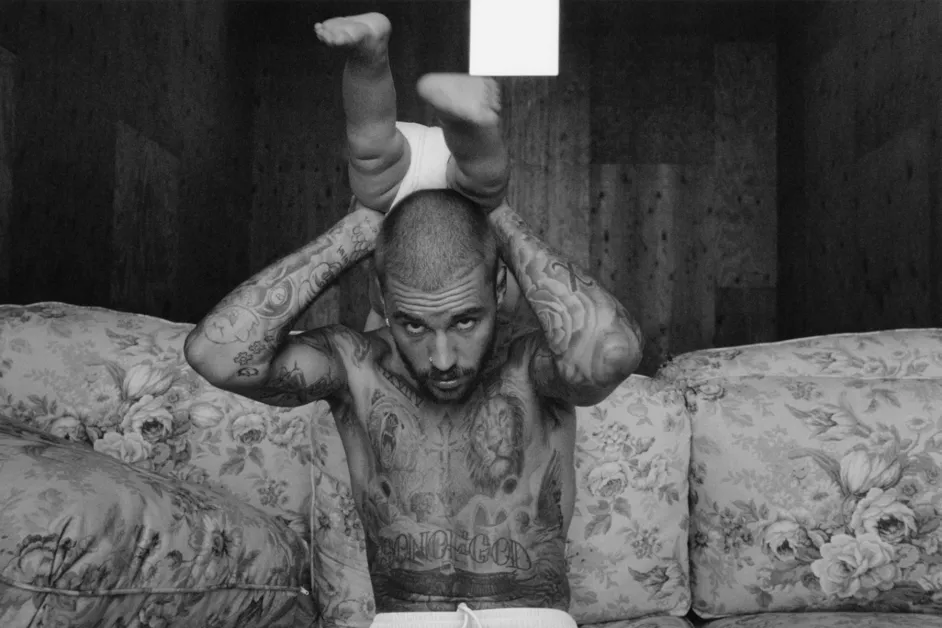
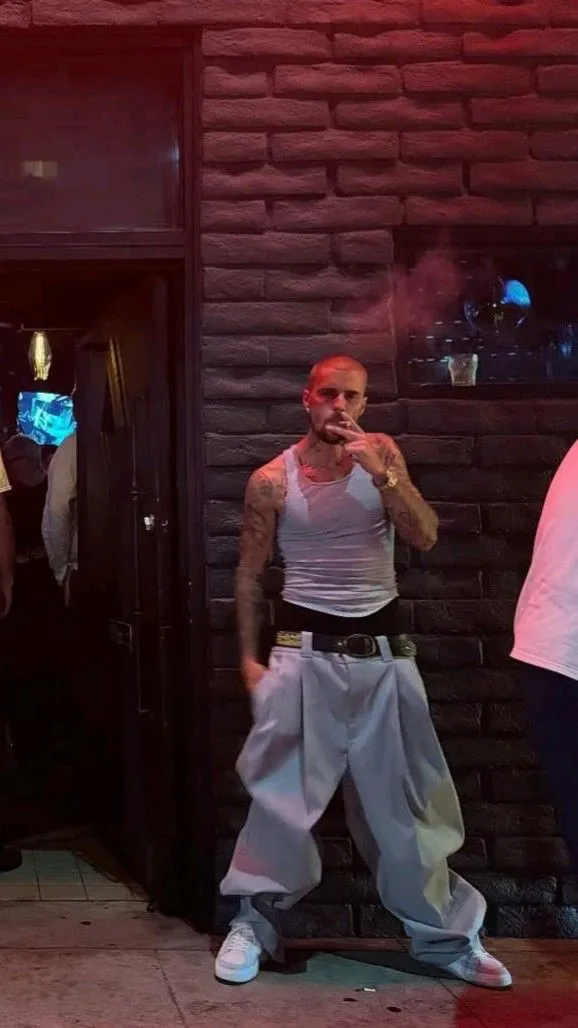
As Bieber’s swag era developed, so too did his commitment to permanent self-expression. Tattoos became a defining part of his image. From small symbols to sprawling chest and sleeve designs, each new tattoo sparked conversation and fueled the idea that Bieber was reinventing himself from the inside out.
Haircuts also played a major role in his evolution. The iconic swoop gave way to buzz cuts, platinum blonde dye jobs, dreads, and even a man bun. Each new hairstyle seemed to coincide with a new chapter in his life and career, signaling both rebellion and experimentation.
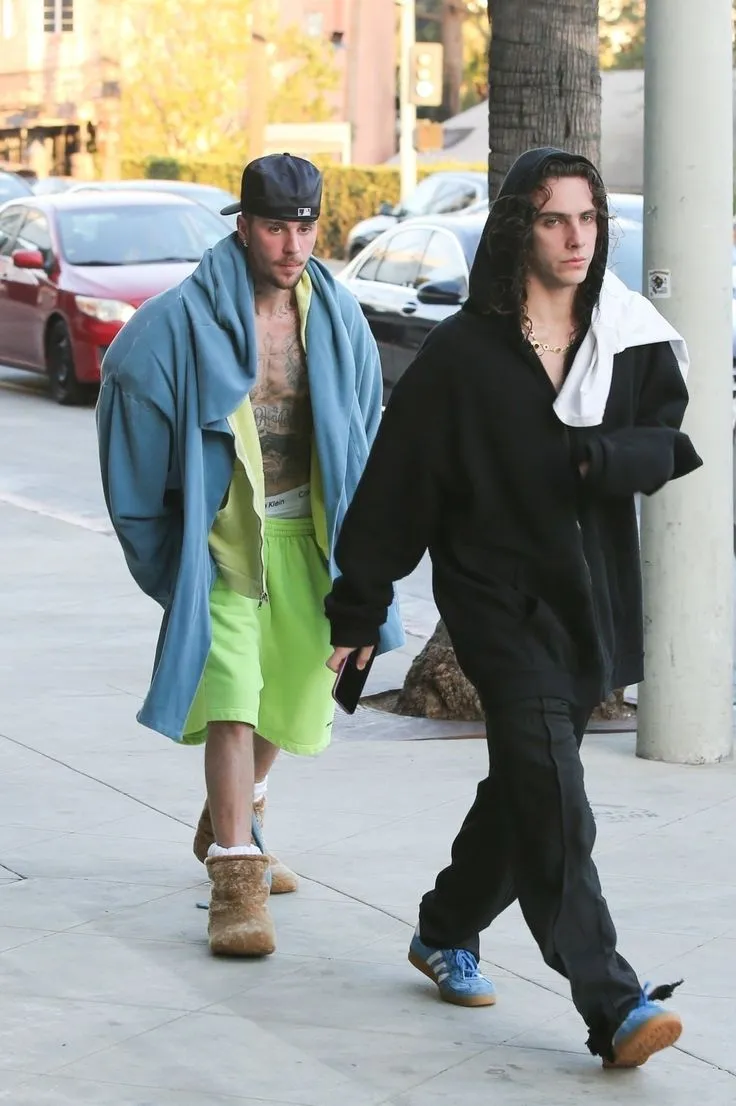
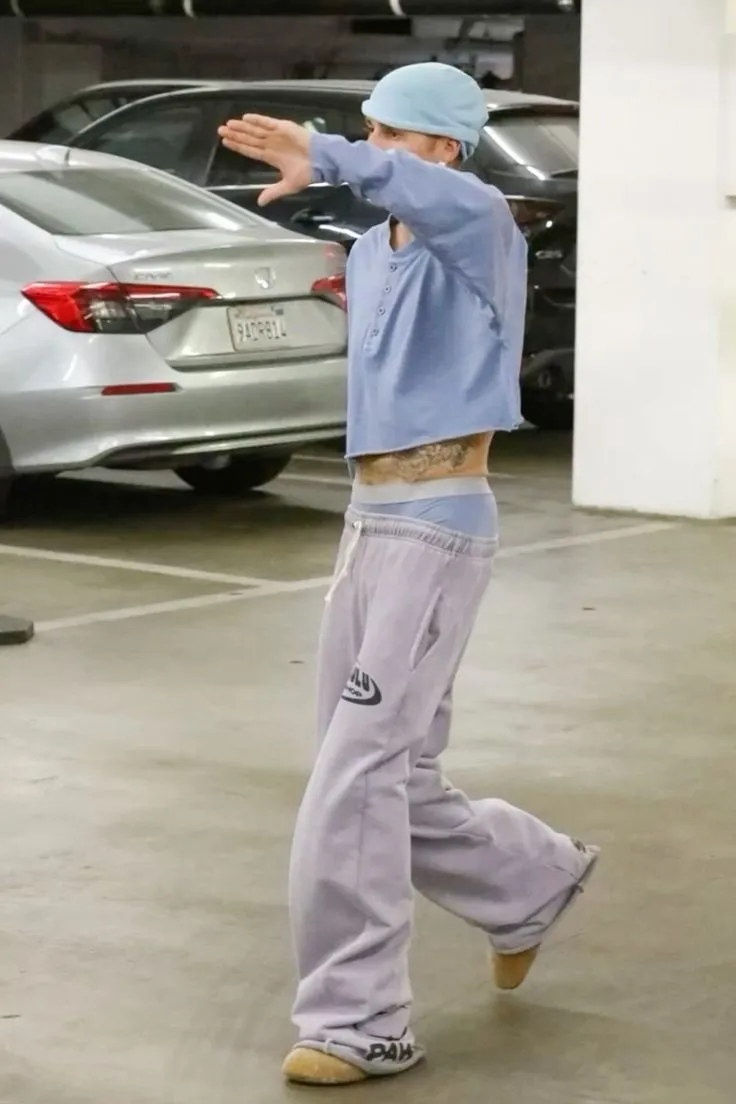
Fashion followed suit, with Bieber shifting from streetwear to luxury collaborations. His partnership with brands like Drew House solidified his role not only as a pop star but also as a fashion entrepreneur. Oversized hoodies, pajama-like streetwear, and Crocs became part of his signature, confusing critics but delighting loyal fans.
The Influence of Fame and Pressure
One cannot discuss Bieber’s transformation without acknowledging the immense pressures of fame. Growing up in the public eye, he faced scrutiny over every decision. The swag era wasn’t just about style — it was also about reclaiming identity in a world that often stripped him of autonomy.
Critics argue that Bieber’s “swag” persona at times veered into excess, becoming more about shock value than authentic expression. His brushes with the law, public controversies, and occasionally erratic behavior during those years fed into the narrative that perhaps he had taken things too far.
However, defenders of Bieber point out that his swag era was a natural response to the pressures of growing up in front of millions. For many, it was less about rebellion and more about survival — a way to carve out space for individuality in an industry that constantly sought to control him.
Swag as Cultural Influence
Beyond personal transformation, Bieber’s swag phase also had significant cultural impact. He helped popularize urban streetwear trends among mainstream audiences, influencing a generation of fans who mirrored his style choices. His unapologetic embrace of tattoos and bold fashion choices paved the way for younger stars to explore similar transformations.
The Drew House brand, in particular, has become a symbol of Bieber’s long-term influence on fashion. What began as a simple clothing label has turned into a lifestyle movement, further solidifying Bieber’s role as more than just a musician — he is a cultural tastemaker.
Has Bieber Taken It Too Far?
The central question remains: has Justin Bieber taken his swag persona too far? For some critics, the answer is yes. They argue that his over-the-top fashion choices, ever-expanding tattoo collection, and occasional forays into eccentric style risk overshadowing his musical talent. The emphasis on image, they say, distracts from his artistry.
On the other hand, fans argue that Bieber’s transformation is a natural progression of self-expression. Far from going “too far,” his willingness to experiment shows bravery and growth. To them, his swag era is not a departure from who he was but an evolution of the same person who once sang “Baby” on YouTube.
Ultimately, whether Bieber has taken it too far is subjective. What’s undeniable is that his journey has sparked conversation, challenged expectations, and kept him at the center of pop culture discourse.
The Return to Vulnerability
In recent years, Bieber has balanced his swag persona with greater vulnerability. Albums like “Justice” reveal a softer side, exploring themes of love, faith, and redemption. While his style remains bold, his openness about mental health, marriage, and spirituality has added layers to his public identity.
This balance suggests that Bieber is no longer defined solely by swag. Instead, he is a multidimensional figure who embraces both bold self-expression and raw vulnerability. Fans now get the best of both worlds: the edgy style icon and the introspective artist.
Conclusion: From Baby to Swag Icon
The journey of Justin Bieber from “Baby” to swag icon is one of the most fascinating celebrity transformations of the past two decades. It is a story of growth, rebellion, artistry, and resilience. While some may argue he has taken it too far, others see his evolution as authentic, bold, and inspiring.
At the heart of the conversation lies a universal truth: growing up is messy, and doing it under the microscope of fame magnifies every choice. Bieber’s swag persona may have shocked, amused, and divided audiences, but it has also ensured his relevance in a constantly shifting cultural landscape.
Whether you love it or question it, one thing is certain: Justin Bieber’s transformation from “Baby” to swag icon has cemented his place not just in music history but in the broader conversation about identity, fame, and self-expression. And if the past is any indication, his journey is far from over.