Bishop Dyer Reveals the Shocking WWE Promo About Roman Reigns’ Leukemia That He Refused to Deliver
The world of professional wrestling is no stranger to controversial storylines, scripted rivalries, and moments designed to shock audiences around the globe. Yet every so often, a revelation emerges that blurs the lines between scripted entertainment and real human emotion, shaking the wrestling community to its core. Recently, Bishop Dyer, a former WWE performer who once stood on the edge of superstardom, disclosed a jaw-dropping secret about a WWE promo involving Roman Reigns and his very real battle with leukemia—a promo so provocative, so emotionally charged, that Dyer refused to deliver it, even under pressure from the company’s creative team.
This revelation has reignited discussions about the lengths to which wrestling promotions, especially WWE, are willing to go to craft compelling television. It also sheds new light on the tension between scripted entertainment and the real-life struggles of the performers who put their bodies and souls on the line each week.
The Context Behind Roman Reigns’ Leukemia Battle
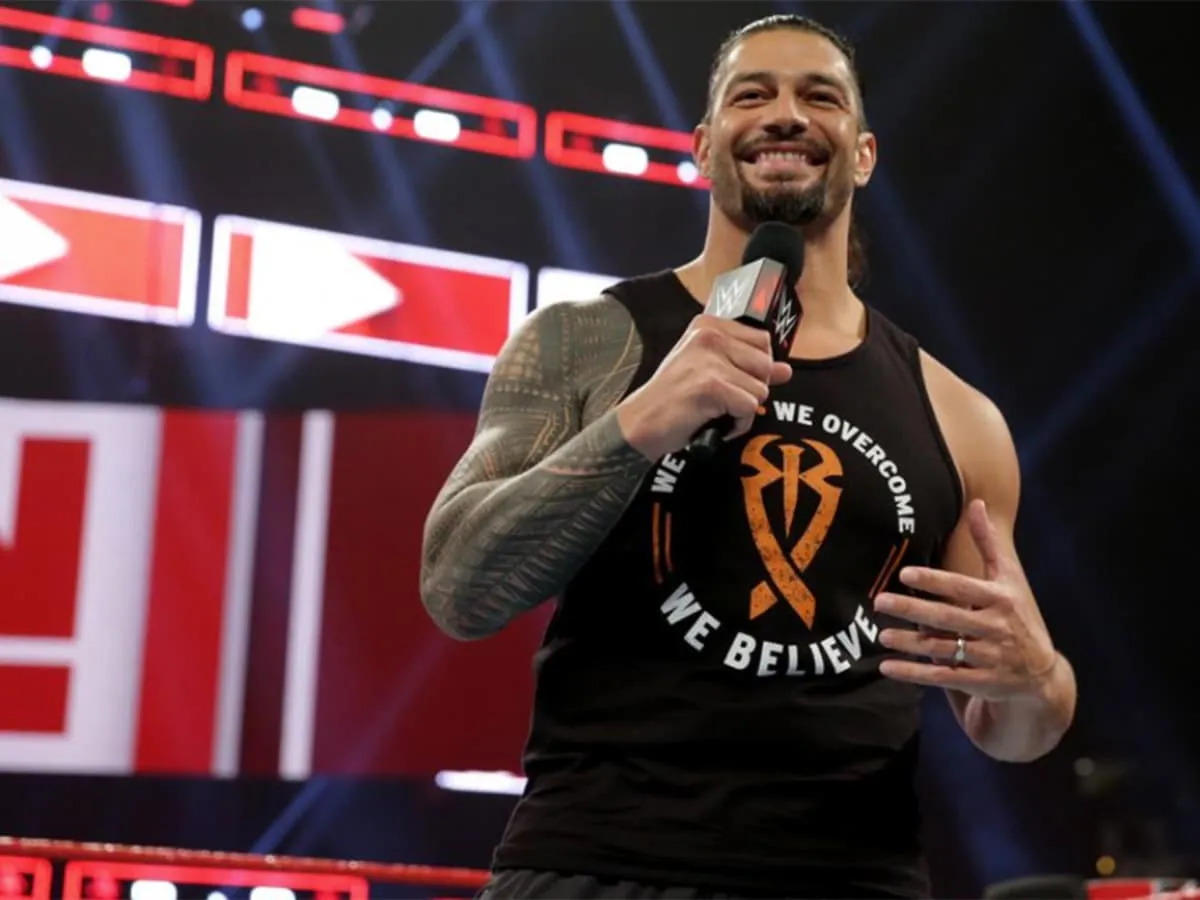
To fully understand the weight of Dyer’s revelation, it’s important to revisit the circumstances surrounding Roman Reigns’ leukemia diagnosis. Reigns, born Leati Joseph Anoa’i, has long been one of WWE’s top stars—a multiple-time world champion and the face of the company for much of the past decade. In October 2018, the wrestling world was stunned when Reigns opened Monday Night Raw with an emotional announcement: he was relinquishing the WWE Universal Championship because his leukemia, which had been in remission for years, had returned.
The speech was raw, heartfelt, and unscripted in a way that wrestling fans rarely see. Reigns broke character, speaking not as the heroic “Big Dog” of WWE storylines but as Joe Anoa’i, a husband and father facing a life-threatening illness. The arena fell silent as fans processed the news, many moved to tears. When Reigns laid down the championship belt and walked backstage to a standing ovation from his fellow wrestlers, it marked one of the most emotional moments in WWE history.
Reigns’ battle with leukemia—and his eventual return months later, healthy and triumphant—was handled with sensitivity on television. WWE appeared to understand the gravity of the situation, keeping the focus on Reigns’ health rather than exploiting the illness for storylines. At least, that was the perception at the time. Bishop Dyer’s recent comments, however, suggest that behind the scenes, not everyone shared that restraint.
Bishop Dyer’s Shocking Revelation
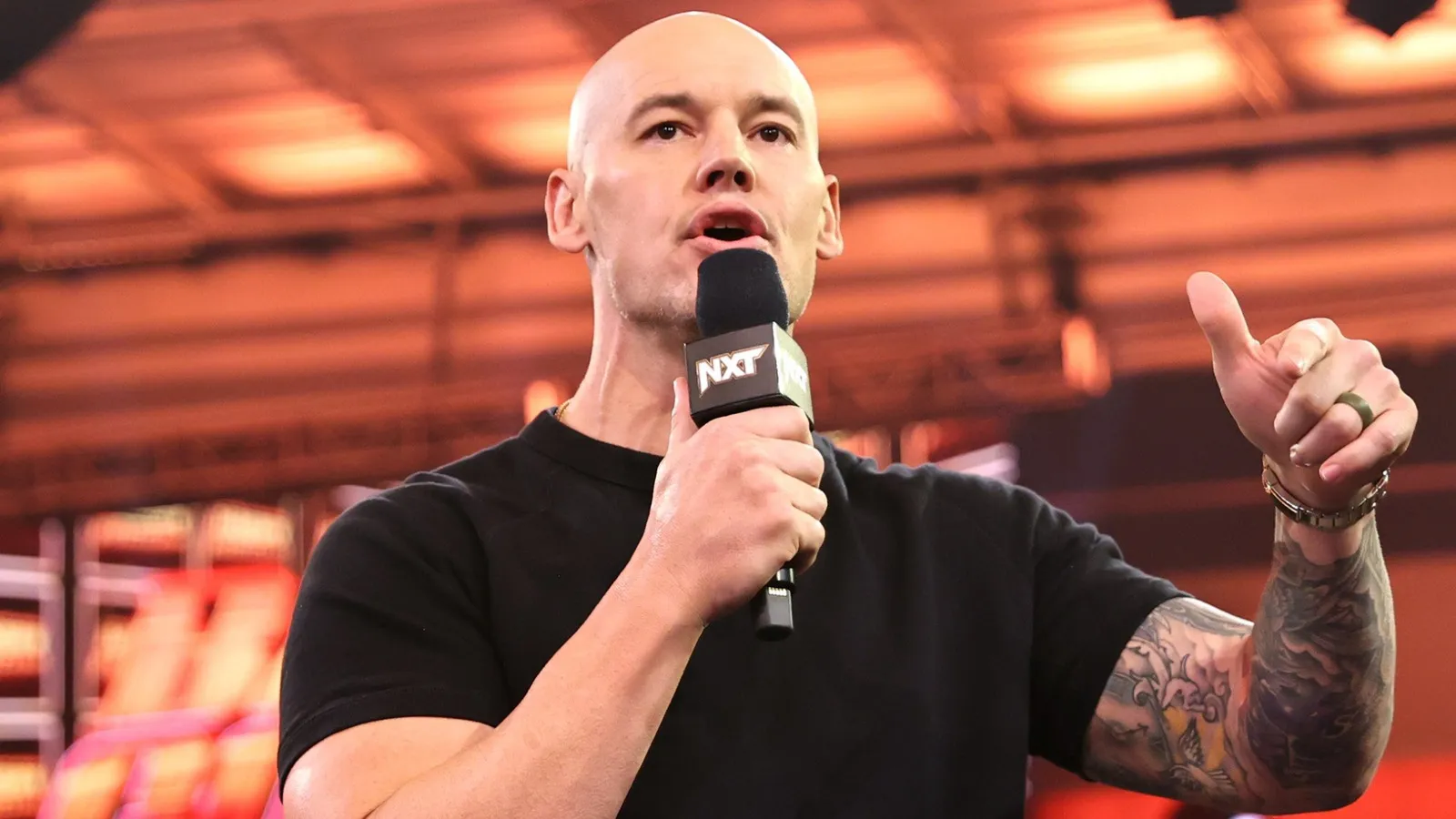
In a recent interview on a popular wrestling podcast, Bishop Dyer—who worked in WWE during the late 2010s and was involved in several high-profile storylines—revealed that he had once been handed a promo script involving Roman Reigns’ leukemia that crossed a line he wasn’t willing to cross.
According to Dyer, the promo was designed to generate heat for his on-screen character by having him deliver scathing remarks about Reigns’ illness, questioning his toughness and even suggesting that his battle with leukemia made him unfit to be the face of WWE. Dyer described reading the script in disbelief, feeling a pit in his stomach as he realized what the creative team was asking him to say.
“I remember looking at the paper and thinking, ‘There’s no way I can say this,’” Dyer recalled. “It wasn’t just pushing the envelope—it was tearing the envelope to pieces. They wanted me to stand in that ring, with fans who loved Roman and were praying for him, and basically mock what he was going through. I told them flat-out, ‘I’m not doing this.’”
Dyer’s refusal reportedly caused tension backstage, with some producers insisting that controversial promos had always been part of wrestling’s history. But for Dyer, there was a clear line between playing a villain on TV and exploiting someone’s real-life battle with cancer for shock value.
The Ethical Dilemma in Wrestling Storylines
Professional wrestling has always occupied a unique space between sports and theater, reality and fiction. Promoters often blur the lines to keep fans guessing, incorporating real-life events into storylines to heighten drama. The industry even has a term for this blending of reality and fiction: “kayfabe.”
But when does kayfabe go too far? That’s the question at the heart of Bishop Dyer’s revelation. Over the years, WWE has faced criticism for storylines that many felt crossed ethical boundaries. From exploiting the death of wrestler Eddie Guerrero in feuds involving his real-life friends and rivals, to tasteless segments referencing 9/11 or other tragedies, WWE has at times seemed willing to court outrage for ratings.
Yet Roman Reigns’ battle with leukemia felt different. This wasn’t a scripted injury or a manufactured scandal—it was a matter of life and death. For Dyer, using it as a prop in a wrestling storyline was something he simply couldn’t justify, no matter how much it might have advanced his career or generated headlines.
“There are certain things you just don’t do,” Dyer explained. “Wrestling is about storytelling, about good guys and bad guys and larger-than-life characters. But when someone is fighting for their life, that’s real. That’s not a storyline. And turning it into one? That didn’t sit right with me.”
Fans React to the Revelation
Since Dyer’s comments went public, wrestling fans have taken to social media to express both shock and support for his decision. Many praised him for standing his ground, arguing that some topics should be off-limits even in a business built on scripted drama.
“Bishop Dyer earned my respect,” one fan tweeted. “There’s no reason to drag Roman’s leukemia into a promo. Some things are bigger than wrestling.”
Others expressed disappointment that WWE’s creative team would even propose such a segment, especially given how beloved Reigns was by fans during his health battle.
“It’s disgusting to think they wanted to use Roman’s cancer for heat,” another fan wrote. “Thank God Dyer said no.”
The controversy has also sparked broader conversations about the role of wrestling promoters and whether there should be clearer ethical guidelines when real-life tragedies intersect with scripted entertainment.
WWE’s History of Pushing Boundaries
To understand why this revelation has hit such a nerve, it helps to look at WWE’s long history of controversial storylines. The company has never shied away from pushing boundaries, often courting backlash in pursuit of ratings. The infamous “Attitude Era” of the late 1990s featured raunchy, violent, and often offensive content that drew huge audiences but also widespread criticism.
However, in the modern era—especially under the PG Era beginning in 2008—WWE has generally avoided the most inflammatory storylines of its past. That’s why the idea of using Roman Reigns’ leukemia in a heel promo feels especially jarring. It seems out of step with the company’s more family-friendly image and its public support of Reigns during his illness.
While WWE has not commented on Dyer’s claims, some insiders have suggested that the promo may have been the idea of a single writer or producer rather than an official directive from top executives. Still, the fact that it was even proposed has left many questioning the company’s judgment.
The Human Side of Wrestling
At its core, Bishop Dyer’s story is a reminder that behind the larger-than-life characters and scripted rivalries, professional wrestling is filled with real people facing real challenges. Wrestlers may play heroes and villains on television, but outside the ring, they deal with injuries, personal struggles, and, in Roman Reigns’ case, life-threatening illnesses.
Dyer’s refusal to deliver the promo reflects a broader truth: sometimes, compassion and humanity have to come before entertainment. Wrestling may be scripted, but the emotions it evokes—from joy to heartbreak to outrage—are very real.
As fans debate Dyer’s revelation, one thing is clear: the incident has sparked important conversations about where the line should be drawn between storytelling and exploitation in professional wrestling.
What This Means for WWE’s Future
In the wake of Bishop Dyer’s comments, some are calling for WWE to establish clearer boundaries when it comes to incorporating real-life events into storylines. While wrestling will always blur the lines between fiction and reality, there is growing recognition that certain topics—serious illnesses, personal tragedies, and other deeply sensitive issues—should be handled with extreme care, if at all.
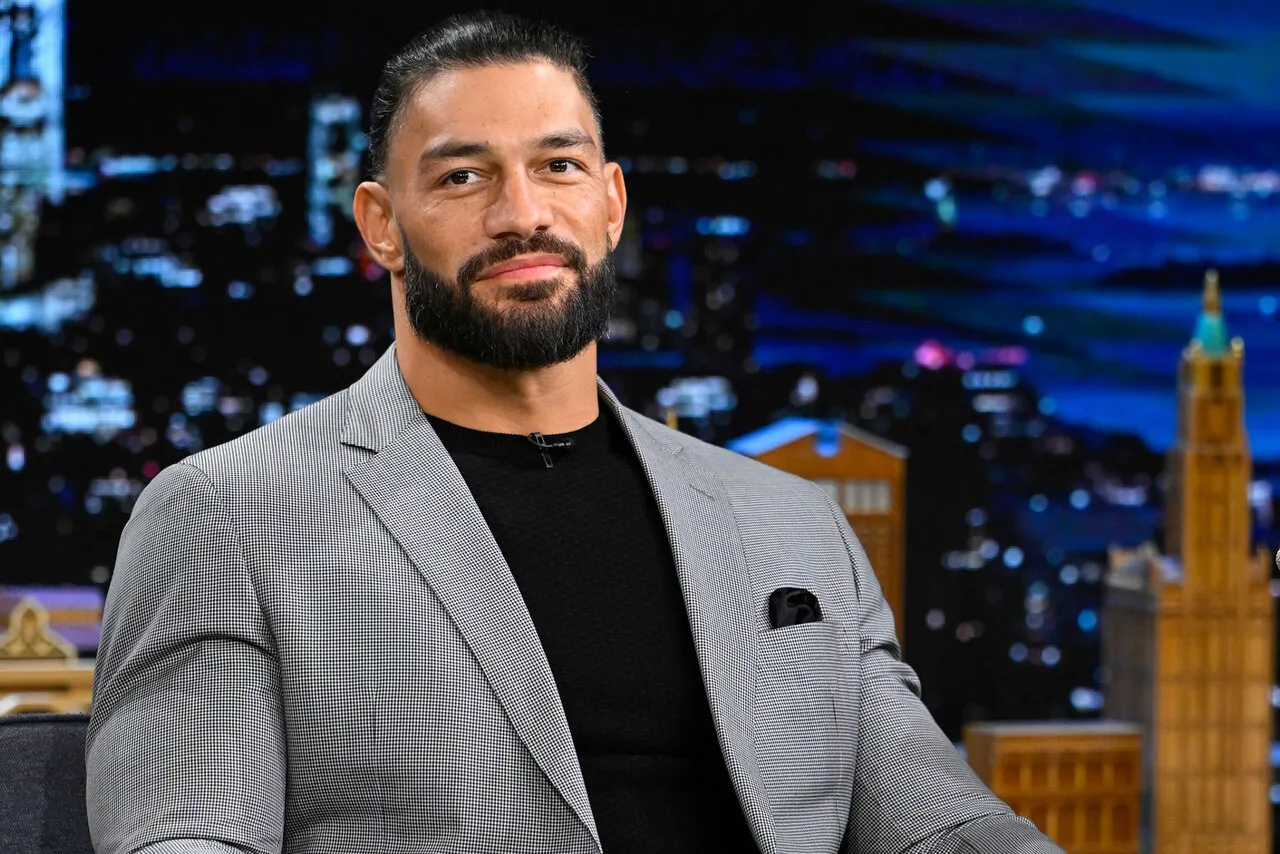
For Roman Reigns, who has since returned to the top of WWE as the dominant “Tribal Chief” character, the revelation is unlikely to affect his current status. But for fans and wrestlers alike, it serves as a reminder that behind the spectacle of professional wrestling are real human beings whose lives deserve respect beyond the storylines.
As for Bishop Dyer, his decision to speak out has earned him admiration from fans who believe that integrity still has a place in professional wrestling. Whether WWE will respond or simply let the controversy fade remains to be seen, but the conversation Dyer has sparked is unlikely to disappear anytime soon.
Related News