






Why Aprilia Must Work Harder to Keep Jorge Martin After 2026
Jorge Martin’s MotoGP future remains one of the most intriguing stories in the paddock as Aprilia push to convince the reigning world champion that Noale is the place to commit beyond 2026. Like most of the grid, Martin’s contract expires at the end of the current regulations cycle, leaving him with an important decision that could shape the next phase of his career. While Aprilia have made significant strides in recent months, particularly at the Hungarian Grand Prix, there are still areas where progress is needed before Martin can be fully confident in their long-term vision.
A breakthrough ride at Balaton Park
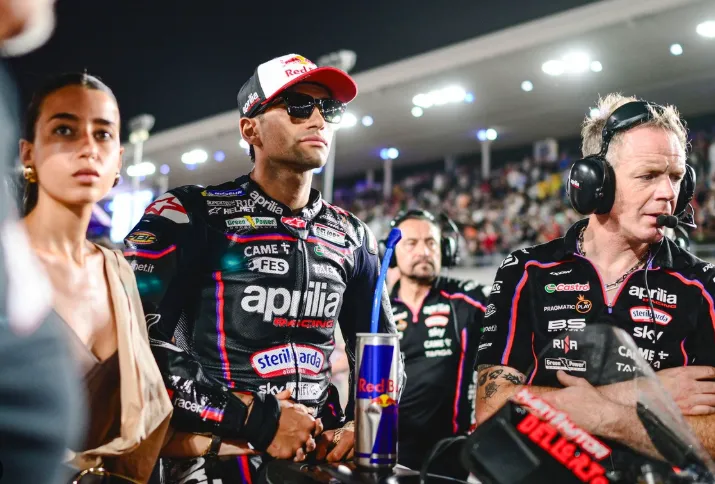
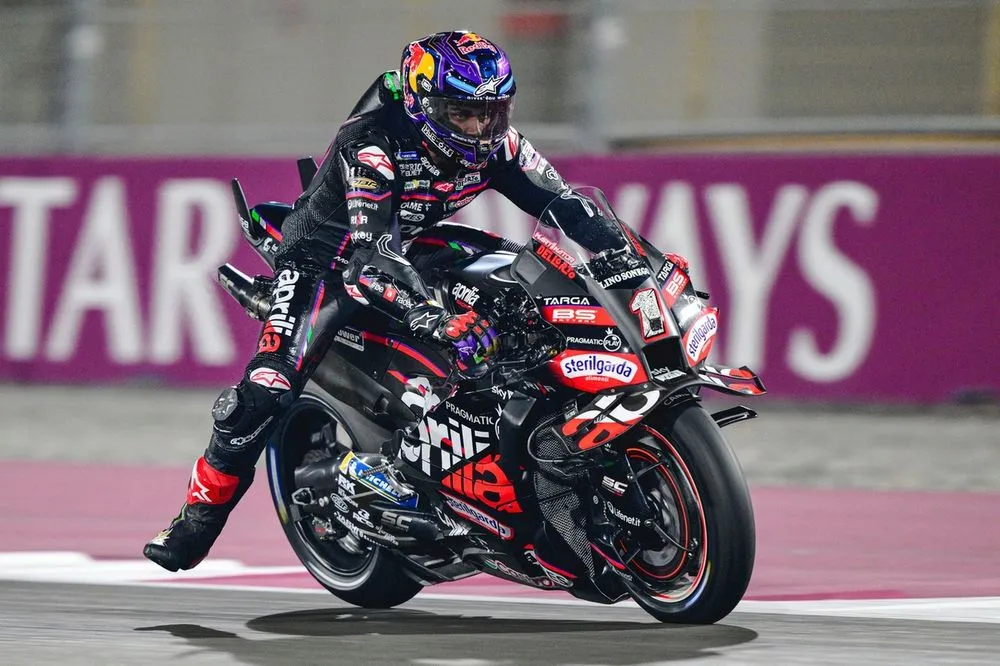
The 2025 Hungarian Grand Prix at Balaton Park was only Jorge Martin’s fourth appearance in Aprilia colors, but it delivered his best result with the team to date. Starting deep in the pack from 16th on the grid, the Spaniard produced an inspired performance to climb through the order and finish fourth, narrowly missing out on a podium.
The ride was more than just a strong finishing position—it represented a turnaround weekend for Aprilia, who had struggled through Friday practice with both Martin and teammate Marco Bezzecchi off the pace. Yet, within 24 hours, the Italian manufacturer managed to find a setup direction that transformed their competitiveness, enabling both riders to fight near the front.
Martin’s feedback played a decisive role in the resurgence. His ability to identify Aprilia’s “big problem” early in the weekend provided engineers with the insight they needed to adapt the RS-GP25. The team’s swift response impressed observers, including MotoGP analyst Peter Bom, who noted that the turnaround from Friday to Saturday was “a very good sign” of the team’s growing ability to react quickly to challenges.
The emotional weight of Martin’s return
For Martin, the Hungarian GP was not only about performance but also about personal redemption. Having endured a grueling recovery from a hemopneumothorax and 11 broken ribs earlier in the season, the Spaniard had spent months questioning himself. His return to full fitness required relentless work, including an intense summer training program that left him leaner and more prepared than he had been even in his Moto2 days.
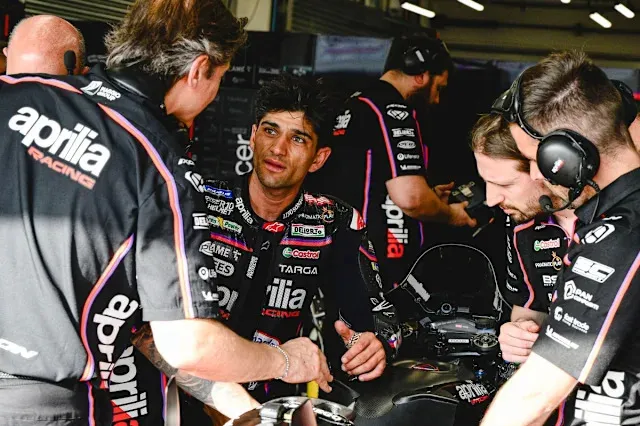
The result at Balaton Park showed Martin that his efforts were paying off, and his emotions were evident in Aprilia’s garage as he celebrated the fourth-place finish. His journey back has been an inspiring story of resilience, and Aprilia’s ability to match his determination is critical if they are to keep him in the long term.
Aprilia’s big problem and the road to 2026
While Martin’s ride was a highlight, it also exposed the challenge Aprilia face. He realized almost immediately that the RS-GP25 has a “big problem” that needs solving if they are to consistently fight at the front. Although the Hungarian GP proved that they can overcome difficulties with strong setup changes, relying on last-minute fixes is not sustainable against rivals like Ducati and KTM, who operate with greater consistency across circuits.
With eight races remaining in 2025, Aprilia have a limited window to address these weaknesses before the 2026 reset. The new regulations will provide every manufacturer with a chance to start fresh, but Martin’s decision about where to race could come before then. For Aprilia, showing that they can provide not just flashes of brilliance but a reliable package is essential to earning his trust.
Signs of encouragement
Despite the lingering issues, there are reasons for optimism. Aprilia have developed a regular baseline setup that now allows them to perform strongly at a variety of tracks. This is a significant improvement from earlier in the year, when performance swings between circuits were more dramatic.
Furthermore, Martin’s input has already started to pay dividends. Alongside Bezzecchi, who has been in podium form with four rostrums in the last five races, Martin’s presence strengthens Aprilia’s technical feedback loop. The combination of two highly skilled riders with different styles gives engineers a wealth of data to refine the RS-GP.
Peter Bom’s analysis that Aprilia’s ability to transform from “nowhere on Friday” to competitive by Saturday is a hallmark of a strong manufacturer echoes what Martin himself has suggested. Quick adaptability in MotoGP is a sign of both engineering strength and rider synergy. For Aprilia, it may also be their biggest argument in convincing Martin to commit.
Martin’s place in the riders’ standings
Although Martin sits as low as 20th in the 2025 MotoGP riders’ standings due to his injury layoff and early struggles, the Hungarian GP offered a glimpse of what he can still achieve. With more consistent finishes in the second half of the season, it is plausible that he could climb towards the top 12 by year’s end.
Bezzecchi’s form further highlights what is possible with the Aprilia package. Since Mugello, he has out-scored reigning champion Francesco Bagnaia by 35 points, moving within striking distance of third place in the championship. If Martin can replicate similar performances in the remaining rounds, Aprilia will head into 2026 with two riders capable of challenging the best.
The decision ahead
For Jorge Martin, the decision about whether to stay with Aprilia beyond 2026 will come down to several factors: consistency, technical development, and the team’s ability to convince him they are championship-ready. Ducati will always remain an attractive option given their dominance, while KTM and Yamaha could also enter the conversation if they show significant progress under the new rules.
However, Aprilia have something unique to offer. They have placed Martin at the center of their project, and his influence on development is already evident. The bond between rider and manufacturer is still young, but results like Hungary show that it is beginning to bear fruit.
What Aprilia must do next
To solidify Martin’s trust, Aprilia must ensure that the RS-GP25’s strengths are more than situational. They need to prove that their bike can handle a variety of circuits and conditions without relying on extraordinary turnarounds. Delivering consistent podium challenges between now and the end of 2025 would demonstrate that their project is not just reactive but proactive.
In addition, ensuring that Martin feels valued as the centerpiece of the program will be key. With Bezzecchi already showing podium form, Aprilia now have a strong rider lineup that could become one of the most potent pairings in MotoGP. How they balance that dynamic while keeping Martin assured of his role could be decisive.
Conclusion
The Hungarian Grand Prix gave Aprilia and Jorge Martin a much-needed confidence boost, proving that their partnership has the potential to be special. By turning a disastrous Friday into a competitive Sunday, Aprilia showed the adaptability and engineering resilience that Martin needs to see before making a long-term commitment.
But while Hungary was a step forward, it was also a reminder of the work that remains. The “big problem” Martin identified still looms, and solving it will determine whether Aprilia can truly fight with Ducati and KTM at the front of the MotoGP field.
For now, Martin has every reason to feel encouraged. Aprilia have shown him a “very good sign”, and if the progress continues, they might just convince the reigning champion that their future is worth believing in.
Related News