









Joel Embiid Praises Jokic and D-Rose but Admits He’s the ‘Villain’ in the Public’s Eyes – Shocking Truth for NBA Fans!
In the world of professional basketball, few narratives have captured the imagination of fans quite like the story of Joel Embiid. The towering center for the Philadelphia 76ers has consistently dazzled on the court, yet off-court perceptions paint a dramatically different picture. For some, Embiid is a hero. For others, he’s the villain—a stark contrast to figures like Nikola Jokic and Derrick Rose, whose journeys have been met with admiration and empathy. But why does Embiid feel like the NBA’s anti-hero, and how does this perception impact his legacy? Let’s dive into the story.
The MVP Debate: Embiid vs. Jokic
The NBA MVP race has always been a spectacle of talent, narratives, and media influence. For Joel Embiid, competing against Nikola Jokic has been both thrilling and frustrating. While Jokic has often been praised for his quiet brilliance and unassuming nature, Embiid’s charisma, bold statements, and court presence attract attention that sometimes feels overwhelming.
Fans and analysts often compare their styles. Jokic, the cerebral center of the Denver Nuggets, operates with precision, making every play look effortless. Embiid, on the other hand, dominates physically and emotionally, leaving a trail of awe—and controversy—wherever he goes. This contrast creates a natural narrative: Jokic is the underdog genius, and Embiid is the flamboyant powerhouse, often unfairly labeled as the “villain” of the league.
The pressure of being constantly scrutinized—especially during MVP races—can take a toll. While Embiid’s performance on the court is undeniable, his larger-than-life personality and willingness to speak his mind often make him a target for critics. The result? He feels isolated in a conversation dominated by quieter stars like Jokic, who are celebrated almost universally.
Derrick Rose: The Tragic Hero
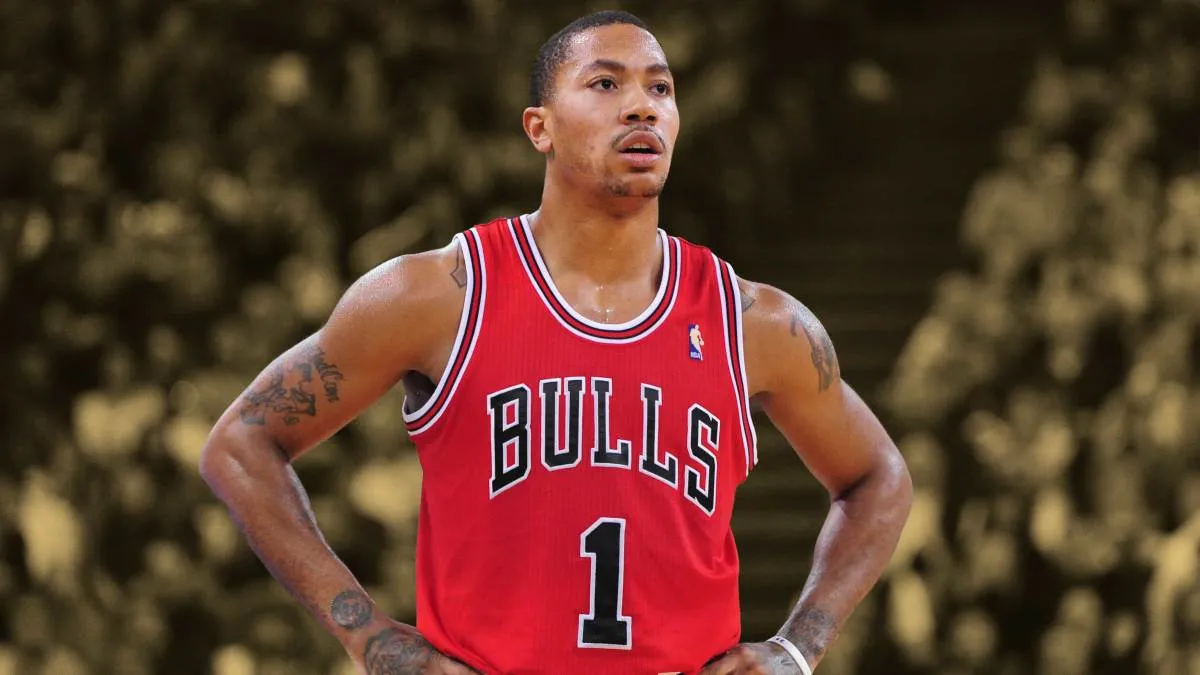
Contrast Embiid’s narrative with Derrick Rose, the youngest MVP in NBA history. Rose’s story is one of resilience and triumph over adversity. Rising from a promising rookie to league MVP, Rose’s journey captivated fans. Even as injuries threatened to derail his career, the public continued to root for him, framing his narrative around sympathy, struggle, and redemption.
Embiid’s path is different. While he too faced injuries and doubts early in his career, the media often portrays him as overconfident, temperamental, or too outspoken, creating a perception that he’s the “villain” rather than the hero of his own story. Unlike Rose, who was framed as a beloved underdog, Embiid must navigate the burden of fame while constantly defending his reputation.

The Media’s Role in Shaping the Villain Image
The media’s influence on public perception cannot be overstated. Embiid’s outspoken nature, combined with his on-court dominance, often attracts headlines that emphasize conflict rather than achievement. From heated exchanges with referees to bold statements about his team’s ambitions, every action is amplified in a way that shapes him as a polarizing figure.
Meanwhile, Jokic’s calm demeanor ensures the narrative remains focused on skill and excellence, and Rose’s narrative centered on resilience and emotion. Embiid’s challenge is that while his performance is world-class, his personality is difficult to package neatly, leaving him in the uncomfortable position of being the “villain” in many fans’ eyes.
It’s a phenomenon seen often in sports: the same characteristics—confidence, leadership, assertiveness—that are praised in one athlete can be vilified in another. Embiid’s larger-than-life persona, which makes him a fan favorite for some, is exactly what positions him as the antagonist compared to Jokic and Rose.
Performance vs. Perception
Embiid’s stats speak for themselves. He’s one of the most dominant centers in the league, with scoring, rebounding, and defensive metrics that consistently place him among the NBA’s elite. Yet, despite the numbers, the narrative often focuses on controversy, conflict, and personality clashes.
This gap between performance and perception is a source of frustration for Embiid. While Jokic quietly garners praise for his efficiency and vision, Embiid’s passion and expressiveness are sometimes interpreted as arrogance. In essence, he is a superstar whose personality invites both adoration and criticism, making it hard for the public to separate the player from the persona.
The Psychological Toll of Being the Villain
Feeling like a villain in the public eye can have real psychological effects. Embiid has admitted in interviews that at times, he feels misunderstood and mischaracterized, especially when compared to players like Jokic and Rose, whose narratives are largely positive. The constant scrutiny adds a layer of pressure that goes beyond the hardwood, affecting mental health, confidence, and public interaction.
For fans, it’s easy to consume highlights and headlines without understanding the personal toll. For Embiid, every game is a performance not just against the opposing team but against public perception and media framing, a unique challenge that few NBA stars face at his level.
Shifting the Narrative: Redemption and Growth
Despite the challenges, Embiid is actively working to reshape his image. Off-court initiatives, media engagement, and consistent excellence on the court demonstrate a player who is not only aware of his narrative but is taking steps to control it. Fans are starting to see the nuance in his character, recognizing him as both a fierce competitor and a dedicated professional.

This redemption arc is critical. It mirrors the journeys of other athletes who have faced scrutiny and emerged stronger, demonstrating that public perception is not fixed. Embiid’s story is evolving, with fans beginning to appreciate the complexity of his journey, rather than reducing him to a simple archetype of villainy.
The Legacy Question
At the heart of the discussion is the question of legacy. How will Embiid be remembered? As a villain, an MVP, a champion, or all of the above? The comparison to Jokic and Rose highlights a stark truth: in sports, perception is almost as powerful as performance.

Jokic will likely be remembered for his quiet excellence, Rose for his resilient journey, and Embiid for the passion and controversy that define him. Yet, it is precisely this complexity that makes Embiid’s story so compelling—a narrative of dominance, struggle, and the quest for respect in a world that loves heroes but also revels in villains.
Why Fans Should Care
Understanding Embiid’s position as a perceived villain adds depth to the NBA experience. Fans can appreciate not just the highlights and stats, but the human story behind the player. Embiid’s challenges, contrasted with Jokic’s calm and Rose’s inspirational arc, remind us that every superstar navigates scrutiny, expectation, and identity in their own way.
By following Embiid’s journey, fans witness a unique narrative: a player who is unafraid to express himself, fight for his place, and challenge the simplified narratives imposed by media and public opinion.
Conclusion: Beyond the Villain
Joel Embiid’s story is far more than basketball. It’s about identity, perception, and resilience. Being labeled a villain compared to Jokic and Rose is not a reflection of his character, but of the complexities of fame, personality, and media framing.
As Embiid continues to dominate on the court, the hope is that fans and analysts will look beyond simplistic labels. The real story is one of growth, excellence, and the pursuit of legacy, reminding us that in sports, as in life, the line between hero and villain is often blurred—and the most compelling narratives exist in that gray area.
Related News