AI Image That Left Kid Rock So Shocked: “That’s Not Me!”
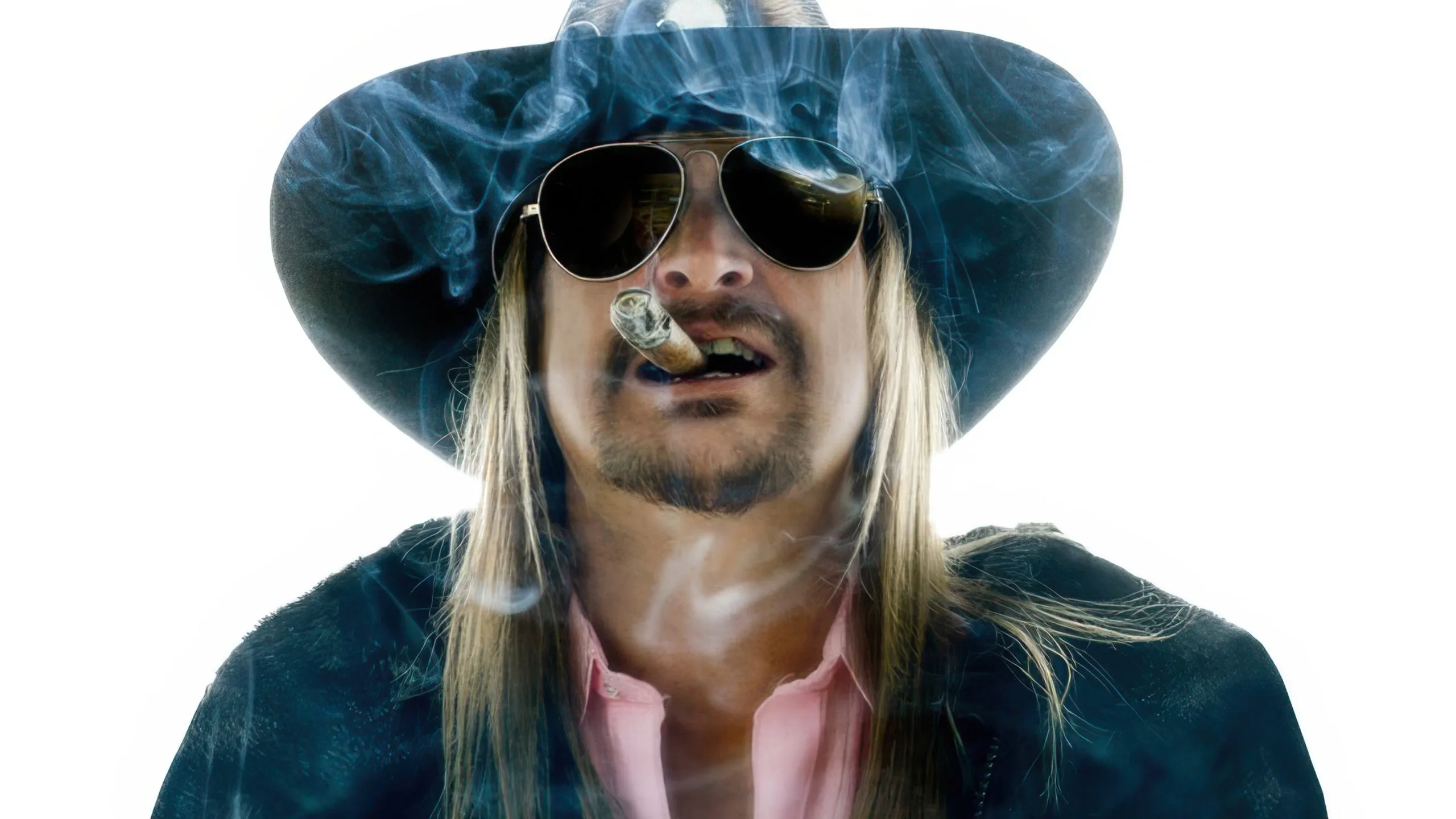
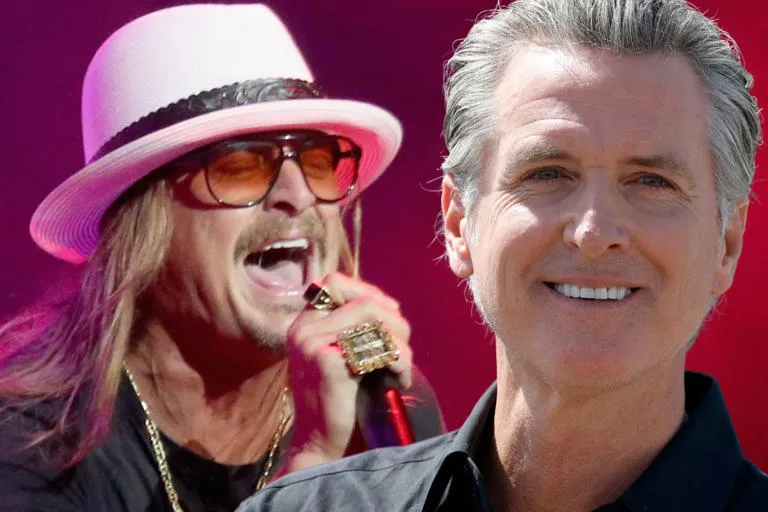
In today’s digital age, artificial intelligence (AI) images and deepfakes spread rapidly across social media platforms. Recently, an AI-generated image of American musician Kid Rock went viral, sparking controversy and confusion. The image appeared to show Kid Rock publicly supporting California Governor Gavin Newsom, a pairing that caught fans and critics by surprise.
Kid Rock, known for his outspoken personality and strong stances on cultural and entertainment topics, quickly reacted to the circulating image. His response shed light not only on the situation itself but also on the broader issue of AI-generated misinformation and its influence in shaping public perception.
This article explores Kid Rock’s reaction, the origins of the AI image, the impact of such digital fabrications, and what the incident reveals about the evolving relationship between technology, celebrity culture, and public trust.
The Viral AI Image
The controversial image spread across platforms like Twitter (X), Facebook, and Instagram, gaining traction within hours of being posted. It appeared to depict Kid Rock smiling alongside Governor Gavin Newsom, suggesting an endorsement or alliance.
To many fans, the image was confusing. Kid Rock’s public identity has often been tied to independence and strong opinions, making the supposed connection to Newsom unexpected. Some individuals shared the image as fact, while others questioned its authenticity.
The reality is that the image was created using AI image-generation tools, which have become increasingly sophisticated. Such tools can convincingly fabricate photographs that appear authentic at first glance, blurring the line between fact and fiction.
Kid Rock’s Reaction
Once the AI-generated photo gained momentum, Kid Rock addressed the situation. Known for being direct, he emphasized that the image was not real and that he had no involvement in supporting Governor Newsom.
Kid Rock expressed concern about how quickly misinformation can spread in today’s digital climate. He warned fans to be cautious when encountering images or claims online that seem unusual or out of character. His statement highlighted both personal frustration and a larger cultural concern: the ease with which AI can distort public narratives.
By confronting the matter directly, Kid Rock not only defended his personal reputation but also drew attention to the dangers of AI misuse in media.
The Role of AI in Spreading Misinformation
The incident underscores how AI tools can create highly convincing yet misleading content. While AI can be used creatively for art, entertainment, and marketing, it also poses risks when used irresponsibly.
AI-generated images of celebrities, politicians, or public figures can create false impressions. In this case, the photo misrepresented Kid Rock’s stance, potentially misleading audiences unfamiliar with his views.
Experts warn that such misinformation can:
-
Damage reputations by falsely associating individuals with causes or people they do not support.
-
Influence public opinion, especially in cases where AI images involve political figures.
-
Erode trust in digital media, as audiences grow skeptical about what is real and what is fabricated.
Kid Rock’s reaction reflects the growing concern among public figures who must now address not just rumors, but AI-generated fabrications.
Why the Image Caused a Stir
The viral image was impactful because it paired two highly recognizable names—Kid Rock and Gavin Newsom—who represent very different cultural and political associations in the public eye.
For Kid Rock fans, the idea of him endorsing Newsom seemed unlikely, leading to confusion and debate. For others, the image became an example of how AI manipulations can generate controversy, even without context.
The situation highlighted how AI-generated content thrives on shock value. When audiences see something unexpected or seemingly contradictory, they are more likely to share it, amplifying its reach.
Celebrity Culture in the Age of AI
The Kid Rock incident raises broader questions about celebrity culture in the AI era. Public figures are particularly vulnerable to being placed in fabricated scenarios that may alter how people perceive them.
As AI tools become more accessible, celebrities must be proactive in addressing misinformation. Transparency, rapid communication, and direct statements to fans help counter the spread of false images or claims.
Kid Rock’s straightforward response is an example of how celebrities can take control of the narrative when faced with AI-generated misrepresentations.
Public Awareness and Responsibility
Beyond celebrity responses, this situation shows the importance of public awareness. Social media users play a key role in determining how misinformation spreads. Before sharing questionable images or stories, individuals should:
-
Verify sources from reliable outlets.
-
Check authenticity by comparing with official statements.
-
Consider the context, especially when images seem too unusual to be true.
Kid Rock’s reaction serves as a reminder that audiences must be vigilant in the digital age.
Lessons Learned from Kid Rock’s Experience
The viral AI photo of Kid Rock and Gavin Newsom offers several takeaways:
-
AI-generated misinformation is powerful – Even a single fabricated image can spark widespread discussion.
-
Celebrities must respond quickly – Addressing misinformation head-on helps prevent lasting damage.
-
Audiences need media literacy – Learning how to question and verify digital content is essential in today’s media environment.
-
Technology requires responsibility – While AI has creative potential, it also demands careful regulation and ethical use.
The Future of AI and Media Trust
As AI continues to advance, experts predict more incidents similar to Kid Rock’s will occur. This raises questions about the future of media trust. How can the public distinguish between authentic and fabricated images? How can celebrities protect their reputations?
Potential solutions may include:
-
Watermarking AI content to identify generated media.
-
Stronger verification systems on social media platforms.
-
Public education campaigns focused on digital literacy.
Kid Rock’s experience is a clear example of why these solutions are urgently needed.
Conclusion
The AI-generated image of Kid Rock with California Governor Gavin Newsom serves as a case study in how technology can distort reality. While the photo itself was fake, its impact was real—spreading confusion, sparking debate, and prompting a strong reaction from Kid Rock.
His response not only clarified the truth but also underscored the importance of addressing misinformation quickly and directly. In an age where AI-generated images can alter perceptions overnight, Kid Rock’s experience highlights both the risks of digital innovation and the responsibility that comes with it.
As technology evolves, society will need to adapt, balancing the creative opportunities of AI with the need for truth, trust, and transparency.