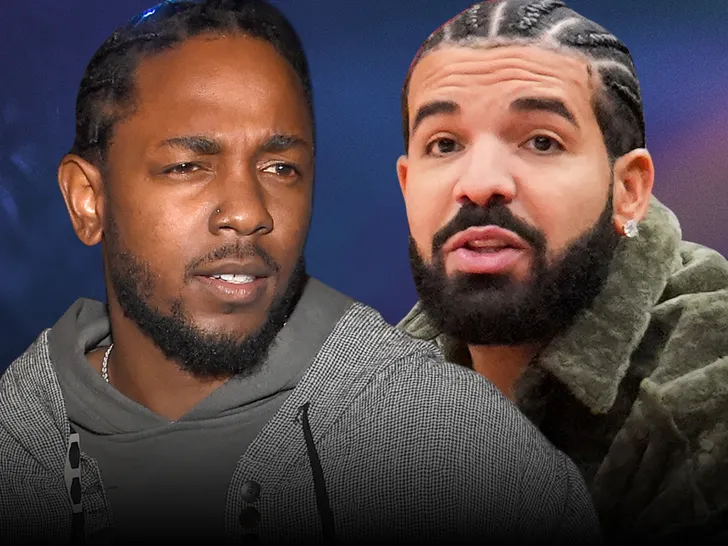
Drake Files Another Lawsuit — But Could This Move Backfire Against Him in Epic Kendrick Showdown?
In a dramatic escalation of one of the music industry’s most high-profile feuds, Drake has officially filed a major lawsuit against Universal Music Group (UMG) and Interscope Records over Kendrick Lamar’s diss track, “Not Like Us”. The legal action, filed on August 18, 2025, targets top executives at both companies, alleging a coordinated effort to damage Drake’s reputation in the wake of Lamar’s controversial release.
The Allegations: Behind the Scenes of a Diss Track
According to court documents, Drake claims that several high-ranking executives secretly promoted Kendrick Lamar’s diss track and orchestrated its performance at the 2025 Super Bowl Halftime Show with the intent to harm his career. The lawsuit names a wide array of individuals, including:
-
Ramon Alvarez Smikle, Executive Vice President at Interscope
-
Kojo Menne Asamoah, marketing executive
-
Jordan Bell, urban influencer at Interscope
-
Steve Berman, President of Marketing at Interscope
-
Tony the Hitmaker and his company Hitmaker Services Inc.
-
Tiffany Bullock, Senior Manager of Influencer Marketing
-
Jesse Collins of Roc Nation
-
Vincenza Conticchio, Interscope’s Video and Creative Content Commissioner
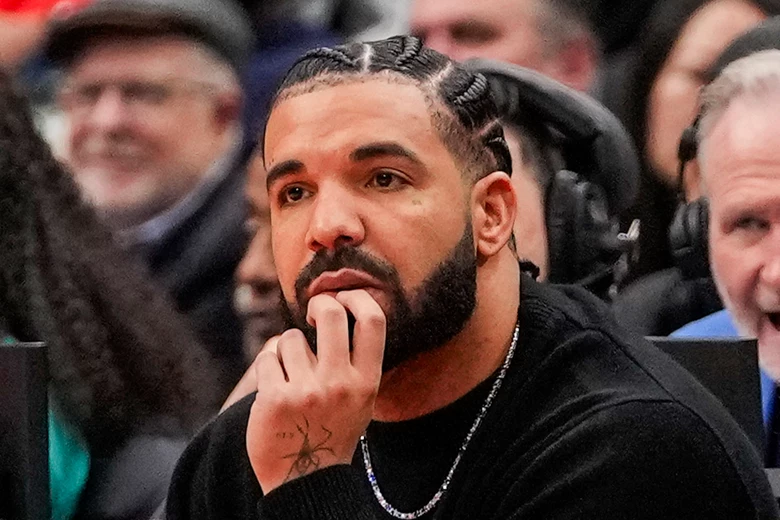
Drake’s legal team also points to several other senior executives who were allegedly aware of the campaign, including Lucian Grainge, CEO of UMG, Jody Gerson, CEO of Universal Music Publishing Group, John Janick, CEO of Interscope, and others at Spotify USA, Republic Records, and Capitol Music Group.
The lawsuit asserts that these executives orchestrated a calculated effort to tarnish Drake’s public image, citing not only the lyrics of “Not Like Us” but also the associated promotional material, including artwork and live performance visuals, which Drake alleges portray him in a false and defamatory light.
Legal Relief and Financial Compensation
Drake is seeking both legal relief and financial damages, demanding statutory and actual damages, treble damages, attorneys’ fees, costs, and interest, all to be determined at trial with expert analysis. His legal team emphasizes that the lawsuit is not just about financial restitution—it is also about holding powerful music executives accountable for their actions in shaping public narratives and artist reputations.
Response from Universal Music Group
In response to the lawsuit, UMG CEO Lucian Grainge has firmly denied any involvement in promoting Kendrick Lamar’s diss track, “Not Like Us.” Grainge stated that he had never heard the song nor seen any of its associated artwork before it was publicly released, and described Drake’s allegations as “groundless and indeed ridiculous.” He further emphasized that Universal Music Group has invested hundreds of millions of dollars in Drake’s career over the years, highlighting the longstanding relationship between the artist and the company. According to Grainge, the notion that UMG would deliberately attempt to harm one of its most valuable artists is completely unfounded.
Other representatives from Interscope Records and Universal Music Group have echoed this denial, adding that the company maintains strict internal protocols and oversight when it comes to artist promotions. They stressed that any performances, including the appearance of Lamar’s track at the Super Bowl Halftime Show 2025, were organized independently by Lamar’s own team, without input or direction from UMG or Interscope executives. These statements underscore the company’s position that Drake’s claims are without merit and that the legal action misrepresents the way the music label conducts its operations.
Industry Implications
This lawsuit shines a spotlight on the often opaque operations behind the music industry’s biggest releases, revealing just how much influence record labels and executives can have over an artist’s public image. It raises important questions about the ethical boundaries of corporate promotion, and whether marketing efforts can sometimes cross the line into deliberate defamation or reputational harm, intentionally or otherwise.
Music industry analysts note that if Drake’s lawsuit is successful, it could set a significant precedent for how artists interact legally with their record labels. It may also prompt labels to reassess and strengthen oversight of promotional campaigns, ensuring that conflicts of interest are minimized and that artist reputations are protected. Such a case could have wide-reaching consequences, potentially reshaping industry standards and best practices for managing high-profile releases in the future.
Fan Reactions and Public Perception
Fans and insiders have been watching the feud with keen interest. Social media is abuzz with speculation over whether Drake’s claims can be substantiated and what evidence he may present during trial. Many fans see the lawsuit as a bold move that underscores Drake’s determination to protect his legacy against perceived attacks from both competitors and industry insiders.
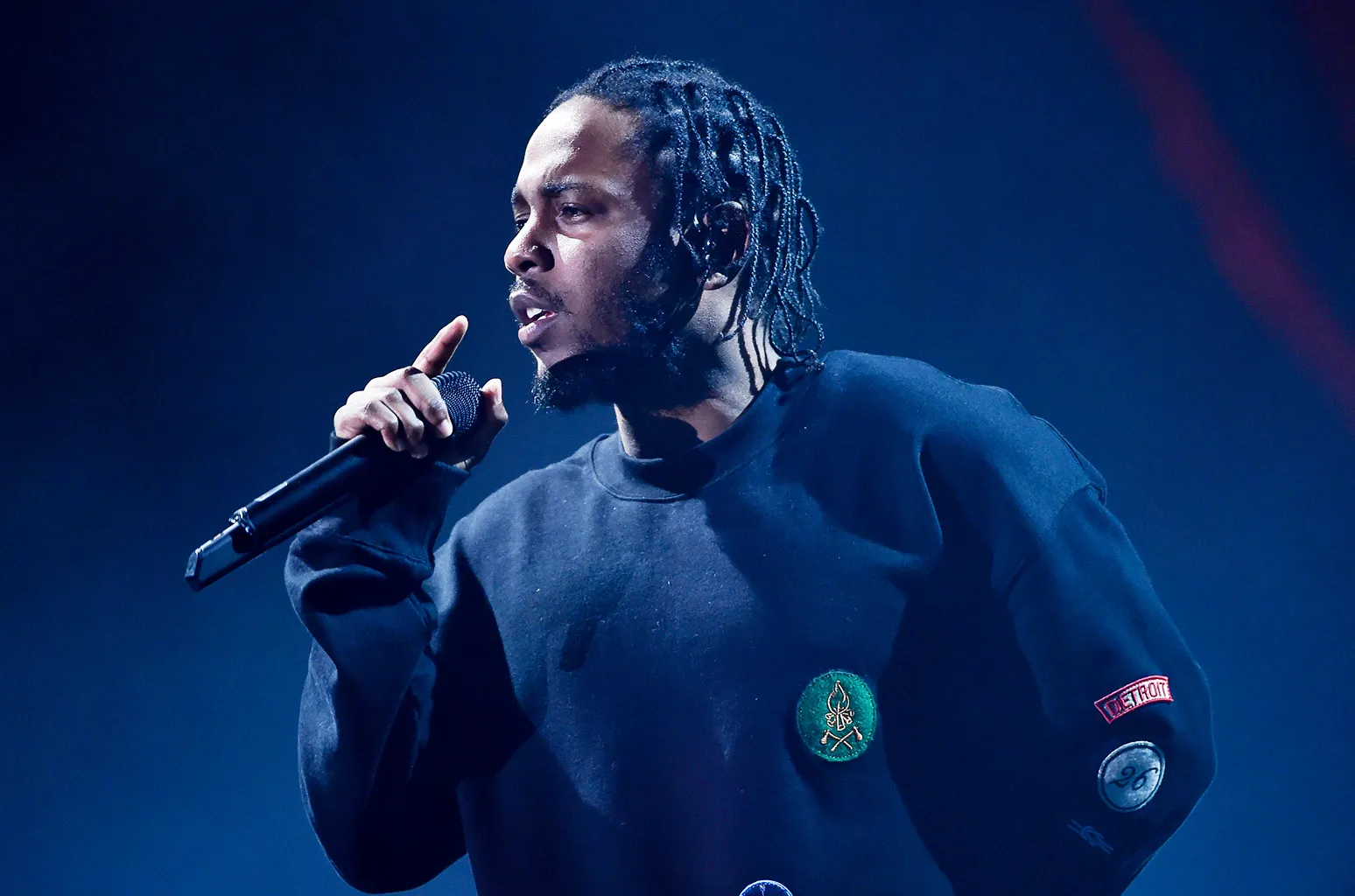
Meanwhile, Kendrick Lamar’s camp has yet to release a formal response, though insiders suggest that Lamar is focused on his ongoing projects and is likely to let his legal team handle the matter.
What’s Next
As the legal battle between Drake, Kendrick Lamar, and top music executives continues, all eyes are on the courtroom. Experts believe the case could reveal hidden dynamics in the music industry, including how executives influence promotions, marketing, and public perception of artists. Beyond the feud between two superstars, it may shed light on how major decisions are made behind the scenes.
For Drake, the lawsuit is about more than money—it’s a fight to protect his public image. For Kendrick Lamar and the executives named, it’s a high-stakes effort to defend their reputations and maintain credibility in the industry. The outcome could have lasting effects on artist-label relations and set new precedents for how such disputes are handled in the music world.
Conclusion
The lawsuit filed by Drake against Universal Music Group and Interscope Records marks a new chapter in one of music’s most heated feuds. With top executives in the crosshairs and the legal and financial stakes sky-high, the case promises to expose the complex, often unseen interactions between artists and the corporate machinery that promotes—or allegedly sabotages—them.
As this legal saga unfolds, the industry, fans, and media alike will be watching closely. The outcome could reshape how artists and executives navigate conflicts, promotions, and public narratives in the competitive world of contemporary music.