







Quartararo Saves Yamaha With a Mere One Point in a Disappointing Race
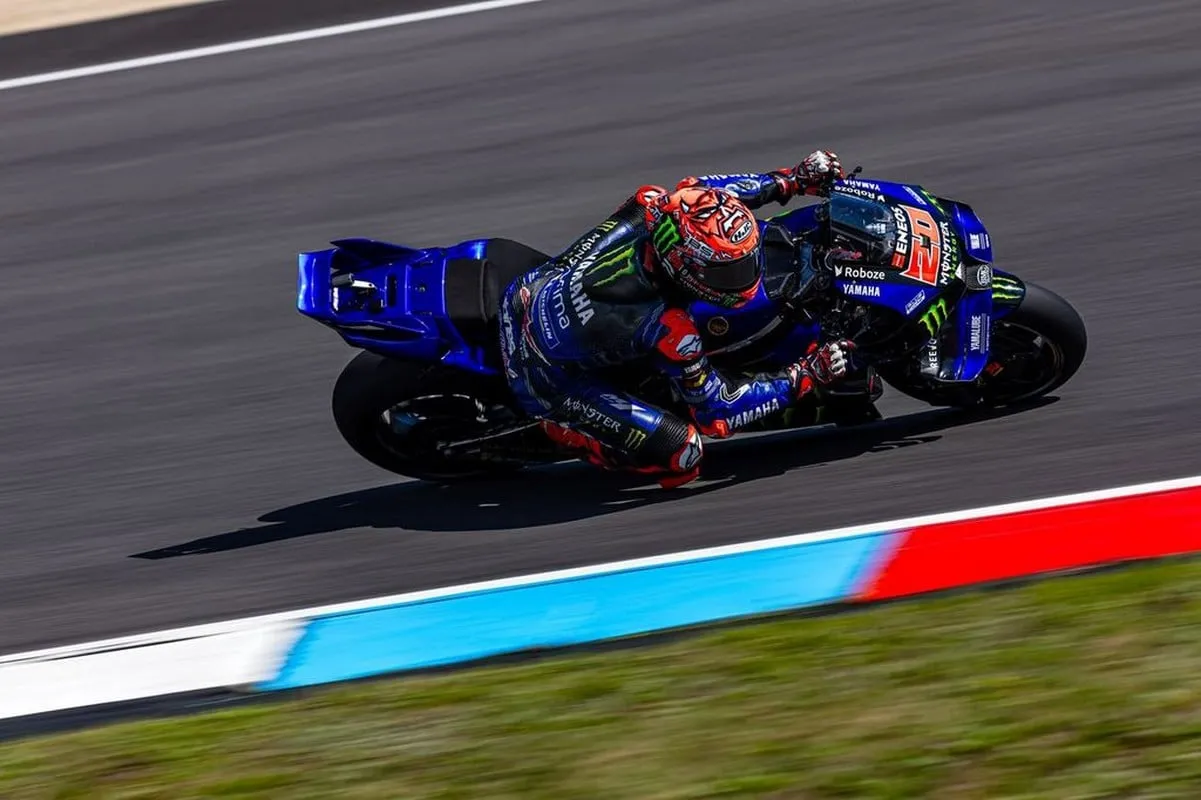
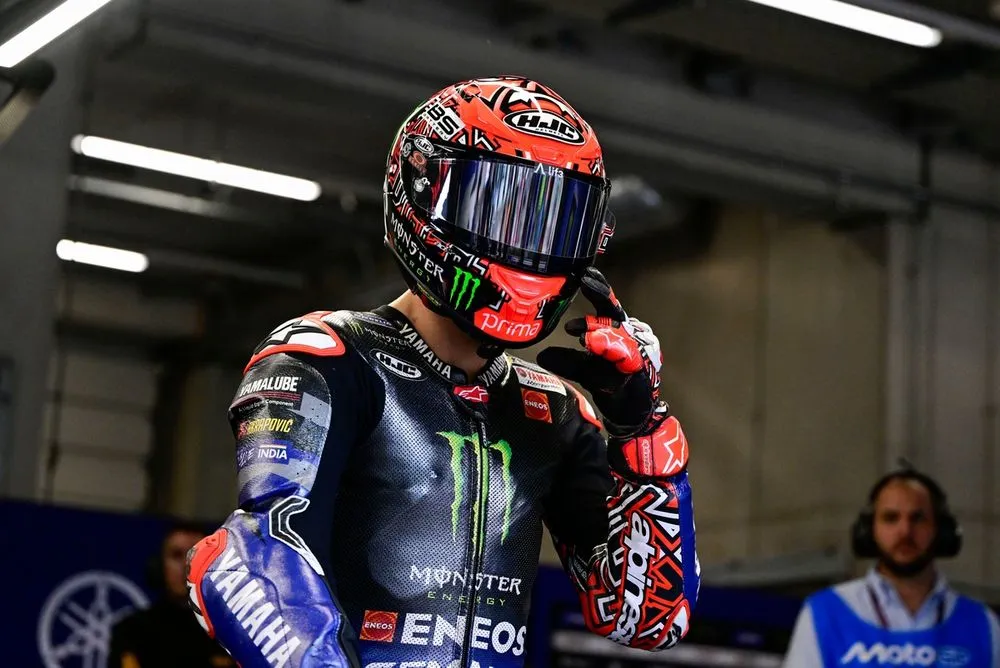
Fabio Quartararo’s struggles in the Austrian Grand Prix highlighted the harsh reality facing Yamaha in the current MotoGP season, as the Frenchman salvaged only a single point after a weekend filled with frustration, disappointment, and a growing sense of helplessness. What was once one of his strongest tracks turned into a brutal reminder of Yamaha’s decline, with all four of their bikes languishing at the back of the grid.
A Weekend to Forget
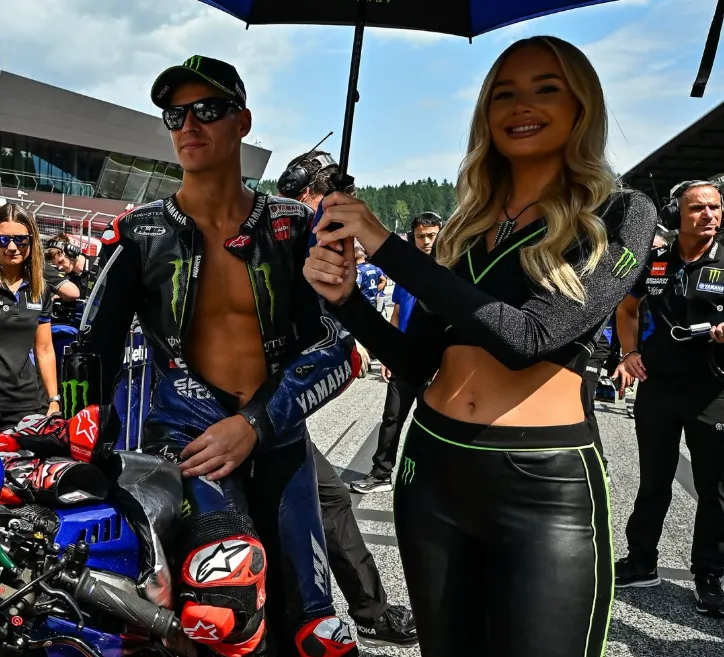
From the opening laps of free practice, Quartararo and his Yamaha teammates looked out of their depth. The once dominant machine, capable of battling for race wins, was reduced to fighting merely to stay within sight of the midfield. Qualifying offered no respite, with Yamaha bikes stuck in the lower half of the standings, unable to match the raw pace of rivals like Ducati, Aprilia, or KTM.
The race itself was no different. Quartararo quickly dropped back, slipping as far down as 18th place during the early stages. He fought bravely, managing to overtake Jack Miller to claim 17th, but the breakthrough never came. Only the misfortune of Jorge Martín and Fabio Di Giannantonio allowed Quartararo to climb into 15th position at the checkered flag. That single point was his only reward, though it felt more like a token gesture than a true achievement.
Quartararo’s Honest Assessment
In the aftermath, Quartararo did not attempt to sugarcoat the situation. His raw emotions spilled out in his interview with Canal+, where he openly admitted the weekend had been meaningless.
“I think there’s nothing to take from this race; we need to turn the page because this Grand Prix was of little value to us,” Quartararo confessed.
The Frenchman highlighted the shocking performance gap that Yamaha faces.
“The Yamahas finished five or six seconds behind Ai Ogura in 14th place, so it’s tough, but I don’t know how we’re going to bounce back.”
For a rider who has been a MotoGP world champion, these words reflected not just frustration but deep concern for Yamaha’s future.
Unacceptable Performance
Quartararo’s disappointment was clear as he detailed the technical flaws of the M1.
“From the first lap, you know it’s not going to go well. I was behind Jack for a few laps, and it’s the only bike that reacts in a certain way… How can we slide in fourth gear on the straight? It’s unacceptable. I saw other bikes, like Ducati and Aprilia—none of them slide in fourth gear on a straight!”
For Quartararo, the problem wasn’t just about losing pace but the sheer unpredictability of Yamaha’s machine. In modern MotoGP, where precision is everything, riding a bike that behaves erratically at high speeds is a nightmare.
Comparing Progress – Yamaha Falling Behind
The statistics paint an even more alarming picture. The Red Bull Ring in Austria is a circuit where Quartararo has historically thrived. He has scored podiums here before, showing that the layout suited both his style and Yamaha’s strengths. Yet, in 2024, the story is completely different.
Quartararo pointed out the contrast himself:
“This is the track where I’ve had the most podiums. Last year, we finished 36 seconds behind, and this year it was 25 seconds. It’s a track where I’ve always been fast. The others have made significant progress, while we’ve made none.”
While rivals like Ducati and Aprilia continue to innovate and refine their machines, Yamaha has stagnated. For Quartararo, the issue is not just the present but the lack of a clear path forward.
The Bigger Picture – Yamaha’s Crisis
This latest disappointment is just the continuation of a troubling pattern. Yamaha’s decline has been evident for multiple seasons, and the Austrian Grand Prix served as yet another reminder of the widening gulf between them and their rivals.
Ducati’s dominance, with multiple competitive riders, has made life even harder for Yamaha. Meanwhile, Aprilia and KTM have made significant strides, regularly fighting for podiums. In contrast, Yamaha’s lone highlight is Quartararo’s ability to occasionally drag the underperforming bike into the points.
But the reality is brutal: a rider of Quartararo’s caliber should not be fighting for 15th place.
The Road Ahead
The question now is how Yamaha plans to respond. Quartararo’s patience is wearing thin, and the MotoGP paddock knows it. Rumors about his future have already circulated, with other manufacturers likely keeping a close eye on the situation. Unless Yamaha delivers tangible improvements soon, they risk losing their star rider—and with him, their best chance of returning to the front.
For the remainder of the season, Yamaha must not only seek incremental gains but also prove that they are committed to a long-term project that can bring them back into title contention. Quartararo has made it clear: the current level is unacceptable.
Fan Reactions and Paddock Concerns
Fans were quick to voice their frustration as well, with social media filled with disappointment over Yamaha’s lack of competitiveness. Many pointed out that Quartararo deserves better machinery, while others criticized Yamaha’s development strategy.
Even rival teams have noticed Yamaha’s struggles. With MotoGP more competitive than ever, failing to keep up is no longer an option. The Red Bull Ring was a painful reminder of just how far Yamaha has fallen, but it may also serve as a wake-up call.
Conclusion
Fabio Quartararo’s Austrian Grand Prix was not just another disappointing race—it was a stark symbol of Yamaha’s current plight in MotoGP. Finishing 15th and earning a solitary point is nowhere near the standard expected from a former world champion and one of the sport’s most talented riders.
The Frenchman’s honest words echoed the frustrations of fans and highlighted the urgent need for change. With each passing race, the gap between Yamaha and its rivals grows wider. Unless drastic improvements are made, the struggles will continue, and Quartararo’s future with the team will become increasingly uncertain.
For now, the only certainty is that Yamaha’s road back to glory looks long and difficult. The Austrian Grand Prix was supposed to be a chance for redemption, but instead, it became yet another painful reminder of just how deep the crisis runs.
Related News