






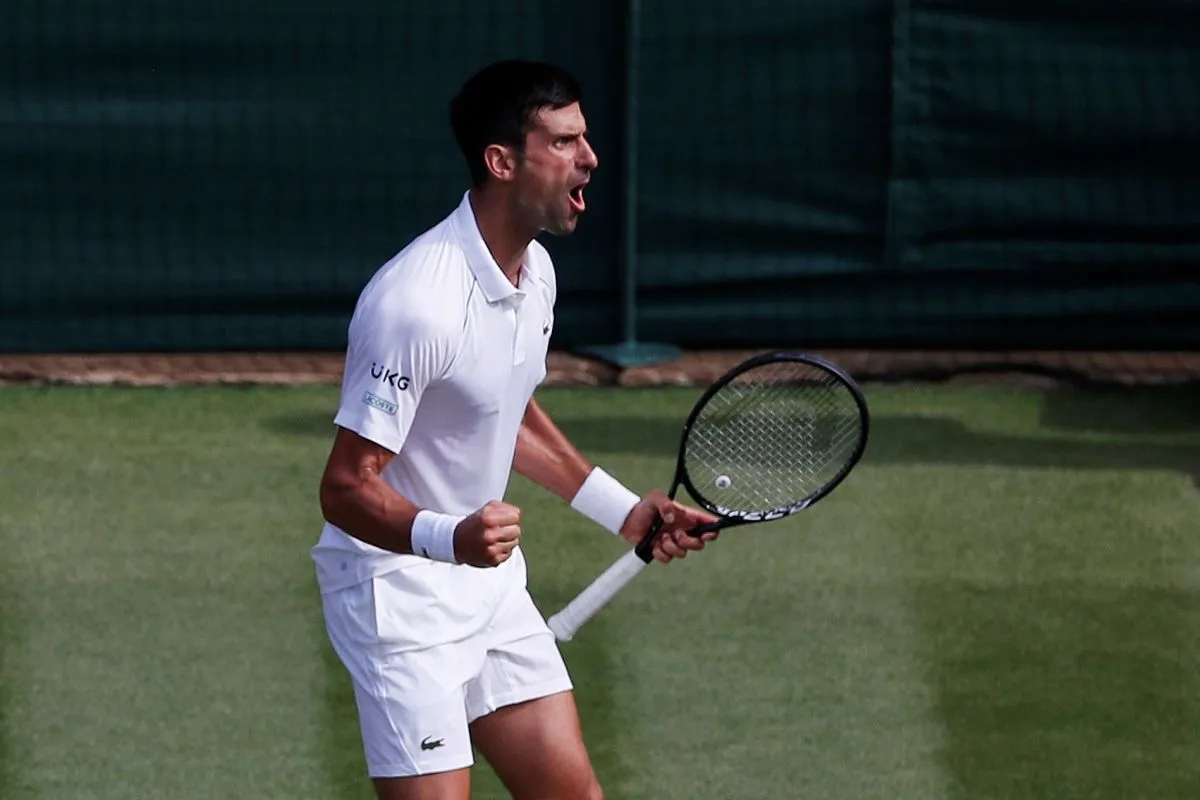
Why Do Tennis Players Moan So Much — And The Real Reason Novak Djokovic Can’t Stop
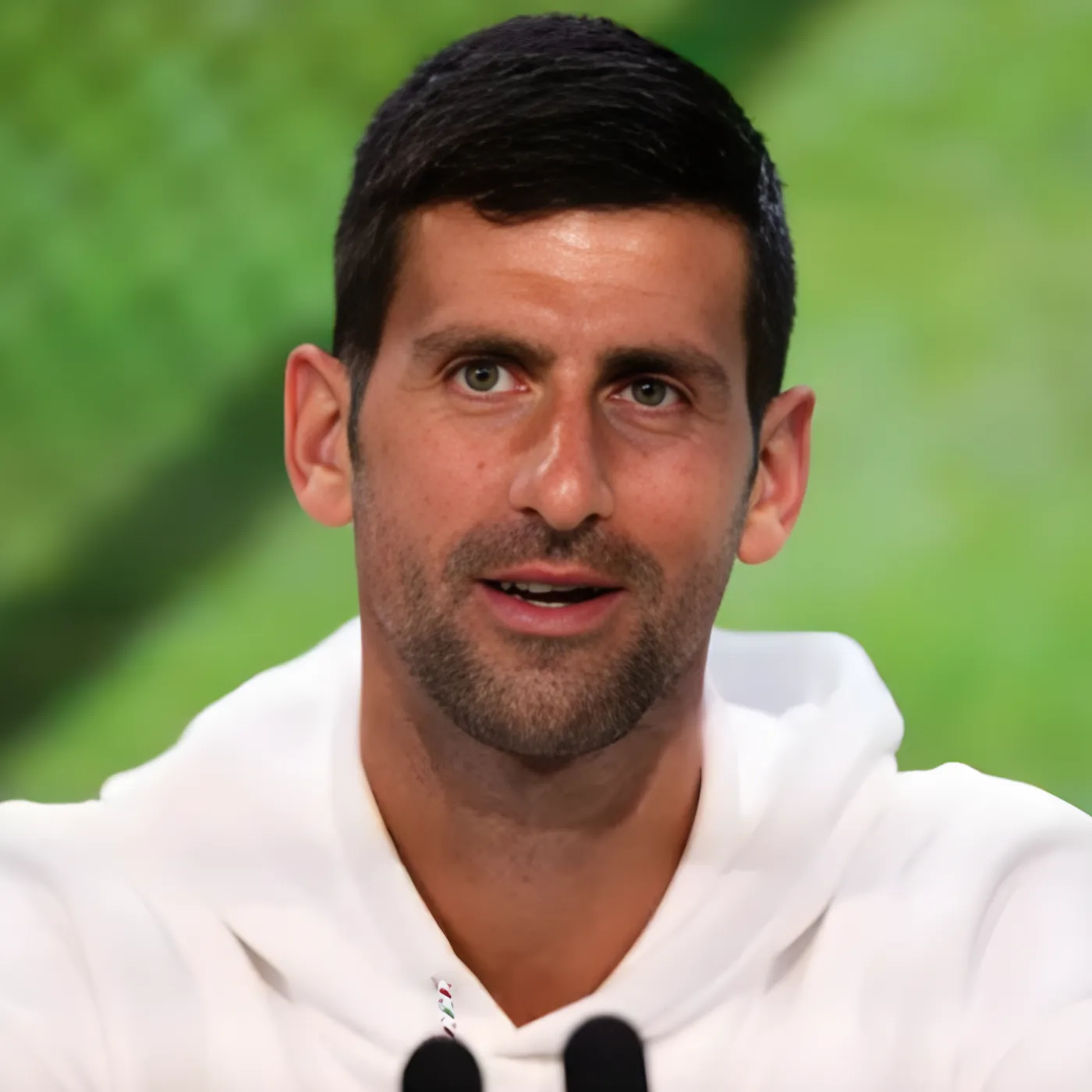
The sport of tennis has long been defined not only by its breathtaking rallies, incredible athleticism, and emotional intensity but also by a curious and sometimes polarizing phenomenon — the moans, grunts, and groans that echo across the court during play. From the rhythmic noises of past champions like Monica Seles and Maria Sharapova to the distinct vocal presence of modern legends, the practice of moaning has become an inseparable part of tennis culture. Yet, perhaps no figure has drawn more discussion about this habit in recent years than Novak Djokovic, a player whose game is marked by discipline, precision, and endurance but whose audible expressions of effort often become a topic of conversation.
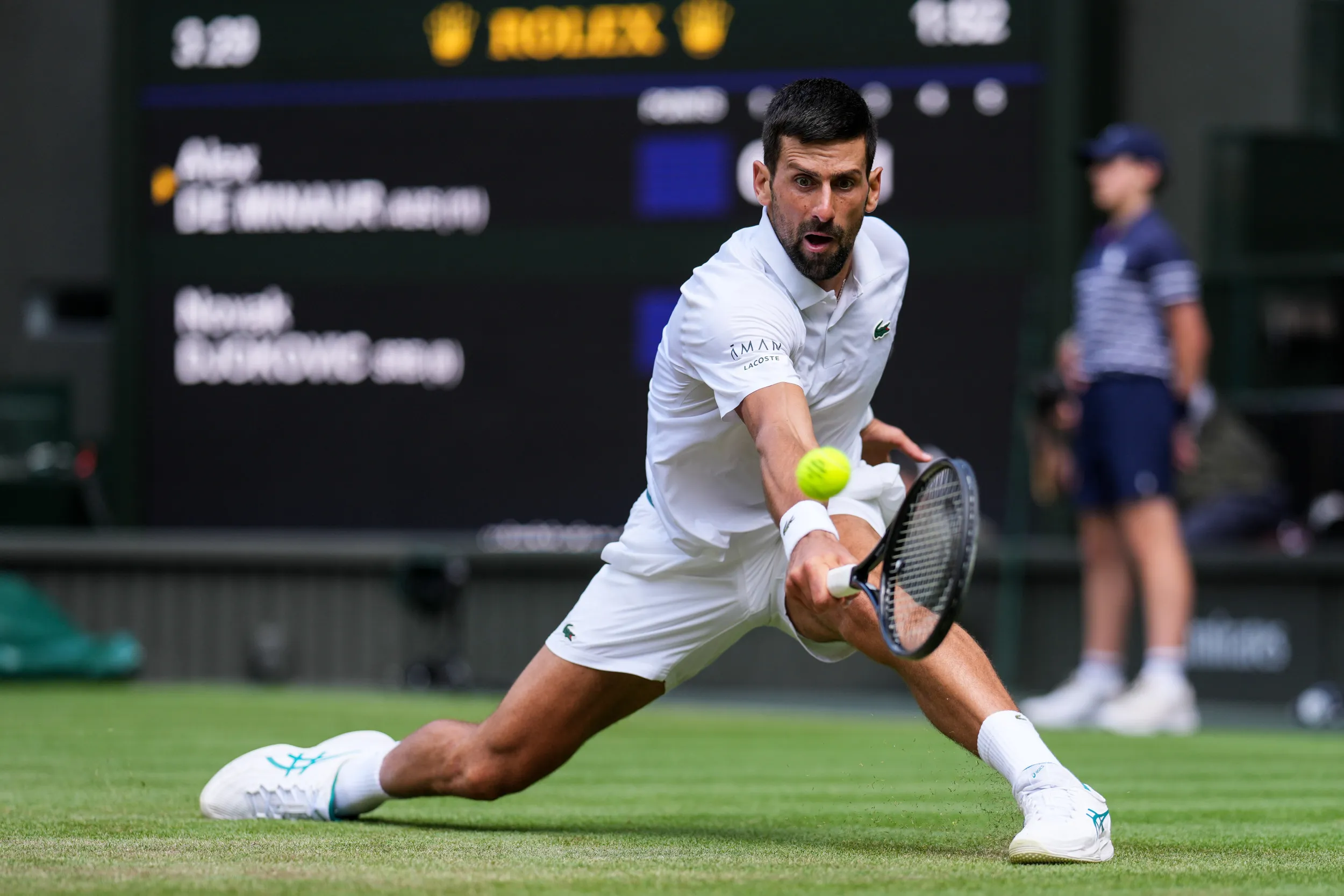
To truly understand why tennis players moan so much — and why Djokovic, in particular, cannot stop — one must delve deeper into the psychological, physiological, and cultural aspects of the sport. The sounds may appear as unnecessary theatrics to the casual fan, but the reality reveals a fascinating combination of biomechanics, mental focus, and even gamesmanship.
The Physical Demands Behind the Moans
Tennis is, at its core, a sport that pushes the human body to extremes. Players sprint, slide, twist, and swing with explosive power for hours at a time, often in searing heat or under crushing mental pressure. The act of moaning is not merely an emotional outburst but rather a natural byproduct of the body’s exertion. When an athlete strikes the ball, they engage nearly every muscle group, and the expulsion of air through a grunt or moan helps release tension and coordinate the kinetic chain of movement.
Sports scientists have frequently compared the practice to martial artists who shout or exhale loudly when throwing a punch. The noise is a physical aid, allowing players to synchronize their breathing with their movements, preventing them from holding their breath during strenuous effort. In tennis, where every stroke must be timed perfectly, such controlled exhalation can make the difference between hitting a winner and sending the ball into the net. For Djokovic, who relies heavily on consistency and elasticity in his movements, the vocal release acts as an anchor for his rhythm.
The Psychological Function of Grunting
Beyond the biomechanics, moaning serves a profound psychological function for tennis players. The sound creates a ritual that grounds them in the moment, sharpens their focus, and drowns out external distractions. With thousands of spectators watching and often cheering at crucial points, the ability to remain mentally centered is vital. The moan becomes a personal soundtrack, blocking noise from the crowd and channeling all energy into the next shot.
Djokovic has openly admitted throughout his career that maintaining concentration is one of his greatest challenges, especially in matches where momentum shifts quickly. His moans, then, are not merely instinctive but part of a carefully cultivated mental framework. They act as a shield against the pressures of the stage, ensuring he stays immersed in the rally. In many ways, his moaning reflects his identity as a mental warrior, someone who constantly seeks to master his inner landscape as much as he masters his opponents.
Gamesmanship or Necessity?
The debate, however, does not end there. For as long as moaning has existed in tennis, critics have accused players of using it as a form of gamesmanship. The argument is that loud, prolonged grunts can distract opponents, disrupting their timing and rhythm. Numerous controversies have erupted over the years, with some players demanding official intervention against excessively noisy rivals.
In Djokovic’s case, while his moans are rarely as piercing or drawn-out as those of Sharapova or Seles, they are consistent enough to raise questions about whether they carry a secondary purpose. Observers have noted that his vocalizations often grow louder during longer rallies or at critical points, suggesting that they may have a subtle impact on his rivals’ focus. Whether intentional or not, the moans have become part of his arsenal, blending necessity with psychological advantage. The truth likely lies somewhere in between: what begins as a tool for physical efficiency naturally evolves into a competitive edge.
Cultural Attitudes Toward Moaning in Tennis
The polarizing nature of moaning also reflects broader cultural attitudes within tennis. In traditional circles, the sport has long been associated with decorum, etiquette, and silence, where even the audience is expected to remain quiet during rallies. The introduction of loud grunts in the late 20th century clashed with these values, sparking debates about whether such sounds violated the “gentlemanly” spirit of the game.
For Djokovic, who emerged from Serbia onto a global stage dominated by Western traditions, the scrutiny around his moans has sometimes mirrored the scrutiny around his entire presence in tennis. His expressive style, fiery outbursts, and refusal to conform to conventional molds have often been polarizing. Thus, his moaning becomes not just a question of physiology but also of identity. To some fans, it is an authentic expression of his relentless drive; to others, it is an unnecessary breach of tennis tradition. This duality has only intensified his complex role as both an admired champion and a controversial figure.
The Role of Endurance and Novak Djokovic’s Unique Style
One cannot analyze Djokovic’s moaning without acknowledging his playing style, which is heavily centered on endurance and defense. Unlike players who dominate with short, explosive rallies, Djokovic thrives in grinding battles that demand extraordinary stamina. His ability to chase down balls, stretch rallies endlessly, and force opponents into submission is legendary. Such an approach inevitably amplifies the need for consistent breathing techniques and physical release.
Every moan from Djokovic is a reflection of the sheer effort he invests in each point. Unlike other players who may reserve their grunts for heavy groundstrokes or serves, Djokovic’s moans punctuate almost every rally, underscoring his commitment to survival on the court. In marathon matches, particularly those on clay or hard courts, these vocal expressions become almost rhythmic, signaling his capacity to endure when others falter. The moans, then, are not a weakness but a symbol of his tenacious resilience.
The Science of Perception: Why Fans Notice Djokovic’s Moaning More
Interestingly, not all moans are perceived equally. Research in sports psychology indicates that auditory perception is influenced by context, meaning that spectators may notice certain players’ sounds more than others depending on their visibility, reputation, or style of play. Djokovic, as a towering figure in the sport and a central rival to icons like Roger Federer and Rafael Nadal, naturally receives more scrutiny. His moans, therefore, are magnified by his status as a polarizing figure.
Moreover, the tonal quality of his vocalizations — lower and more guttural compared to Sharapova’s high-pitched shrieks — makes them distinct. Fans often describe them as less distracting yet more noticeable because they accompany nearly every shot. Thus, the real reason people discuss Djokovic’s moaning so much is not simply because it exists, but because it exists in the shadow of his extraordinary dominance and public visibility.
The Unspoken Bond Between Player and Moan
At a deeper level, the moan reflects an unspoken bond between a tennis player and their craft. Just as a painter may hum unconsciously while creating or a runner may breathe in a particular rhythm, athletes develop personal rituals that become inseparable from their performance. For Djokovic, moaning has become so ingrained in his muscle memory that stopping would be unnatural. It is not an affectation but an instinct, tied to his entire system of movement and focus.
In interviews, he has acknowledged that much of his training involves perfecting breathing techniques. While he rarely addresses the subject of moaning directly, his emphasis on breath control indicates that he sees it as fundamental to his success. In this sense, his moans are not just sounds of effort but echoes of his dedication to the smallest details of the game.
Conclusion: The Real Reason Novak Djokovic Can’t Stop
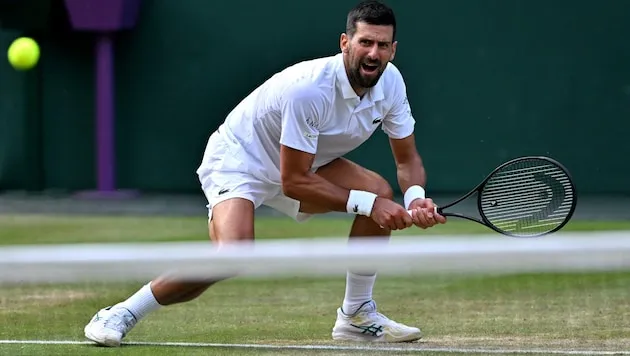
Ultimately, the question of why tennis players moan so much — and why Novak Djokovic cannot stop — reveals a multilayered truth. The sounds are a fusion of physiology, psychology, endurance, and culture, rooted in the very fabric of the sport. For Djokovic, the moans represent more than just vocal expressions; they are integral to his identity as a player who thrives on resilience, focus, and mastery of both body and mind.
While fans and critics may continue to debate whether the practice is distracting, unnecessary, or even unsportsmanlike, the reality is that moaning is inseparable from the intensity of professional tennis. For Djokovic, it is not a habit to be silenced but a testament to the relentless drive that has made him one of the greatest champions of all time. His moans are not mere sounds of fatigue but the audible heartbeat of his pursuit of perfection, resonating with every shot he strikes and every victory he claims.
Related News