Roger Federer’s Powerful Life Lesson: Talent Isn’t Just a Gift — It’s Grit, Patience, and Trusting the Process
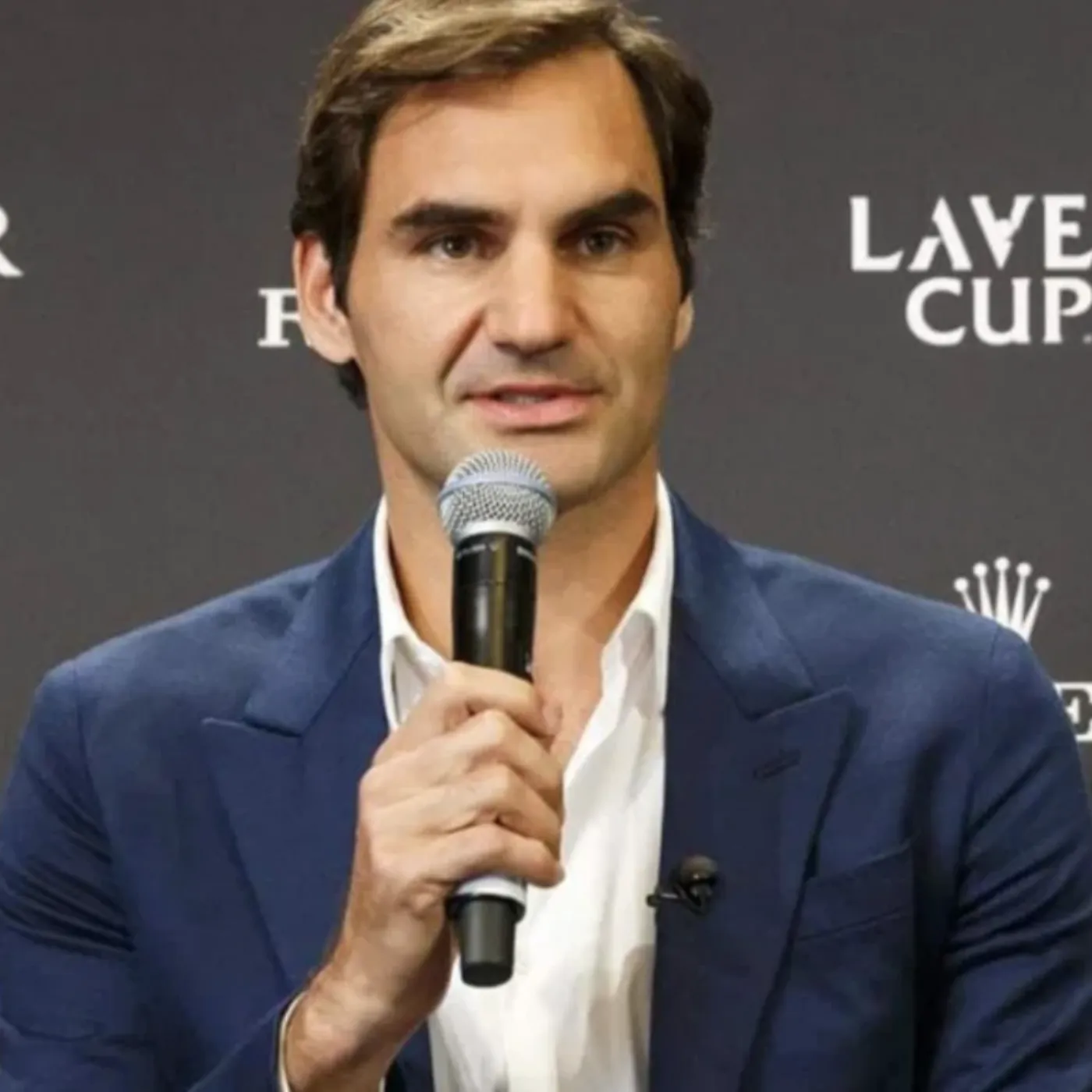
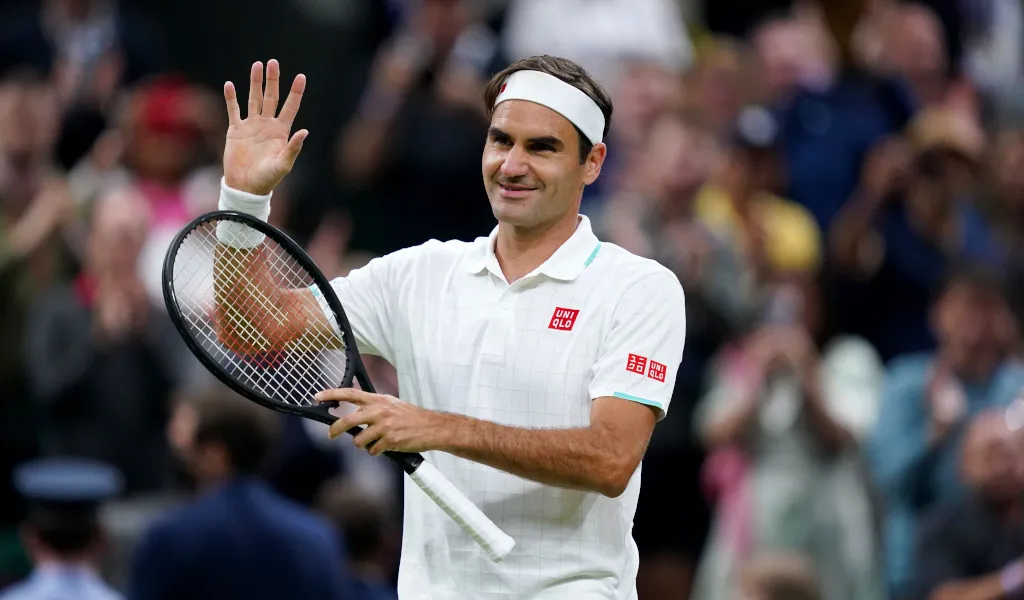
For two decades, Roger Federer has been celebrated not only as one of the greatest tennis players in history but also as a global icon whose story transcends the boundaries of sport. His graceful playing style, composed demeanor, and unparalleled success have earned him admiration from fans around the world. Yet beyond the trophies, records, and highlight reels lies a deeper narrative—a narrative that reveals his understanding that talent alone is never enough. Federer’s career, both its triumphs and its struggles, illustrates a profound truth: talent is not simply a gift; it is grit, patience, and trusting the process.
The Myth of Natural Talent
From the moment Federer appeared on the tennis scene as a young teenager from Basel, many observers were struck by his natural ability. His fluid strokes, impeccable timing, and effortless movement across the court created the impression of someone born with extraordinary gifts. Yet Federer himself has often emphasized that this image can be misleading. He has been candid about his youthful struggles, his volatile temperament, and the challenges he faced in transforming raw potential into consistent greatness. His story challenges the myth of natural talent by highlighting the unseen hours of practice, emotional growth, and perseverance that forged his career.
Federer’s early coaches recall a boy with immense skill but also with a fiery temper that sometimes overshadowed his ability. He would smash racquets, lose his composure, and let frustration control his performance. This part of his journey illustrates an essential truth: raw talent without discipline is fragile. What distinguishes Federer’s legacy is not just the elegance of his shots but the way he matured into a player who mastered his emotions, controlled his weaknesses, and built resilience.
Grit: The Hidden Ingredient of Federer’s Success
The word grit has become synonymous with perseverance, determination, and the willingness to persist despite setbacks. Federer embodies this quality in a way that few athletes can match. Throughout his career, he faced formidable rivals such as Rafael Nadal, Novak Djokovic, and Andy Murray, players who not only pushed him to the limit but also at times seemed to surpass him. Many athletes would have surrendered when younger challengers began dominating the sport. Federer, however, showed grit by adapting his game, working tirelessly with new coaches, and refining strategies that allowed him to remain competitive well into his thirties.
His resurgence in 2017, after battling injuries and enduring a five-year drought in Grand Slam victories, remains one of the most powerful illustrations of grit in modern sport. At an age when most players contemplate retirement, Federer returned to win the Australian Open and later reclaimed the Wimbledon title. These triumphs were not a product of talent alone but the fruit of years of persistence, trust in rehabilitation, and the courage to reinvent his game.
Grit is what allowed Federer to handle crushing defeats with grace. Losses in Wimbledon finals or heartbreaking matches against Nadal and Djokovic could have left scars, yet Federer used them as motivation. His example teaches us that talent is not defined by how easily one wins but by how one responds to setbacks.
Patience: The Quiet Force Behind the Champion
Another critical lesson from Federer’s journey is the power of patience. In a world that glorifies instant success, Federer’s career demonstrates that true excellence requires time. He often speaks about the importance of allowing progress to unfold at its own pace. As a teenager, his path was anything but smooth; there were moments when his inconsistency raised doubts about whether he could ever dominate the sport. Yet Federer trusted the process, learning to manage pressure and to improve gradually.
His patience is also visible in the way he constructed points on the court. Unlike players who rely solely on power, Federer displayed the art of waiting for the right moment, constructing rallies with foresight and strategy. This on-court patience mirrors his off-court philosophy: success comes not from rushing the process but from respecting the journey.
When injuries sidelined him, Federer again leaned on patience. The 2016 season was one of the lowest points of his career as he underwent knee surgery and missed major tournaments. For many, this would have been the end. Federer, however, waited, trusted his body’s recovery, and returned with renewed strength. His comeback was not an overnight miracle but the product of enduring faith in long-term growth.
Trusting the Process: A Lifelong Mindset
The phrase trusting the process has become a mantra for athletes and individuals striving toward ambitious goals, and Federer’s story exemplifies its truth. Behind every Wimbledon trophy and every standing ovation lies a process of relentless training, fine-tuning of techniques, and continuous mental development. Federer’s longevity in a physically demanding sport is proof of his commitment to that process.
What makes his story compelling is the way he embraced change. Over the years, he modified his racquet, adjusted his training routines, and worked with different coaches to sharpen aspects of his game. Each adjustment was part of a larger process, and he never hesitated to adapt if it meant long-term improvement. By trusting the process, Federer avoided complacency and stayed relevant in an era dominated by younger, more physical opponents.
Trusting the process also meant accepting that not every match or season would go according to plan. Federer openly admitted that he sometimes struggled with doubt, particularly after injuries or painful defeats. Yet his belief in the process gave him the strength to persist. His message to aspiring athletes and dreamers is clear: trust in the daily grind, the incremental progress, and the unseen work that builds greatness.
Federer’s Legacy Beyond Tennis
What makes Federer’s life lesson so universal is that it transcends the sport. His story speaks to anyone who has ever doubted their abilities, faced setbacks, or felt the weight of expectations. In a society often obsessed with shortcuts and overnight success, Federer reminds us that true talent is forged through persistence, patience, and unwavering trust in the journey.
He has inspired millions not only with his victories but with his demeanor. Federer’s grace in defeat, his humility despite unprecedented success, and his dedication to his family and charitable endeavors highlight that the process extends beyond the court. His foundation, which supports education in Africa and Switzerland, reflects the same values of patience and perseverance he lived by in tennis.
The Human Side of a Legend
Perhaps the most powerful part of Federer’s story is its human element. Behind the trophies and global fame lies a man who once doubted himself, who once lost his temper, and who had to learn to grow. His honesty about the challenges he faced makes his journey relatable. He teaches us that being great is not about being perfect but about learning, evolving, and never giving up.
In interviews, Federer often emphasizes that he still gets nervous before big matches and that doubt never fully disappears. This vulnerability is what makes his lessons so authentic. He shows us that even legends wrestle with the same emotions as everyone else, but what sets them apart is their decision to keep moving forward despite the fear.

Conclusion: The Lasting Lesson
Roger Federer’s legacy is not defined solely by numbers—20 Grand Slam titles, 310 weeks as world number one, or countless records that may eventually be broken. His true legacy lies in the lesson he embodies: talent is not a magical gift but the result of grit, patience, and trusting the process.
In the end, Federer’s greatness is not just about the way he struck a forehand or served an ace. It is about the way he lived his journey, teaching the world that true talent is earned through the quiet determination to keep going, the patience to wait for the right moment, and the faith to trust that the process will lead you where you are meant to be.
Related News