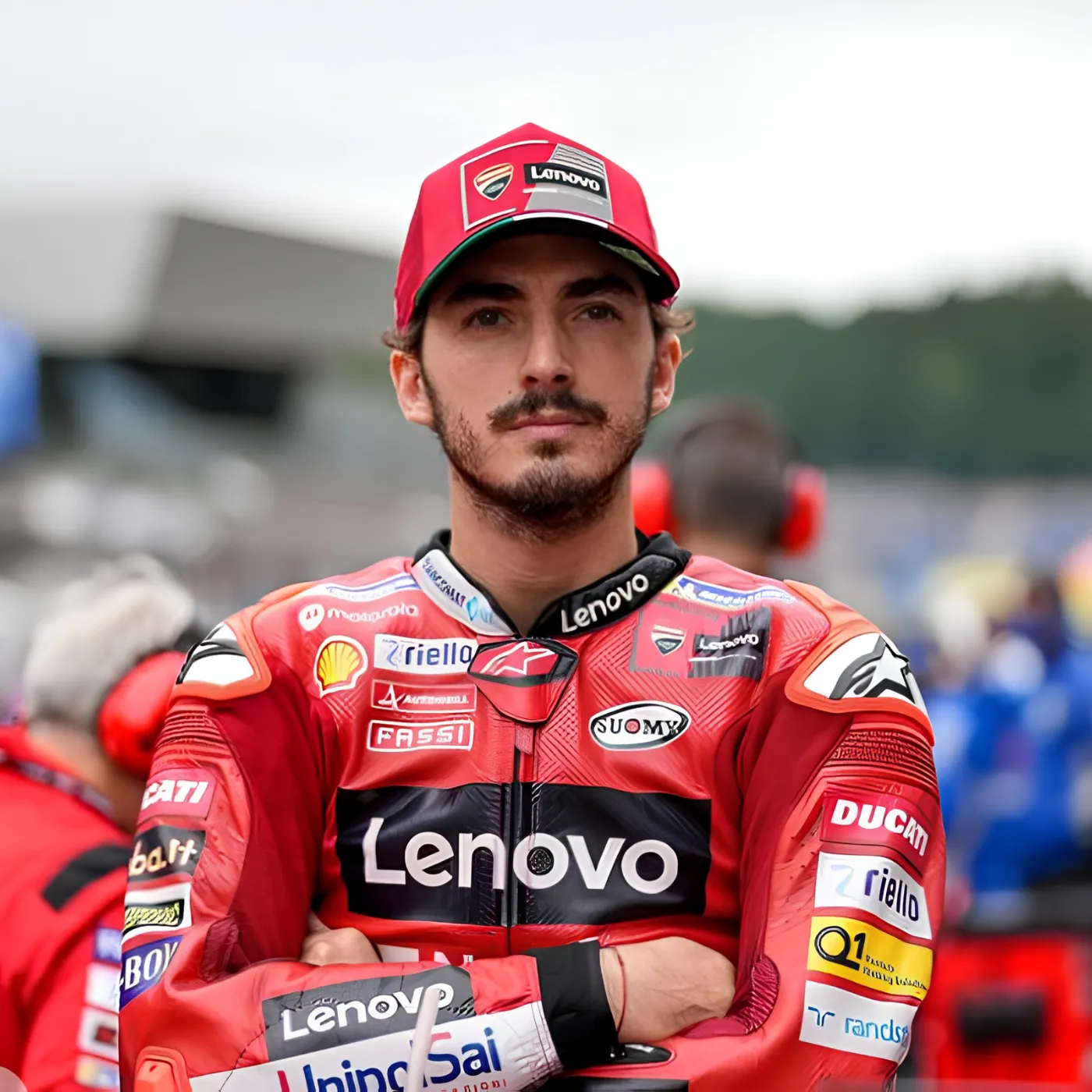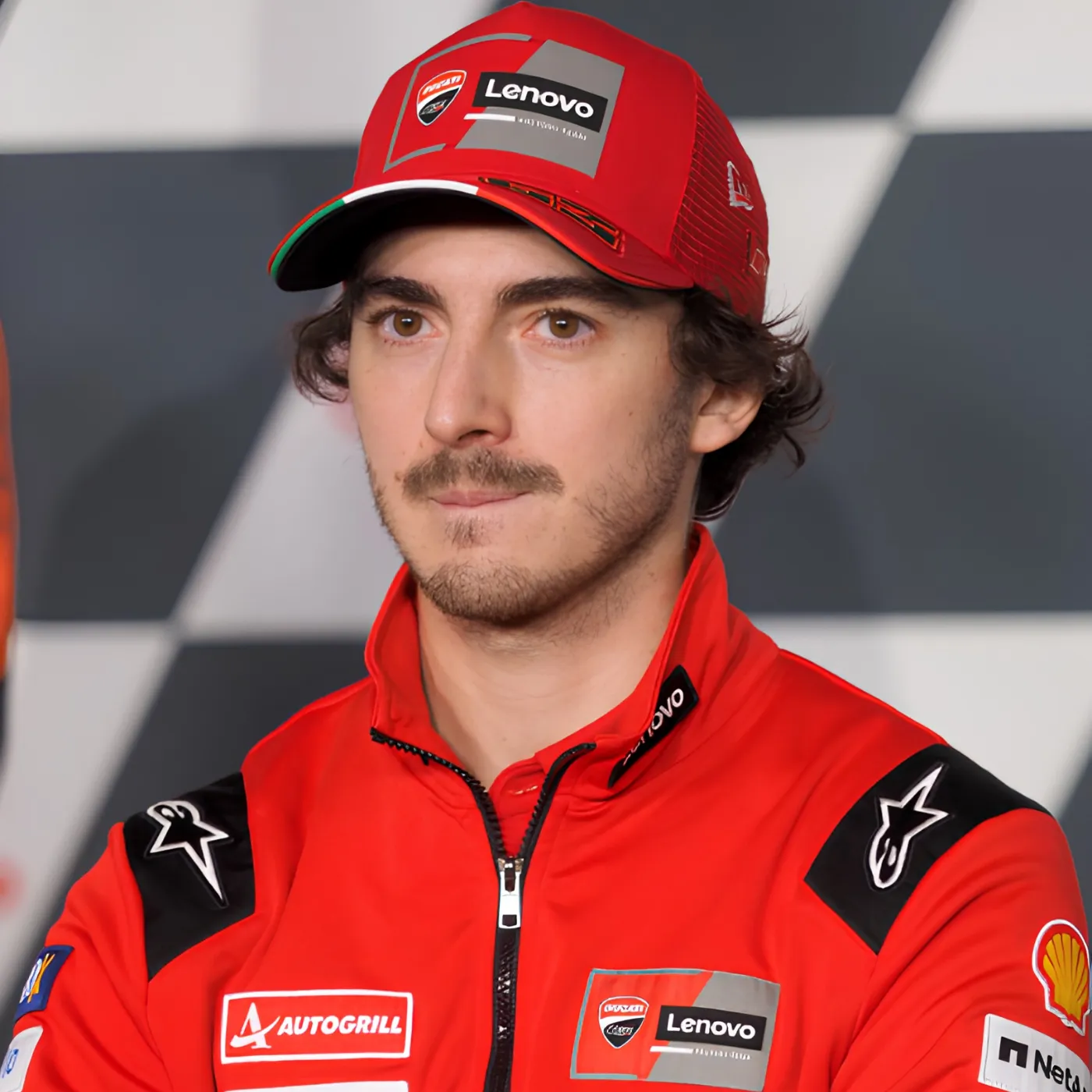







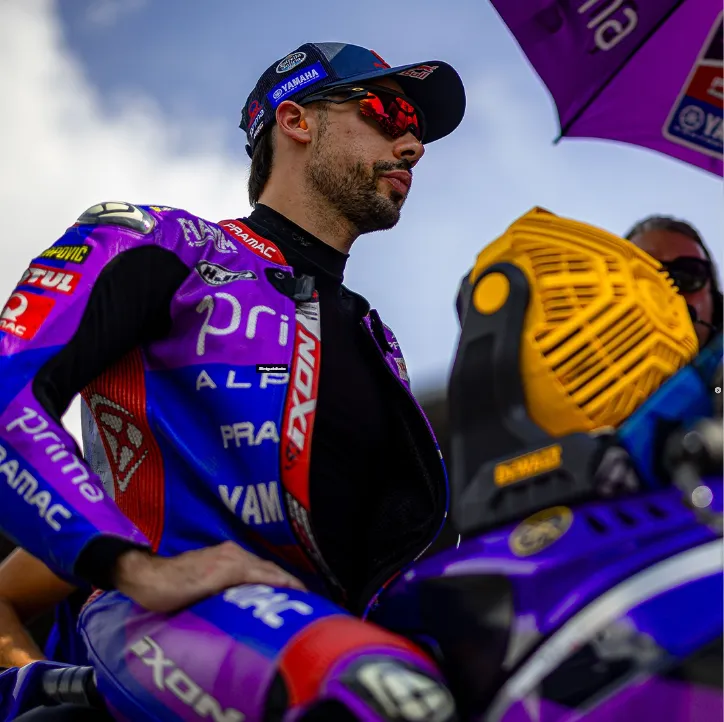
Miguel Oliveira finishes empty-handed in Austria, crossing the finish line last in disappointment.
The 2025 MotoGP season has been a rollercoaster for many riders, and Miguel Oliveira experienced one of the toughest weekends of his campaign at the Austrian Grand Prix. Racing for Pramac Yamaha, Oliveira crossed the line in 17th place, last among the finishers, leaving Spielberg without points and with growing concerns about Yamaha’s competitiveness. The Portuguese rider openly admitted his frustration after a race where mechanical limitations prevented him from showing his usual talent and fighting spirit.
A Weekend of Struggle from Start to Finish
The signs of difficulty were evident even before the lights went out on Sunday. Oliveira revealed that as early as the morning warm-up session, problems with the medium rear tire made it clear that the race would be a challenge. Instead of building confidence ahead of the main event, the session only reinforced his concerns.
“Since the warm-up with the medium rear tire, I understood it was going to be quite a difficult race,” Oliveira admitted after the checkered flag. That early feeling proved prophetic, as he struggled to keep pace once the race began. Throughout the 28 laps, Oliveira was unable to find enough rear grip or cornering support to execute his usual aggressive riding style, leaving him powerless against his rivals.
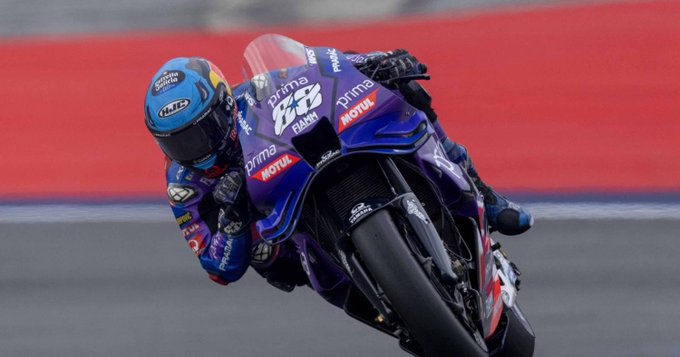
Yamaha’s Shared Struggles
One of the biggest talking points from Austria was not just Oliveira’s individual performance, but the broader struggles faced by all Yamaha riders on the grid. The factory team of Fabio Quartararo and Álex Rins, as well as Oliveira and his Pramac Yamaha teammate, were all battling the same recurring weaknesses.
Oliveira explained that the four Yamaha riders are affected in similar ways, despite their slightly different setups and riding techniques. “I think the four of us Yamaha riders all have our strengths and weaknesses in different parts of the track, but our struggles were quite similar,” he said. The lack of grip when accelerating out of corners and the inability to lean into turns with sufficient rear support meant Yamaha bikes were consistently losing time. On a track like Spielberg’s Red Bull Ring, where traction zones and quick corner exits are critical, those shortcomings became brutally obvious.
A Contrast to Oliveira’s Determination
What makes this result particularly frustrating for Oliveira is the contrast between his determination and the reality on track. Known for his ability to fight above the bike’s level in previous seasons, the Portuguese rider found himself completely limited by technical constraints this time. “It’s frustrating when you can’t do anything with your riding to be faster or to fight. It was really tough for me,” he admitted.
In past years, Oliveira has delivered remarkable rides even on underperforming machinery, but at Spielberg, the gap was simply too big. No matter how late he braked or how aggressively he tried to accelerate, the Yamaha lacked the balance and grip to stay competitive against Ducati, KTM, and Aprilia machines that thrived on Austria’s stop-and-go layout.
The Growing Gap to Rivals
Oliveira’s 17th-place finish highlights a bigger issue for Yamaha in 2025. While Ducati continues to dominate with overwhelming power and balance, KTM is showing consistent progress, and Aprilia has managed to build on its strong 2024 foundation. Meanwhile, Yamaha remains stuck in a development cycle that is not delivering the results riders desperately need.
The Red Bull Ring in Austria has historically been a difficult circuit for Yamaha due to its long straights and heavy acceleration zones. However, finishing at the very back of the field underscores that the gap is not only track-specific—it’s systemic. Even in corners, traditionally Yamaha’s strong suit, riders like Oliveira found themselves lacking the necessary support from the rear end of the bike to carry speed.
Oliveira’s Season in Perspective
The Austrian Grand Prix was not just a one-off disappointment but another tough chapter in what has been a challenging season for Miguel Oliveira. After moving to Pramac Yamaha this year, expectations were high that he could help guide development and bring his experience to the project. However, results so far have been inconsistent, with flashes of competitive pace overshadowed by weekends like Austria where Yamaha’s limitations are brutally exposed.
Despite these difficulties, Oliveira has remained a key figure in Yamaha’s development strategy. His feedback is considered valuable, as he has experience with different manufacturers and can provide comparisons that highlight where Yamaha needs to improve. His comments after Austria—focusing on traction and rear support—are likely to play an important role in guiding the factory’s next technical steps.
What Needs to Change for Yamaha
The Austrian Grand Prix once again highlighted Yamaha’s two biggest weaknesses: acceleration and rear grip. Without strong drive out of corners, the riders are consistently losing time on exits, making them vulnerable down the straights. Additionally, the lack of rear stability when leaning into corners prevents riders from carrying the corner speed that once defined Yamaha’s style.
Engine power upgrades alone are not enough; the bike requires a holistic redesign that balances power delivery with chassis support. Engineers will also need to consider how to improve rear tire management, especially as rivals like Ducati and KTM are excelling in that area. For Oliveira, who is known for his ability to adapt, it is particularly frustrating to know that his skillset is being limited by machinery that cannot match his ambition.
Looking Ahead After Austria
Leaving Austria with zero points is a bitter pill to swallow, but Oliveira and Yamaha cannot dwell on the disappointment for long. The MotoGP calendar is relentless, and upcoming races will provide fresh opportunities to regroup. Circuits that favor cornering speed over straight-line power may offer Yamaha a better chance to compete, but long-term solutions are needed if the team is to return to fighting for podiums.
Oliveira, for his part, remains committed to the project. While his words in Austria carried frustration, they also showed a rider determined to push Yamaha forward. He knows that development is a long process and that both the factory and satellite teams must work together to overcome the challenges.
Conclusion
The 2025 Austrian Grand Prix was a weekend to forget for Miguel Oliveira and Pramac Yamaha, as the Portuguese rider crossed the finish line in 17th place, last among the finishers. From warm-up to the checkered flag, Oliveira struggled with rear grip and cornering limitations that left him unable to fight. His disappointment reflects not only his personal ambitions but also the broader issues Yamaha is facing in MotoGP.
For Oliveira, the challenge now is to keep pushing, provide clear feedback, and hope that Yamaha can respond quickly with the improvements needed. For fans, his determination and honesty continue to make him one of the most respected riders on the grid. But until Yamaha finds answers, Oliveira’s weekends may continue to be defined more by frustration than by the brilliant performances he is capable of delivering.
Related News