






Francisco Lindor’s Struggles Intensify — And Whispers Grow About His Role in the Mets’ Turmoil
The Weight of Expectations Crushing Queens’ Golden Boy
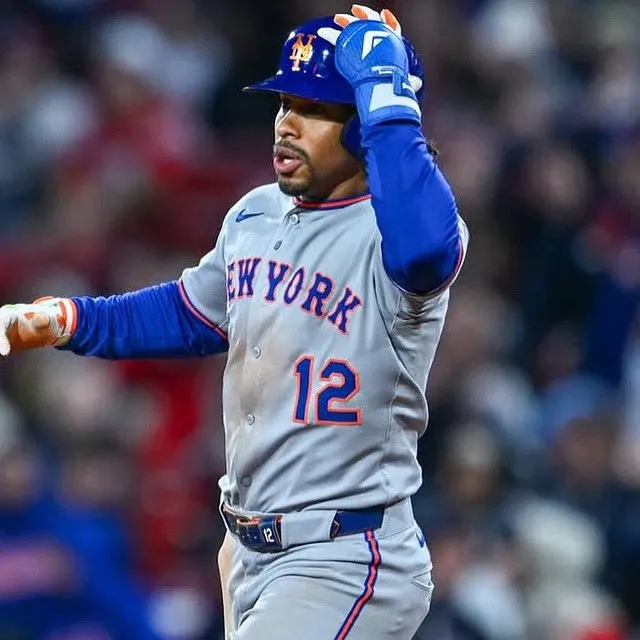
The bright lights of Citi Field have never felt dimmer for Francisco Lindor, and the echoes of disappointment from Mets fans grow louder with each passing game. What was supposed to be a triumphant chapter in Queens has instead become a cautionary tale about the pressures of massive contracts and the unforgiving nature of New York baseball. The four-time All-Star shortstop, who signed a $341 million extension in 2021, finds himself at the center of mounting criticism as the Mets continue to underperform despite their substantial payroll investments.
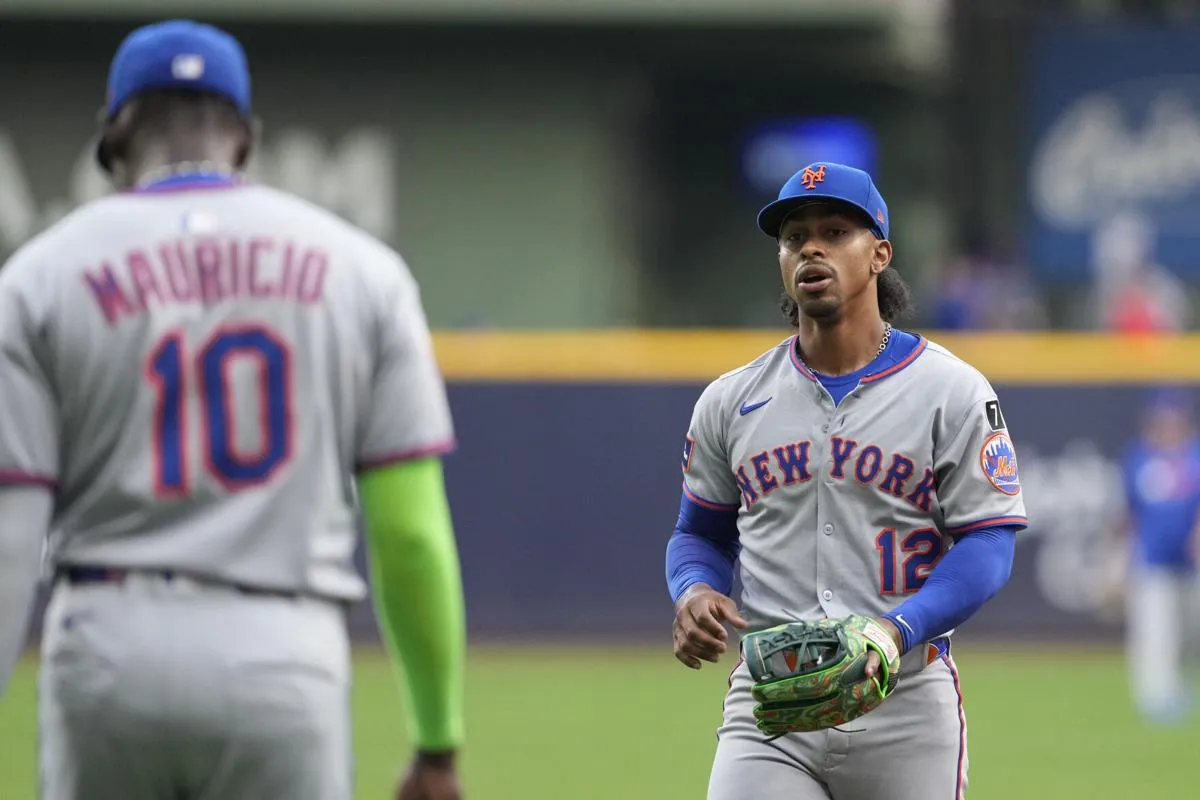
The whispers that once confined themselves to the darkest corners of sports bars and online forums have now spilled into mainstream media coverage. Questions about Lindor’s leadership capabilities, his ability to perform under pressure, and most damaging of all, whether his presence has become a toxic influence in the clubhouse, are no longer taboo subjects. These conversations represent a dramatic shift from the euphoria that surrounded his arrival from Cleveland, when he was heralded as the missing piece that would finally deliver a championship to Queens.
Statistical Decline Tells a Troubling Story
The numbers paint a concerning picture for a player who commands one of the largest salaries in baseball. Lindor’s offensive production has experienced significant regression across multiple key metrics, with his batting average hovering well below career norms and his power numbers failing to justify his astronomical contract. More troubling than the raw statistics, however, is the timing of his struggles, which seem to coincide with the team’s most crucial moments.
His clutch performance, once a hallmark of his game in Cleveland, has virtually disappeared in a Mets uniform. The shortstop’s ability to deliver in high-leverage situations has been replaced by strikeouts and weak contact, leaving runners stranded and fans frustrated. This decline in situational hitting has become particularly pronounced with runners in scoring position, where Lindor’s inability to drive in runs has cost the team countless opportunities to build momentum or break open close games.
Defense, traditionally Lindor’s calling card, has also shown signs of erosion. His fielding percentage remains respectable, but the eye test reveals a player who appears less confident in his decision-making and slower to react to challenging plays. The fluid athleticism that made him a Gold Glove winner seems diminished, replaced by mechanical movements that suggest either physical decline or mental fatigue affecting his natural instincts.
The Chemistry Problem in the Clubhouse
Perhaps more damaging than his individual struggles are the persistent rumors about clubhouse dynamics and Lindor’s role as a veteran leader. Multiple sources close to the organization have suggested that the shortstop’s approach to leadership has created friction with both younger players and established veterans. His attempts to assert himself as the team’s vocal leader have reportedly fallen flat, with some players questioning whether his words carry weight given his on-field struggles.
The contrast with his Cleveland tenure is stark and telling. In Ohio, Lindor was beloved by teammates who praised his positive energy and infectious enthusiasm. That same energy now appears forced and inauthentic to some Mets players, who view his constant encouragement as hollow given the team’s continued failures. This shift in perception has created a dangerous dynamic where the player with the largest contract and theoretically the most influence has become isolated from his teammates.
Former Mets personnel, speaking on condition of anonymity, have described a player who seems overwhelmed by the expectations and pressure that come with being the face of the franchise. The weight of the $341 million contract appears to have fundamentally changed Lindor’s approach to the game, transforming a naturally confident player into someone who overthinks every at-bat and second-guesses decisions that once came instinctively.
Media Scrutiny and Fan Frustration Reach Breaking Point
The New York media landscape has never been kind to underperforming stars, and Lindor has found himself increasingly in the crosshairs of aggressive sports journalism. Daily coverage now focuses as much on his body language and post-game comments as his actual performance, creating a feedback loop of negativity that seems to further impact his confidence. The shortstop’s interactions with reporters have become noticeably more guarded, suggesting an awareness that every word will be scrutinized and potentially used against him.
Mets fans, known for their passion and loyalty, have begun to turn their frustration toward their highest-paid player. The fan sentiment has shifted dramatically from the optimism that greeted his contract extension to open hostility during home games. Boos now greet his at-bats with increasing frequency, and social media criticism has become relentless and personal. This toxic relationship between player and fanbase creates additional pressure that compounds his on-field struggles.
The timing of this fan revolt is particularly damaging because it coincides with the team’s playoff aspirations. Rather than rallying around their star player during a crucial stretch of the season, the fanbase has made Lindor a scapegoat for the organization’s broader failures. This dynamic makes it nearly impossible for him to find the mental peace necessary to rediscover his best form.
Management’s Dilemma and Future Implications
Team management finds itself in an increasingly difficult position regarding their investment in Lindor. The front office publicly continues to express confidence in their shortstop, but privately, concerns mount about the long-term implications of his struggles. With eight years remaining on his contract, the organization faces the prospect of being tied to an underperforming player well into the future.
The financial implications of Lindor’s decline extend beyond his individual salary. His struggles have made it more difficult for the team to attract other free agents, who question whether the organizational culture can support star players. Additionally, his poor performance has made trades involving him virtually impossible, as no other team would willingly absorb such a massive contract for a player showing significant decline.
Management’s attempts to support Lindor through coaching changes and sports psychology consultation have yielded minimal results, suggesting that his problems may be more fundamental than initially believed. The organization now faces the uncomfortable reality that their marquee signing may have been a costly mistake that will handicap their competitiveness for years to come.
The Path Forward Remains Unclear
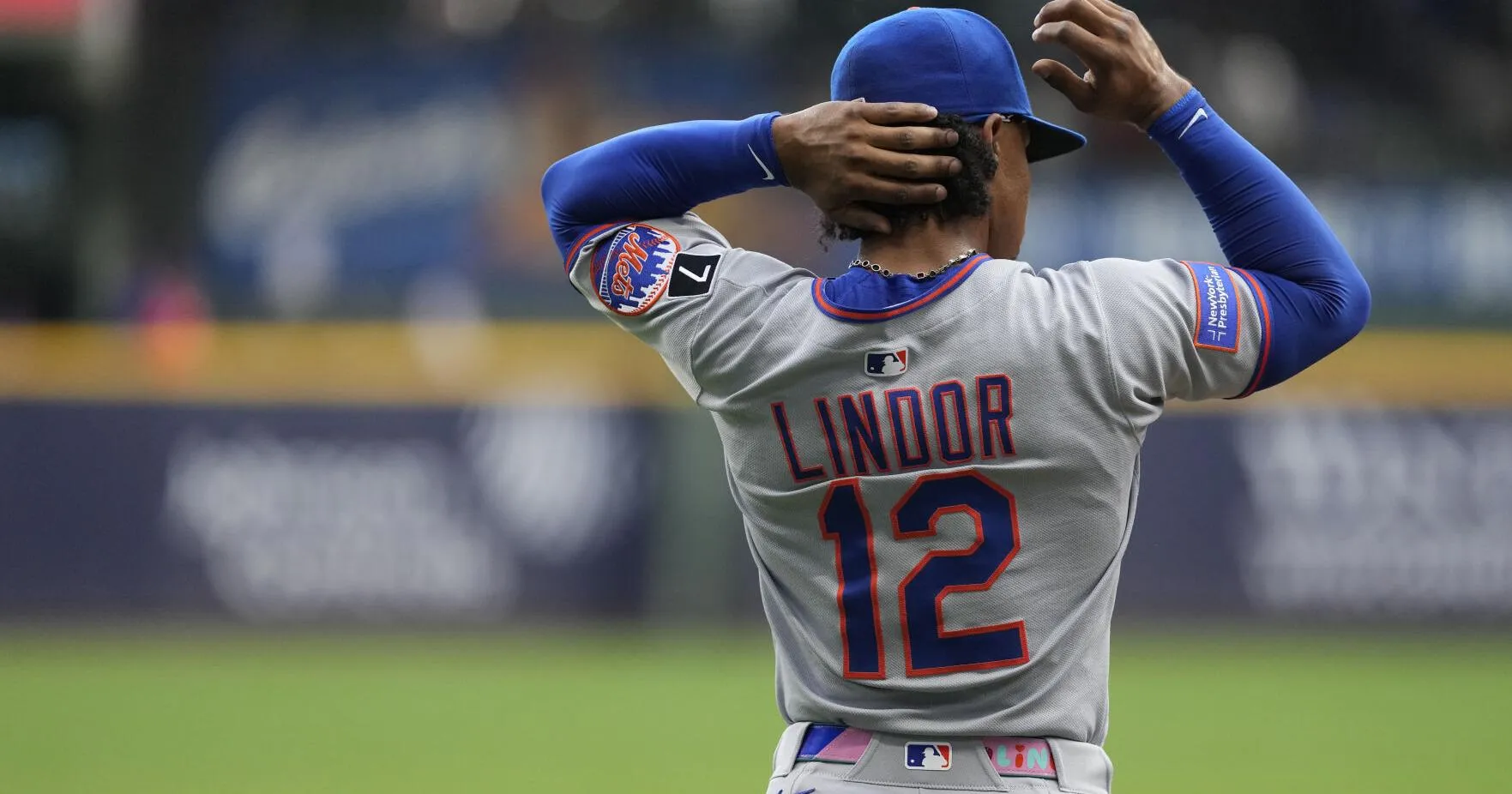
As the Mets navigate the remainder of what has become another disappointing season, the question of Lindor’s future role looms large. His struggles have intensified rather than improved with time, and the whispers about clubhouse turmoil show no signs of subsiding. The organization must decide whether to continue building around a player whose best days may be behind him or acknowledge that a change in approach is necessary.
The coming offseason will be critical for both Lindor and the Mets organization. Without significant improvement in both performance and leadership, the shortstop risks becoming a permanent symbol of the franchise’s inability to maximize its considerable financial resources. For a player who once seemed destined for Cooperstown, the current trajectory represents not just individual failure, but a cautionary tale about the unpredictable nature of baseball success and the crushing weight of expectations in the game’s most demanding market.