







Mark Zuckerberg’s Original Plan for Facebook Will Shock You
It’s almost impossible to imagine a world without Facebook. The blue-and-white app has infiltrated every corner of our daily lives — from the moment we wake up and check our feeds, to the late-night scroll we promise ourselves will last “just five minutes.” But behind the algorithms, viral videos, and endless stream of memes lies a story that is both raw and ruthless.
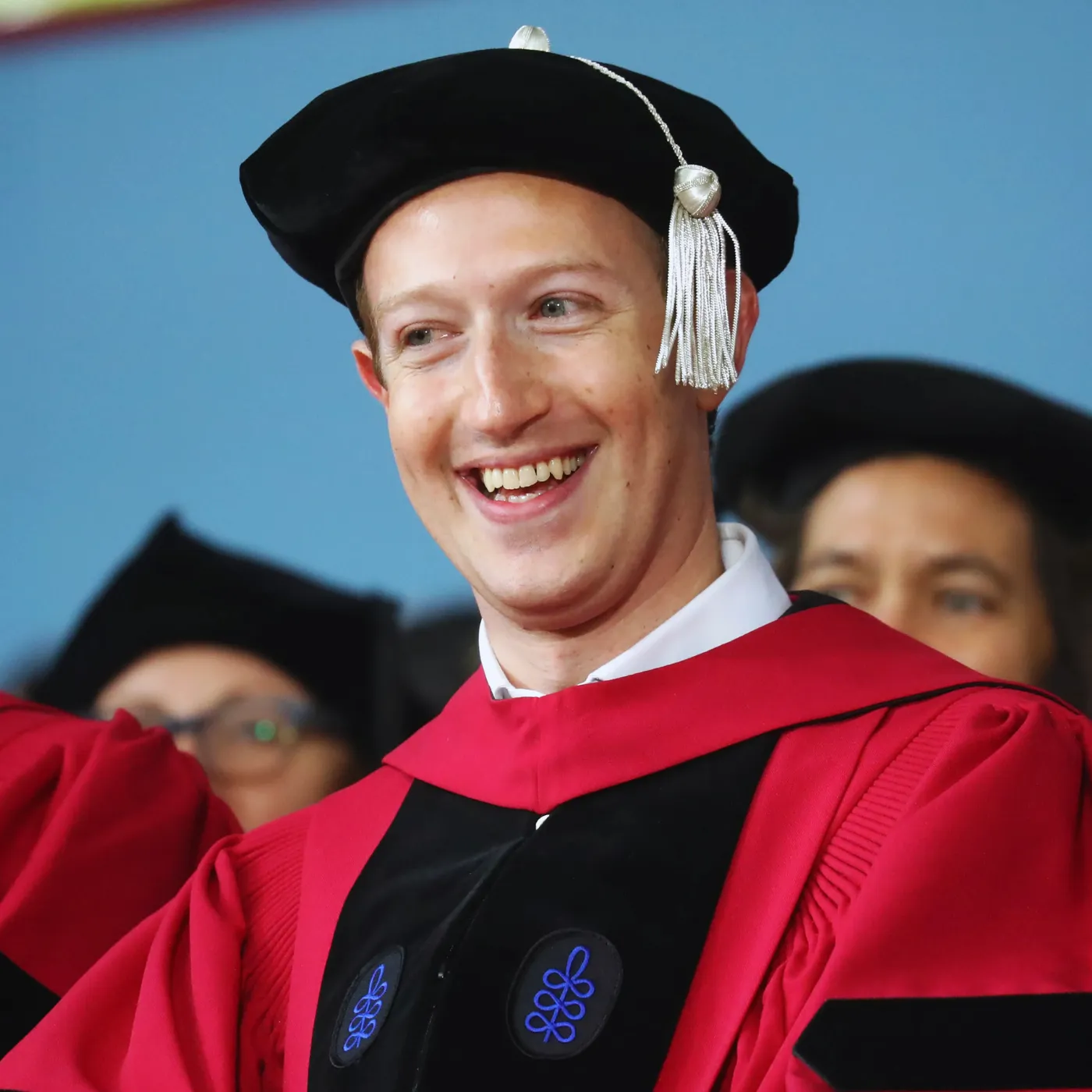
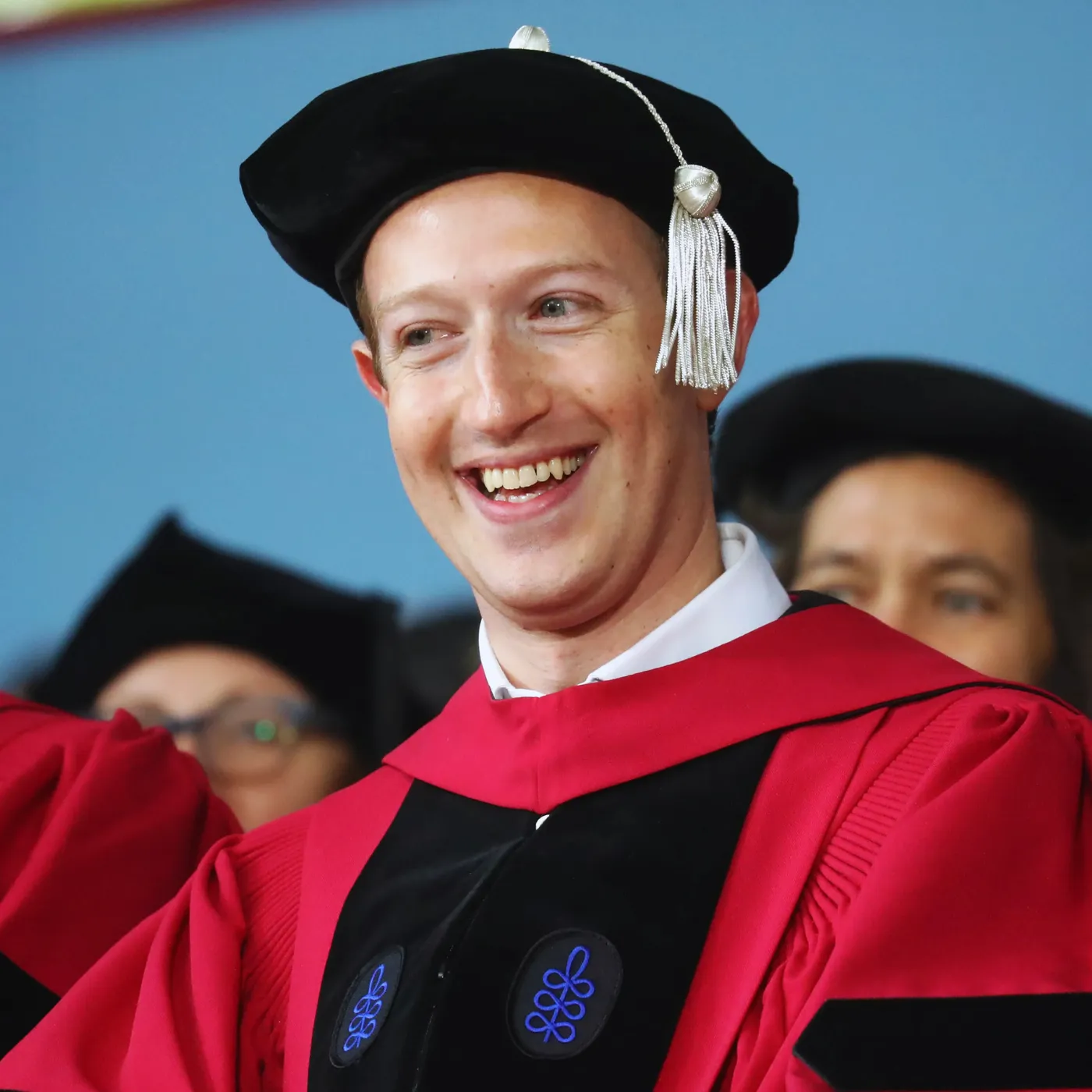
This is the real story of how Mark Zuckerberg, a Harvard sophomore with a knack for code and an appetite for control, transformed a cramped dorm room project into a global tech empire that now shapes conversations, influences elections, and quite literally rewires the way humans interact.
The Birth of “TheFacebook” in a Harvard Dorm
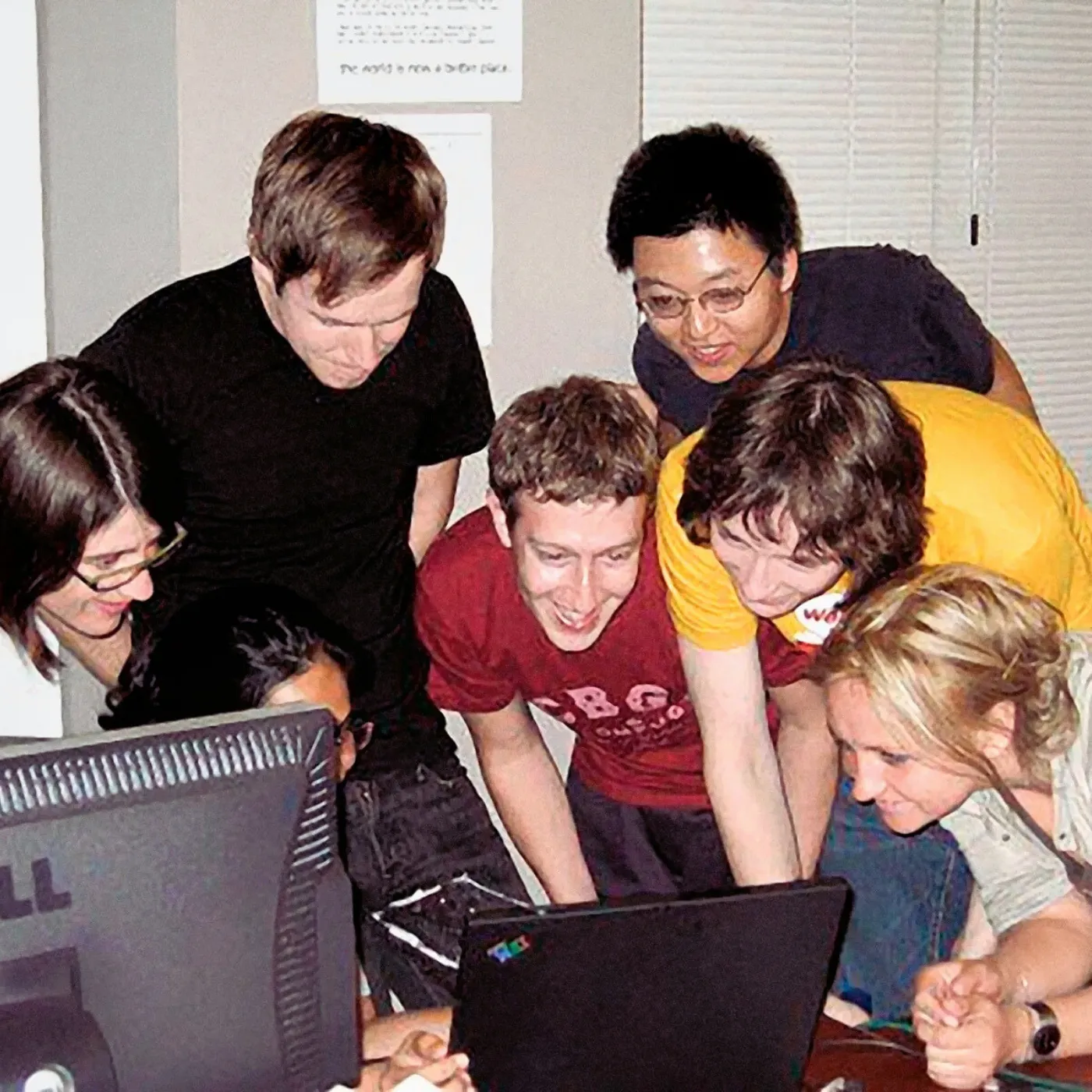
The year was 2004. In a tiny Harvard dorm room, Mark Zuckerberg sat hunched over his computer, eyes locked on a flickering screen. The air was thick with the smell of instant ramen and the faint hum of outdated dorm heating. Outside, snow blanketed the Cambridge campus — but inside, something much hotter was brewing.
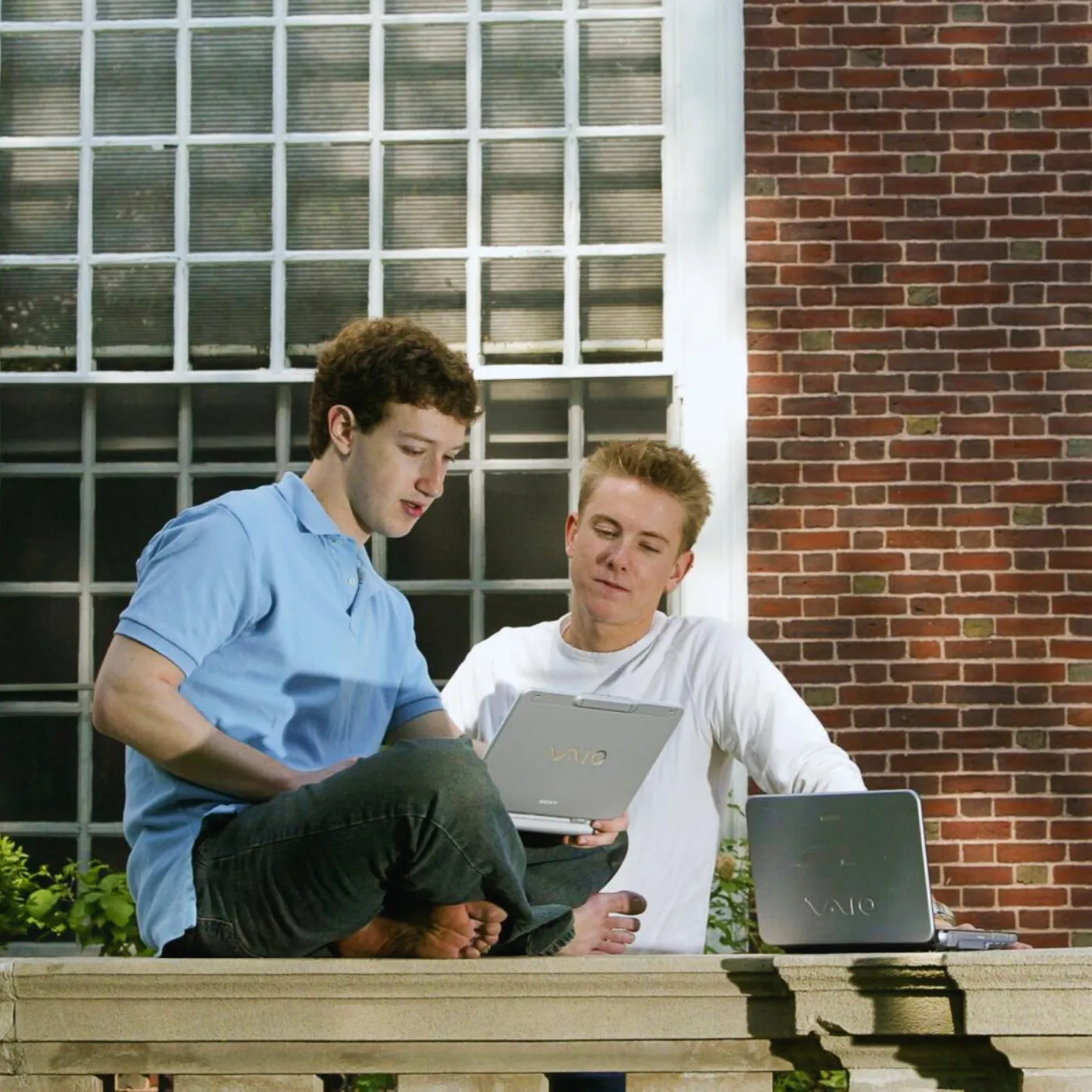
Zuckerberg’s vision was deceptively simple: create an online directory that allowed Harvard students to connect, share photos, and exchange messages. At the time, most college students’ social lives revolved around campus parties, study groups, and clunky instant messaging apps. But Zuckerberg wanted something bigger — something centralized, exclusive, and impossible to ignore.
And so, “TheFacebook” was born.
What started as a Harvard-only network spread like wildfire to other Ivy League schools, then to universities across the United States. Within months, the project outgrew the confines of the dorm and demanded bigger servers, more funding, and — whether Zuckerberg realized it or not — a more cutthroat business strategy.
The Expansion: From Campus Fame to Global Reach
When the doors of TheFacebook opened beyond Harvard, it was no longer just a quirky college experiment. It became a cultural tidal wave. Students in California were suddenly “friending” students in New York. The concept of a “profile picture” went from a novelty to a necessity.
By late 2004, venture capitalists had noticed. Money began pouring in. The company dropped the “The” from its name, and Facebook was officially born.
This is where Zuckerberg’s transformation truly began. He was no longer just a code-writing prodigy in a hoodie — he was a founder in the middle of Silicon Valley’s most competitive ecosystem. Every move he made would be scrutinized, imitated, and sometimes resented.
The Ruthless Drive Behind the Screen
Zuckerberg’s rise wasn’t a fairy tale of luck and timing. It was a story of relentless ambition — and, according to some former insiders, an unapologetically competitive streak that left no room for hesitation.
From the earliest days, Zuckerberg demonstrated an almost surgical focus on user growth. Every feature, every update, every algorithm tweak was designed to keep people on the platform longer.
Industry analysts call it the “attention economy” — the idea that our time and focus are the most valuable commodities online. Facebook mastered this game. Notifications became dopamine triggers. The News Feed became a personalized, never-ending scroll. And Zuckerberg’s data-driven decisions made sure you never really wanted to leave.
The Cultural Earthquake
By the late 2000s, Facebook wasn’t just an app — it was a cultural phenomenon.
The way we interacted, celebrated milestones, or even ended relationships had shifted. Events were planned on Facebook. Friendships were maintained through “likes” and “pokes.” Birthdays became public spectacles. And yes, drama became more visible than ever.
Facebook turned social life into a stage. Your profile was your brand. Your photos, your posts, your friend list — all carefully curated for public consumption.
But with this came the dark side: oversharing, comparison culture, and a growing addiction to validation through likes and comments.
The Algorithm That Knows You Better Than You Know Yourself
If there’s one thing Facebook perfected, it’s the art of knowing what you want before you do.
The company’s algorithms don’t just show you posts from friends; they anticipate which ones you’ll click, comment on, or share — and they amplify them. This is how the platform keeps you engaged for hours without realizing it.
Some critics call it manipulation. Zuckerberg calls it optimization. Either way, it works.
Facebook’s algorithm has been accused of pushing viral outrage, emotional content, and controversial stories because they keep users scrolling. And in the race for attention, controversy often wins.
The Controversies That Kept Facebook in Headlines
Facebook’s journey has been anything but smooth.
Over the years, the company has faced waves of criticism — from privacy concerns to its handling of misinformation. Each controversy sparks debate: Is Facebook simply a mirror reflecting society’s flaws, or is it actively shaping them?
While Zuckerberg has faced heated questioning from governments, tech experts, and even former employees, one thing is clear — Facebook always bounces back. The scandals, it seems, only make the platform more unavoidable.
The Billionaire Persona
Today, Zuckerberg is one of the most recognizable figures in tech. His signature hoodie, understated demeanor, and methodical speech have become part of the mythos surrounding his leadership.
But behind the image is a strategist who has played the long game better than almost anyone in Silicon Valley. While competitors burn bright and fade fast, Zuckerberg has kept Facebook — now under the umbrella of Meta — not just relevant, but dominant.
The Facebook Effect
Whether you love it or hate it, Facebook has changed everything. It has reshaped communication, marketing, politics, and even how we remember our past (thanks to those “On This Day” memories).
It’s also become a time capsule of the 21st century — a living record of what people cared about, argued over, and celebrated.
The Future: From Social Network to Digital Universe
As Zuckerberg pushes into the metaverse, the dorm room origins of Facebook feel almost quaint. But those early days are still the foundation of everything the company has built.
The same obsession with connectivity, the same drive for dominance, the same belief that the next big thing is just one line of code away — these are the forces propelling Facebook into its next chapter.
Final Word: Mark Zuckerberg’s journey from a cramped Harvard dorm to the top of the tech world isn’t just a business success story. It’s a blueprint for the power — and danger — of a single idea executed with relentless precision.
Because in the end, Facebook didn’t just connect the world. It rewired it.