1526 Matches, 0 Retirements — The Incredible Streak That Proves Roger Federer’s Legendary Mentality
When the history of tennis is written, certain numbers will always carry a mythical weight — 20 Grand Slam titles, 310 weeks as World No. 1, and of course, the jaw-dropping record of 1526 matches without a single retirement. This incredible statistic doesn’t simply illustrate Roger Federer’s physical durability; it is a living testament to his mental resilience, sportsmanship, and unshakable respect for the sport he mastered. For over two decades, Federer stepped onto the court time and time again, not once walking away mid-match — an achievement that seems almost impossible in today’s physically demanding era.
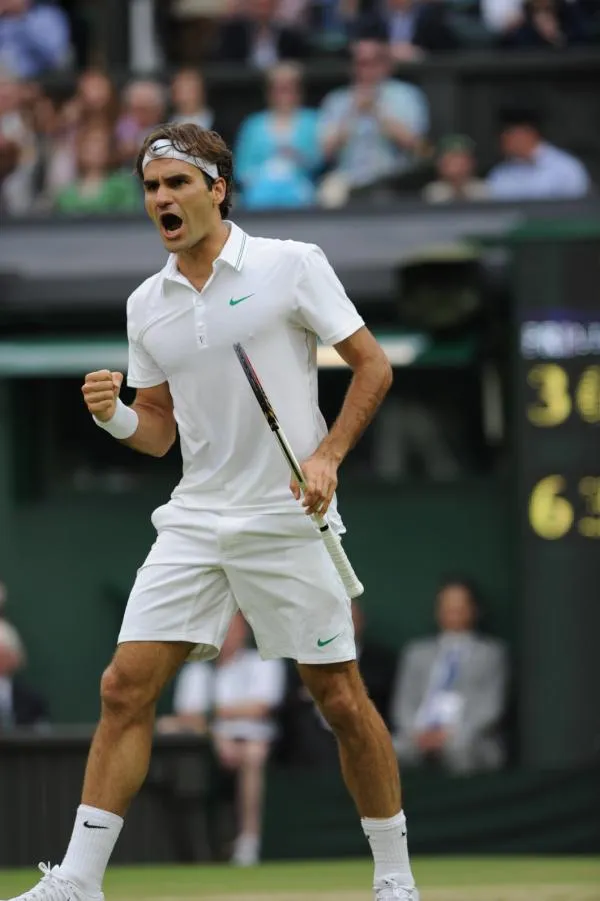
The sheer longevity of this record demands more than just admiration. It invites us to examine the mental, emotional, and physical attributes that allowed Federer to accomplish what no one else has done in modern tennis. In a career spanning more than two decades, facing countless injuries, grueling five-set battles, and younger, hungrier opponents, Federer’s legendary mentality shone brightest in his refusal to ever quit once a match had begun.
The Mental Toughness Behind the Streak
While Federer’s silky forehand and elegant footwork have long been celebrated, it is his mental toughness that underpins this streak. For Federer, stepping onto the court wasn’t just about chasing victories; it was about honoring the commitment to compete until the last ball. Many players, when faced with injury mid-match, have opted to retire to avoid aggravating the problem. Federer, however, carried a different philosophy — that the moment you start a match, you owe it to your opponent, the fans, and yourself to finish it.
Even in moments of physical struggle, Federer found ways to adapt. If his movement was compromised, he relied on shorter points, more aggressive net play, or clever shot selection. This tactical flexibility allowed him to protect his body while still giving himself a fighting chance. But it wasn’t just strategy — it was pride. Federer’s belief in giving everything he had until the handshake at the net is what separated him from so many of his contemporaries.
Navigating the Physical Toll
Over 1526 matches, Federer faced the inevitable wear and tear that comes with professional sport. The human body, especially in tennis, is vulnerable to sudden injuries — a twisted ankle, a strained muscle, or back spasms can derail even the most prepared athlete. Yet Federer avoided mid-match retirements not because he was immune to pain, but because he knew how to manage it.
Federer was meticulous in his preparation. His training regimen wasn’t just about building power; it was about preserving longevity. He focused heavily on flexibility, core strength, and recovery protocols. Ice baths, physiotherapy sessions, and a disciplined schedule all played their role. Moreover, his ability to pace his calendar — choosing the right tournaments and avoiding over-scheduling — meant he rarely entered matches in a fatigued or overtrained state.
This careful balance allowed him to maintain his form deep into his thirties, competing at a level that kept him at the top of the game while still respecting the physical demands his body faced.
The Role of Sportsmanship
Federer’s streak is as much about sportsmanship as it is about endurance. In tennis, retiring mid-match is sometimes unavoidable, but it can also be a source of frustration for opponents and fans who have invested in the contest. Federer understood the unwritten code — to finish what you start. His refusal to retire during a match wasn’t an act of stubbornness; it was a reflection of his belief in the integrity of competition.
For the fans, Federer’s presence guaranteed a full performance. For opponents, it meant they always faced a competitor who would battle until the final point, regardless of the scoreline or circumstances. This reliability built a deep respect among his peers. Even in defeat, Federer’s dignity remained intact, and this consistency only enhanced his legacy as a true ambassador of the sport.
Moments When the Streak Was Tested
There were countless matches where Federer could have — and perhaps should have — walked away. The 2012 Wimbledon quarterfinal against Mikhail Youzhny saw him visibly struggling with a back injury, yet he adapted his game, served with precision, and finished the match. In the 2017 Australian Open semifinal against Stan Wawrinka, he experienced a leg issue, disappearing off-court for treatment, but returned to complete and win the battle.
These moments weren’t just demonstrations of physical resilience; they were acts of mental defiance. Federer’s decision to push through discomfort often resulted in remarkable comebacks and victories, but even in matches he lost, he refused to surrender prematurely. His fans knew that as long as Federer was on the court, the match wasn’t over.
A Contrast to Modern Trends
In today’s tennis landscape, retirements during matches are more common, often due to the increasingly physical style of play and packed schedules. Players push their bodies to the limit, and sometimes the smartest decision is to stop to avoid long-term damage. While this is entirely valid, Federer’s era and personal philosophy set him apart. He chose preservation through preparation, rather than mid-match withdrawal.
This approach contributed to his aura. Spectators could trust that a Federer ticket meant a complete experience, win or lose. His commitment created an unspoken bond with fans — they knew he would always honor their time, energy, and passion.
The Psychological Edge
Opponents also felt the weight of Federer’s mentality. Knowing he would never quit gave him a subtle psychological advantage. Tennis is a sport of momentum, and some players can be unnerved when they sense an opponent might retire. With Federer, there was no such mental loophole to exploit. He would stay, fight, and sometimes turn matches around that seemed unwinnable.
This mental fortitude also influenced his practice sessions and recovery routines. Federer’s belief that “quitting is not an option” became embedded in his daily habits. He trained not just for the next match but for the long game — the ability to step on court year after year, fully prepared for the grind.
The Legacy of the Streak
The 1526-match streak without retirement will likely stand as one of tennis’s most unbreakable records. In an age where physical demands, frequent travel, and higher injury risks dominate the sport, sustaining such consistency is beyond extraordinary. It isn’t just a number; it’s a philosophy in action.
Future generations of players will look at this record not only as an example of physical mastery but also as a standard of professional conduct. Federer didn’t just play for himself; he played for the sport, for the fans, and for the idea that tennis should be contested to its natural conclusion.
Why It Matters Beyond Tennis
Federer’s streak offers lessons far beyond the baseline. It is a reminder that resilience is as much about mindset as it is about physical condition. In business, education, or personal life, the principle holds: once you commit to something, see it through. Even when challenges arise, adapting, persevering, and finishing the task builds a legacy of reliability and integrity.
In a world where giving up can sometimes feel like the easier path, Federer’s career is a living example of the rewards of persistence. He proved that finishing what you start is not just about results — it’s about character.
The Final Years and Retirement
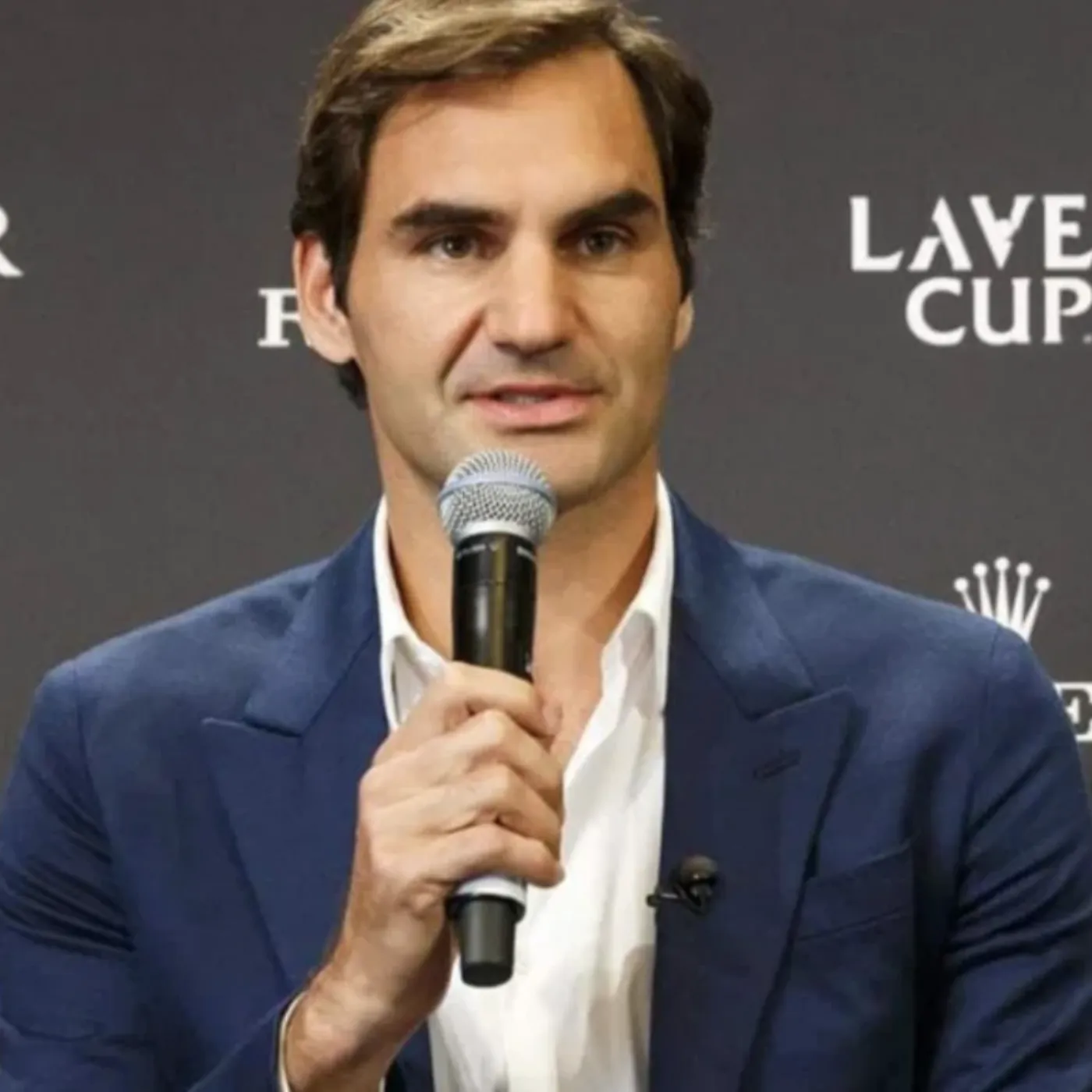
Ironically, Federer’s actual retirement from tennis came not in the middle of a match, but after a long and considered decision. His final appearance at the 2022 Laver Cup alongside Rafael Nadal was a celebration, not a surrender. Even as injuries finally convinced him to step away, he did so on his own terms, without compromising the streak that had defined so much of his competitive identity.
By the time he left the professional stage, Federer’s record stood untarnished: 1526 matches, zero retirements. It’s a statistic that will forever be synonymous with his name, as much a part of his greatness as his Wimbledon titles or his rivalries with Nadal and Djokovic.
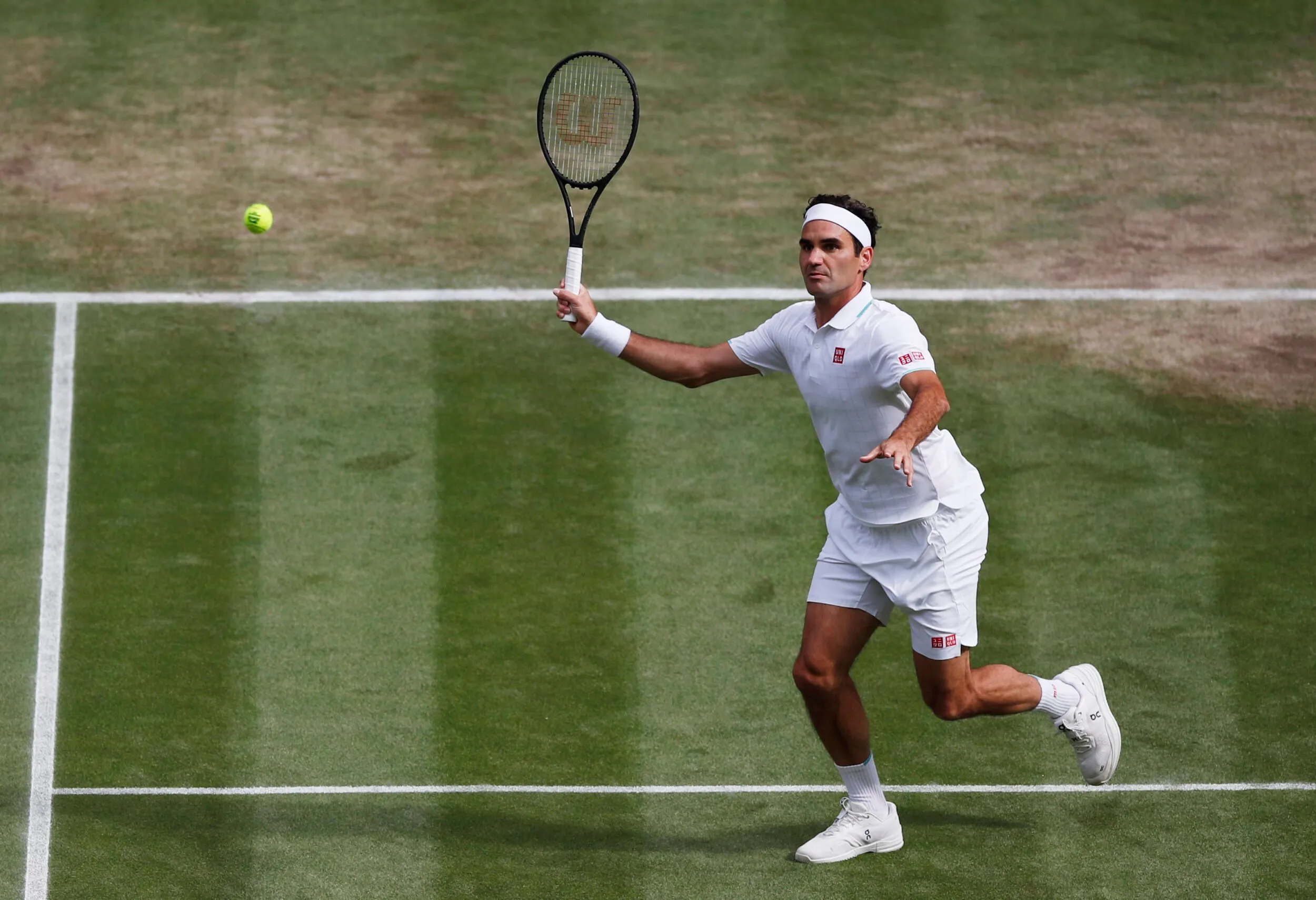
Conclusion: A Record Built on Respect
Roger Federer’s streak of never retiring from a match is more than an oddity in the record books — it is a symbol of respect, mental discipline, and unwavering commitment. It reflects his love for tennis, his competitive spirit, and his understanding of what it means to be a professional.
Long after his last forehand has been struck, this record will continue to inspire. It will remind players and fans alike that greatness is not only measured in titles but in the way one conducts oneself in the face of difficulty. Federer’s refusal to walk away from a match in progress stands as a shining example of sportsmanship — a quality as rare and valuable as any trophy.
In the grand tapestry of tennis history, 1526 matches without retirement isn’t just a number. It’s a story — one of perseverance, honor, and a champion’s unbreakable will. And in telling that story, we see not only why Federer was a great player, but why he will forever be remembered as one of the game’s true gentlemen.
Related News