









Mark Zuckerberg’s Hidden PhD Army Cracking Open AI Secrets
In the ever-evolving world of artificial intelligence, few stories spark as much intrigue and heated debate as the secretive recruitment drive behind Mark Zuckerberg’s latest venture — his superintelligence lab. Sources close to the social media mogul have leaked a stunning roster of PhDs, elite researchers, and tech prodigies reportedly handpicked to push the boundaries of AI innovation. But what’s really going on behind the closed doors of Zuckerberg’s secretive team? And why is this stirring up intense controversy across the tech and entertainment landscapes?

A Glimpse Inside Zuckerberg’s Elite AI Lab
Mark Zuckerberg, CEO of Meta Platforms, has been no stranger to ambitious projects. Yet, this time, the stakes appear higher than ever. According to insiders, the recruitment list is not your average hiring document — it’s a carefully curated, confidential dossier filled with world-class talent that could potentially redefine the future of superintelligence.

The lab’s mission? To create an AI system so advanced that it transcends current capabilities, blurring the lines between machine learning and genuine human-like cognition. Experts on this list hail from prestigious universities with PhDs in computer science, neuroscience, quantum computing, and advanced robotics. Many have years of elite lab experience working with top government agencies, tech giants, and cutting-edge startups.
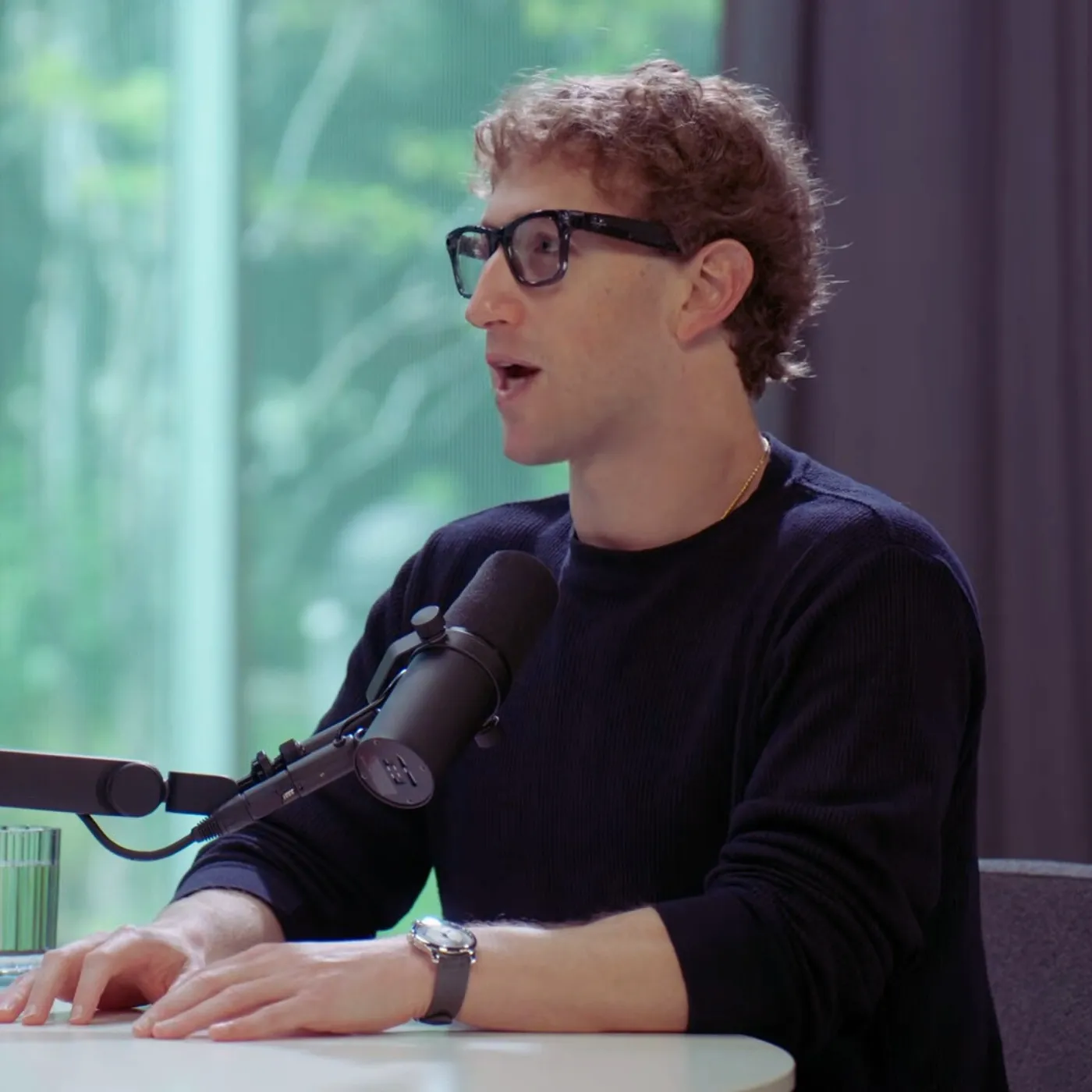
This collection of brilliant minds is described as the “brain trust” behind Zuckerberg’s AI revolution — a team charged with bringing the superintelligence dream to life under wraps.
The Controversy Behind the Curtain
While the tech world buzzes with excitement about the possibilities, this recruitment list has also ignited fierce debates online. Critics argue that such concentrated power in the hands of a private entity like Meta could be dangerous. The secretive nature of the lab only fuels speculation about hidden agendas, ethical concerns, and the potential for unchecked influence over AI’s future trajectory.
Detractors warn that superintelligence developed in secrecy risks falling outside regulatory frameworks, creating a black box of technology whose impact could ripple far beyond Silicon Valley. Some even question whether Meta’s recruitment tactics favor elitism over diversity, potentially sidelining important perspectives necessary for responsible AI development.
On social media platforms like Facebook and Twitter, conversations are divided. Some users praise Zuckerberg’s ability to assemble a dream team of experts, calling it the “next big leap” for humanity. Others express skepticism and fear, highlighting past tech controversies and privacy breaches under Meta’s watch.
The Elite Recruitment Tactics Revealed
Sources suggest that the recruitment process was anything but conventional. Instead of traditional job postings, Meta reportedly sent out exclusive invitations to a select group of individuals, many of whom were sourced through academic circles and private networks.
Candidates underwent rigorous vetting, including multi-stage interviews, complex problem-solving exercises, and confidential background checks focused on prior elite lab experience. Meta’s goal: build a team not only intellectually superior but also aligned with the company’s bold vision for AI dominance.
Interestingly, the list includes specialists from unexpected fields — linguistics experts, cognitive scientists, and even philosophers — underscoring a multidisciplinary approach to superintelligence. This broad strategy signals Meta’s recognition that next-gen AI will require far more than raw computing power; it needs a deep understanding of human thought and behavior.
What Does This Mean for the AI Race?
Zuckerberg’s superintelligence lab is a clear challenge to industry leaders like Google DeepMind and OpenAI. By hoarding top talent in secrecy, Meta aims to leapfrog competitors and control the narrative around AI’s future.
However, the secrecy also raises questions about transparency and accountability. In an era when the ethical implications of AI dominate headlines, a closed-door operation like Zuckerberg’s risks backlash from regulators, media, and the public alike.
Moreover, the superintelligence race isn’t just about technological supremacy. It’s about who controls the frameworks that shape society’s future — from automation and jobs to surveillance and privacy. Zuckerberg’s secret recruitment strategy could either propel Meta into a new era of innovation or spark one of the tech world’s biggest controversies yet.
Industry Reactions Are Divided
Tech analysts are split on Zuckerberg’s bold move. Some hail the secret recruitment list as evidence of Meta’s commitment to pushing the envelope, calling it “a calculated risk with massive upside.” Others caution that secrecy can lead to groupthink and blind spots, especially in a field where ethical considerations must be front and center.
Academics and AI ethicists emphasize the need for openness and collaboration. “Superintelligence isn’t just a technological challenge — it’s a societal one,” said Dr. Elaine Harper, an AI ethics professor at Stanford University. “Building it in secret risks alienating the public and missing critical safeguards.”
The entertainment world has also caught wind of this story, with major outlets framing Zuckerberg’s AI lab as a real-life sci-fi saga — a narrative that is captivating the public and fueling trending debates on platforms like Facebook.
What the Future Holds
While the full details of Mark Zuckerberg’s secret recruitment list remain closely guarded under layers of corporate confidentiality, the impact of this elite AI team is already sending powerful ripples through multiple industries—from tech innovators and scientific communities to entertainment giants and global markets. The world is watching with bated breath as whispers circulate about the next generation of AI breakthroughs poised to redefine how we live, work, and communicate.
The stakes have never been higher. Will Zuckerberg’s superintelligence lab, shrouded in secrecy, emerge as the pioneer that delivers revolutionary AI technologies capable of transforming everyday life in unprecedented ways? Or could this ambitious project serve as a cautionary tale about the perils of unchecked innovation, concentrated power, and the risks posed when such advanced technologies operate behind closed doors, away from public scrutiny and regulatory oversight?
What makes this saga even more compelling is the sheer scale and sophistication of the team Zuckerberg has assembled—top-tier PhDs, elite lab veterans, and multidisciplinary experts whose combined AI brilliance could push humanity toward a technological horizon previously thought unreachable. Yet, with great power comes great responsibility, and many experts warn of the ethical, social, and geopolitical consequences of building a superintelligent AI without transparent governance.
One thing is absolutely clear: Mark Zuckerberg’s relentless quest for AI supremacy and brilliant innovation is far from over. As new whispers of high-profile hires, breakthrough discoveries, and controversial internal decisions continue to leak out, the global community remains on edge, anxiously waiting to see what the next chapter in this high-stakes game will bring.
Why You Should Care
Artificial intelligence is no longer a distant, sci-fi concept reserved for futuristic movies or tech fantasies—it’s here and now, actively shaping every aspect of our daily lives. From the apps you use to the content you scroll through on your devices, AI algorithms are silently influencing your decisions, preferences, and experiences.
Zuckerberg’s secret recruitment list offers a rare glimpse into how some of the world’s biggest and most powerful players are quietly racing behind the scenes to control this transformative technology. This isn’t just about who builds the smartest AI—it’s about who holds the keys to a technology that can redefine economies, cultures, and societies.
Understanding the high stakes, the heated controversies, and the key players involved isn’t just important for tech insiders or industry watchers—it’s critical for every individual who interacts with digital platforms, consumes online media, or participates in the digital economy. The decisions made in labs like Zuckerberg’s superintelligence hub could very well determine the future of privacy, information flow, and even global power structures.
As this story continues to unfold with new revelations and heated debates, one piece of advice stands out: stay tuned, stay curious, and above all—stay informed. The future of AI innovation and its impact on society will be shaped by those who understand what’s at stake today.