From Arenas to Stadiums: Roman Reigns Says WWE’s Growth Now Rivals Football — And Fans Can’t Stop Talking
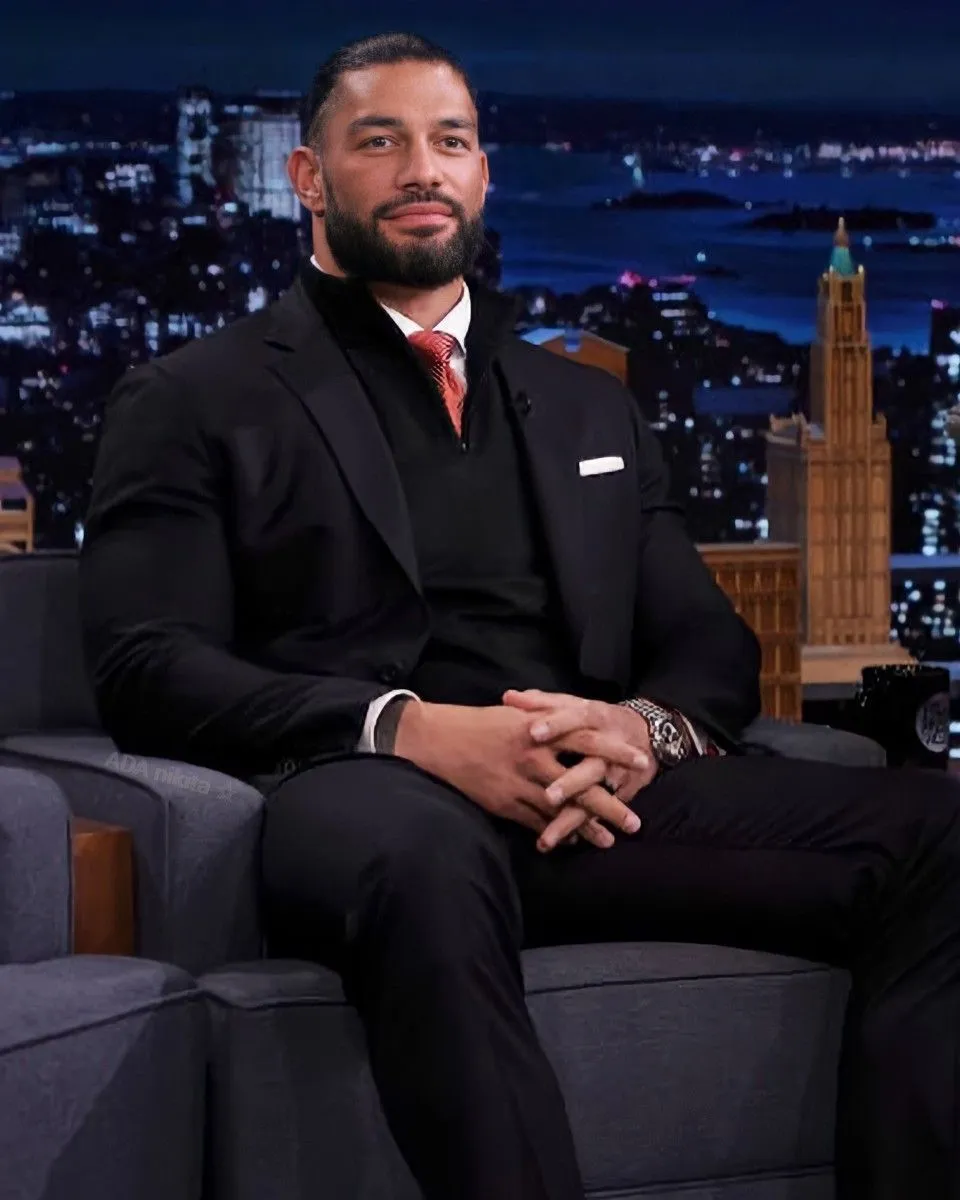
In the ever-evolving world of sports entertainment, few names have commanded as much attention as Roman Reigns. Known as The Tribal Chief, Reigns has redefined what it means to be a wrestling superstar, transcending the squared circle and becoming a global icon. Recently, his bold statement comparing the current WWE growth trajectory to the massive popularity of football has set social media ablaze. While some fans see it as a confident yet accurate reflection of the company’s success, others argue it’s an ambitious leap — but no one can deny the momentum behind his words.
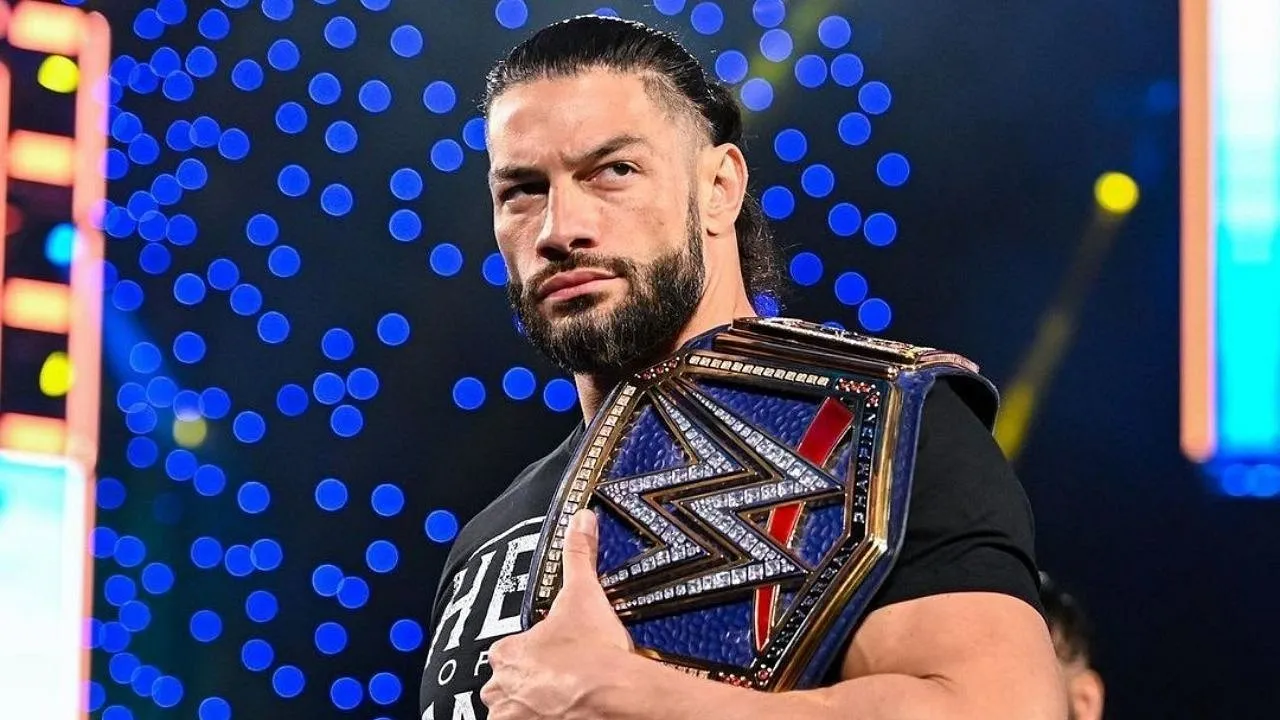
The discussion around WWE’s expansion into massive venues is not just hype. Over the past few years, the company has steadily shifted from holding its biggest events in traditional indoor arenas to booking massive outdoor stadiums, selling out tens of thousands of seats. The transformation has been so significant that even mainstream sports commentators have taken notice. For Reigns, this is not just a business decision; it’s proof that the product he has helped lead is experiencing an unprecedented boom, one that draws parallels to the fan culture and economic scale of football leagues worldwide.
The Tribal Chief at the Center of a New Era
When Roman Reigns first returned in 2020 after a brief hiatus, few could have predicted the seismic shift his new character would cause. Adopting the moniker of The Tribal Chief, aligning himself with Paul Heyman, and embracing a cold, methodical, and dominant persona, Reigns began an historic Universal Championship reign that has defined the current era of WWE. His storytelling, in-ring dominance, and layered feuds have kept audiences hooked week after week.
But Reigns has also been the face of WWE’s transition into larger venues. Events like WrestleMania, SummerSlam, and Royal Rumble have not only filled traditional sports stadiums but have also drawn record-breaking attendance figures. His matches are often the main attraction, drawing fans from across the globe, reminiscent of the way football matches create international travel and tourism waves.
For Reigns, this connection between wrestling and football is not superficial. He has firsthand experience with both worlds, having played football before fully committing to professional wrestling. He understands the shared energy — the roaring crowds, the tailgating culture, the shared chants and rivalries — that make both forms of entertainment thrive.
Stadium Shows Becoming the New Standard
In the past, WWE would often save stadiums for its biggest event of the year, WrestleMania. The rest of the calendar was largely filled with indoor arenas, seating 15,000–20,000 people. But in the last three years, that model has changed drastically. Events like Clash at the Castle in Cardiff, SummerSlam in Detroit, and the upcoming Bash in Berlin have shown that large-scale stadium shows are no longer rare spectacles; they are becoming a standard part of WWE’s schedule.
This shift has financial and cultural implications. Financially, stadium events allow for higher ticket sales, premium seating options, and a boost in merchandise sales. Culturally, they create a big fight feel that is closer to football finals than to a typical wrestling card. Fans feel like they’re part of a monumental occasion, not just a weekly TV taping.
Roman Reigns has been central to this perception. When the marquee reads Reigns vs. [Opponent], it signals that fans should expect a grand, emotionally charged spectacle. Much like a Super Bowl or World Cup final, the buildup is as important as the match itself. Storylines stretch over months, even years, culminating in a payoff that feels worthy of the massive setting.
Fan Reactions and Media Buzz
When Reigns made the claim that WWE’s growth rivals football, reactions poured in almost instantly. On social media, hashtags related to his comment trended worldwide. Fans debated whether this was confident promotion or an exaggeration, while others compared attendance and revenue statistics between WWE events and football games.
Interestingly, many neutral sports analysts have noted that while football still dwarfs WWE in overall global reach, the growth rate of WWE’s stadium events is remarkable. Attendance for shows like WrestleMania 39 at SoFi Stadium matched — and in some cases exceeded — regular season attendance for certain NFL teams. Internationally, the reception has been equally impressive, with WWE drawing over 60,000 fans in Cardiff, a number on par with some major Premier League and Champions League matches.
The discussion has even spilled into podcasts, talk shows, and sports radio segments. For WWE, this kind of mainstream crossover conversation is pure gold. Every mention outside traditional wrestling circles expands the company’s reach, potentially pulling in casual viewers who might tune in just to see what the hype is about.
The Emotional Core Behind the Statement
While Reigns’ comment has sparked analytical debates, it’s also deeply personal. Wrestling has always been a part of his family heritage. As a member of the Anoa’i wrestling dynasty, Reigns grew up seeing the industry as a legitimate sport and form of entertainment that could stand shoulder-to-shoulder with any other global spectacle. His father, Sika, and his cousin, The Rock, were among those who proved that wrestling stars could become household names far beyond the ring.
For Reigns, seeing WWE pack stadiums in the same way football matches do is more than just a business victory; it’s a validation of his life’s work and the work of those who came before him. Every roar of the crowd, every sold-out section, every fan waving a We The Ones sign is proof that professional wrestling can evoke the same scale of passion as the world’s most beloved sport.
The Future of WWE’s Stadium Era
If the current momentum holds, the line between sports entertainment and traditional sports events could blur even further. WWE has already locked in future events in massive venues across multiple continents, and there are talks of even more international expansion. The company’s partnership with major broadcasters and streaming services has given them a distribution model similar to top sports leagues, making every major show accessible to millions worldwide.
With Roman Reigns as its undisputed centerpiece, WWE has the kind of charismatic, larger-than-life figure who can carry these events both in the ring and in the media. Whether facing long-time rivals like Brock Lesnar or engaging in emotionally charged storylines with members of his own Bloodline, Reigns ensures that every stadium event feels like an unmissable spectacle.
The question now is not whether WWE can match the atmosphere of football — they’ve proven they can. The question is whether they can sustain it year after year, creating traditions that fans look forward to in the same way they anticipate football seasons and tournaments.
A Cultural Shift in Sports Entertainment
Beyond the ticket sales and attendance records, there’s a cultural shift happening. Wrestling has always been theatrical, but the scale of production for these stadium shows is reaching cinematic levels. Pyrotechnics, elaborate entrances, massive LED stages, and live musical performances have turned WWE’s biggest nights into experiences that rival — and sometimes outshine — halftime shows at major sporting events.
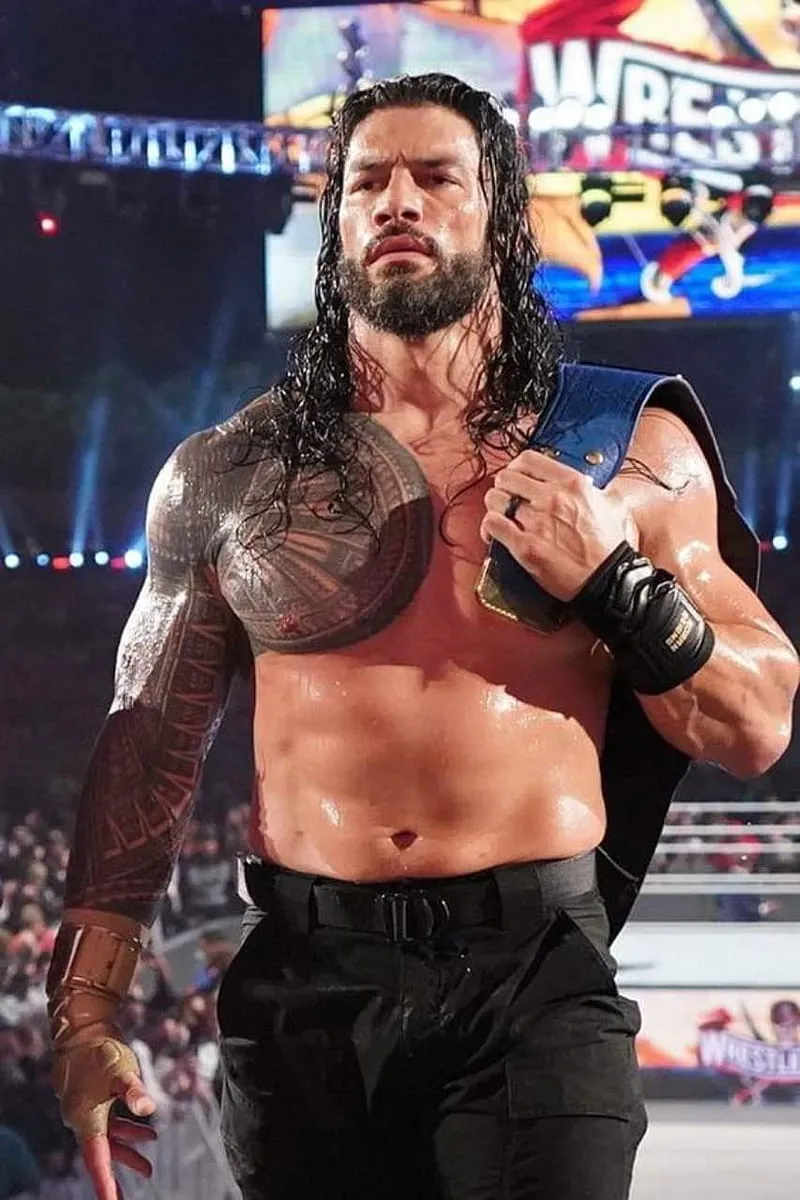
Fans are not just attending matches; they are attending an all-day festival of wrestling, music, merchandise, and community. The passion is infectious, and social media ensures that moments from these shows are shared instantly, often going viral. Just as a stunning goal in a football match can dominate sports news cycles, a shocking twist in a Roman Reigns storyline can dominate entertainment headlines.
Why Fans Can’t Stop Talking
Part of the reason Reigns’ comment hit so hard is that fans are already feeling the shift. Those who have attended both football games and recent WWE stadium shows often remark on the similarities — the crowd energy, the chants, the pre-event buzz, and the sheer spectacle of it all. There’s a sense that WWE is no longer playing catch-up to mainstream sports; it’s carving out its own lane at the very top of the global entertainment hierarchy.
For the die-hard wrestling fans, this is a long-overdue recognition of their passion. For newer fans, it’s an invitation to experience something grander than they might have expected from a wrestling show. And for Roman Reigns, it’s the ultimate testament to the vision he has helped bring to life.
In the end, whether or not WWE ever truly rivals football in every measurable way might be beside the point. What matters is that the conversation is happening — and that fans, media, and even competitors are taking notice. From arenas to stadiums, from niche entertainment to mainstream spectacle, WWE’s journey mirrors Reigns’ own transformation: bold, unapologetic, and impossible to ignore.
Related News