Drake Thought He Was in the Clear After “Not Like Us” – But Now the Court Is Calling a Mysterious Witness!
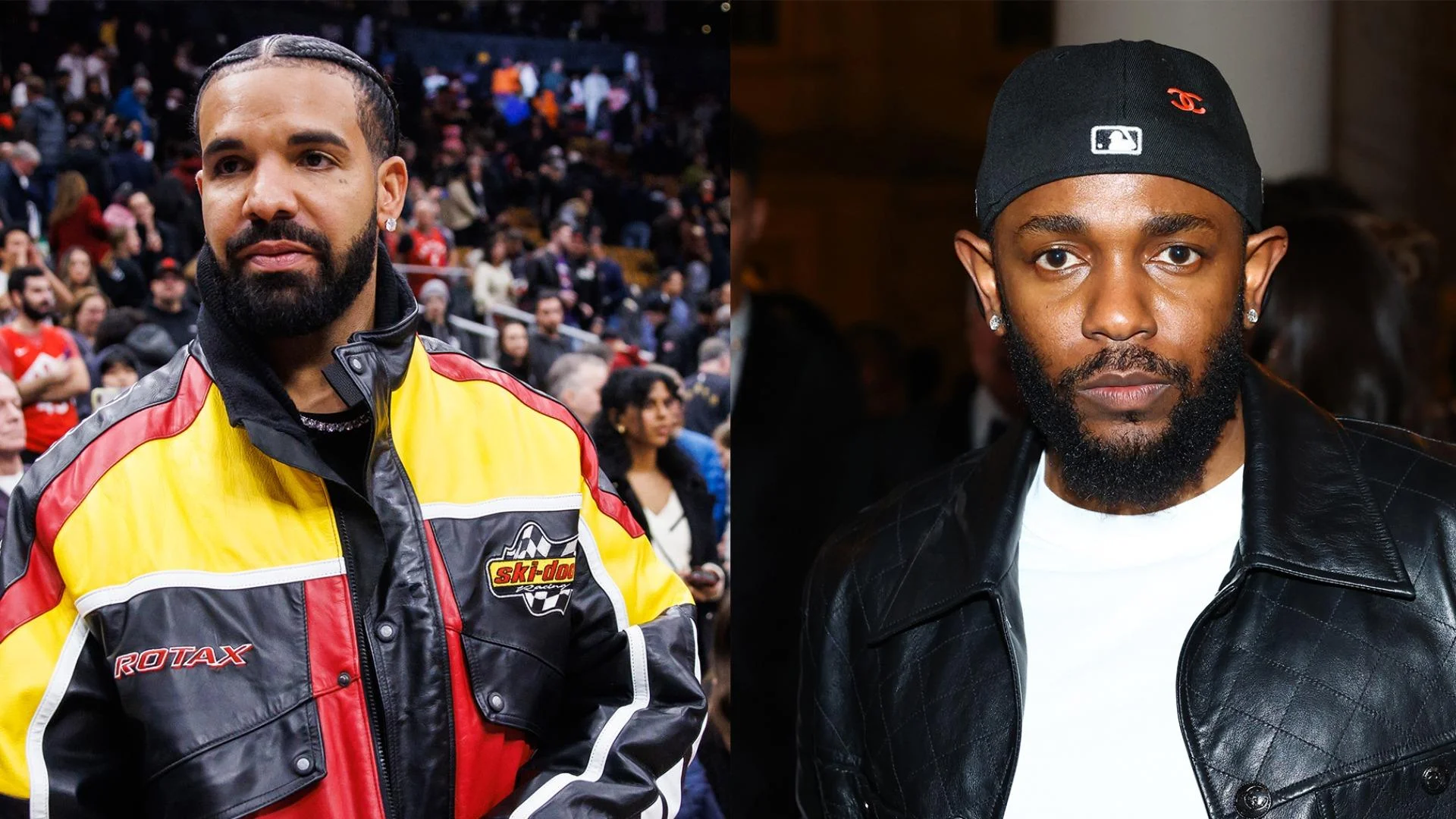
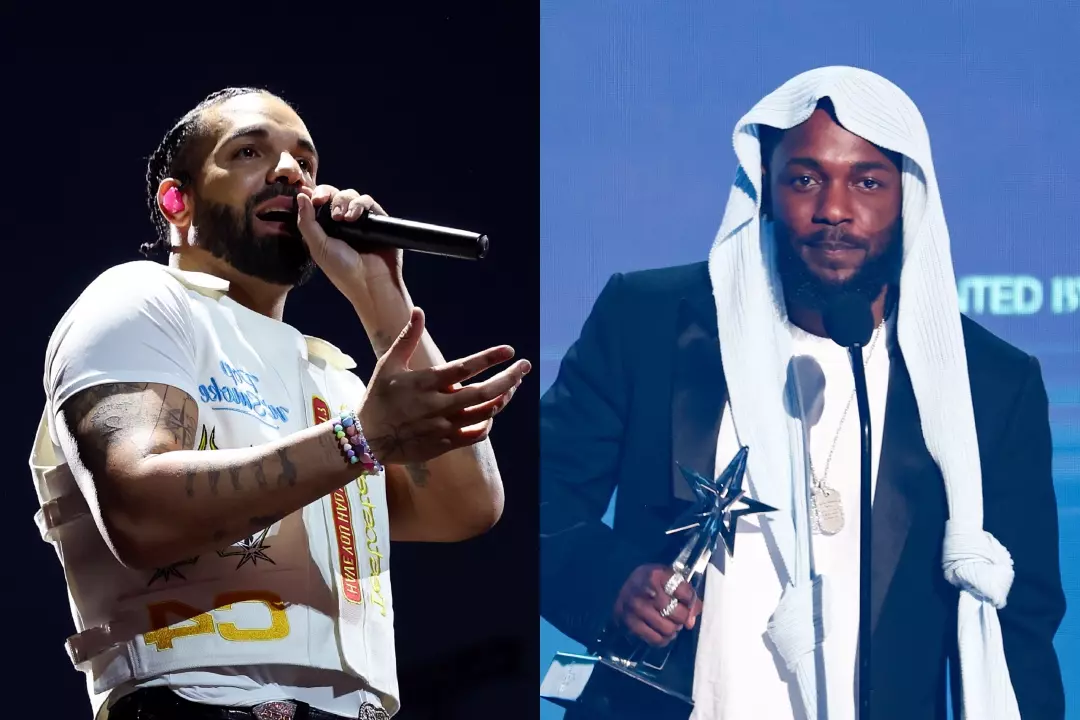
Drake pushes forward in his explosive legal battle over Kendrick Lamar’s viral diss track “Not Like Us”, as a California judge approves a subpoena for elusive witness Kojo Menne Asamoah in the high-stakes defamation case against Universal Music Group—a feud shaking the hip-hop world.
The Case That Has Hip-Hop Talking
The ongoing, high-profile feud between Drake and Kendrick Lamar has officially leapt from the charts into the courtroom, and the latest development marks a major strategic win for the Canadian superstar. What began as a lyrical war of words is now unfolding as a full-scale legal battle that could reshape how the music industry handles diss tracks in the streaming era.
In a move that has set the hip-hop community abuzz, a California court has granted Drake’s request to subpoena Kojo Menne Asamoah—a man his legal team has identified as a critical witness with potentially game-changing information in the case against Universal Music Group (UMG). At the center of the dispute is Kendrick Lamar’s explosive hit “Not Like Us”—a song that didn’t just dominate global charts and spark endless social media chatter, but, according to Drake, also crossed a dangerous legal line by making accusations that he claims are outright defamatory, with real-world consequences for his career and personal life.
From Rap Battle to Legal Battlefield
What started as one of hip-hop’s most memorable diss track exchanges has now transformed into a multi-million-dollar legal fight. Drake claims that “Not Like Us” did more than just sting his ego—it spread false and damaging accusations that he engaged in predatory behavior with minors. Those lyrics, he argues, have resulted in reputational harm, personal threats, and an irreversible stain on his public image.
But Drake isn’t stopping with Lamar. His lawsuit targets UMG, accusing the label of deliberately boosting the track’s reach through artificial streaming manipulation—including bots, aggressive playlist placement, and discounted digital sales—to ensure the song became a cultural phenomenon.
The Kendrick Lamar Factor
Drake’s camp insists that Kendrick Lamar isn’t just a bystander in this case. His name is everywhere in the legal filings, not because he’s being sued directly, but because he is the voice, face, and creative mind behind the song at the center of the allegations.
Lamar’s role in performing “Not Like Us” at the Super Bowl halftime show earlier this year has been flagged in court documents as a move that amplified the supposed defamatory message. Drake’s attorneys argue that such a high-profile performance cemented the accusations in the minds of millions of viewers, making the damage even harder to undo.
Why Kojo Menne Asamoah Matters
For months, Drake’s legal team tried—and failed—to track down Kojo Menne Asamoah. They believe he holds key information about how and why “Not Like Us” went viral at the level it did. According to the filings, Asamoah may have been involved in coordinating payments, partnerships, or bot campaigns that artificially inflated streams and downloads.
After eleven unsuccessful attempts to serve him in person, the judge approved alternative service methods—including certified mail, email, and posting notices at his known addresses. This green light gives Drake a real chance to get Asamoah’s testimony, which could either bolster or break the claims against UMG.
UMG’s Defense and the Freedom of Art Argument
UMG, for its part, has publicly dismissed the lawsuit as baseless. The label’s defense leans heavily on freedom of artistic expression, asserting that lyrics in a song—even in the context of a rap battle—should not be held to the same standard as factual statements.
In their view, “Not Like Us” was part of a long tradition in hip-hop where hyperbole and provocation are common tools of artistic rivalry. But Drake’s legal team counters that there is a clear line between art and defamation, and that Lamar’s lyrics stepped firmly over it.
A High-Profile Rivalry with Legal Consequences
The Drake–Kendrick Lamar rivalry has been brewing for years, with both artists exchanging subtle and not-so-subtle jabs in their music. But “Not Like Us” marked a boiling point, capturing public attention not just for its catchy beat and sharp bars, but for its explosive accusations.
The song’s meteoric rise—becoming a cultural touchstone, dominating TikTok trends, and breaking streaming records—only magnified the tension. Drake’s claim is that this success was manufactured with corporate backing, not purely organic fan enthusiasm.
Public Reaction: Divided and Loud
Fans are split down the middle. Supporters of Kendrick Lamar see the lawsuit as an overreaction from an artist who simply lost a lyrical battle. They argue that Lamar’s bars are no different from countless other diss tracks in hip-hop history.
On the other side, Drake’s defenders believe the allegations in “Not Like Us” went too far, especially in an era where social media spreads and cements narratives faster than ever. Some also point out that false accusations of such a serious nature can have real-world consequences, from lost business opportunities to safety threats.
The Road Ahead
With the subpoena for Kojo Menne Asamoah now approved, the case is poised to enter a more aggressive discovery phase. If Asamoah’s testimony confirms Drake’s claims about artificial promotion, UMG could face significant reputational damage and potential financial liability.
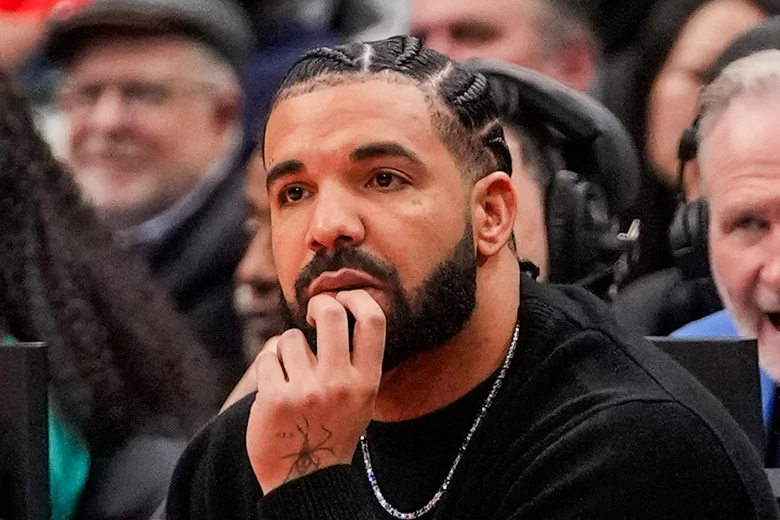
At the same time, Lamar’s involvement—though indirect from a legal standpoint—will continue to fuel headlines. Every move he makes, from public appearances to new music releases, will be scrutinized for its potential connection to the case.
Why This Case Could Change the Game
Beyond the personal feud, this lawsuit could set a precedent for how far artists, labels, and platforms can go in promoting content that includes potentially defamatory statements. If Drake wins, it might force record labels to be more cautious about how they push provocative music into the public sphere.
On the flip side, a victory for UMG could reinforce the idea that in music—especially in rap—almost anything goes under the banner of artistic freedom.
Final Word
The legal war over “Not Like Us” is more than just another celebrity spat—it’s a collision of art, commerce, and personal reputation. With Kendrick Lamar’s name woven deeply into the narrative, and a mystery witness finally within reach, this story is primed for more shocking twists. Whether it ends in a courtroom verdict or a behind-the-scenes settlement, the outcome will be felt far beyond the hip-hop world.