








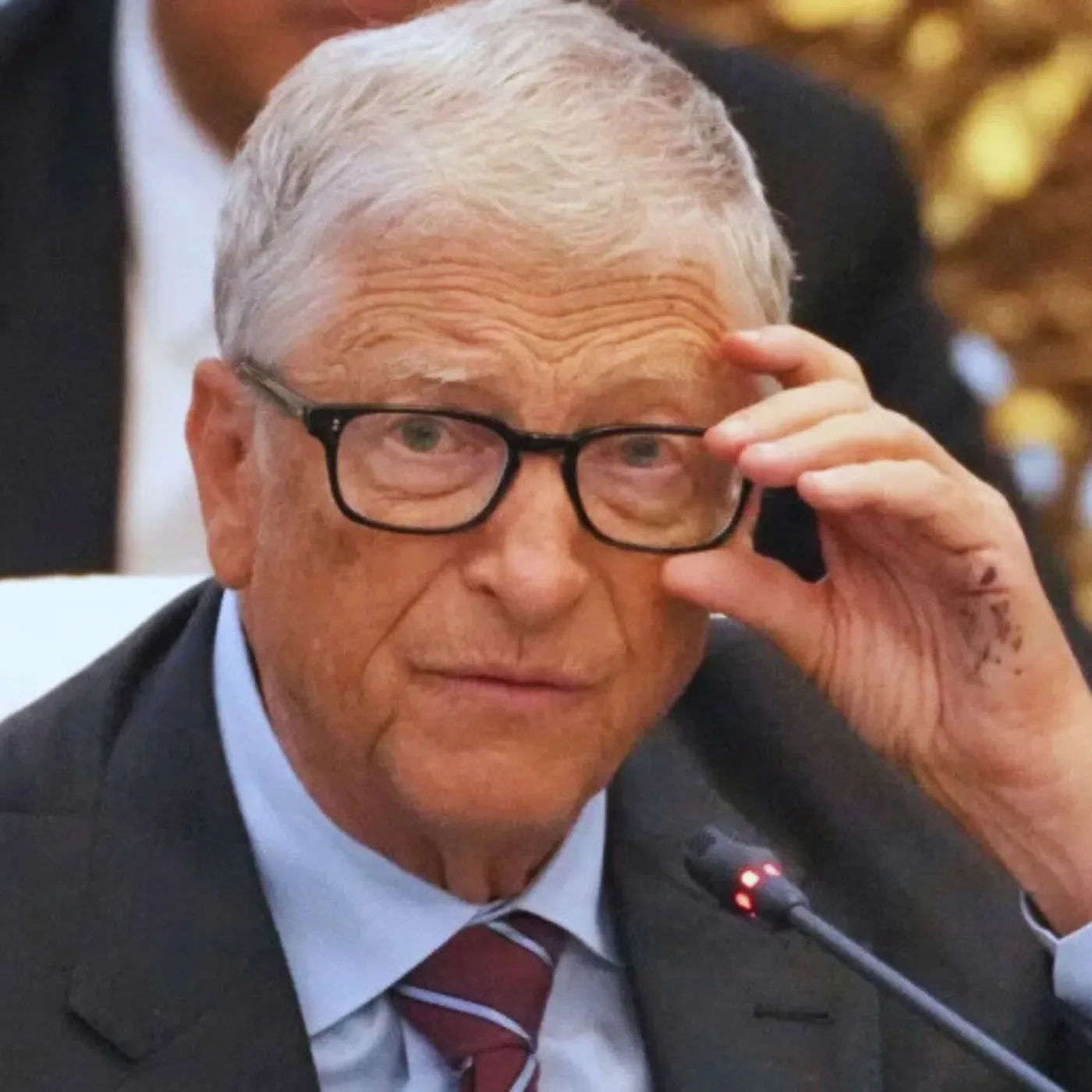
Bill Gates Watched as 247 Billionaires Walked Away from Their Giving Pledge
Fifteen years ago, the world held its breath as Bill Gates, Melinda French Gates, and Warren Buffett made a historic promise that seemed too bold to fail. The Giving Pledge, a noble campaign to inspire billionaires to give away at least half of their wealth, was hailed as a revolution in philanthropy—one that would reshape the future of global giving.
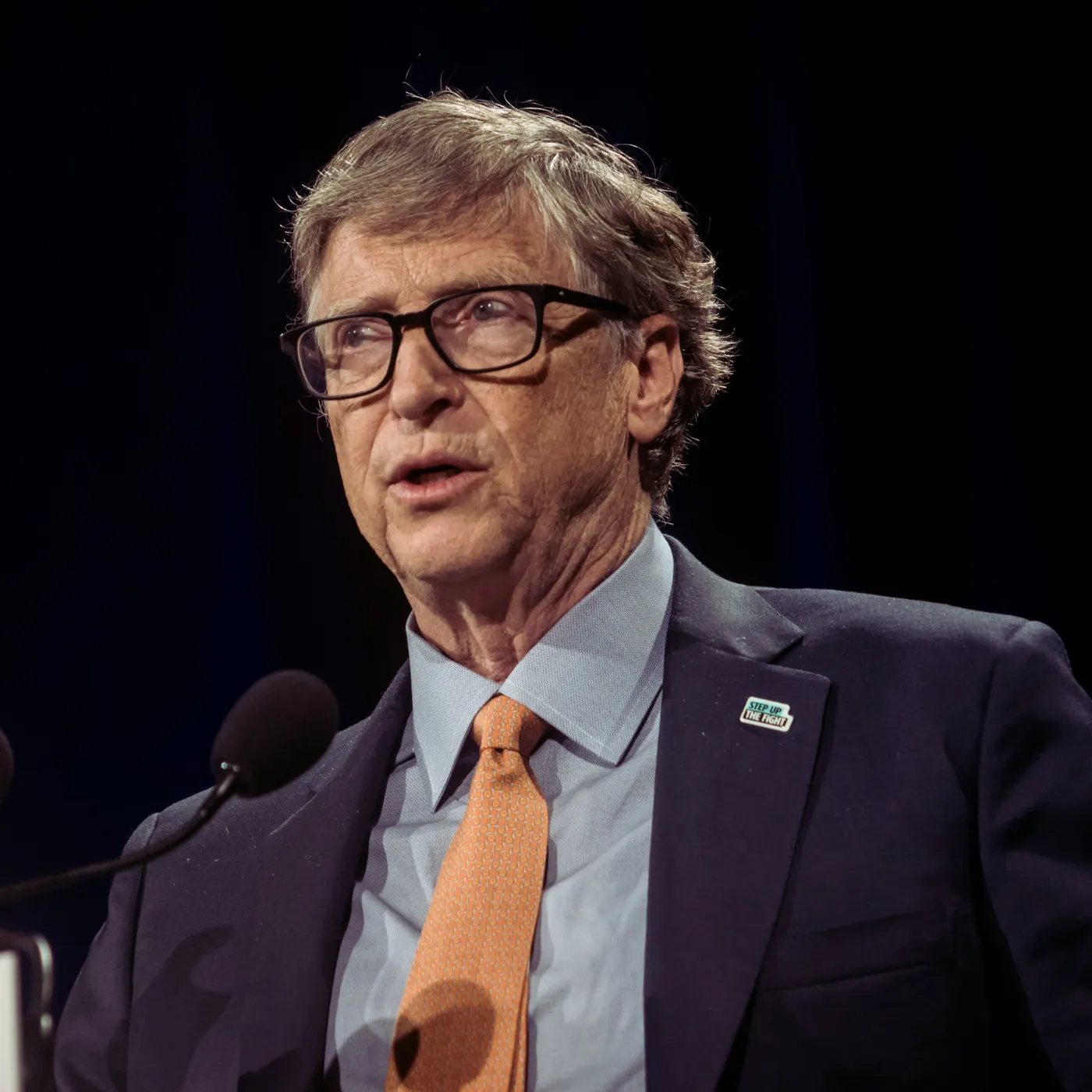
Today, that revolution has a number. And it’s not the one the world was hoping for.
Out of the 256 billionaires who signed the pledge, only nine have truly followed through.
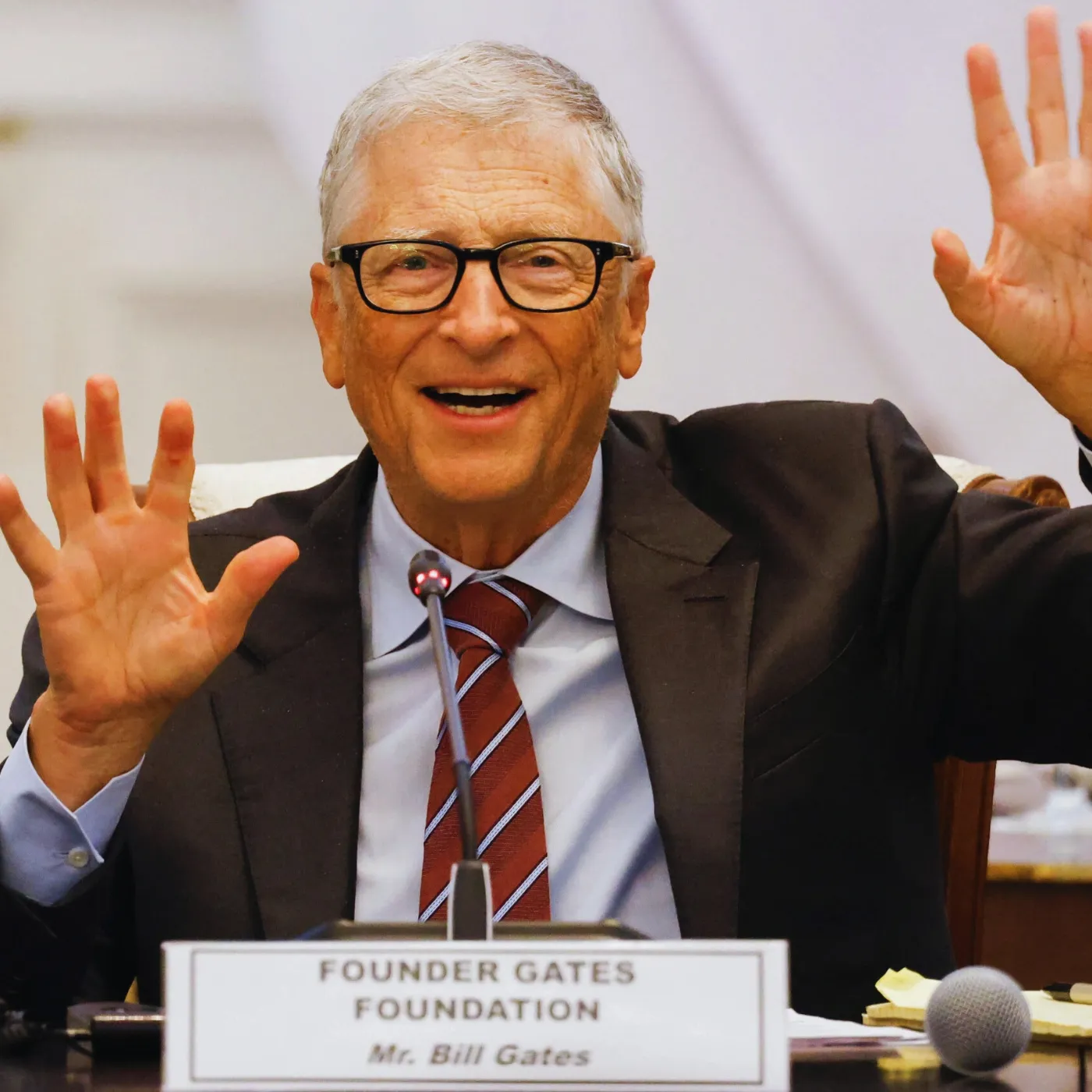
Let that sink in.
The rest? They’re still holding tight to their fortunes, living in mega-mansions, riding out economic storms on superyachts, and building wealth empires that only grow larger with each passing quarter. The stark truth behind this glossy promise reveals what many feared but didn’t dare say out loud: billionaires talk a good game, but when it comes time to put their billions where their mouths are, silence often speaks louder than action.
The Dream That Captivated the World
When Bill and Melinda French Gates announced the Giving Pledge in 2010, alongside longtime friend and fellow billionaire Warren Buffett, the idea was simple: rally the world’s richest to commit at least 50% of their fortunes to charity, either during their lifetimes or in their wills.
From the outset, it was more than just a charity stunt. It was a call to arms, a campaign driven by the belief that the ultra-wealthy had a moral obligation to help humanity. The message was loud, heartfelt, and backed by some of the biggest names in tech, finance, and industry.
Facebook, LinkedIn, eBay, Tesla—CEOs and founders lined up to be part of this new billionaire brotherhood. The Pledge was not a legal contract, but a public commitment. One that carried weight—both in reputation and legacy.
But now, 15 years later, the legacy is under fire.
The Numbers Don’t Lie
It’s easy to talk about generosity when the cameras are rolling. It’s a different story when no one is watching. That’s where the Giving Pledge has fallen apart.
According to newly released data, only nine individuals who originally signed the pledge have actually given away 50% or more of their wealth. That’s a shockingly low 3.5% follow-through rate—and a brutal reality check for those who once hailed the initiative as philanthropy’s moonshot.
So what happened?
Some say the Pledge was always doomed. Others believe it was hijacked by PR strategists, using it as a tool for image building, not impact. But there’s one common theme that runs through every criticism: a massive disconnect between intention and action.
The Nine Who Actually Gave
Let’s give credit where credit is due. Among the hundreds who signed, these names stand out not just for their bank balances, but for their actual, tangible giving:
-
Warren Buffett has given away more than $50 billion, primarily to foundations like the Bill & Melinda Gates Foundation.
-
Chuck Feeney, the co-founder of Duty Free Shoppers, famously gave away his entire fortune before his death.
-
A few lesser-known billionaires have quietly fulfilled their pledges, avoiding the limelight but leaving a real-world impact.
But here’s the kicker: the overwhelming majority of pledgers still have ballooning net worths—some even doubling or tripling since signing.
Bill Gates and the Weight of Leadership
For Bill Gates, this isn’t just a reputational issue. It’s personal.
He didn’t just co-found the Pledge. He staked his legacy on it. Along with Melinda French Gates, he’s poured tens of billions into global health, education, and climate efforts. But despite their example, the trend among other billionaires has been disturbing: more talking, less giving.
In an age of trillion-dollar tech companies and space-race billionaires, Gates’ vision of giving seems to have been quietly shelved in favor of expansion, influence, and private islands.
Even more alarming is that some pledgers have backtracked or gone silent altogether. A handful have stopped reporting their charitable contributions, while others have shifted assets to family offices, DAFs (Donor-Advised Funds), or trusts—tools often used to delay or dilute actual giving.
Where’s the Accountability?
The problem with the Giving Pledge has never been the idea—it’s the execution.
There’s no enforcement, no timeline, and no consequences for inaction. Billionaires can sign the pledge, enjoy the praise, and then do absolutely nothing—without ever being called out. Until now.
In recent months, watchdog groups, nonprofit leaders, and even former insiders have begun to speak out. The message is loud and clear: The public is waking up. And they want receipts.
As inequality soars and average people struggle to make ends meet, the sight of billionaires hoarding wealth while flaunting symbolic pledges has become harder to stomach.
Warren Buffett’s Quiet Disappointment
In recent interviews, Warren Buffett has remained diplomatic—but the disappointment is clear.
“I hope more people follow through,” he said earlier this year. “Giving away money is harder than making it. But it’s also more meaningful.”
Buffett, who still lives in a modest home in Omaha, has consistently reminded the world that wealth without purpose is just a number. His $100 billion net worth is now largely spoken for—pledged to charity and actively distributed.
Compare that to other pledgers who’ve seen their net worths explode post-pledge, with little transparency or proof of major contributions.
What Does This Say About Billionaire Culture?
At its core, the story of the Giving Pledge is about accountability, or the lack thereof.
The idea was bold. The optics were perfect. But behind the scenes, it’s become increasingly clear that the Pledge has been used by many as a shield, not a sword.
By signing, billionaires gained a veneer of benevolence. They joined a “club” of giving—without ever writing a check.
And perhaps that was the point all along.
As one former philanthropy consultant put it:
“The Giving Pledge was genius. Not because it changed the world. But because it made billionaires look good while doing almost nothing.”
The Road Ahead for Bill Gates and Melinda French Gates
As they continue their philanthropic journey—separately, yet still united through their foundation—Bill and Melinda French Gates face a stark question: Can the Giving Pledge be saved?
There are murmurs of a revamp, a public-facing tracker, or even a push for yearly progress reports. But trust has been eroded.
For many, the damage is already done. The pledge that once promised hope has now become a symbol of performative philanthropy—the kind that plays well on stage but fizzles in real life.
Conclusion: A Legacy Question No One Saw Coming
Fifteen years ago, the Giving Pledge felt like the future.
Now, it feels like a cautionary tale.
One where ambition met apathy, and where some of the richest people in history were offered a once-in-a-lifetime opportunity to lead by example—but chose not to.
The world isn’t just watching anymore. It’s asking questions.
And Bill Gates, Melinda French Gates, and Warren Buffett may be remembered not just for the pledge they created—but for the billionaires who ignored it.
In the end, it’s not about who signed.
It’s about who actually gave.
And that list is painfully short.
Related News


Baikunth kumar sharma
Mr. Bill gates is very Rich, Honest, wise , experienced and intelligent man in the world.
Comments are closed.







1 comment