



Shawn Mendes Stuns in Krakow – But Fans Are Furious Over His Merch Drop: Tour Faces First Major Backlash!
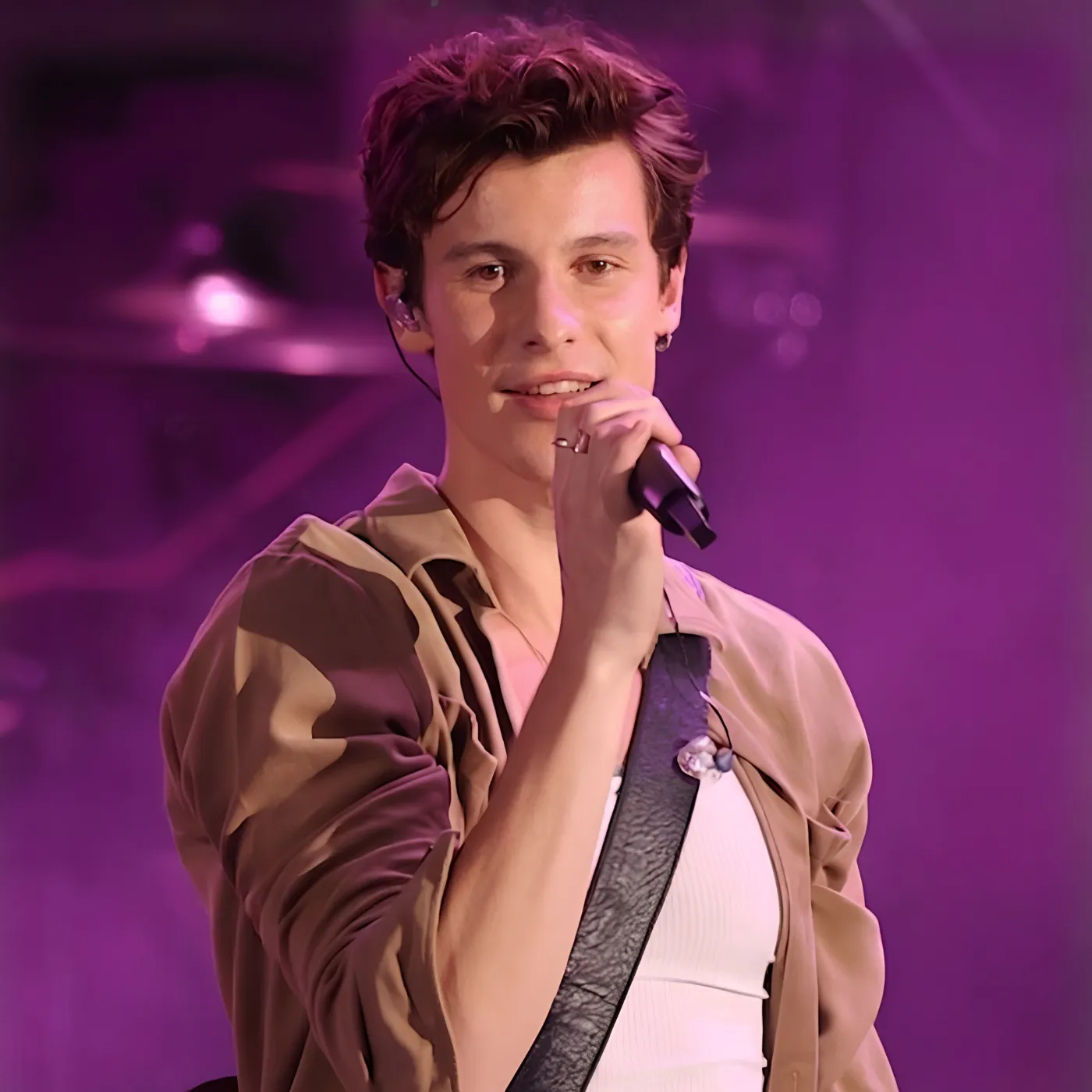
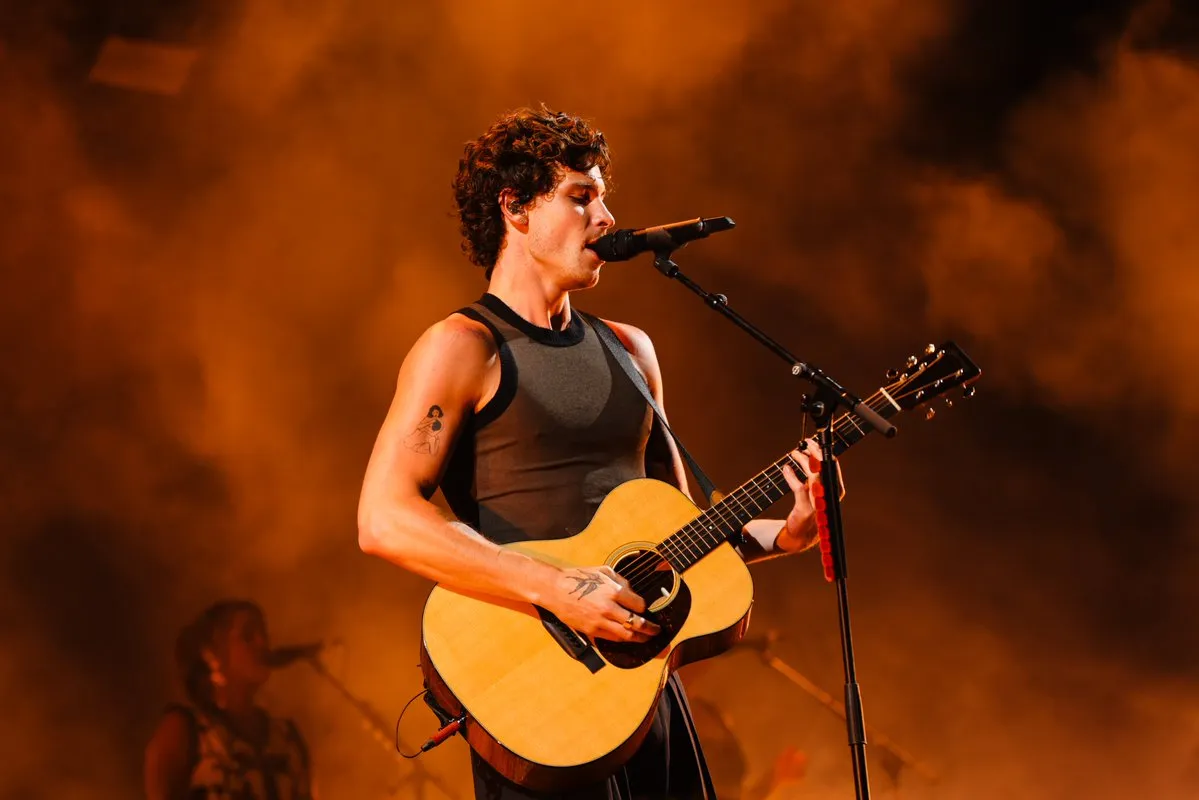
When Shawn Mendes stepped onto the stage in Krakow, Poland, as part of his much-anticipated world tour, the Canadian superstar reminded everyone why he remains one of the most charismatic and vocally gifted performers of his generation. Thousands of fans filled the Tauron Arena, their screams echoing long before the first chord of “Wonder” rang out across the massive venue. The energy, the lighting, the staging—all of it was designed to dazzle, and it did. Mendes delivered a performance that was both emotionally charged and technically flawless, complete with stripped-down acoustic moments and thunderous full-band climaxes that had the crowd hanging on every note.

But despite the musical triumph in Krakow, the evening was quickly overshadowed by a growing controversy that emerged shortly after the show ended. As fans flooded social media with praise for the setlist and production, an entirely different kind of conversation was unfolding—one filled with outrage, disappointment, and a sense of betrayal. The cause? The official Shawn Mendes merch drop at the venue.
Within hours, what should have been a celebration of another successful stop on Mendes’ world tour had devolved into a digital firestorm. Hashtags like #ShawnMendesMerchFail and #OverpricedAndUnderwhelming began trending across Twitter and Instagram, with fans voicing their frustration over what many described as “the worst merch drop of his career.”
A Tour Stop That Began With Magic
To understand the depth of the backlash, it’s important to first recognize what Mendes accomplished onstage. His performance in Krakow was the kind that artists dream of delivering. With his usual calm confidence, he worked through a setlist blending newer material from his most recent album with old fan favorites like “Stitches” and “There’s Nothing Holdin’ Me Back.” The audience was in full voice, turning songs into collective anthems, often overwhelming even Mendes’ vocals in the best way possible.
His ability to connect with a global audience has always been a cornerstone of his appeal, and Krakow was no exception. Fans from all over Europe had traveled to Poland to see him, some even camping outside the arena for over 24 hours in the hope of getting a front-row spot. By the time the concert began, the atmosphere was electric, almost religious in its intensity.
This made what followed all the more jarring. As the euphoria of the live experience began to fade and fans turned to the merchandise booths, expecting to take home tangible memories of an unforgettable night, they were met not with joy—but with sticker shock, confusion, and bitter disappointment.
Merch Controversy Sends Shockwaves Through the Fanbase
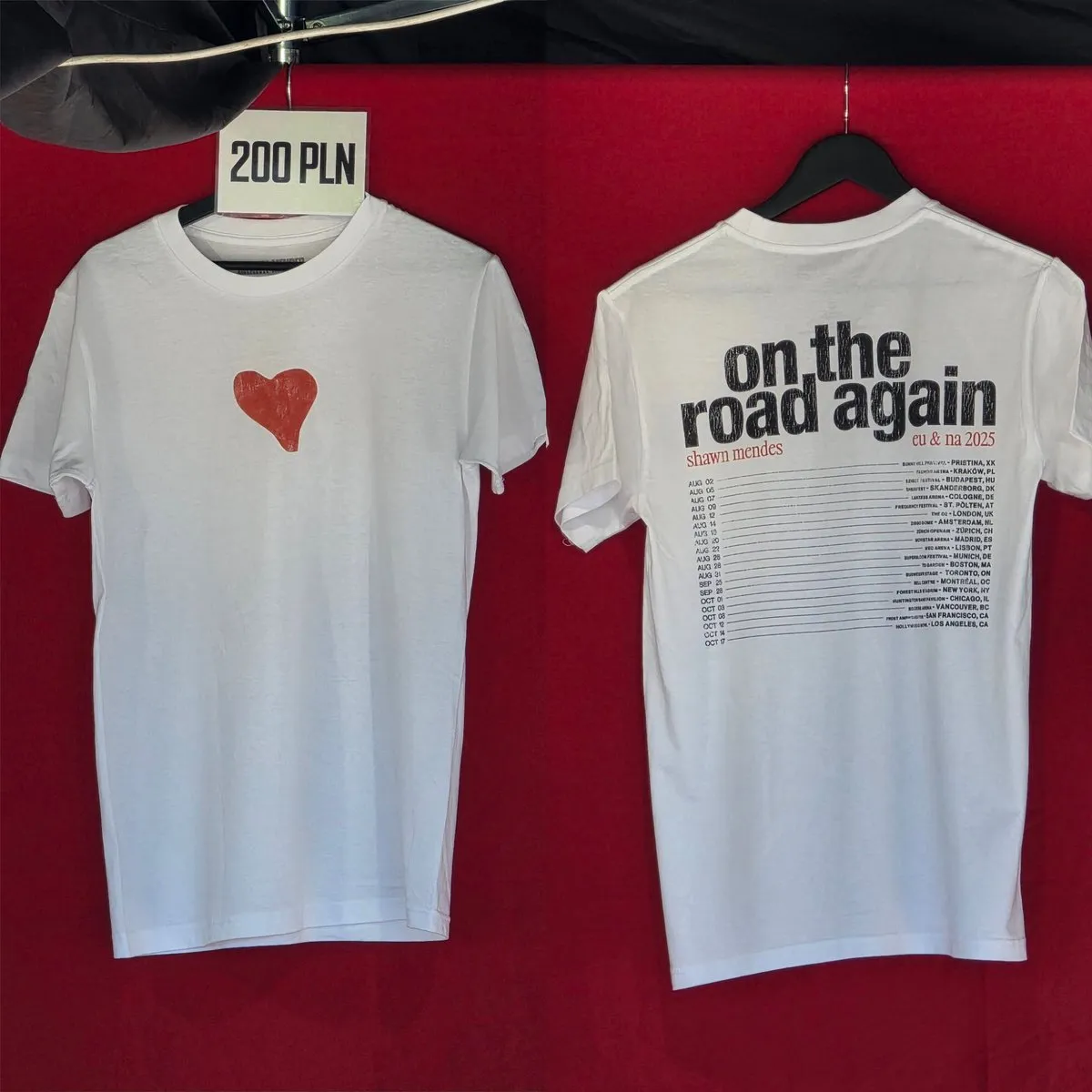
The core of the merch controversy revolved around two primary issues: exorbitant pricing and low-quality designs. Fans had eagerly awaited a new line of exclusive merchandise tied to Mendes’ evolving image and the emotional themes of his latest album. Instead, what they found were hastily printed T-shirts, uninspired graphics, and hoodies that many described as “generic” and “not worth even half the asking price.”
A standard tour T-shirt, which had previously retailed around €30 on past tours, was now priced at nearly €60. Hoodies pushed well past the €100 mark. Even smaller items like tote bags and water bottles carried hefty price tags. Fans began posting photos comparing the current merch to older collections from previous tours—many of which had been better designed and more reasonably priced.
Perhaps more damaging than the price itself was the perceived lack of artistic effort behind the products. Instead of intricate designs that captured the emotional resonance of Mendes’ new music, many of the items featured nothing more than a basic logo or a single song lyric printed in plain font. Some didn’t even feature the full tour name or list of dates, a longtime staple of collectible concert merch.
One viral tweet read: “Shawn Mendes gave us magic on stage and trash in the merch booth. How can something be this disappointing after such a powerful concert?” Another fan wrote on TikTok: “I spent €400 for two hoodies and a cap. I wish I spent it on anything else. The quality is worse than fast fashion.”
No Comment From Mendes Yet – But Management Is Feeling the Pressure
As criticism mounted online, neither Shawn Mendes nor his direct team made any public comment about the merchandise situation. However, several insiders within the tour’s promotional company hinted that the backlash was “unexpected but being taken seriously.” Some reports suggested that Mendes himself was “unaware of the full scope of pricing decisions,” placing the blame on a third-party vendor responsible for manufacturing and distributing the merchandise.
This kind of outsourcing is not uncommon in the music industry, particularly for global tours that span dozens of cities across multiple continents. Still, fans were quick to point out that Mendes’ name is on every product, and therefore he ultimately bears some responsibility—especially given his long-standing reputation for being deeply involved in the creative direction of his brand.
What made matters worse was that some fans claimed to have been misled by the online merchandise preview, which had showcased different, more artistically compelling designs than what was ultimately sold in Krakow. Whether this was a result of last-minute production changes or simply a marketing bait-and-switch remains unclear, but the damage had been done.
The Krakow Incident and the Risk of Alienating a Loyal Fanbase
What unfolded in Krakow was not merely a customer service issue—it was a moment of disillusionment for a segment of Mendes’ most loyal supporters. The fans who attend international tour stops are often among the most devoted, willing to spend large amounts of money and time to support their favorite artist. These are the people who buy deluxe albums, attend multiple shows, and defend Mendes on social media against any form of criticism.
To them, the merch debacle felt like more than just a misstep; it felt like being taken for granted. Some posted emotional messages about having to return home empty-handed because they couldn’t afford the merch they had saved up for. Others expressed concern that Mendes—whose image has always centered on humility and emotional authenticity—was drifting too far into the realm of commercial overreach.
Many fans compared the situation to controversies involving other major pop stars, where overpriced merchandise and VIP experiences became symbols of corporate greed rather than celebration. The fear, clearly voiced in many posts, is that Mendes might be headed down a similar path if this issue is not addressed quickly and transparently.
Industry Experts Weigh In on the Fallout
As the story gained traction beyond fan circles and into entertainment news outlets, industry experts began analyzing the broader implications. Some noted that in today’s social media-driven landscape, merchandising blunders can do as much damage as musical ones. The narrative around an artist is now shaped not just by albums and performances, but by every element of their brand ecosystem—including what they sell to fans and how they sell it.
Merchandise has become a major revenue stream for touring artists, often accounting for millions in profit over the course of a single global tour. But that profit can come at a steep cost if fans begin to feel exploited. One music marketing strategist observed: “If fans believe they’re being treated as wallets instead of human beings, loyalty can disappear almost overnight. And for someone like Mendes, whose brand is so rooted in connection and vulnerability, that risk is even more pronounced.”
What Comes Next for the Tour—and the Apology Fans Are Demanding
With Mendes’ tour still in its early stages, there’s time to course-correct—but not much. Fans are already warning those attending upcoming shows in Prague, Milan, and Berlin to skip the merch tables unless changes are made. Some are even calling for a boycott unless Mendes or his team issues a statement and adjusts the pricing and quality of future drops.
As of now, there’s been no official word on whether the merchandise will be reworked or repriced. But behind the scenes, sources say Mendes’ management is engaged in “urgent discussions” with the merchandising partner. Whether these talks lead to refunds, redesigns, or even just a public acknowledgment of the mistake remains to be seen.
What’s clear is that the Krakow backlash has pierced what had so far been a nearly flawless tour narrative. It stands as a stark reminder that in the era of hyper-engaged fandoms and instant feedback loops, artists must manage not only their music—but every aspect of their brand, from stage to T-shirt.
For Shawn Mendes, this could be a minor hiccup or a turning point. It all depends on how he responds.