





Kyle Schwarber Just Challenged the Ohtani Hype — And Vegas Is Nervous About It
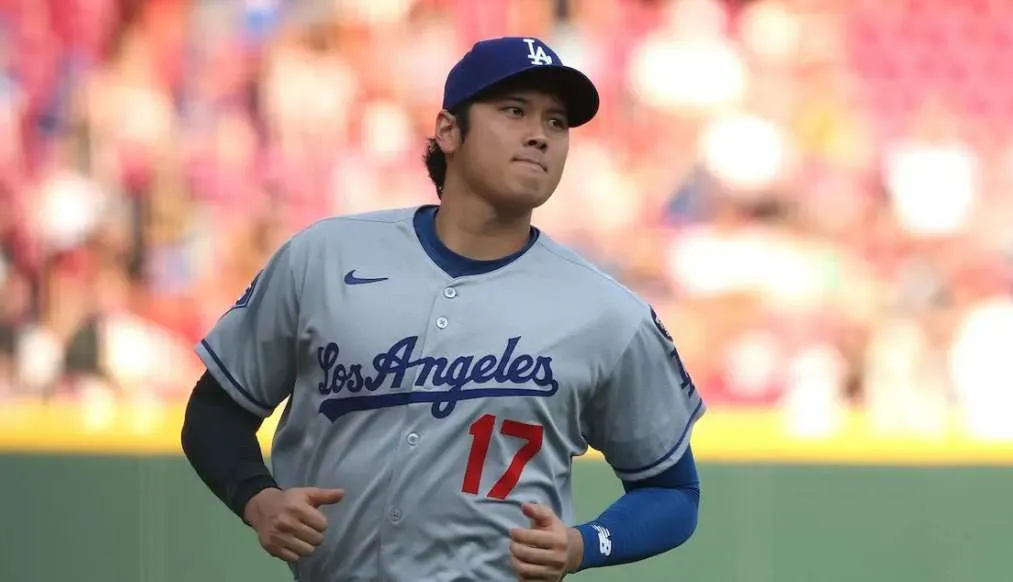
The Major League Baseball (MLB) season has always been a theater for narrative-driven storylines. Every year, there’s a player whose name dominates headlines, whose feats create viral moments, and whose value seems to transcend mere numbers. This season, that player is undeniably Shohei Ohtani. His unprecedented two-way talent — excelling as both a hitter and a pitcher — has put him in a category few, if any, have reached in baseball history. Yet, amid the hype surrounding Shohei Ohtani, another story is quietly unfolding, one that the media — and perhaps even Las Vegas oddsmakers — would prefer you didn’t focus on: Kyle Schwarber’s unexpected surge in the NL MVP conversation.
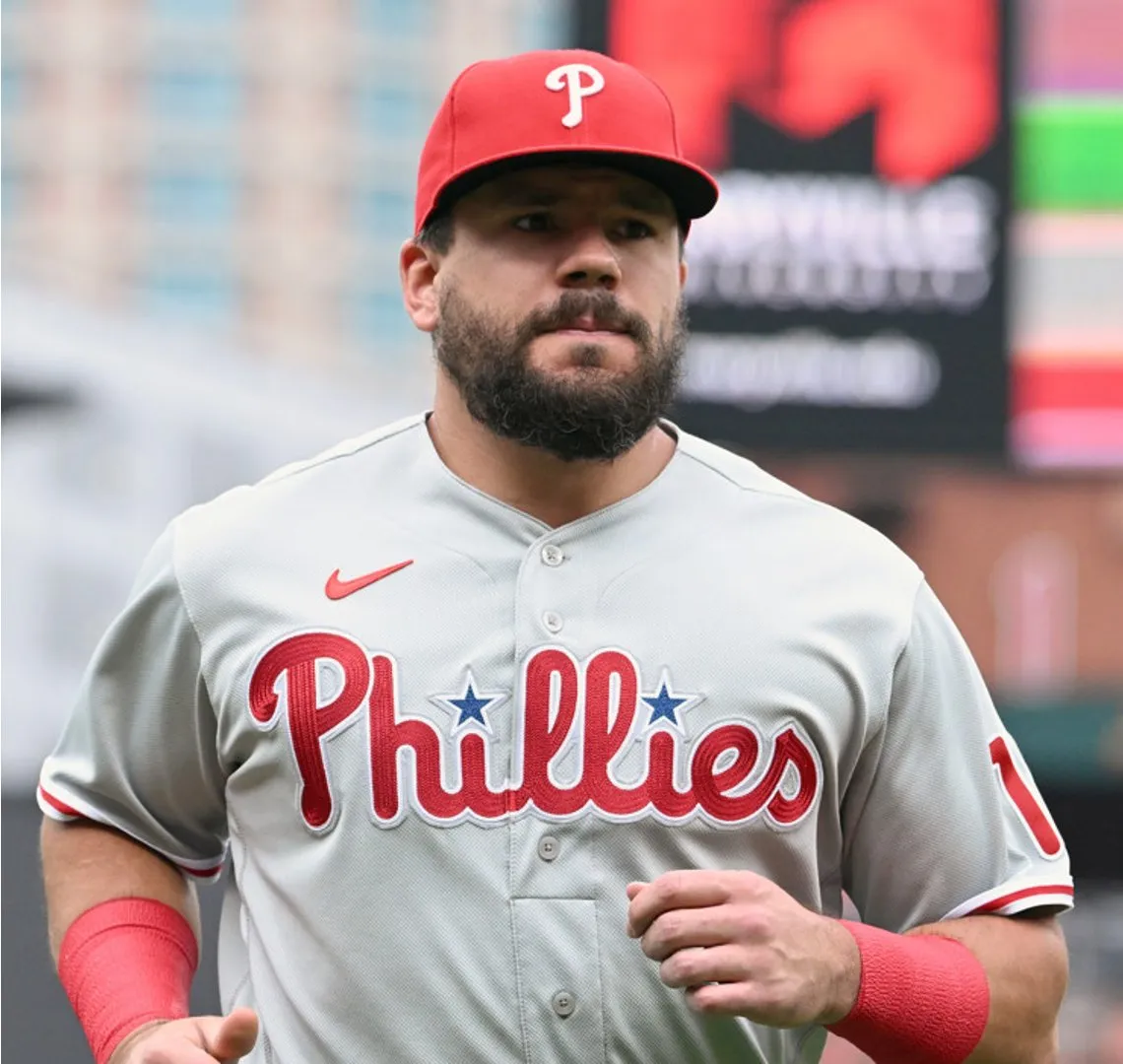
This isn’t merely a case of comparing two players with different skill sets. It’s about peeling back the layers of media-driven narratives, understanding the role that Vegas betting markets play in influencing public perception, and asking whether the MVP race is as predetermined as it appears. When Schwarber, a player often viewed as one-dimensional, begins to disrupt the narrative, questions arise — not just about his candidacy, but about how much of the Ohtani mania is organically deserved versus manufactured.
The Cult of Shohei Ohtani: How MLB Built a Global Phenomenon
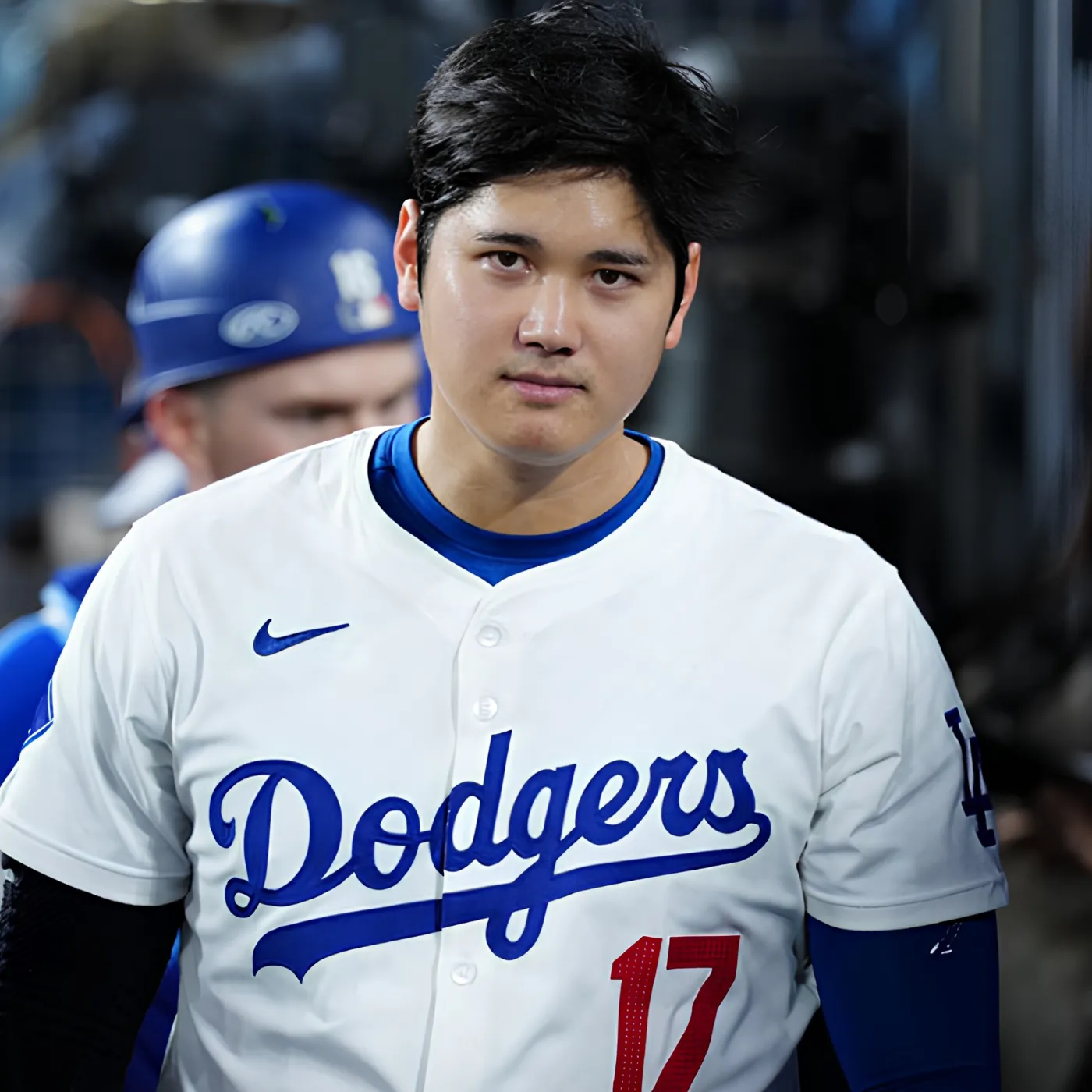
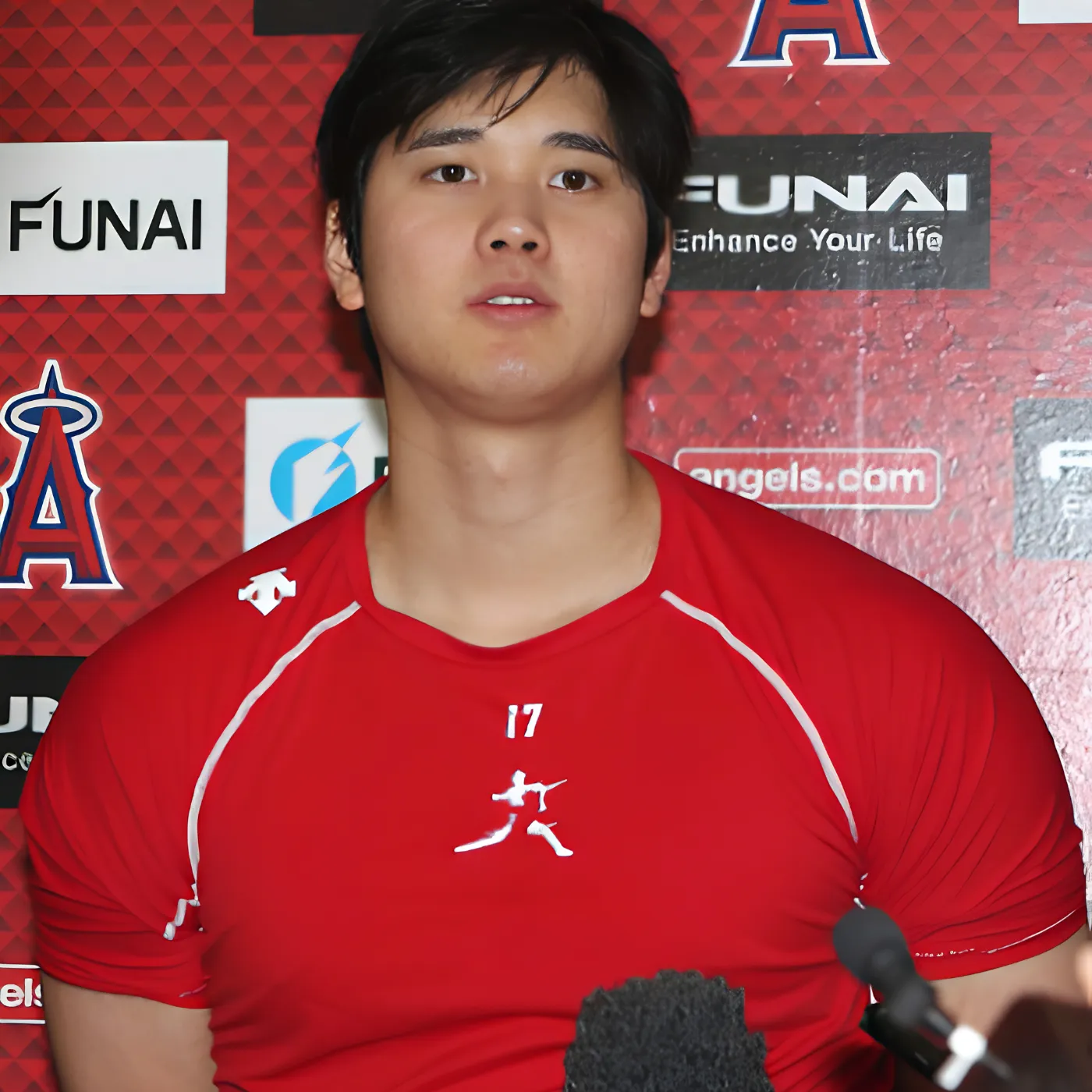
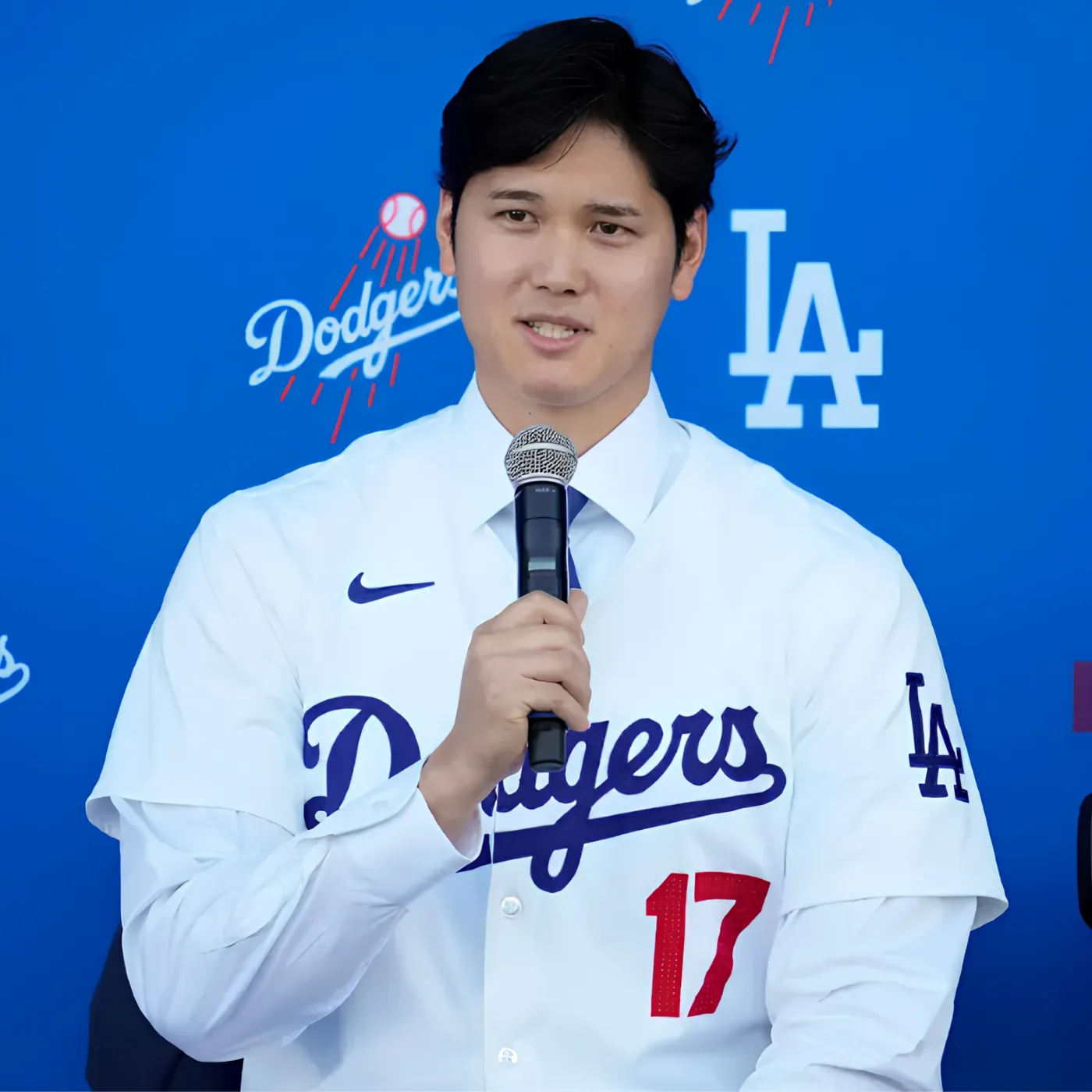
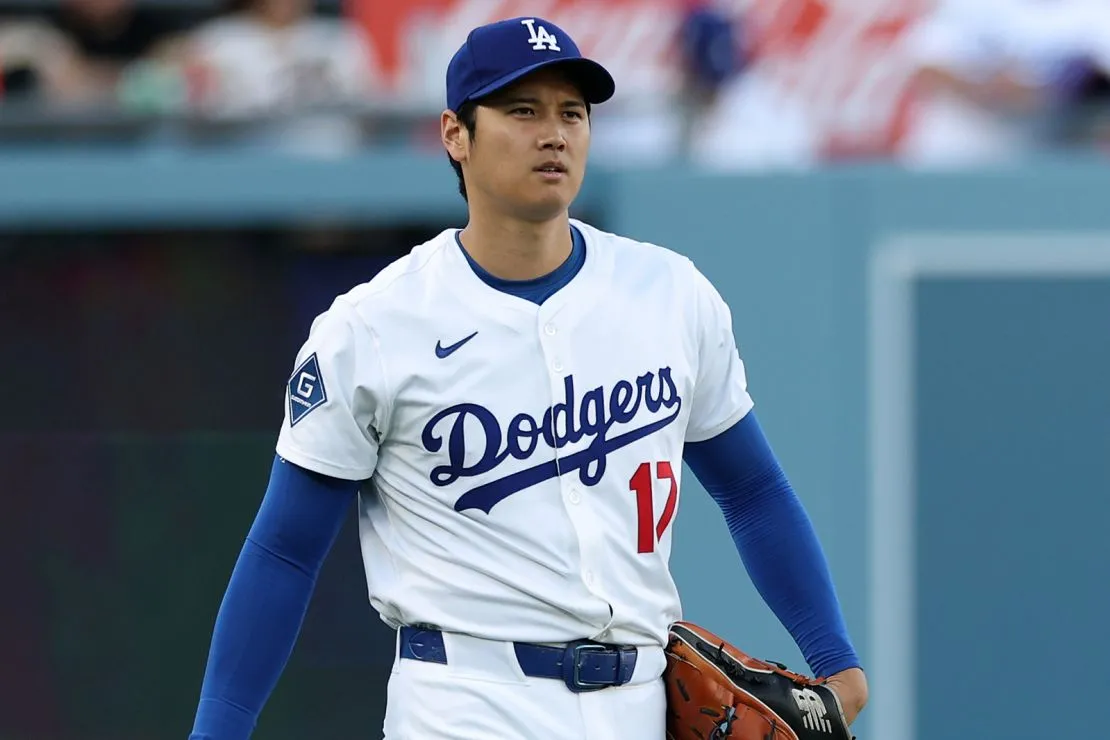
Let’s start with the obvious: Shohei Ohtani is a generational talent. His ability to dominate as both a slugger and a pitcher has elevated him beyond the typical superstar. In the age of instant highlights and global media coverage, he has become not just the face of a team but the face of the sport itself. MLB has leaned heavily into promoting Ohtani as its golden child, and understandably so. He brings in fans from around the world, boosts ratings, and gives the league a marketable icon in an era desperate for transcendent stars.
But with this marketing push comes an inherent risk: hype inflation. When every outlet praises Ohtani for even pedestrian feats, when his every home run or pitching performance is dissected as legendary, the line between objective performance and media narrative blurs. The Ohtani narrative has become so dominant that it often overshadows other players performing at elite levels. This isn’t Ohtani’s fault — his talent is undeniable — but it’s worth asking: has the coverage of his greatness created a halo effect that influences award voters and public sentiment in ways that are disproportionate to his actual value relative to peers?
Kyle Schwarber: From Power-Hitting Journeyman to MVP Candidate
Enter Kyle Schwarber. For much of his career, he’s been pigeonholed as a power hitter with defensive limitations. Analysts dismissed him as a home run-or-bust slugger, a relic of the old-school “three true outcomes” archetype. But this year, Schwarber has quietly transformed into something far more valuable — a consistent offensive force with game-changing impact in key situations.
His numbers don’t just tell the story of a guy who hits towering home runs; they reflect a player whose on-base percentage, run production, and clutch hitting have turned him into a nightmare for opposing pitchers. What makes this narrative more fascinating is that Schwarber doesn’t carry the same media-friendly persona as Ohtani. He doesn’t have the novelty of being a two-way player or the international appeal that sells jerseys worldwide. Yet his value to his team — in terms of run creation, leadership, and timely hitting — puts him squarely in the MVP conversation.
This raises an uncomfortable question for those driving the Ohtani narrative: if MVP truly stands for Most Valuable Player, then why isn’t Schwarber receiving the same level of coverage? And more importantly, how much of the MVP race is determined by actual performance versus storylines that boost ratings and betting interest?
The Vegas Connection: What the Odds Don’t Tell You
When it comes to sports awards, especially something as prestigious as the MVP, there’s another layer of influence that rarely gets discussed: the role of Las Vegas oddsmakers. Betting markets thrive on hype. The more attention a player receives, the more bets are placed, and the more sportsbooks profit from managing that action. In the case of Ohtani, his superstar status creates an avalanche of wagers, inflating his odds and making him appear as a prohibitive favorite, even when the gap between him and the competition might not be as wide as it seems.
This creates a feedback loop: media hype drives public betting, which influences odds, which in turn reinforces the perception that Ohtani is untouchable in the MVP race. Meanwhile, players like Schwarber — who lack the same media megaphone — are undervalued in both betting markets and public discourse, even when their on-field contributions rival or surpass their more celebrated peers.
It’s a subtle form of narrative manipulation, one that benefits sportsbooks and fuels the mythos of star players while burying the stories of others who threaten to disrupt the status quo.
Reframing the MVP Debate: What Does “Value” Really Mean?
The MVP award has always been subjective. Some voters lean toward overall statistical dominance, others prioritize team success, and some are swayed by historical significance or narrative weight. For Ohtani, his dual-role performance makes for an easy case: no one else is doing what he does. But that argument, while compelling, often ignores context. Is his value as a two-way player more impactful than Schwarber’s role as the offensive engine of his team? Is uniqueness more valuable than consistent excellence?
Kyle Schwarber’s contributions extend beyond raw stats. He’s been the catalyst for his team’s offense, delivering in clutch moments and carrying the lineup during critical stretches. When Schwarber performs, his team wins — a tangible metric of value that transcends individual accolades. And yet, this kind of contribution often gets buried under the weight of more marketable narratives.
This is where the MVP debate becomes more complex. If we strip away the media noise, ignore the Vegas-driven odds, and evaluate players purely on their value to their teams, the race suddenly looks far closer than the public has been led to believe. In that light, Schwarber’s case for MVP becomes not just legitimate, but perhaps stronger than anyone expected.
Why the Media (and Vegas) Need Ohtani to Win
To understand why this dynamic persists, we need to examine the incentives at play. MLB wants Ohtani as its face. Networks want him as a ratings draw. Sportsbooks want him as a betting magnet. Everyone benefits from Ohtani being the frontrunner — except for the players who deserve equal consideration but don’t fit the mold of a global superstar.
This creates a situation where the MVP race becomes less about merit and more about maintaining the narrative that sells. It’s not that Ohtani isn’t deserving — his numbers and impact are extraordinary — but when the playing field is tilted by external forces, the integrity of the award comes into question. In this sense, Kyle Schwarber’s rise isn’t just a challenge to Ohtani’s dominance; it’s a threat to an ecosystem built on predictable storylines.
The Road Ahead: Can Schwarber Break the Narrative?
So where does this leave us? The rest of the season will determine whether Kyle Schwarber can truly disrupt the Ohtani narrative. To do so, he’ll need to continue producing at an elite level, helping his team stay competitive, and forcing the media to acknowledge his contributions. But perhaps the bigger challenge lies in shifting the conversation around what “value” really means in the MVP context.
If Schwarber’s performance continues to demand attention, it may expose the biases baked into the award process — from media hype to Vegas-driven narratives — and force a reckoning on how MVPs are truly chosen. And that, more than anything, could be his most significant impact this season.
Final Thoughts: Exposing the Illusion
The battle between Shohei Ohtani’s narrative dominance and Kyle Schwarber’s quiet excellence is more than just a sports storyline. It’s a reflection of how media, money, and perception intersect in modern sports. Ohtani is a once-in-a-generation talent, but his seemingly untouchable MVP status owes as much to external forces as it does to his on-field greatness.
Meanwhile, Schwarber’s rise exposes the flaws in a system that prioritizes marketability over merit. In doing so, he reminds us that the MVP award — like much of professional sports — is as much about controlling narratives as it is about celebrating true value.
In the end, perhaps that’s the real revelation: the MVP race isn’t just about crowning the best player. It’s about deciding whose story gets to define the season — and whether we’re willing to look beyond the headlines to see who truly deserves the crown.